
Forex Trading Guide for South African Beginners
💱 Understand Forex trading in South Africa: Learn how currency buying and selling works, key players, risks, strategies, regulations, and choosing the right broker.
Edited By
Oliver Stanton
Automated forex trading is growing fast among South African investors keen to tap into currency markets without being glued to their screens all day. This method uses computer algorithms — or trading bots — to buy and sell currencies based on preset criteria. It’s a way to trade 24/7 across global markets, including pairs like USD/ZAR or EUR/ZAR, without constant manual input.
This guide focuses on showing you how auto forex trading works, what to watch out for, and how to pick platforms that suit South African traders. As the forex space is quite complex, understanding the nuts and bolts saves you from costly mistakes.
Auto trading platforms rely on software that follows strategies programmed by either the system provider or the trader. For example, you might set a bot to enter trades when the USD/ZAR hits certain technical indicators, like moving average crossovers or RSI levels. The bot then trades instantly without needing your approval.
You can use popular platforms like MetaTrader 4 or 5, which many South African brokers support, or specialised services that connect with these platforms. These bots are especially handy during South African hours when markets in London and New York are active.
A key draw is time-saving: you don’t need to monitor markets obsessively. Also, automated systems remove emotional bias from trading decisions. Imagine trying to trade forex while juggling everyday demands — a bot keeps going while you sort your daily grind.
Yet, the reality is that not all bots work well in local conditions. Spread costs, volatile rand movements, and Eskom-related economic uncertainty can affect performance. That’s why evaluating platform reliability and fit is crucial.
Keep in mind: even automated trading requires oversight. Bots can fail or perform poorly in unexpected market swings, so stay involved.
Expert Advisor (EA): A trading robot that runs on MetaTrader and executes trades based on coded rules.
Backtesting: Testing a strategy on past data to gauge performance before live use.
Spread: The difference between buy and sell price; can impact profitability, especially in volatile pairs like USD/ZAR.
With these basics, you’re ready to explore further how auto forex trading fits into your investment strategy. The next sections dig into risks, benefits, and tips for choosing platforms.
Automated forex trading simplifies currency market participation by letting software handle trades based on preset rules. This matters for South African investors who want to balance multiple priorities without watching markets 24/7. By understanding how these systems work, traders can set up strategies that suit their goals and risk appetite.
Auto forex trading, often called algorithmic trading or trading with robots, uses computer programs to open and close currency trades automatically. Rather than clicking buttons yourself, you programme the system to follow specific signals, like moving averages or price breakouts, and the software executes trades without manual input. For instance, a South African trader could instruct a platform to buy USD/ZAR when the rand weakens beyond a certain point.
These systems rely on algorithms—sets of rules that assess market conditions instantly. When criteria meet, the platforms send trade orders directly to brokers’ servers. The advantage is split-second action far faster than human reflexes, which can be key during volatile periods. For example, if the rand suddenly spikes due to unexpected economic news, the system can instantly close positions to limit losses. The trading bots interface with online broker platforms, many of which South Africans use, like IG or HotForex, through APIs or proprietary software.
Automated strategies vary widely, tailored to different trading styles. Some common types include:
Trend-following systems: Aim to ride currency trends by buying when prices rise and selling when they drop.
Range trading bots: Look for price movements confined within a band and trade the extremes.
Scalping algorithms: Perform multiple quick trades to snag small profits from minor price shifts.
News-based trading: React to scheduled economic data releases or market-impacting announcements instantly.
Each method suits different market moods and personal preferences. For example, scalp traders in Johannesburg might run bots that close trades within seconds during Rand volatility spikes, benefiting from rapid cash flow. Ultimately, knowing these approaches helps you select or customise automated systems that fit your investment style and local market conditions.
Understanding the mechanics of auto forex trading allows you to move beyond gimmicks and truly pick setups that can perform reliably in South African markets.
This foundation prepares you to engage confidently with auto trading, knowing what happens behind the scenes as your system reacts to currency market moves.
Automated trading has steadily gained traction among South African forex investors, mainly because it helps to manage the markets' unpredictability without needing to watch trades all day. For many traders juggling work and family, auto trading systems provide a way to stay active in forex markets right from home, even during peak loadshedding hours when electricity is unreliable.
Several platforms cater to the local market, providing accessible auto trading solutions. MetaTrader 4 (MT4) and MetaTrader 5 (MT5) remain popular due to their user-friendly interfaces and wide availability through local brokers like IG Markets SA and EasyEquities. These platforms support Expert Advisors (EAs), which are pre-coded trading robots that execute strategies automatically.
ZuluTrade is another platform gaining ground locally, enabling South African traders to follow and copy strategies from experienced investors globally, which is particularly useful for those new to forex trading. It offers flexibility and access to multiple brokers compliant with South African regulations.
Forex trading in South Africa falls under the jurisdiction of the Financial Sector Conduct Authority (FSCA). This regulator requires brokers to be FSCA-licensed to serve South African investors legally. Automated trading activities must comply with these standards, meaning traders should prefer platforms linked to registered brokers to avoid falling foul of illegal trading operations.
South African traders should also be mindful of the Financial Intelligence Centre Act (FICA) requirements. Proper identification and verification processes are mandatory. Most reputable brokers integrate FICA checks in their onboarding, which also applies when linking auto trading accounts.
Note that while auto trading can reduce the emotional side of trading, complying with local financial laws is non-negotiable to protect your capital.
Local forex traders often prefer major pairs like USD/ZAR, EUR/ZAR, and GBP/ZAR, given the direct exposure to the rand and better liquidity. Trading in these pairs reflects local economic conditions such as SARB's interest rate changes and commodity price movements impacting the rand.
Beyond rand-based pairs, there is also interest in global majors like EUR/USD and USD/JPY. Automated systems can monitor and execute trades across various time zones, offering an edge when offshore market events impact these pairs.
Understanding which currency pairs to focus on aligns your auto trading strategy with market realities in South Africa, making decisions more informed and tailored.
Through knowledge of popular platforms, compliance requirements, and preferred currency pairs, South African traders can better integrate automated forex trading into their portfolios. This approach balances convenience with a solid footing in local market dynamics and regulations.
Automated forex trading has gained ground among South African investors partly because it offers a balance between convenience and strategic market participation. Knowing its strengths and weaknesses helps traders align their expectations and safeguards their capital, especially in a market as unpredictable as forex.
One of the biggest perks of auto forex trading is efficiency. Bots work round the clock, seizing opportunities that might otherwise slip past a trader glued to day jobs or busy with other commitments. For instance, a local trader using MetaTrader's Expert Advisors (EAs) can run trades on the USD/ZAR pair overnight without lifting a finger.
What’s more, these systems strip away emotional bias — a common pitfall for many. Human traders often panic-sell or hold losing positions too long. Automated systems execute pre-set rules without hesitation or fear, keeping discipline intact. This can especially benefit those new to forex who might find the rollercoaster of markets nerve-racking.
Despite these advantages, pitfalls exist. System failures — like power outages or poor internet connections, common enough in South Africa’s load shedding era — can interrupt automated trades and lead to missed opportunities or unintended losses. For example, a bakkie driver's day job interrupted by Eskom cuts could disrupt a home trading setup if there’s no backup power.
Another risk is over-optimisation, where a trading strategy is excessively tailored to past data, performing brilliantly historically but failing in live markets. This is a classic trap for novices relying on backtesting alone without considering changing market dynamics, such as sudden geopolitical shifts affecting the rand.
Markets prone to sharp moves, like the South African rand, can be a double-edged sword for auto trading. High volatility might trigger more frequent trades and higher potential profits, but also increase chances of false signals and rapid losses. Automated systems that aren't programmed to adapt may struggle during volatile periods, making monitoring essential.
Automated forex trading isn't a set-and-forget solution but a tool that demands active oversight, especially in emerging markets with unique risks like South Africa.
In short, efficiency and emotion-free decisions are solid benefits. Yet, balancing these with risks such as system glitches and market unpredictability distinguishes successful use from reckless blind faith in automation. South African traders should consider their local infrastructure and the rand's behaviour before committing fully.
By understanding these pros and cons, South African traders can decide how best to integrate automated forex trading into their investment strategy with an eye on practical realities and cost-effective safeguards.
Picking the right automated forex trading system is about balancing technology, trust, and usability—especially for South African investors who face unique market conditions and regulatory demands. The ideal setup should offer reliability to handle local internet fluctuations and integrate smoothly with brokers familiar with the rand (ZAR) and regional trading practices.
Start with a thorough check of the software or service provider’s track record. South African traders often gravitate towards platforms supporting MetaTrader 4 or 5 due to their strong local presence and compatibility with many brokers. Verify if the provider updates their software regularly, offers transparent strategy performance records, and provides local customer support.
Beware of providers promising high returns with little risk; these usually lack substance. Instead, opt for vendors who allow backtesting on historical data, so you can assess performance under different market scenarios. For example, a trader might test a strategy’s response to Rand volatility before committing real funds. Also, check for community or expert reviews on forums like MyBroadband, which often share unfiltered user experiences.
Integration with your broker means your system should align with the broker’s trading platform APIs and support South Africa-specific features, such as FICA verification and compliance with the Financial Sector Conduct Authority (FSCA) rules. Brokers headquartered locally or well-established international brokers with South African services tend to offer better connectivity and support.
For instance, using an auto trading system via a broker like IG Markets South Africa or easyMarkets can simplify currency conversions and fee transparency. Confirm the broker supports your preferred currency pairs, such as USD/ZAR or EUR/ZAR, which are favoured by local traders. Avoid systems incompatible with your broker’s infrastructure, as these cause trade execution issues or delays.
Never underestimate the value of thorough testing before going live. Use a demo account to simulate trades and monitor how the automated system handles different conditions without risking your capital. This helps spot bugs or settings problems.
Backing up your configurations regularly is essential in case of software crashes or data corruption. Save your trading algorithms, preferences, and historical results both locally and on cloud storage whenever possible. This practice prevents unpleasant surprises if a software update goes wrong or hardware fails.
Setting up an automated trading system isn’t a "set and forget" task—keeping it backed up, tested, and fine-tuned is crucial for steady performance, especially amid South Africa’s occasional internet issues and volatile currency movements.
In short, take your time to assess software honestly, ensure proper integration with a trusted broker, and never skip the testing and backup phase. This groundwork helps you avoid common pitfalls and increases your odds of trading sustainably with automation in South Africa’s forex market.
Auto forex trading can offer South African investors a handy way to trade without the need to watch the markets all day. Still, using these systems requires practical know-how to avoid pitfalls and take advantage of opportunities. This section gives useful tips that South African traders should keep in mind to trade smartly and sustainably.
Managing risk remains the cornerstone for successful auto forex trading. With automated systems, there’s still no guarantee of profits, especially given currency market volatility influenced by global events or local economic news, like SARB interest rate decisions. For instance, a system that thrived during stable market conditions may deliver losses during sudden shifts caused by political developments or Eskom loadshedding interruptions affecting liquidity.
Set your expectations based on thorough research and past performance records of your chosen trading software. Don’t expect overnight wealth—see it more as a steady effort to grow your capital. Using stop-loss orders and limiting the amount you allocate per trade can help minimise large, unexpected losses. Remember, even the best strategies need regular review to stay effective.
An auto forex system isn’t a "set-and-forget" tool. You need to monitor trade execution frequently, especially when local conditions change. For example, during periods of high volatility like around major economic data releases or unexpected events, automated systems might behave unpredictably.
Keep track of how your system performs relative to the market and adjust settings like trade size, take-profit levels, or the timing of trades accordingly. Many South African brokers provide demo accounts—use these to test changes before going live. This approach helps protect your Rands and ensures your strategy adapts well as market conditions shift.
Costs can eat into your returns faster than you expect if you’re not careful. South African brokers typically charge spreads, commissions, and sometimes platform fees on forex trades. The spread on popular pairs like USD/ZAR or EUR/ZAR can be wider than global majors, which impacts profitability of frequent trades.
Besides commissions, watch for costs involved in deposit and withdrawal methods, as some brokers might have fees on certain payment types. Also, regulatory compliance costs levied on brokers under FSCA rules could affect broker charges indirectly.
Always ask your broker about all applicable fees up front and calculate how these will affect your break-even points and profits. That way, you avoid nasty surprises that could harm your trading capital.
By managing your risks smartly, keeping a close eye on your system’s actions, and understanding the full cost landscape, you stand a better chance of making automated forex trading work in Mzansi’s unique market.
💱 Understand Forex trading in South Africa: Learn how currency buying and selling works, key players, risks, strategies, regulations, and choosing the right broker.
Explore essential forex trading software 🖥️ for South African traders! Learn types, features, security tips, and choose the right platform for success 📈
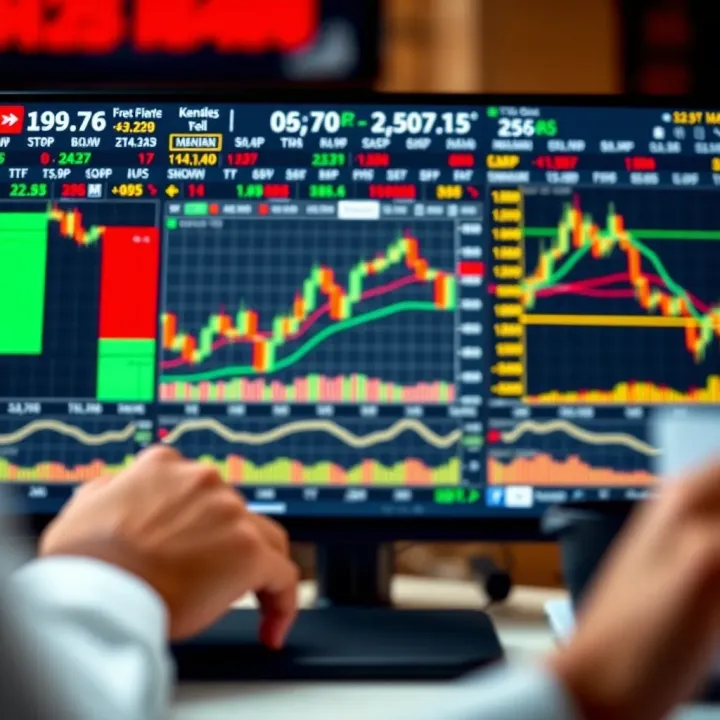
📈 Explore practical forex trading videos for South African traders! Learn how to pick quality content & boost your trading skills effectively.
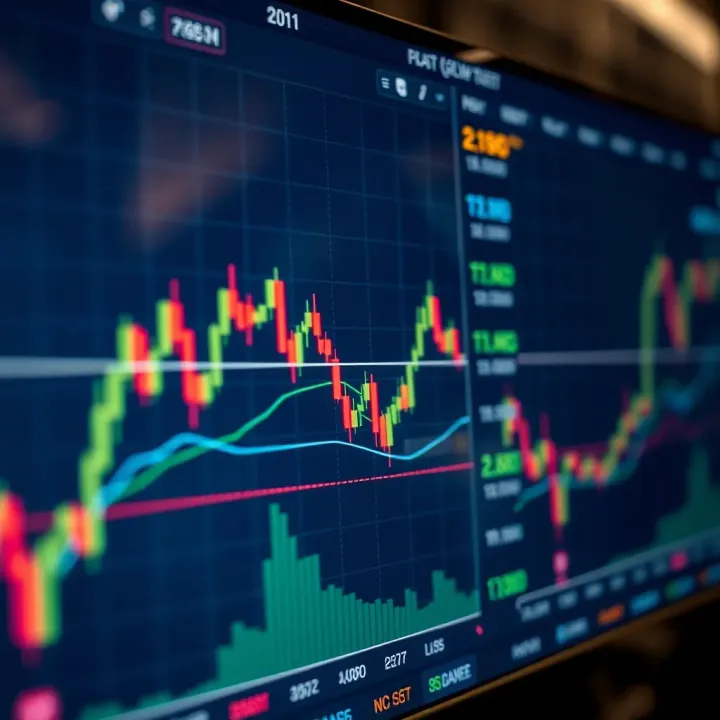
Master forex trading in South Africa with practical tutorials📈. Learn key concepts, smart trading steps, risk control, and skill-building tips for real markets🌍.
Based on 12 reviews