

Forex Trading Guide for South African Beginners
💱 Understand Forex trading in South Africa: Learn how currency buying and selling works, key players, risks, strategies, regulations, and choosing the right broker.
Edited By
Matthew Harris
Forex trading in South Africa has grown steadily, drawing interest from both novice and experienced traders alike. At its core, your forex trading account acts as the gateway to the currency markets. Understanding the different account types, what they offer, and how local factors impact them is essential for making smart trading choices.
Trading accounts vary widely in terms of features such as minimum deposit amounts, leverage levels, spreads, and execution types. For example, a beginner might opt for a micro account that allows trading with small amounts like R500, while more seasoned traders might prefer standard or ECN (Electronic Communication Network) accounts that offer tighter spreads but require higher deposits.
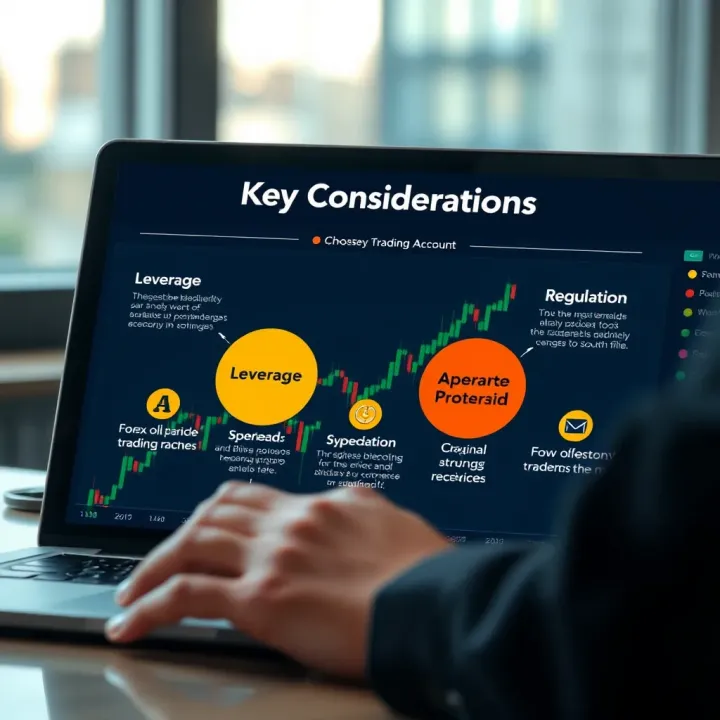
Keep in mind that your choice of account can significantly influence your trading costs and risk exposure, especially under South African market conditions, including exchange control rules and local regulations.
Leverage is a double-edged sword frequently discussed in South African forex circles. Brokers typically offer leverage from 1:10 up to 1:500, but the Financial Sector Conduct Authority (FSCA) encourages cautious use to prevent excessive losses. A leverage of 1:100 means you can control R100,000 worth of currency with just R1,000. While tempting, higher leverage amplifies potential losses too.
Spreads — the difference between buy and sell prices — differ among account types and brokers. Some accounts offer fixed spreads suitable for traders who dislike uncertainty, while others provide variable spreads that can narrow in active markets. Knowing how spreads behave during local market events, such as geopolitical shifts or economic data releases from South Africa, can help you avoid costly surprises.
South African traders should also weigh in the broker's regulation status and account protections against fraud or operational risks. The FSCA regulates many local brokers, but others operate offshore with varying oversight, so due diligence is critical.
In this guide, we'll unpack these factors to help you identify the forex trading account that aligns with your goals, experience, and local market realities. Whether you’re testing the waters or scaling up, understanding the nuances of account types is the first step towards consistent trading results.
Understanding the types of forex trading accounts available is crucial for South African traders. Each account type caters to different trading styles, capital levels, and risk appetites. Knowing the specific features and requirements helps you pick the right account to match your goals and experience.
Standard accounts are the most common and offer full access to the broker’s services. Typically, these accounts require a minimum deposit ranging from R5,000 to R20,000 depending on the broker. They come with standard lot sizes (usually 100,000 units of the base currency), offering full leverage and tighter spreads compared to smaller accounts. For instance, a standard account with MTN Financials might have minimum trade sizes of one full lot, which suits traders looking for serious exposure to the market.
These accounts suit traders who already have some experience and are comfortable risking larger capital amounts per trade. Because standard accounts involve big ticket sizes, they are ideal for active traders or those employing strategies that rely on volume, such as swing trading or day trading with higher stakes. If you’re consistently trading small lots, a standard account could cause your risk to escalate beyond comfortable levels.
Mini and micro accounts allow trading in smaller lot sizes—mini accounts typically offer 10,000 units per lot, while micro accounts deal with 1,000 units. This smaller scale means you can open positions with much lower capital. The spreads may be slightly wider compared to standard accounts, reflecting the smaller trade volumes.
These accounts are perfect for novices testing the waters without risking too much upfront capital. For example, a mini account with a minimum deposit as low as R500 lets you trial your strategies in real market conditions. Furthermore, they help build discipline by encouraging small, manageable trading sizes. This structure is vital if you’re new and still adjusting to the emotional ups and downs of forex trading.
Islamic accounts operate without overnight interest, making them compliant with Sharia law which forbids paying or earning interest (riba). These accounts don’t accrue swaps on positions held past the broker's cut-off time. Instead, they may apply administrative fees, though these are usually transparent and limited.
Muslim traders or anyone wishing to avoid interest on overnight positions should consider Islamic accounts. For example, a South African Muslim trader must ensure any brokerage offering this account type is regulated, such as by the Financial Sector Conduct Authority (FSCA), ensuring fair treatment. However, non-Muslim traders might use swap-free accounts if they hold positions for multiple days and want to avoid swap fees that eat into profits.
Choosing the right forex trading account helps you manage risk, costs and trading style more effectively. Always start with an account that fits your current needs and allows room to grow.
Choosing the right forex trading account is about more than just picking the first option you find. Each account type comes with specific attributes that affect your trading experience, costs, and risk exposure. In South Africa, where market conditions and regulations add their own twists, understanding factors like leverage, spreads, and account currency is essential.
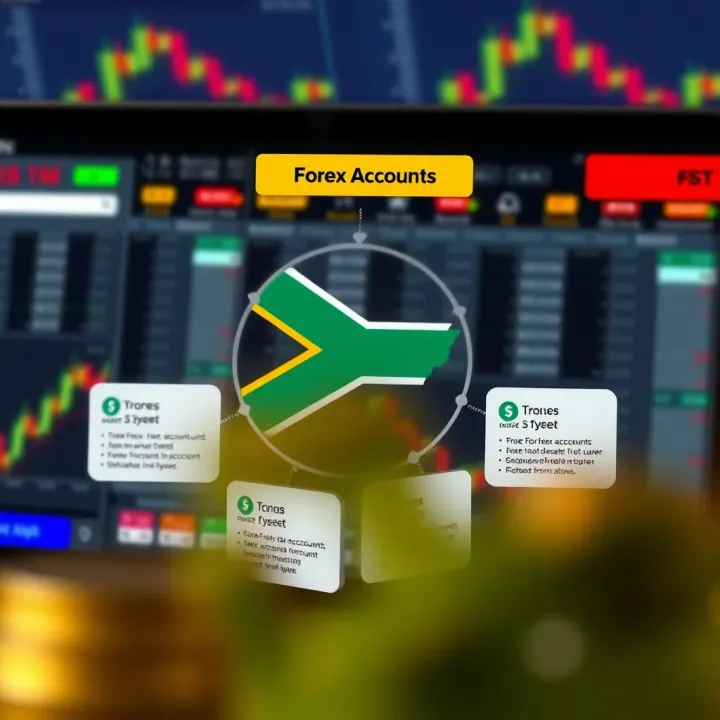
Leverage allows traders to control larger positions with a smaller amount of capital. For example, with 1:100 leverage, you could trade R10,000 worth of currency with just R100. This can amplify profits but also makes losses more severe if the market moves against you. It’s like using a bakkie to carry a heavy load; if the load shifts unexpectedly, it could tip you over.
Regulations by the Financial Sector Conduct Authority (FSCA) limit leverage to protect South African traders from excessive risk. Typically, leverage above 1:100 is discouraged or restricted. This helps avoid situations where traders wipe out their accounts quickly during volatile times, such as when Eskom announces a new loadshedding stage affecting rand instability. Always check what leverage your broker offers and ensure it matches your risk appetite.
Spreads are the difference between the buying price (bid) and selling price (ask) of a currency pair, and can be fixed or variable. Fixed spreads stay constant regardless of market conditions, offering predictability but often at a slightly higher cost. Variable spreads change with market liquidity; they are usually tighter during active trading hours but can widen during low activity or major news events, like a SARB interest rate announcement.
Trading costs add up via spreads and commissions. For instance, a fixed spread of 2 pips in EUR/USD means you start off with a small loss on each trade. On the other hand, variable spreads might shrink to 0.5 pips but jump unexpectedly to 5 pips during volatility. Some brokers charge low or no commission but widen spreads, so it’s crucial to compare both. Minimising costs directly influences your overall profitability, especially if you trade frequently.
Having your forex account denominated in South African Rand (ZAR) can reduce conversion fees and simplify accounting. If you deposit R10,000 and your account operates in ZAR, you avoid double currency conversions that happen if your account is in USD or EUR. This becomes especially practical during rand volatility, saving you unnecessary costs.
South African traders commonly use deposit methods like EFT transfers through Capitec or FNB, instant EFT via services like Ozow, or digital wallets such as Skrill and Neteller. Withdrawals usually follow the same route. Some brokers also accept credit/debit cards or even more localised methods. Choosing deposit and withdrawal options that are fast and cost-effective can save you from headaches when you need to access your funds, especially if you rely on profits for day-to-day expenses.
Picking a forex account with attention to leverage, spreads, and currency options sets a solid foundation for safer and more cost-effective trading in South Africa’s unique environment.
Opening a forex trading account locally is the first practical step for South African traders looking to enter the global currency markets. It gives you direct access to trade forex pairs while ensuring your activities comply with local laws and protections. Choosing the right account with a regulated broker can influence your trading experience, costs, and the safety of your funds.
Traders benefit from the ease of depositing and withdrawing in South African Rand (ZAR), plus local customer service that understands South African market challenges, like loadshedding's impact on trading hours or data costs. However, it’s vital to work with brokers regulated by the Financial Sector Conduct Authority (FSCA) to operate within a secure and transparent framework.
The FSCA is the watchdog overseeing financial markets in South Africa, ensuring brokers follow rules and treat clients fairly. Trading with an FSCA-regulated broker means your money is better protected from fraud or malpractice. This regulation also demands brokers provide clear pricing, fair leverage limits, and proper risk warnings that suit South African traders.
Without FSCA oversight, traders risk dealing with unregulated offshore brokers where disputes are harder to resolve. For example, in recent years, some South African traders suffered losses due to foreign brokers disappearing without paying out winnings. Sticking to FSCA-regulated firms reduces such risks significantly.
To confirm a broker is FSCA-regulated, visit the FSCA website’s public registry where all licensed firms are listed. Look for the broker’s full company name, licence number, and contact details matching what the broker claims on their site.
Beware of brokers using similar names to reputable ones but not appearing on this list. It's also wise to check the broker’s history for any regulatory warnings or penalties. This step helps you steer clear of scams and choose a reliable platform.
Opening a forex account typically requires proof of identity and residence to comply with anti-money laundering laws under the Financial Intelligence Centre Act (FICA). This includes submitting a valid South African ID or passport, plus a recent utility bill or bank statement showing your address.
Brokers may also ask for tax number verification or source-of-income details to ensure responsible trading. Having these documents ready speeds up the registration and allows you to start trading sooner.
After submitting documents, the broker conducts checks to verify your identity and confirm the authenticity of your information. This process can include biometric scans or video calls, especially for online registrations.
Verification protects both you and the broker against fraudulent accounts. In South Africa, this step is crucial as it aligns with regulations aiming to curb financial crimes. Typically, verification is completed within 24 to 72 hours, after which you gain full access to your trading account.
Always keep scanned copies of your submitted documents for your records and ensure you communicate directly through official broker channels during registration.
By following these steps, South African traders can open forex trading accounts confidently, ensuring legal compliance and a safer trading environment tailored to local realities.
Managing your forex trading account carefully is as important as choosing the right account type. Without proper management, even a solid strategy can falter. Effective account management helps you monitor your exposure, protect your capital, and stick to your trading plan, especially in markets as volatile as forex.
Maintaining healthy margin levels is crucial to avoid margin calls or forced liquidations. Margin refers to the amount of funds a broker requires from you to open or maintain a position. In South Africa, where leveraged trading is common, keeping a close eye on your margin prevents you from overextending. For example, if you open a position requiring 10% margin, ensuring your account balance comfortably covers this plus some buffer keeps trades sustainable during price swings.
Overtrading is a common pitfall when traders open too many positions without enough capital. This puts excessive strain on your margin and increases the chance of losses. Sticking to a trading plan, which includes set limits on the number and size of trades, ensures your capital is not stretched too thin.
Managing risk exposure is about balancing potential rewards against possible losses. Use stop-loss orders to limit downside risk on every trade. For instance, if you enter a trade on the USD/ZAR at R18.00, you might set a stop-loss at R17.80 to cap potential losses. Also, diversify your trades where possible and avoid putting too much capital into a single position. This approach safeguards your account against sudden market moves related to economic data releases or geopolitical events impacting the rand.
Popular platforms in South Africa include MetaTrader 4 (MT4), MetaTrader 5 (MT5), and cTrader, all widely supported by FSCA-registered brokers. These platforms offer straightforward access to forex markets, real-time price feeds, and execution capabilities. Many South African traders appreciate platforms that support automated trading via Expert Advisors (EAs), so they don’t have to be glued to their screens constantly.
Features to look out for when choosing a platform include real-time charting, technical indicators, reliable execution speeds, and user-friendly interfaces. For example, the ability to set complex orders like trailing stops or one-cancels-the-other (OCO) can make a big difference in managing trades practically. Additionally, platforms that provide easy withdrawal and deposit handling in South African Rand make daily trading smoother and cost-effective.
Effective account management in forex trading isn't just about watching numbers — it's about controlling your exposure, using the right tools, and making informed decisions that protect your capital while aiming for steady growth.
Overall, managing your forex trading account effectively means balancing the technical aspects like margin and platform features with behavioural discipline. This combination increases your chances of success and helps you withstand the ups and downs of forex markets seen in South Africa and beyond.
Many traders overlook critical pitfalls when managing forex accounts, leading to unnecessary losses or missed opportunities. Identifying and steering clear of common mistakes helps maintain profitability and smooth trading operations. Understanding these errors is especially practical for South African traders, considering local nuances like regulatory compliance and currency fluctuations.
Forex accounts often come with various fees beyond just the spread—the difference between the bid and ask price. Traders should be aware of commissions charged per trade, deposit and withdrawal fees, inactivity fees, and sometimes even platform usage fees. For example, some brokers might charge a R50 fee for withdrawing funds via bank transfer, which can chip away at your returns if done frequently.
Another fee to watch carefully is the swap or rollover fee, charged when you hold positions overnight. Depending on the currency pairs you trade, these costs can either add up or even work in your favour, but ignoring them can catch traders off guard.
Every rand spent on fees reduces your net gains. For instance, if you trade with tight spreads but your broker levies high commissions or withdrawal fees, your profitability suffers. This is particularly true for active traders who open numerous positions daily; fees pile up fast and eat into capital.
You might think a fee of R20 here and there is negligible, but cumulatively over a month of trading, it could mean losing hundreds or even thousands of rand. Checking fee structures before committing to a broker and calculating projected costs based on your trading frequency can prevent unpleasant surprises.
Keeping a close eye on fees and choosing a broker transparent about charges saves you from hidden costs and helps protect your trading capital.
Forex accounts come tailored for different types of traders. A standard account suits experienced traders dealing with larger volumes, while mini or micro accounts are better for beginners wanting to limit exposure. Picking an account that doesn't match your trading style can lead to frustration and increased risk.
For example, a new trader opening a standard account with high minimum deposit requirements and large lot sizes might face difficulty in managing losses or losses feeling more severe, leading to emotional trading. Conversely, an experienced trader might find a micro account too restrictive and costly due to higher relative spreads.
Choosing a swap-free (Islamic) account without needing it might limit your trade options unnecessarily, as these accounts sometimes have wider spreads or fewer currency pairs.
Therefore, assess your trading frequency, capital, risk tolerance, and trading strategy before selecting an account. Aligning these elements ensures a more comfortable trading experience and better risk control.
Selecting the right forex account tailored to your needs minimizes avoidable losses and positions you for long-term trading success.
💱 Understand Forex trading in South Africa: Learn how currency buying and selling works, key players, risks, strategies, regulations, and choosing the right broker.

Explore essential forex trading software 🖥️ for South African traders! Learn types, features, security tips, and choose the right platform for success 📈
📈 Explore practical forex trading videos for South African traders! Learn how to pick quality content & boost your trading skills effectively.
Learn key forex terms every South African trader must know 🔍 From currency pairs to leverage and order types, boost your trading skills today!
Based on 5 reviews