
Understanding Forex Trading View in South Africa
📊 Discover how Forex Trading View helps South African traders with tools and insights to make smart forex decisions. Essential tips for beginners and pros!
Edited By
Isabella Morgan
Margin in forex trading often gets a bad rap, seen merely as the money traders risk or borrow. But it's a lot more than that—margin is the backbone of how forex leverage works, letting traders control larger positions than their actual capital.
Understanding margin doesn’t just mean knowing a definition; it’s about grasping how it impacts your trades, your risks, and ultimately your success or failure. Traders who jump in without a solid grip on margin often find themselves blindsided by margin calls, forced liquidations, or unexpected losses.
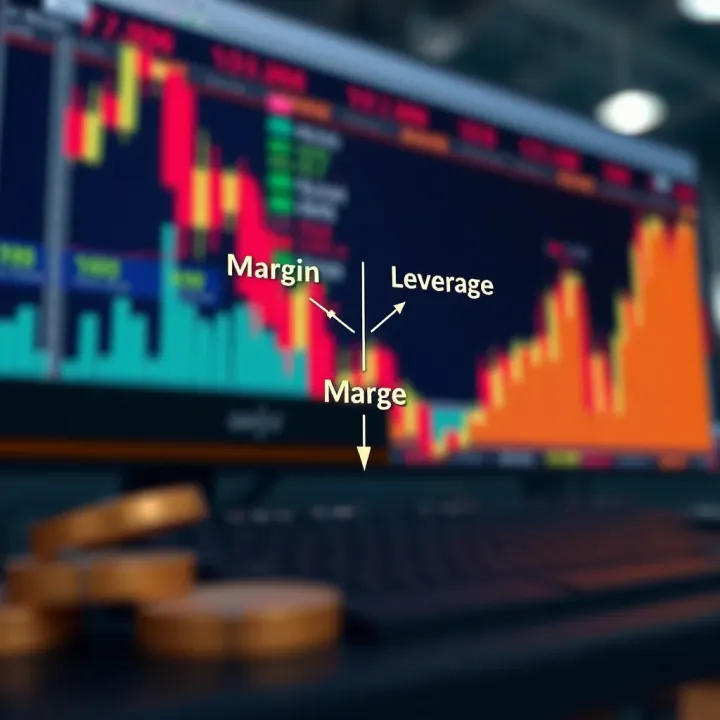
In this guide, we’ll break down margin into plain terms: what it is, how it operates alongside leverage, and why managing it properly is a must. From spotting warning signs of margin calls to practical tips on risk control, we’ll cover the essentials that every trader — from a newbie monitoring Rands from Johannesburg to a seasoned analyst in Cape Town — should know before buying or selling a single pip.
Why does it matter? Because in forex, getting margin right can be the difference between wiping out your account or steadily growing it. Let’s dive in and make margin work for you, not against you.
Margin is the backbone of many forex trades, especially if you're using leverage. It's a simple but essential idea that often gets misunderstood, so getting it straight from the get-go is key for anyone serious about forex trading in South Africa or beyond.
Margin acts like a security deposit you put down to open a position. Think of it as a good faith gesture to your broker showing you've got enough skin in the game. This amount isn't a cost or fee — it's tied up to back your trade and protect your broker in case the market moves against you. For example, if you want to buy $100,000 worth of euros, you don't need $100,000 in your account. Instead, you might only need $1,000 or $2,000 as margin, depending on the leverage provided. This margin ensures you have enough to cover potential losses.
Understanding margin isn’t just about knowing how much cash you need upfront; it's about grasping how it affects your trading capacity and risk. The advantage is clear: margin lets you control big positions with a relatively small money commitment. But it also means losses can stack up quickly if you're not careful. That’s why knowing your margin requirements is crucial before jumping into trades.
When you trade forex, margin isn’t money you spend but money held by your broker as a sort of security deposit. It’s a fraction of your full trade size — a safety net that ensures you can cover losses without defaulting. This concept is similar to putting down a deposit when renting a place; you don’t own the apartment yet, but the deposit guarantees responsibility.
For instance, if your broker asks for a 2% margin on a $50,000 trade, you'd need $1,000 in your account as margin. This amount remains reserved while your position is open and is adjusted if your trade moves in your favour or against it. If your account equity falls below this margin level, you face a margin call, requiring you to add funds or close positions.
Margin and leverage are siblings in forex, but they’re not the same thing. Margin is the portion of your own money you must put up to open a trade, while leverage is the ratio that shows how much you can control with your margin. Leverage multiplies your buying power.
Think of leverage as a lever: with 100:1 leverage, a $1,000 margin lets you trade $100,000. But remember, leverage turns both ways. If the market moves against you, losses are magnified just as much as profits.
So, the key takeaway: Margin is the cash set aside as collateral, and leverage is the multiplier that determines how big a position you can take with that margin. Knowing this helps you manage risk sensibly.
Margin unlocks the door to controlling much larger trades than your actual capital allows. Without margin, trading would be limited to only the money you have in the account — which for most retail traders would restrict opportunities severely.
For a real-life analogy, imagine wanting to buy a house worth R1,000,000 but only needing to pay a 10% deposit (R100,000) upfront. The margin works much like that deposit, letting you hold a much bigger asset position in the forex market.
This ability to open large positions is what attracts many traders, but it requires a good understanding of margin rules and risks. For example, if you’re trading a pair like USD/ZAR with a lot of volatility, using high margins can boost potential gains but also risks quick losses.
Margin directly influences how many trades you can open and how much risk you're taking. If your available margin is low, you can only open small or few positions. On the other hand, having ample free margin gives you more flexibility to diversify or hold positions longer.
Let’s say you have R10,000 in your account with a margin requirement of 2%. You can theoretically control R500,000 worth of forex contracts. But if your open trades start losing money, your margin usage eats up your account equity, reducing your free margin and ability to open new trades.
Always keep an eye on your free margin — it’s your buffer to avoid margin calls and stop-outs. Managing margin well keeps your trading smooth and sustainable in the long haul.
Understanding these roles margin plays helps you see why it’s not just a technical detail but a major factor influencing your strategy and safety in forex trading.
Understanding leverage and its connection to margin is essential when trading forex because it directly impacts how much capital you need to open and maintain positions. Many traders focus only on picking the right currency pair but overlook how leverage can quickly stretch their trading power—and their risks. Knowing how these two work together gives you the tools to control your trades smarter and not get caught off guard.
Leverage in forex trading essentially lets you control a bigger trade size with a smaller amount of actual money. Think of it like using a crowbar: with a small effort, you move a heavy object. In forex, leverage amplifies your purchasing power, meaning traders can enter positions worth thousands, sometimes hundreds of thousands, while putting up only a fraction of that in margin.
For example, if a trader has $1,000 in their account and uses a leverage ratio of 100:1, they can control a position worth $100,000. This can boost profits if the market moves in their favor but it can also magnify losses—sometimes wiping out the whole account quickly. That’s why understanding leverage isn’t just about boosting potential returns; it’s about managing risk effectively.
Common leverage ratios found in forex trading include 50:1, 100:1, and even 200:1 with some brokers. Regulatory bodies like the FSCA may impose limits (typically around 30:1 for major currency pairs) to protect retail traders from excessive risk. It's important to check what your broker offers and what rules apply locally. Higher leverage might sound attractive but it demands better discipline and strategy to avoid blowing out your margin.
Margin and leverage are two sides of the same coin: margin is the actual cash deposit you must have in your account to open a leveraged position, and leverage determines how large a position you can control with this margin. The formula tying them together is pretty straightforward:
Required Margin = (Trade Size) / Leverage
For instance, suppose you want to trade 1 standard lot of EUR/USD, which is equal to 100,000 units, and your broker provides leverage of 100:1. Your required margin would be 100,000 / 100 = $1,000. So, you need to have at least $1,000 free in your account as margin to open this position.

But don’t get fooled—just because you *can* trade big with small margin doesn’t mean it’s a no-brainer. High leverage means you have very little wiggle room if the market turns against you. This is why risks jump with leverage levels—losses get magnified just as much as gains.

> **Important:** Using a leverage ratio of 200:1 means a tiny 0.5% adverse price move can wipe out your initial margin entirely, resulting in a margin call or forced position closure.

Some risks tied to high leverage include:

- **Rapid depletion of capital:** Even small price moves can drain your account fast.
- **Emotional trading pressure:** High leverage can make you nervous, prompting impulsive decisions.
- **Increased margin calls:** Brokers enforce margin levels strictly; if your account dips below this, positions close automatically to protect both you and the broker.

Smart traders usually pick a leverage level that fits their risk comfort and trading style rather than grabbing the maximum allowed. Lower leverage reduces stress and gives your trades room to breathe.

Understanding how leverage affects margin usage and risk is a cornerstone of responsible forex trading. It equips you to size trades properly, maintain adequate margin buffers, and avoid costly mistakes common among beginners.

## Calculating Margin Requirements

Knowing how to calculate margin requirements is essential for forex traders looking to control risk and plan their trades properly. This section breaks down what affects margin needs and shows practical ways to figure out the exact margin your trades will require. Getting this right helps you avoid nasty surprises like sudden margin calls.

### Factors Affecting Margin Needs

#### Currency pairs and contract sizes

Margin requirements aren't one-size-fits-all; they hinge significantly on the currency pairs you’re trading and the contract sizes involved. Major pairs like EUR/USD often have tighter spreads and may need less margin compared to exotic pairs such as USD/ZAR, which carry higher volatility and risk. Contract size matters too—usually, a standard lot equals 100,000 units of the base currency, but mini or micro lots reduce this, so your required margin adjusts accordingly.

For example, trading one standard lot of USD/ZAR will demand a higher margin than trading one mini lot because the notional exposure is much larger. Understanding these elements helps you manage your account balance and prevents overexposure to risk.

#### Broker requirements and regulations

Different brokers set their own margin requirements based on regulatory standards and their risk policies. South African brokers regulated by the FSCA typically enforce margin rules to protect traders from excessive leverage. For instance, leverage might be capped at 1:100, indirectly determining the minimum margin you need.

Always check what your broker stipulates before initiating trades. This info is usually found in the trading conditions or terms section on their website. Being mindful of these rules ensures your trading stays compliant and your funds remain safe.

### Example of Margin Calculation

#### Step-by-step breakdown

Let’s say you want to open one standard lot (100,000 units) of EUR/USD, and the current price is 1.1500. You’re using a leverage of 1:100.

Here’s how the calculation works:

1. Calculate the trade’s notional value: 100,000 units × 1.1500 = $115,000
2. Divide by leverage: $115,000 ÷ 100 = $1,150

So, you need $1,150 as the margin to control a $115,000 position. This margin acts like a security deposit with your broker.

#### Using margin calculators

To avoid manual errors, many brokers and financial websites offer free margin calculators. You simply plug in your trade size, currency pair, and leverage, and the calculator spits out the exact margin needed.

These tools save time and reduce mistakes, especially when handling multiple trades or less common currency pairs. They also help you preview your exposure before placing actual orders, giving you a clear view on how much of your account balance will be tied up.

> Understanding margin calculations isn’t just about numbers—it’s about protecting your capital and staying in control of your trades. The more precise you are, the better your risk management.

By grasping how different factors play into margin requirements and using available tools, you set a solid foundation for disciplined trading. This knowledge, paired with smart risk controls, goes a long way to keeping your forex journey afloat and in the black.

## Margin Call and Stop Out: What Traders Should Know

Understanding margin calls and stop outs is essential for anyone trading forex, especially with leveraged accounts. These concepts can seem intimidating at first, but knowing exactly when and why they happen allows traders to manage risk better and avoid nasty surprises that chip away at their capital.

### What Triggers a Margin Call

#### Decline in Account Equity

A margin call occurs when the trader's account equity falls below the broker’s required margin requirement. Simply put, equity is your total account balance including any unrealised profits or losses from open trades. If those losses pile up, your equity slips, and your broker might issue a margin call.

Imagine you have a $1,000 account with a broker requiring 2% margin to hold your positions. If your losses eat into your balance leaving less than the margin needed to maintain current trades, the broker issues a warning—a margin call—to remind you to add funds or close some trades.

This isn't just procedural; it’s a safeguard. Without this alert, you could lose more than your deposit if the market keeps moving against your positions.

#### Maintaining Minimum Margin Levels

Brokers set minimum margin levels you must keep to hold trades open. These levels differ but aim to ensure you have enough collateral to support your open positions. Falling below this threshold triggers the margin call.

Staying above the minimum margin level means monitoring your free margin daily. Free margin is the cushion between your equity and used margin—the money available for new trades or to absorb losses.

For practical management, always check your free margin, especially during volatile market events. If your free margin shrinks dangerously close to zero, consider closing positions or adding funds before the broker steps in.

### Consequences of a Stop Out

#### Automatic Position Closure

Should your account equity continue to decline and hit the broker’s stop out level, they will automatically close your open trades. Stop out is the last line of defense—to prevent account balance from going negative.

For instance, if a broker has a stop out level at 50%, and your equity dips to half the required margin, the system steps in closing your least profitable positions first to stabilize your account.

This forced closure can be painful if markets spike during closure, but it protects you from owing money beyond your deposit.

#### Preventing Further Losses

The stop out mechanism is designed to shield traders from excessive losses. It ensures that once your margin resources dry up, no additional trades drag you deeper into red.

By automatically closing positions before the account balance wipes out, it limits risk exposure and protects your capital’s remaining value. Think of it as an emergency brake—unpleasant, but crucial to stop you from falling off the cliff.

> Keeping a close eye on both margin calls and stop out levels is like having a financial weather forecast. It gives you valuable time to act before storms turn into hurricanes on your account.


Managing margin calls and stop outs wisely requires discipline, monitoring, and sometimes making tough decisions like cutting losses early. These steps ultimately help preserve your trading career and avoid costly mistakes that could otherwise tank your account quickly.

## Managing Margin Effectively

Managing margin effectively is what keeps a trader’s account alive and kicking in the forex world. Margin isn’t just a number on your screen—it represents your financial buffer and your ability to keep positions open without falling prey to margin calls. Proper management means understanding how to size trades and control risks so your margin doesn’t evaporate at the first sign of market volatility.

When traders ignore margin management, they often bite off more than they can chew, leading to quick losses and early account blowouts. But by keeping a close eye on margin use, they extend their trading lifespan and stay flexible enough to capitalize on future opportunities.

### Setting Appropriate Trade Sizes

#### Avoiding Overexposure

One of the biggest mistakes traders make is piling on positions that eat up too much margin. Think of it like trying to juggle too many balls—the risk of dropping one increases dramatically. Overexposure happens when you commit a large chunk of your account equity to a trade or series of trades without considering the potential downside.

For example, if your account balance is R10,000 and you open a position requiring R8,000 margin, you only have R2,000 left as a safety net. If the market moves against you, that margin cushion vanishes fast, triggering margin calls. It's safer to limit individual trade sizes to keep a good margin buffer—like sticking to a max of 2-3% of your account per trade.

#### Risk-to-Reward Considerations

Every trade needs a clear plan balancing risk and reward. If you’re risking 1% of your trading capital, your target should realistically be at least 2-3% profit. This ratio ensures that even if some trades don’t work out, winners compensate losses in the long run.

This approach is intertwined with margin management because it keeps your margin usage sustainable. Focusing on trades with a positive risk-to-reward ratio helps avoid chasing marginal profits that can drain your account quickly when things go south. Always question: "Is this trade worth risking my margin for?"

### Using Stop Loss Orders

#### Protecting Your Margin Balance

A stop loss order is like a safety harness—it prevents your losses from spiraling beyond a set limit. By placing stop losses, you automatically exit losing trades before they gouge your account margin.

Say you enter a EUR/USD trade with a margin of R1,500. Without a stop loss, a sharp swing could wipe out that and more. But placing a stop loss ensures you lock in losses at a predefined point, preserving the bulk of your margin.

This tactic is essential because it keeps you in the game longer. Markets can be unpredictable, but controlling your downside means your margin won’t get eaten alive by a few bad trades.

#### Limiting Drawdowns

Drawdowns—periods when your account value drops—are a natural part of trading. However, excessive drawdowns hurt because they reduce the margin available for new opportunities.

Well-placed stop losses help cap those drawdowns, preventing small losses from snowballing. Limiting drawdowns protects your capital and maintains your mental edge, helping you avoid emotional decisions caused by seeing your account take a nosedive.

> Successful margin management is less about making perfect trades and more about surviving the bad ones. Stop losses are your shield.

In summary, managing margin effectively hinges on disciplined trade sizing and risk control through stop losses. These ensure your margin balance remains healthy, giving you a fighting chance to turn trades into profit rather than losses. This kind of practtical approach shields you from overtrading risks and keeps your account in good shape over time.

## Common Misconceptions About Margin in Forex

Understanding margin can be tricky, especially with so many myths floating around. Clearing up common misconceptions helps traders avoid costly mistakes and trade with confidence. Margin isn’t just about risk or fees; it’s a tool to manage your trades and maintain control over your account balance. Many misunderstandings come from confusing terms or oversimplifying concepts, so let’s break it down clearly.

### Margin as Risk vs. Cost

#### Clarifying margin is not a fee

Margin often gets mistaken for a fee or cost charged by brokers, but this isn’t true. Think of margin as a security deposit rather than an expense. When you open a position, you don’t pay margin to the broker like a commission — instead, the margin locks part of your account balance as collateral. For example, if you want to trade $10,000 worth of currency with 1% margin, you’ll need to set aside $100, but that $100 is still yours. It’s not deducted as a cost; it simply ensures you have enough funds to cover potential losses.

This distinction is important because traders fearing “losing margin” might avoid using leverage or trade smaller sizes unnecessarily. Instead, focus on margin as a safety net that keeps your positions open, allowing you to trade larger amounts without tying up your entire account.

#### Margin as collateral

Margin serves as collateral that backs your trades. It’s a promise to your broker that you can cover the position if the market moves against you. This collateral protects both the trader and the broker by minimizing credit risk. If your trade goes south, the broker can close your position before losses exceed the collateral.

Understanding margin as collateral helps with risk management. It encourages traders to keep an eye on their account equity and not overextend themselves. For instance, if you have R15,000 in your forex account and use R1,500 as margin, the broker holds this as collateral while the rest remains free to absorb market fluctuations or to open other trades.

> Remember, margin isn’t something gone once you set your trade; it’s a safety deposit that can be freed once you close or adjust your position.

### Margin vs. Free Margin and Equity

#### Understanding key account metrics

Traders must grasp these three essential terms to manage their accounts properly:

- **Margin:** The portion of your funds locked up as collateral to keep your current trades open.
- **Equity:** Your total account value, including unrealized profits or losses from open positions.
- **Free Margin:** The available funds left after deducting margin, which you can use for new trades or to cushion existing positions.

Getting a handle on these helps avoid shocks like unexpected margin calls or forced liquidations. For example, if your equity falls below used margin due to a losing position, your free margin shrinks or becomes negative, triggering a margin call.

#### How free margin impacts trading capacity

Free margin is the lifeblood of your trading flexibility. It determines how many positions you can open or maintain without triggering margin calls. Say you’ve got R20,000 in equity and R5,000 of that is margin tied up. Your free margin is R15,000.

If you open another trade requiring R7,000 margin, your free margin drops to R8,000 — still good. But open more or if the market turns against your trades, free margin shrinks and your options narrow. When free margin falls to zero, brokers might start closing positions to prevent further losses.

Managing free margin well means you can weather market swings and keep your strategies intact without panic selling or rushed decisions. Keep an eye on it regularly, and keep some buffer to avoid getting caught off guard.


Getting these basics right takes the mystery out of margin trading and helps you trade forex smarter and safer. The next time you think about margin, remember it’s more about managing your risk smartly—not a hidden cost or penalty waiting around the corner.

## Margin Requirements in the South African Forex Market

Understanding margin requirements specific to the South African forex market is essential for traders who want to navigate the local trading environment effectively. Margin rules here are shaped by local regulations and broker practices, influencing how much capital you need to open and maintain positions. Knowing these requirements helps avoid unexpected margin calls or forced liquidations, which can eat up your trading funds quickly. It also ensures that local traders operate within safe and regulated frameworks designed to curb excessive risk-taking.

### Regulatory Environment Affecting Margin

#### FSCA Guidelines

The Financial Sector Conduct Authority (FSCA) is the watchdog for financial markets in South Africa, including forex trading. Their rules set the baseline margin requirements and protect traders from risky or unfair practices. One key point is limiting how much leverage South African brokers can offer — currently, FSCA caps leverage for retail forex traders to a maximum of 1:200 on major pairs, though many brokers offer less to be conservative. This cap directly influences the margin you have to put up; the lower the leverage, the bigger the margin your account must have.

Following FSCA guidelines doesn't just safeguard your funds but also maintains transparency between you and your broker. Brokers complying with FSCA regulations often have clear margin call and stop-out levels, ensuring you won't get blindsided by sudden position closures. When choosing a broker, check their regulatory status to be sure they adhere to these protective measures.

#### Broker Margin Policies

Local brokers set margin policies that sit on top of FSCA's minimum rules, sometimes offering tighter margin requirements to attract clients. These policies include how margin is calculated, whether margin requirements adjust dynamically with market volatility, and how margin calls are triggered.

For instance, some brokers might require more margin during major news events when markets get choppy. This adds a protective layer to prevent accounts from being wiped out in volatile times. Knowing a broker’s specific margin policy helps traders plan their position sizes without risking surprise margin calls. Always read the fine print and broker documentation to understand if their margin rules suit your trading style.

### How Local Brokers Handle Margin

#### Common Margin Levels Offered

In South Africa, common margin levels for forex trading usually range between 0.5% and 2%, which corresponds to leverage ratios from 50:1 to 200:1. Major currency pairs typically require less margin due to lower volatility, while exotic or less liquid pairs might need higher margins to reflect increased risks.

For example, a broker might set a 1% margin requirement for EUR/USD but require 2% for USD/ZAR or USD/NOK pairs. These varying margin levels help brokers balance the risk they take while offering flexibility for traders specializing in different pairs.

#### Examples from South African Brokers

Consider brokers like **XM South Africa** and **HotForex**, which are popular choices locally. XM South Africa offers margin starting around 1% for majors, aligning with FSCA limits. Their platform automatically adjusts margin requirements during volatile periods, aiming to protect retail clients.

HotForex, while regulated internationally, caters to South African traders by offering tailored margin levels with a focus on clarity and client education. Their margin calls typically activate when free margin falls below 50%, giving traders time to add funds or close positions before automatic liquidation.

> _"Choosing a broker that follows local margin regulations and clearly communicates their policies can make the difference between a smooth trading experience and unexpected losses._"

Knowing the margin landscape in South Africa makes it easier to manage your trading capital wisely. It allows you to pick brokers that fit your risk appetite and keeps you aware of the rules that matter when the market moves against your position.

## Why Margin Matters for New Traders

Margin is a double-edged sword for new traders—it can amplify gains but also magnify losses if not handled wisely. For beginners stepping into forex trading, understanding *why* margin matters can be the difference between a steady, disciplined approach and wiping out an account in a few reckless moves. It's not just about the numbers; it's about managing risk, preserving capital, and setting yourself up for longer-term success.

### Avoiding Overtrading and Excessive Risk

#### Importance of a margin buffer

New traders often get caught in the excitement of the market and jump into trades without keeping a healthy margin buffer. This buffer acts like a safety net for your account—it’s extra money set aside beyond the required margin that's there to absorb unexpected market swings. Without it, you risk getting a margin call or seeing positions automatically closed out, sometimes when prices only dip slightly. A good practice is to keep at least 30-50% more margin than you think you’ll need, giving you breathing room to handle volatility.

Imagine opening a trade with just enough margin to cover it, and then the market bounces the other way by a small margin—you’re suddenly out of juice and forced to close that position at a loss. It’s similar to driving a car with almost no fuel in the tank; one wrong turn, and you’re stuck. Building that cushion helps you avoid panic trades and makes sure your trading plan stays intact even during rough patches.

#### Impact on account longevity

Closely tied to managing margin wisely is how long your account stays afloat. Overtrading or risking too much of your available margin can drain your capital quickly, leaving no room for recovery or learning. If you think of your trading account as a business, the margin buffer is your operating capital—it keeps things running when profits don’t come immediately.

Trading with no margin buffer is like walking a tightrope with no safety net. One bad trade not only hurts your balance but can also shake your confidence and lead to emotional decisions. Keeping sufficient margin available isn't just a technical requirement; it's a way to extend your trading lifespan and give yourself time to improve skills without being wiped out by early mistakes.

### Building a Margin Strategy

#### Balancing margin use with risk tolerance

Every trader needs a personal margin strategy that fits their unique risk comfort levels. Some might be fine risking 2% per trade and using a conservative portion of their margin, while others may take more aggressive positions. The key is to avoid using every last bit of margin for a single trade or all trades combined.

For example, if you have $1,000 in your account, and you're trading with 1:100 leverage, you might technically control $100,000 in currency. But putting all of that into one or two trades is setting yourself up for a swift margin call. Instead, allocating margin wisely—perhaps only controlling $20,000 worth trades—keeps you safer. This balance lets you take advantage of leverage without risking your entire account on one wave.

#### Developing disciplined trading habits

Discipline is the unsung hero in every trader’s story. Sticking to a margin strategy means saying no to temptation, even when a trade looks tempting or when emotions run high. Discipline extends to monitoring your free margin, closing or adjusting losing trades promptly, and resisting the urge to overleverage when things are going well.

A practical example: setting alerts for when your free margin drops below a certain threshold can trigger a review of your open trades and prevent careless margin calls. Also, consistent journaling about how margin is used helps keep emotions in check and decisions rational. With time, these habits become second nature and protect you from the pitfalls that catch many new traders off guard.

> *Margin matters because it’s not just a number but a tool to control risk and protect your trading future. New traders who respect margin limits and build solid strategies stand a better chance at navigating the ups and downs of forex markets.*📊 Discover how Forex Trading View helps South African traders with tools and insights to make smart forex decisions. Essential tips for beginners and pros!

📈 Discover how forex trading signals can guide your trades with clear advice, pros, cons & tips for South African traders to boost market confidence.
Discover how forex trading system software helps analyze markets, manage risk, and execute trades efficiently. Learn types, features, benefits, and challenges 📊💹
Learn practical tips and strategies for forex trading in South Africa 🇿🇦. Understand systems, risk management, and how to choose or develop your approach 💹.
Based on 5 reviews