

Forex Trading Seminars in South Africa: What to Expect
Discover top forex trading seminars in South Africa 🇿🇦. Learn how to pick the right one, what to expect, and weigh benefits against risks for smarter trading decisions 📈.
Edited By
Sophie Turner
Forex trading in South Africa often starts with choosing the right bank to handle your foreign currency transactions. Not all banks here actively support or facilitate forex trading, so picking one that understands the local regulatory framework and offers convenient access is critical.
Understanding the landscape: South African banks operate under strict rules established by the South African Reserve Bank (SARB) and the Financial Sector Conduct Authority (FSCA). These rules ensure that forex transactions comply with the Exchange Control Regulations, limiting risks of money laundering or illicit flows. Traders need to keep this in mind when selecting a bank for their forex accounts.

Banks like FNB, Standard Bank, Absa, and Nedbank are prominent players that provide services tailored to forex traders. For instance, FNB offers specialised forex accounts that allow clients to hold and transact in multiple currencies, which is handy when making frequent trades or transferring funds internationally.
Tip: Always confirm with your bank about the costs involved, such as currency conversion fees and transfer charges, to avoid surprises and protect your profit margins.
Opening a forex account involves submitting identification documents per FICA (Financial Intelligence Centre Act) and meeting minimum deposit requirements. Most banks require clients to register a dedicated forex or foreign currency trading account separate from their everyday transactional accounts.
Almost all major banks have online platforms integrated with forex trading services or facilitate transfers to third-party brokers. This makes it easier for traders to manage funds without physically visiting branches.
To avoid compliance hiccups, it's wise to work with banks that have clear procedures for forex transactions and provide guidance on legal limits for currency holdings and external investments.
In summary, while forex trading is accessible through several South African banks, selecting one that offers transparent fees, reliable digital access, and guidance aligned to SARB regulations can smooth your trading experience significantly.
South Africa's role in global finance makes understanding forex trading here more than just an academic exercise. Whether you're a seasoned trader, a financial advisor guiding clients, or a broker assessing market trends, knowing how forex operates locally is essential. This knowledge helps you navigate the unique challenges and opportunities presented by South Africa's regulatory environment, banking system, and currency controls. For instance, understanding the mechanisms behind forex trading with South African banks ensures your transactions run smoothly without unexpected delays or compliance issues.
Forex trading involves the buying and selling of currencies on the foreign exchange market. Traders aim to profit from fluctuations in exchange rates between currency pairs, like the South African Rand (ZAR) against the US Dollar (USD) or the Euro (EUR). It's the largest financial market globally, operating 24/5, allowing participants from all time zones to buy or sell currencies. For example, a trader might speculate that ZAR will strengthen against USD ahead of key South African economic data releases, placing trades accordingly to benefit.
Banks act as crucial intermediaries in forex trading, especially when traders require the conversion of Rand into foreign currency or vice versa. South African banks provide the infrastructure for opening forex trading accounts, processing currency exchanges, and facilitating the movement of funds both locally and internationally. For example, if you trade on a platform quoting USD/ZAR, your bank ensures the settlement of the equivalent Rand amount in your trading account. Without banks' smooth operation, forex transactions would face higher risks and slower processes.
South African banks also help enforce foreign exchange control regulations, which impacts how much currency individuals or companies can move across borders. This role means banks don’t just process trades—they also verify compliance with the South African Reserve Bank's (“SARB”) rules, adding a layer of security and legal adherence.
Forex trading often involves sending or receiving funds overseas, whether funding an offshore trading account or repatriating profits. South African banks process these international payments through global correspondent banking networks, ensuring funds reach their destination promptly. However, the processing can be affected by foreign exchange control limits, documentation requirements, and anti-money laundering checks.
For example, when a trader wants to fund an offshore account denominated in USD, their bank converts the required Rand amount and initiates a SWIFT transfer. Banks typically require full details of the purpose and recipient to satisfy compliance and avoid delays. Understanding these processes helps manage timing expectations and avoid unnecessary frustration.
South African banks primarily support major global currencies such as the USD, EUR, GBP (Pound Sterling), JPY (Japanese Yen), and CHF (Swiss Franc), which align with the most traded currency pairs on forex markets. Additionally, regional currencies like the Botswana Pula (BWP) or the Namibian Dollar (NAD) may be supported, reflecting trade ties and common financial zones.
Supporting a range of currencies makes it easier for traders and businesses to diversify portfolios, settle international invoices, or hedge currency risk accurately. For instance, a South African export company might use USD and EUR forex transactions to manage currency exposure when dealing with American or European clients.
Getting familiar with how South African banks handle forex trading’s practical and regulatory aspects will give you confidence and control. It reduces the risk of unexpected delays and ensures your trades comply fully with local rules.
This foundational understanding sets the stage for exploring how specific banks in South Africa support forex trading and how to open and manage forex accounts effectively.
Understanding the regulatory framework is essential for anyone involved in forex trading within South Africa. It ensures that your trading is legal, secure, and runs smoothly within the parameters set by local authorities. For banks and traders alike, following these rules helps prevent fraud, money laundering, and financial crime, while also promoting transparency in the market.
The Financial Sector Conduct Authority (FSCA) regulates financial institutions, including banks that handle forex trading. Its main job is to protect consumers and maintain fair, efficient financial markets. For forex traders and investors, this means choosing banks and brokers that comply with FSCA rules gives a level of confidence that their money is handled properly and that these institutions operate transparently.
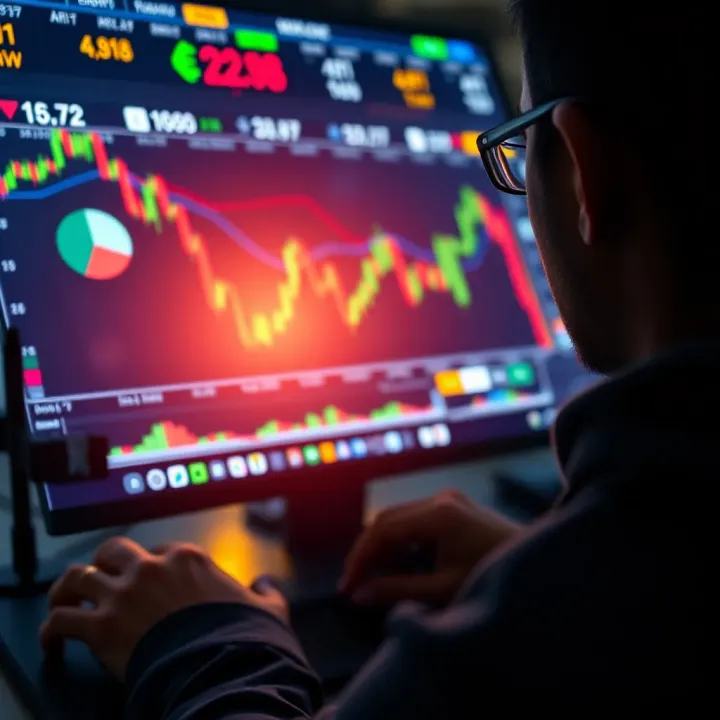
The FSCA requires banks offering forex services to be properly licensed and to provide clear disclosures about risks, fees, and account conditions. This oversight is especially relevant because the forex market can be very volatile. Traders benefit from this protection by avoiding scams and malpractices that can occur in less regulated environments.
South Africa’s foreign exchange controls are governed by the South African Reserve Bank (SARB) to regulate currency flows in and out of the country. These controls set limits on the amounts individuals and businesses can send abroad and the purposes for such transfers.
For practical purposes, this means that while you can trade forex through South African banks, there are strict rules on how much currency you may move internationally to fund your trades or repatriate profits. For example, individuals have an annual discretionary allowance and a foreign capital allowance they can use, beyond which approvals are needed. Knowing these restrictions ahead of time prevents delays or blocked transactions when trading forex.
Banks must comply with KYC and AML regulations to prevent misuse of the forex market for illegal activities. When you open a forex trading account with a South African bank, you’ll need to provide verified identity documents, proof of residence, and sometimes source of funds. This process is mandatory and helps the bank track and flag suspicious transactions.
From a practical standpoint, you should keep your documents up to date and be prepared for periodic verification checks. Traders who use offshore accounts or large sums should expect more scrutiny. It’s not just red tape; these checks protect you from being inadvertently involved in fraud or money laundering.
Both banks and traders have reporting duties to South African authorities. Banks report large or unusual forex transactions to the Financial Intelligence Centre (FIC) as part of their AML obligations. Traders, on the other hand, may need to declare income or gains from forex trading in their tax returns with SARS.
Maintaining proper documentation is vital. Contracts, trade confirmations, and bank statements should be stored carefully. This documentation can be crucial if tax authorities request proof of your forex activity or if any compliance questions arise. Being organised upfront saves you from headaches later on and ensures your forex dealings remain above board.
Navigating the regulatory framework may seem complex, but it safeguards both your investments and the wider financial system. Familiarising yourself with these rules early helps avoid unnecessary delays and ensures smoother trading with South African banks.
By sticking to the FSCA’s guidelines, understanding SARB’s exchange control regulations, and complying with KYC and reporting requirements, traders can engage confidently in forex trading here. This foundation supports a more professional, secure trading environment that benefits everyone involved.
South African banks play an essential role in forex trading, serving both as gateways to the international currency markets and as custodians of regulatory compliance. Choosing the right bank that supports forex trading can save you headaches with transfers, currency conversions, and compliance with exchange control rules. Since not all banks operate equally in the forex space, it's crucial to know which ones offer efficient and cost-effective solutions.
Standard Bank is one of the top players in forex services for both individuals and businesses. It offers dedicated forex trading accounts and multi-currency accounts that allow users to hold and transact in various foreign currencies. Standard Bank's experience in international markets often benefits traders who need smooth processing of forex payments and competitive exchange rates. For instance, if you’re a business importing goods from Europe, using Standard Bank’s forex services can streamline payments in euros directly from your Rand account.
FNB (First National Bank) features a range of forex accounts aimed at retail and commercial clients. It provides seamless online platforms for trading and managing forex transactions, which many South African traders find convenient. FNB also supports multi-currency options, allowing you to hold currencies like US dollars, British pounds, and euros within a single account. This flexibility helps investors take advantage of currency fluctuations without constant currency conversions.
Nedbank caters to forex traders with competitive rates and specialised forex accounts for investments and corporate trading. It offers tailored advisory services that can assist businesses in managing currency risks and planning foreign exposure. Nedbank’s corporate forex account options are well-suited for companies looking to hedge international contracts or manage overseas payrolls.
ABSA is another major bank providing forex trading facilities, including individual and business accounts designed for forex operations. ABSA’s strong digital banking system supports online forex transactions and real-time exchange rate updates. For those actively trading forex, having access to these digital tools can enhance responsiveness to market changes.
Individual forex trading accounts are geared towards private traders and investors. These accounts let you buy, sell, and hold foreign currency directly through the bank, which simplifies managing your forex positions without needing separate brokers. Many retail traders value the security and reliability of holding forex accounts with established banks, ensuring quick transfers to local trading platforms.
Business and corporate trading accounts focus on companies that require forex services to pay suppliers, receive foreign payments, or manage overseas investments. They offer higher transaction limits and specialised forex advisory to help with risk management. For example, an exporter selling locally made goods abroad would benefit from a business forex account that handles foreign currency receipts and provides hedging options.
Multi-currency and investment account options allow holders to maintain balances in several foreign currencies simultaneously and invest in forex-related financial instruments. This style of account is convenient for traders wishing to diversify their currency exposure actively or hold multiple currencies for planned travels or overseas purchases. Banks often tie these accounts to investment products, enabling access to international markets beyond cash forex trading.
Having the right bank and forex account type matters because it affects transaction costs, transfer speeds, and compliance ease—key factors for anyone serious about forex trading in South Africa.
Choosing a South African bank that understands forex trading plays a vital role in how effectively you can participate in currency markets while staying within local regulations. Knowing your banking options and their specific forex offerings puts you in a better position to manage costs, risks, and opportunities.
Opening a forex trading account with a South African bank is a critical step for traders who want to operate securely and smoothly within the country’s financial system. South African banks offer specialised forex accounts tailored to meet regulatory requirements and trading needs. These accounts provide direct access to foreign exchange markets while ensuring compliance with Exchange Control regulations set by the South African Reserve Bank (SARB).
Having a bank-backed forex account helps you avoid common pitfalls like delayed payments or unexpected transaction holds. It also means your trading activity will be monitored to prevent illegal forex dealings, giving you peace of mind. For instance, a trader using Standard Bank’s forex account can transact in multiple currencies, making it easier to manage trading across different time zones and markets.
To get started, you’ll need to provide some key documents. Expect to submit a valid South African ID or passport, proof of residence (like a recent utility bill), and sometimes proof of income or trading expertise. These documents help banks meet Know Your Client (KYC) standards, which prevents fraud and ensures identity verification.
In practical terms, getting these papers in order saves you headaches later. Without them, your account setup might be stalled or rejected. For example, if you apply at FNB, the bank requires these documents to verify your identity and confirm the source of your funds, aligning with Anti-Money Laundering (AML) rules.
After documentation submission, banks will verify your details. This can include electronic ID checks, verifying residence address, and sometimes a short interview or questionnaire about your forex trading experience. This vetting stage is essential for both regulatory compliance and your security.
Verification assures the bank that your forex activity is legitimate. It also helps prevent fraud and money laundering, which South African banks take seriously. For example, Nedbank might use online verification combined with manual review before granting full forex trading privileges.
Once verified, funding your forex account is next. Banks usually allow transfers from your primary cheque or savings account, but some also accept direct deposits or EFT payments from external sources. This flexibility is vital because traders frequently move funds to take advantage of market timings.
Local payments typically clear within a day, while international transfers might take 2-3 business days. South African banks also support real-time gross settlement (RTGS) for large value transfers, useful if you want to move big sums for trading quickly.
Managing forex transactions through your bank means understanding how money moves in and out. Local payments in South Africa usually process faster but must follow strict exchange control rules for forex accounts. International transfers require clearance through South African exchange control, handled by banks in line with SARB regulations.
For example, when sending forex profits offshore, you’ll need supporting documentation so your bank can report the transaction accurately. This helps you avoid unnecessary delays and ensures transparency with regulators. Being familiar with your bank’s forex payment workflows, such as those at ABSA or Standard Bank, minimizes disruptions.
Banks in South Africa impose daily or monthly transfer limits on forex accounts to manage risk and comply with exchange control. Limits vary depending on the bank and account type. For example, business accounts might have higher thresholds than individual traders.
Understanding these caps is crucial to prevent unexpected transaction rejections or holds. If you anticipate frequent large transfers, discuss your limits with your bank. Some offer tailored solutions or increase limits following additional compliance checks. For instance, FNB allows clients to apply for increased transfer limits after demonstrating consistent, compliant trading activity.
Opening and managing a forex account with a South African bank means navigating both practical banking steps and regulatory demands. Getting documentation right, understanding verification, funding methods, and transaction limits can save you time, cost, and frustration while supporting your trading goals.
Trading forex through South African banks involves more than just opening an account and making trades. You'll need to understand the practical aspects like costs, security, compliance, and potential challenges so you can navigate the market smoothly. Without this knowledge, even a seasoned trader might run into delays or unexpected fees that eat into profits.
Transaction fees are a key part of the forex trading picture. Banks typically charge fees for processing forex trades, which can differ depending on the bank and account type. For instance, Standard Bank and FNB have varying fee structures, sometimes charging a flat fee per trade or a percentage based on the transaction value. These fees can add up quickly if you execute many trades, so it’s smart to check your bank’s fee schedule and factor this in when calculating potential returns.
Currency conversion charges also impact your bottom line. When converting South African Rand (ZAR) into currencies like the US Dollar (USD) or Euro (EUR), banks add a conversion margin on top of the official exchange rate. This margin usually ranges from 1% to 3%, varying by bank and market conditions. Even small margins can matter on large trades. For example, converting R100,000 at a 2% margin means an extra R2,000 cost before your trade even begins to move. Traders often compare rates between banks and sometimes use specialised brokers to reduce these costs.
Proper security measures are essential for online forex banking. South African banks equip their platforms with multi-factor authentication — like one-time pins (OTPs) sent via SMS or app notifications — to prevent unauthorised access. Users should also be cautious with public Wi-Fi and keep their login details safe. A common mistake is using simple passwords or reusing passwords from other sites; this can make accounts vulnerable to hackers.
When it comes to avoiding fraud and scams, traders need to stay alert. Scammers might impersonate banks or forex brokers, trying to trick you into sharing sensitive information or making payments to fraudulent accounts. Always verify communications directly with your bank, never respond to unsolicited requests for banking details, and be wary of offers that seem too good to be true.
Staying vigilant and using secure banking channels can save you from costly mistakes and risks.
Exchange control restrictions in South Africa can sometimes slow down or limit forex trading. The South African Reserve Bank has rules on the amount of foreign currency residents can buy and transfer abroad. Usually, individuals may buy up to R1 million offshore annually under the single discretionary allowance, but going beyond that requires additional approvals. Be sure to plan your trades and transfers within these allowances or apply for the necessary permits early to avoid delays.
Bank delays and transaction holds also frustrate traders. Because forex involves international payments, clearance can take a couple of days, especially if compliance checks kick in. For example, Nedbank and ABSA might hold transactions for extra verifications if some document or detail appears missing. To minimise these delays, keep your documentation updated, promptly respond to bank queries, and consider discussing expected timelines with your bank advisor ahead of large transactions.
Navigating these practical considerations carefully will help you trade forex through South African banks more confidently and avoid avoidable hitches.
Discover top forex trading seminars in South Africa 🇿🇦. Learn how to pick the right one, what to expect, and weigh benefits against risks for smarter trading decisions 📈.
Explore how to trade forex the halal way in South Africa! Understand Islamic finance rules and practical tips for complying with Sharia standards 📈🌙
💹 Discover top free forex trading options in South Africa, including platforms, demo accounts, and strategies to trade smartly without risking your money.

📈 Discover how Forex trading sessions impact South African traders. Learn timing, market overlaps, and tips to optimize trading with local time zones. 🌍
Based on 10 reviews