
Forex Trading Seminars in South Africa: What to Expect
Discover top forex trading seminars in South Africa 🇿🇦. Learn how to pick the right one, what to expect, and weigh benefits against risks for smarter trading decisions 📈.
Edited By
Edward Sinclair
Forex trading, known formally as foreign exchange trading, is the buying and selling of currencies on a global market. This market operates 24 hours a day, five days a week, making it one of the most accessible financial markets out there. For South African traders, this means they can engage with forex whenever it suits their schedule, even outside standard banking hours.
One of the major advantages of forex trading is its high liquidity. The daily turnover for forex exceeds $6 trillion, ensuring that trades can be executed rapidly and with minimal price fluctuations. For example, a trader in Johannesburg can quickly enter or exit a position in the USD/ZAR pair without worrying about delays or large spreads because of the market’s vast volume.
Moreover, forex trading is accessible to individuals due to the low barrier of entry. Most brokers operating in South Africa accept modest initial deposits, sometimes as low as R1,000, allowing small-scale investors to participate. Online platforms like ThinkMarkets and IG provide user-friendly interfaces to monitor exchange rates and place trades.
This ease of access combined with the potential for significant profit attracts both novice and expert traders alike.
The forex market also offers diversity in trading options. Traders can speculate on a wide range of currency pairs, not just major ones like USD/EUR, but also emerging market pairs including ZAR/JPY or ZAR/GBP, which may present opportunities linked to regional economic shifts.
In addition, forex trading provides opportunities for leveraged positions. South African brokers often offer leverage up to 1:100 or more, amplifying the potential returns on investment. However, leveraged trades can also magnify losses, so sound risk management is essential.
Last but not least, the localisation of forex trading for South Africans means that currency moves affecting our economy—like changes in interest rates by the South African Reserve Bank (SARB) or commodity price shifts—can be directly reflected in trading opportunities. This local-global connection enables traders to apply their understanding of South African financial events alongside international developments.
Round-the-clock market access
High liquidity and timely trade execution
Low initial capital requirement
Diverse currency pairs with regional relevance
Opportunities for leveraged trading
For traders in South Africa, these factors combine to make forex a compelling market worth exploring with discipline and clear strategy.
Understanding the basics of forex trading lays the foundation for anyone interested in entering this fast-paced market. This section clarifies what forex trading entails and how the market operates, both of which are key for South African traders wanting to navigate forex effectively.
Forex trading involves buying and selling currencies to make a profit from fluctuations in exchange rates. Unlike shares or bonds, forex trades happen in pairs — for example, the South African rand (ZAR) against the US dollar (USD). When traders buy one currency, they sell another simultaneously, aiming to benefit from the changing prices between them. Consider a Johannesburg-based trader speculating that the rand will weaken against the euro (EUR); the trader can sell ZAR/EUR and potentially profit if the rand does indeed depreciate.
The forex market is not confined to a physical place or exchange but exists as a global network of banks, brokers, and traders interacting electronically. In practice, this means you can engage through online trading platforms that give you access to major and minor currency pairs alike.
The forex market operates 24 hours a day, five days a week, with trading sessions linked to financial centres worldwide such as Sydney, Tokyo, London, and New York. This continuous trading cycle allows South African traders to choose convenient times and adapt to fluctuating market conditions without waiting for a traditional opening bell.
Market prices depend on various factors: economic data, interest rate changes, geopolitical events, and market sentiment. For instance, a sudden announcement by the South African Reserve Bank (SARB) on interest rate adjustments can trigger rapid price movements in the rand's value.
Trading usually takes place via retail forex brokers who provide platforms for spot transactions, where the currency exchange happens almost immediately. Some brokers also offer access to futures and options tied to currency pairs, but spot forex remains the most common for individual traders.
The flexibility, combined with accessibility through smartphones and low initial capital requirements, makes forex trading a popular choice for traders in South Africa who want to engage with global markets from their homes.
In summary, knowing the nuts and bolts of forex trading helps you identify how to seize opportunities while managing risks. As you step into this market, understanding these basics ensures you’re not just reacting to price changes but acting with informed strategy and confidence.
High liquidity and market accessibility are two of the main draws for people stepping into forex trading. In a market like forex, where currency pairs change value every second, liquidity means you can enter or exit a trade easily without waiting around or having to accept a bad price. This fluidity matters especially for South African traders who need to move quickly to take advantage of price swings or manage their risks during turbulent economic times.
Market liquidity refers to how quickly and efficiently you can buy or sell a currency without causing a significant price change. In the forex market, liquidity is exceptionally high, as it’s the largest financial market in the world, with daily trade volumes exceeding US$6 trillion. What this means practically is that major pairs like USD/ZAR or EUR/USD can be traded almost any time without worrying about finding a buyer or seller.
For example, if you decide to trade the South African rand against the US dollar (USD/ZAR), the market usually has enough participants willing to buy or sell, so your orders get filled swiftly. This reduces the likelihood of slippage — when your trade executes at a different price than expected — which can eat into profits or increase losses. Traders also benefit from tighter spreads, meaning the difference between the buying and selling price is narrow, lowering transaction costs.
Thanks to technology and regulatory developments, South Africans have easier than ever access to international forex markets. Online brokers like IG, Plus500, and local entities authorised by the Financial Sector Conduct Authority (FSCA) allow traders to open accounts with modest minimum deposits and use advanced platforms.
These platforms offer real-time pricing, automated trade execution, and risk management tools like stop-loss orders. Mobile apps also mean you can monitor the markets and place trades wherever you are — whether on a stoep in Durban or during a lunch break in Johannesburg.
Plus, South African traders have access to regional payment options and convenient currency conversion services, helping to keep costs down and simplify the funding of trading accounts. The widespread availability of educational resources and demo accounts ensures that even those new to forex can start practising without risking real money.
High liquidity and easy market access help level the playing field, letting small retail traders compete alongside big institutions, which was unheard of a decade ago.
In short, the combination of deep liquidity and accessible platforms makes forex trading an attractive option that fits well with South African traders' needs, whether they’re seasoned investors or just starting out.
Forex trading offers distinct chances for traders to make gains, whether over the short term or the longer haul. Understanding these opportunities is key to creating a solid strategy that balances risk and reward.
The forex market’s 24-hour nature means you can find opportunities suited to various trading styles. Day traders might capitalise on small price movements within hours or minutes, taking advantage of economic releases or specific events that cause currency swings. For instance, when the South African Reserve Bank (SARB) announces an unexpected interest rate change, the rand may react sharply, creating short-term trading chances.
On the flip side, longer-term investors can focus on broader economic trends or political shifts. Say, a trader notices that South Africa is strengthening trade ties with China, which could boost the rand over months. By holding positions through such moves, investors seek to capture sustained trends rather than quick flips. Both approaches demand distinct risk management skills and patience levels.
Leverage is often mentioned in forex circles because it allows traders to control a large position with a relatively small amount of capital. South African brokers might offer leverage ratios upwards of 1:50 or even 1:100, meaning your R1,000 deposit could control R50,000 or R100,000 worth of currency.
However, leverage cuts both ways. While it boosts potential profits, it also amplifies losses. For example, a 1% price move in your favour on R100,000 worth of a currency could net you R1,000. But a similar move against you wipes out the same amount. Without careful risk limits such as stop-loss orders, traders can face rapid depletion of their balance.
Practical tip: Always assess how much you stand to lose before entering a trade. Use leverage cautiously rather than chasing large returns without a solid plan.
To sum up, forex trading presents diverse profit opportunities ranging from quick gains during market volatility to long-term plays based on economic cycles. Leverage magnifies these possibilities but must be managed carefully. For South African traders, combining awareness of local economic signals with disciplined execution is essential to tapping into forex's profit potential effectively.
One standout advantage of forex trading is its flexibility, which suits traders juggling busy schedules or managing investments alongside a full-time job. This flexibility isn't just about when you trade but also where you do it from and how easily you can enter or exit the market. For South African traders, this means the forex market offers a unique chance to engage with global currencies without the strict confines typical in stock trading.
Forex markets operate 24 hours a day from Monday to Friday, opening in the Asia-Pacific region, moving through Europe, and closing in North America. This round-the-clock trading accommodates South Africans living in different provinces with diverse daily routines. For example, an Johannesburg-based trader can open positions in the early morning and still manage trades late in the evening when shifts at work don't clash with market hours.
Unlike traditional stock markets that close once the business day ends, forex allows you to react to global economic events as they unfold, no matter the hour. That means if unexpected news breaks at 10 pm SAST, you don’t have to wait till the next morning to make your move. This freedom helps traders respond swiftly to market changes, potentially improving outcomes.
You don't need a fancy office or expensive setup to trade forex. Most brokers offer mobile-friendly platforms that run smoothly on smartphones and laptops. A trader in Durban can execute trades from a local coffee shop or even while late at night in Cape Town. All you require is a decent internet connection.
This convenience is especially valuable in South Africa, where loadshedding can disrupt planned trading hours. With the ability to trade anywhere, you can switch locations quickly if power fails, or use mobile data as a backup. The forex market's digital nature means you’re not tied to physical locations like banks or investment firms.
For many South African traders, the ability to trade flexibly around their commitments and from anywhere with internet access significantly broadens their opportunities and control.
In summary: The flexibility of trading hours and the convenience of remote access combine to make forex trading a practical option for many South Africans. It grants control over your investment decisions, fitting neatly into your lifestyle rather than forcing you to rearrange everything for the market.
Managing risk effectively is vital in forex trading to safeguard capital and ensure long-term success. The volatile nature of currency markets means losses can escalate quickly without proper precautions. That said, forex trading offers several tools and resources to control exposure and build confidence through continuous learning.
Risk management tools are essential for maintaining control over trades. Stop-loss orders, for instance, automatically close a trade at a predetermined price to limit losses if the market moves unfavourably. Take-profit orders work similarly but lock in gains when a target price is reached. For example, a trader dealing in USD/ZAR could place a stop-loss 2% below the entry price to cap potential losses.
Traders can also use position sizing to regulate the amount of money risked per trade. Rather than risking a fixed amount, many prefer a percentage-based approach — commonly around 1-2% of their trading capital — to avoid blowing the account on one bad trade. Forex brokers often provide margin calls and negative balance protection, which are designed to prevent losses beyond the trader's account balance, a feature particularly relevant in South African brokers regulated by the Financial Sector Conduct Authority (FSCA).
Continuous learning forms the backbone of successful forex trading. Markets evolve, and so must traders' strategies and knowledge. South African traders have access to a range of educational materials, from live webinars and tutorials offered by brokers like IG Markets and CM Trading to community forums on platforms like MyBroadband, where practical insights circulate among peers.
Besides broker-provided resources, independent courses and books focusing on chart analysis, fundamental economics (such as how SARB policies affect rand volatility), and psychological discipline aid skill development. Practical experience combined with education helps traders read market signals and recognise patterns — such as how overnight risk can spike during Eskom load-shedding seasons.
Proper risk management paired with ongoing education isn't just smart; it's necessary for anyone serious about forex trading in South Africa's dynamic economic environment.
By using the right tools and dedicating time to learning, traders can better navigate the complexities of forex markets and protect their investments over time.
Discover top forex trading seminars in South Africa 🇿🇦. Learn how to pick the right one, what to expect, and weigh benefits against risks for smarter trading decisions 📈.
Explore how to trade forex the halal way in South Africa! Understand Islamic finance rules and practical tips for complying with Sharia standards 📈🌙
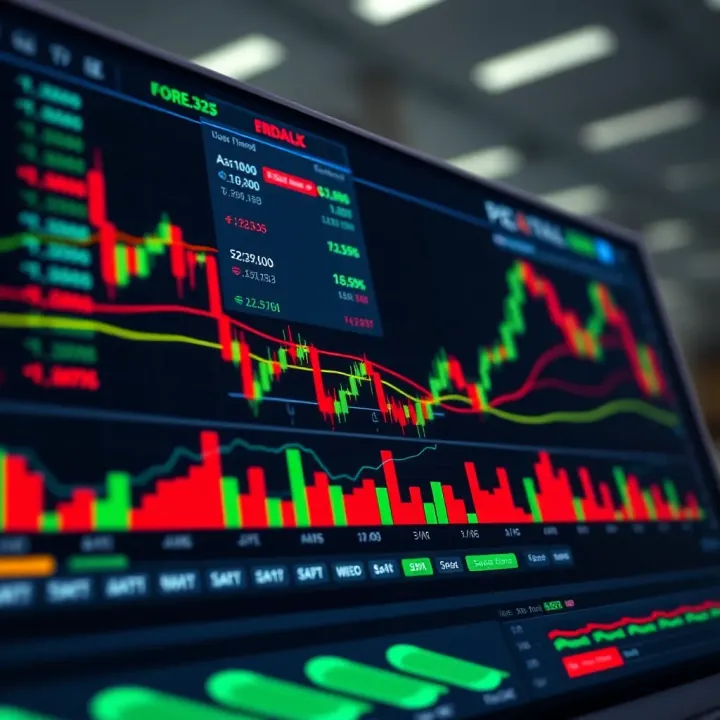
💹 Discover top free forex trading options in South Africa, including platforms, demo accounts, and strategies to trade smartly without risking your money.
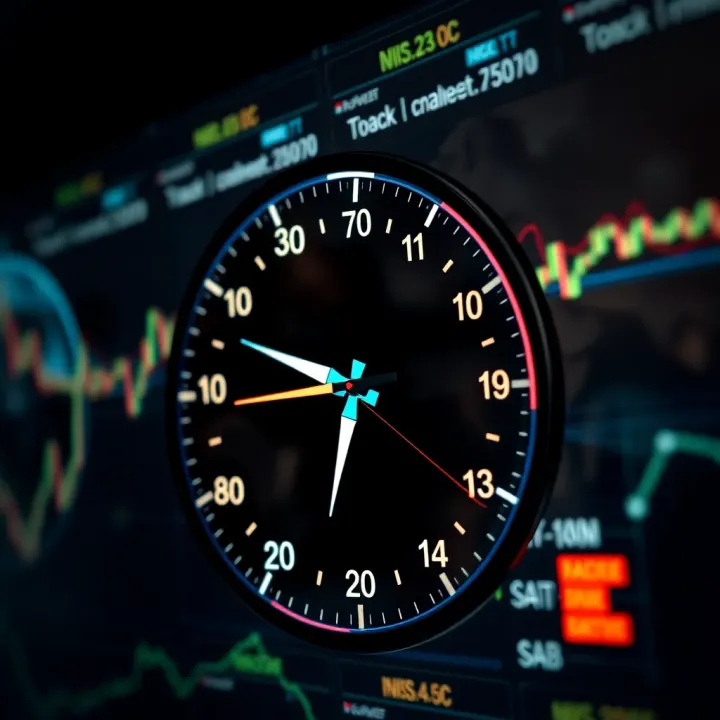
📈 Discover how Forex trading sessions impact South African traders. Learn timing, market overlaps, and tips to optimize trading with local time zones. 🌍
Based on 8 reviews