
Best Forex Trading Apps in South Africa
Find the best forex trading app in South Africa 🇿🇦! Compare features, security, and tips to start trading confidently and manage risks wisely 📈💼.
Edited By
Edward Sinclair
Choosing the right app to trade forex in South Africa isn’t just about picking the flashiest one on the shelf. You need software that matches your trading style, keeps your money safe, and won’t bleed your account dry with hidden charges.
When searching, focus first on security. South African traders should opt for apps regulated by financial authorities like the Financial Sector Conduct Authority (FSCA). This reduces the risk of scams and ensures compliance with local laws. For example, platforms like IG and EasyEquities offer FSCA approval alongside strong encryption protocols.
Next, look at the fees and costs. Some apps might seem cheap upfront but charge hefty spreads or commissions per trade. Others might have monthly subscription fees. For instance, many beginners find PayFast’s integration convenient, but the forex platforms linked often have varied fee structures that can catch you off guard.
Usability matters, too. If you’re new to forex, an intuitive app with clear charts, simple navigation, and educational resources will help you get started without feeling overwhelmed. More advanced traders might prioritise customisable interfaces and sophisticated tools like automated trading or economic news feeds.
Lastly, consider how well the app suits South African market nuances. Features like ZAR account support, local deposit and withdrawal options, and compatibility with domestic payment methods save time and money. Using an app that integrates EFT from local banks or supports SnapScan for deposits, for example, can avoid foreign exchange fees and delays.
A trustworthy forex trading app blends security, cost-effectiveness, usability, and local market compatibility to give you peace of mind and a smoother trading experience.
To sum up, the best app for forex trading in South Africa is one that checks these boxes:
FSCA-regulated and strong data security
Transparent and reasonable fees
User-friendly but powerful trading tools
Supports Rand transactions and local payments
With these in mind, you’re better positioned to grow your trading skills and manage risks without the hassle.
Understanding forex trading apps is key for anyone serious about trading currency pairs in South Africa. These apps bridge the gap between you and the global forex markets, allowing you to trade on-the-go, access crucial market data, and manage your portfolio in real time. They not only provide access to the market but also offer analytical tools, risk management features, and order execution capabilities that can influence your trading success.
Trading apps have become essential because the forex market never sleeps—it operates 24 hours across different time zones—so staying connected is crucial. Whether you're in Johannesburg catching up between meetings or in Durban sitting at a café, these apps keep the market within your reach.
Forex trading apps open the door to buying and selling currencies from around the world anytime you want. For example, if the rand suddenly weakens against the US dollar due to economic data released in the States, you can react immediately rather than waiting to reach a desktop computer.
Having direct market access means you aren't relying on brokers to execute trades during office hours alone. This round-the-clock availability is vital in forex because price movements can happen fast and opportunities might vanish in minutes.
Most trading apps provide real-time price visuals, showing fluctuations as they happen. For instance, technical traders might use candlestick charts to spot trends or reversals, while others use overlays like moving averages.
These tools don’t just look pretty; they help you make informed decisions, like when to enter or exit a trade. Some apps even send automatic alerts when a currency hits a specific price, helping you stay ahead without staring at the screen all day.
A trading app isn’t worth much if it can’t swiftly process your orders. Good apps ensure that market, limit, and stop orders go through fast with minimal delays. Say you want to set a stop-loss to limit risk on a rand/euro trade—having a responsive app means you won’t be left exposed if the market swings suddenly.
Order management features also include ability to modify or cancel orders from your mobile device, giving you control whether you're at home or commuting.
Mobile apps offer unmatched convenience, letting you monitor and trade forex anywhere, anytime. For South African traders, this means you can keep an eye on the rand during commuting hours or while at a friend's braai.
The smaller screen can sometimes limit complex analysis, but for quick decisions and trade execution, mobile apps are perfect. They fit a busy lifestyle without tying you to a desk.
Desktop versions typically offer a broader set of features—advanced charting, custom indicators, and extensive backtesting options. Professionals who perform deep technical analysis or strategy development often prefer desktops due to bigger screens and more processing power.
For example, a trader might use a desktop app during office hours for detailed research and then switch to the mobile app to execute trades or monitor the market on the move.
Most modern trading apps sync your settings, watchlists, and open positions across devices seamlessly. So, if you set a watchlist for USD/ZAR on your desktop at home, it will appear on your mobile while you're on the taxi wining way to work.
This sync ensures you’re always in the loop and can react instantly no matter what device you're using. It keeps your trading streamlined and avoids the frustration of duplicated effort or missed alerts.
Trading apps are not just tools; they're your gateway to global currency markets—being able to understand and use both mobile and desktop platforms effectively can make a big difference in your trading results.
When you're picking a forex trading app, especially in South Africa where market access and local conditions matter, certain features aren’t just nice-to-haves—they're crucial. A good app doesn’t only let you trade; it should make trading manageable, informative, and secure. From a user-friendly interface to robust order execution, every piece plays a part in helping traders of all levels make smarter decisions.
A well-designed forex app should be straightforward to use. Traders can’t afford to waste time searching for tools or orders, especially when market moves happen fast. Simple menus, clear labels, and logical layout reduce mistakes and help you act quickly. For example, if you’re trying to close a losing position fast, clunky navigation can cost you dearly.
No two traders are the same, so your app should let you tailor the dashboard to fit your style. Whether you prefer charts up front or watchlists, the ability to arrange and resize different modules lets you focus on what matters most. For instance, you might want your macro news feed side-by-side with live price action for USD/ZAR, so you don't miss sudden shifts tied to local economic announcements.
South Africa is a diverse place with 11 official languages, so a forex app offering multiple language settings could be a real boon. This helps traders who aren’t comfortable with English to interact confidently with the app, reducing errors and increasing accessibility. Apps supporting isiZulu, Afrikaans, or isiXhosa, for example, can reach a wider local audience.
Charts are the backbone of forex trading, and good apps supply plenty of technical indicators like moving averages, RSI (Relative Strength Index), or MACD (Moving Average Convergence Divergence). These tools help you spot trends and possible reversals. Quick access to drawing tools—trendlines, Fibonacci retracements—adds another layer of insight, crucial for traders relying on technical analysis.
Currencies can move sharply based on news, so integrated news feeds tailored to forex markets are vital. Updates from trusted sources, especially those relevant to South African markets like SARB (South African Reserve Bank) reports or political developments, allow traders to anticipate or react promptly. Understanding economic fundamentals goes beyond charts; it links price moves to real-world events.
Connected economic calendars highlight upcoming events like interest rate decisions, employment figures, and GDP releases. This not only helps you plan trades around volatile moments but also aids in risk management. For instance, knowing the exact date and time of a SARB repo rate announcement can help you decide whether to enter or step back from trades.
A good app offers several order types that match different strategies. A market order lets you buy or sell immediately at the current price, while limit orders execute only at your chosen target price, saving you money in volatile markets. Stop orders help protect profits or limit losses by triggering trades at specific prices. Having all three available on your app is non-negotiable.
Fast order execution is vital—milliseconds can make a big difference when the rand-dollar rate swings. Low-latency apps reduce the chances of slippage, where your order fills at a less favourable price. Reliability also means your trades go through even if the network is patchy, a practical concern in some parts of South Africa.
Stop-loss, take-profit triggers, and trailing stops give you control over risk without watching the market 24/7. For example, if you want to limit losses on a volatile USD/ZAR position, setting a stop-loss shields your capital. Some apps also provide margin calculators or alerts when your account hits a critical equity level, which helps you avoid unexpected liquidations.
An app that lacks any of these features could leave you exposed or blind to shifts in the market. Paying attention to this feature set not only improves your chances to trade successfully but keeps your capital safer.
In South Africa’s dynamic forex space, an app’s features can directly influence your trading results. Evaluate these aspects carefully to find one that suits your approach and local conditions.
Forex trading involves handling real money and sensitive personal information, making security and regulatory compliance non-negotiable when choosing an app. Traders in South Africa should understand how these factors protect their funds and data, while ensuring the platform operates within legal frameworks.
Two-factor authentication (2FA) adds an extra layer of security beyond just a password. It usually means you need to enter a code sent to your mobile or generated by an app like Google Authenticator, alongside your login details. This guards against unauthorised access even if someone guesses or steals your password.
This feature is essential because simple password protection alone is often not enough. South African traders have reported phishing scams where attackers trick users into handing over credentials. 2FA helps prevent such breaches and is a must-have in any trustworthy forex app.
Data encryption standards protect your information from interception during transmission. Look for apps that use at least 256-bit SSL (Secure Sockets Layer) encryption, which scrambles your data so outsiders cannot easily read it. Good encryption covers both financial transactions and personal details like ID numbers or banking info.
Without proper encryption, your confidential data might be exposed if the platform’s servers or your internet connection are compromised. Regulators and experienced brokers usually require high encryption standards to safeguard traders.
Safeguards against fraud involve several measures including account monitoring, suspicious activity alerts, and limits on withdrawals. For instance, if an app detects logins from unusual locations or multiple failed login attempts, it might freeze account activities temporarily.
Additional fraud protection can include insurance policies by the broker or segregated client accounts to ensure funds are kept separate from company money. These steps protect both the broker's integrity and the client’s investments.
FSCA regulation and registered brokers are vital for trustworthiness. The Financial Sector Conduct Authority (FSCA) regulates forex brokers in South Africa. Choosing an app associated with an FSCA-registered broker ensures the platform follows local laws, adheres to fair trading practices, and submits to oversight.
You can verify if a broker or app provider is registered on the FSCA’s public register. Operating without licensing means you risk dealing with unregulated entities that may disappear with your money.
Compliance with RICA and POPIA relates to legal obligations on identity verification and personal data protection. The Regulation of Interception of Communications and Provision of Communication-Related Information Act (RICA) requires brokers to verify traders’ identities to prevent fraud and money laundering.
Meanwhile, the Protection of Personal Information Act (POPIA) governs how your data is collected, stored, and used. Apps compliant with these laws demonstrate responsible handling of your private information, reducing risks of data misuse.
Importance of transparency and accountability means brokers and apps should clearly disclose their terms, fees, and risks involved. Transparency builds trust and helps you make informed decisions without hidden surprises.
Accountability means there should be accessible customer support and a clear complaints process. In South Africa, FSCA-regulated entities are expected to uphold these standards, giving you avenues to resolve issues if things go wrong.
When security and regulation are prioritised, you reduce risks significantly and trade with confidence, knowing your funds and data are guarded within South Africa’s legal framework.
Choosing a forex trading app without checking these factors is like leaving your door unlocked in a busy township — unnecessary and risky. Always verify security features and licensing before committing real money.
When choosing a forex trading app in South Africa, understanding the costs involved and the types of accounts available is essential. These factors directly influence your trading experience and potential profitability. Different fees can eat into your gains, while the right account type can suit your trading style and goals. Let’s break down these aspects to help you make an informed decision.
Spreads and commissions are the primary costs traders face. The spread is the difference between the buying and selling price of a currency pair. For example, if the EUR/USD spread is 2 pips, it means the broker makes their money within that difference. Some brokers offer tight spreads but charge commissions on trades, while others include fees solely in the spread. Both approaches affect your cost per trade, so you want a broker with fees that align with your trading frequency and style.
Withdrawal and deposit charges can vary widely. Some apps offer free deposits and withdrawals, especially when using South African banks and Electronic Funds Transfer (EFT), while others may levy fixed fees or a percentage of the amount. For example, a R50 charge per withdrawal can quickly add up for active traders. It’s practical to check whether your preferred payment methods carry extra costs, as these can impact your overall expenses.
Inactivity or maintenance fees are less obvious but can catch traders off-guard. Some brokers charge monthly fees if your account lies dormant for a certain period, typically 3-6 months. If you’re a part-time trader or like to take breaks, these fees can reduce your balance over time. Always read the fine print or terms of service so you’re not surprised by such charges.
Demo and trial accounts let you practise without risking real money. This is a must for beginners getting familiar with forex trading platforms or strategies. For instance, most apps offer demo accounts with virtual funds and real market data, allowing you to test execution speeds and interface usability before committing. Even experienced traders use demo accounts to test new tactics.
Micro and standard accounts cater to different budget sizes. Micro accounts allow trading with as little as R100 to R500, ideal for people starting out or testing the waters. Standard accounts require larger deposits, often above R5,000, and suit seasoned traders who want to open larger positions and access premium features. Choosing the right account size helps manage risk and ensures you don’t overextend financially.
Islamic and swap-free accounts address specific trader needs, especially for those who follow Islamic finance principles prohibiting interest (Riba). These accounts exclude overnight swaps and adjust fees accordingly. If this aligns with your beliefs, it’s worth confirming the app or broker offers such accounts so you can trade comfortably within your religious guidelines.
Considering fees and account types carefully not only saves you money but also tailors your trading experience to suit your needs and style. Check these details early to avoid surprises later.
Choosing an app that clearly outlines its costs and offers account options that match your status as a trader will make your forex journey smoother and more enjoyable.
Choosing the right forex trading app is a key step for South Africans looking to trade effectively and securely. The app not only needs to offer robust tools but also should accommodate local payment methods and currency preferences, helping traders avoid unnecessary fees or delays. This section looks at popular platforms accessible in South Africa, highlighting how they combine global reach with local practicality.
MetaTrader 4 and 5 are frontrunners among forex traders worldwide, including many in Mzansi. MT4 is well-known for its user-friendly interface and extensive charting tools, making it popular for beginners and experienced traders alike. Its successor, MT5, builds on this with more asset classes as well as deeper market depth data. Both versions are broadly supported by South African brokers, allowing traders to open accounts denominated in rand and access local liquidity providers. This direct local access means faster execution and fewer currency conversion fees, which is a practical advantage domestically.
cTrader appeals to traders who want a sleek platform with intuitive tools for technical analysis and algorithmic trading. It offers advanced charting and order management, plus streamlined navigation that suits active traders. The platform’s strong focus on transparency and level II pricing helps South African traders monitor spreads and trading conditions clearly. Moreover, cTrader supports integration with South African brokers that accept local deposits, offering a seamless bridge between global technology and the local financial environment.
IG Markets is another globally respected name that provides South African users with direct market access. IG’s app is notable for extensive educational resources, which are handy for new traders keen on learning about forex intricacies. It also offers competitive spreads and supports trading in multiple currencies, including ZAR. Because IG directly supports South African clients, they benefit from tailored customer support and payment methods designed for local ease.
Using forex apps that support local currency and payment options can significantly smooth the trading process. Local deposit and withdrawal options are essential to avoid costly and slow international transfers. Many apps now allow funding accounts via instant EFT (electronic funds transfer), which speeds up deposit times and helps traders react quickly to market moves without waiting days for funds to clear.
Integration with South African banks adds another layer of convenience. Apps that support direct transfers to and from major banks like FNB, Standard Bank, and Absa reduce the friction brokers face updating client balances. This is particularly important during times when managing liquidity is critical, such as during volatile market sessions or Eskom load-shedding when online services might be interrupted.
Moreover, support for popular payment methods like EFT and major credit or debit cards ensures accessibility for all trader types. Whether someone prefers the security of card payments or the speed of instant EFT, having diverse options minimises barriers to trading and helps maintain control over funds. Some platforms also support mobile wallets popular in South Africa, making the experience even smoother.
Choosing a forex app with strong local support—from currency handling to payment channels—helps South African traders stay agile and avoid unnecessary fees or complications that can eat into profits.
Altogether, these platforms and payment setups create a practical ecosystem that blends the best of global forex opportunities with South African realities, making daily trading a more manageable and rewarding experience.
Knowing how to pick and make the most of your forex trading app can save you time, money, and stress. You need to find an app that fits your style, offers solid performance, and supports your decision-making. In South Africa, where trading conditions can be impacted by local banking systems and occasional loadshedding, having an app that works reliably and helps you stay sharp is key.
Using demo accounts to practice is a smart first step in forex trading. Most reputable platforms, like MetaTrader 4 or IG Markets, offer demo accounts that simulate real trading without risking your cash. This way, you can familiarise yourself with the app’s interface, experiment with strategies, and get a feel for order types. For instance, you might test how stop-loss orders work during volatile rand-dollar shifts without losing real money.
Assessing app reliability and speed is absolutely necessary. Slow apps or those that crash mid-trade can cost dearly, especially when you're trading fast-changing pairs such as ZAR/USD. Try using the app at different times of day and network conditions to see if it handles price updates promptly and executes orders without lag. An unreliable app on a bad day can wipe out potential profits.
Checking customer support responsiveness is another practical consideration. Whether you face an account issue or confusion over fees, quick and clear help makes a world of difference. In South Africa, where banking and financial regulations can shift, having local support available during your trading hours helps you get issues fixed without losing precious time.
Setting alerts and notifications ensures you won't miss critical market moves. For example, you might want alerts when the rand hits certain levels against the euro or when an economic event like an SARB interest rate decision is due. Timely notifications let you act faster, whether to open, close, or adjust trades.
Creating watchlists is a handy feature to watch currency pairs or commodities side by side. You could track the South African rand alongside oil prices or the US dollar index, helping you spot trends or correlations. This keeps your focus tight and trading decisions sharper.
Managing risk settings within the app safeguards your investments. Many trading apps let you set default stop losses or limit order sizes, which can prevent drastic losses during sudden rand volatility. For instance, setting a maximum exposure per trade or automatic close-out rules helps you maintain discipline and protect your capital.
Remember, no app can substitute for solid knowledge and good risk habits. The right app simply helps you stay ahead and keep control in the fast-paced forex arena.
By thoroughly testing your options and personalising your trading environment, you increase your chances of success and reduce costly mistakes. Forex trading in South Africa is accessible, but it demands strategy—and a reliable app tailored to your needs.
Find the best forex trading app in South Africa 🇿🇦! Compare features, security, and tips to start trading confidently and manage risks wisely 📈💼.
📱 Discover the best free forex trading apps in South Africa! Learn about features, security, pros & cons, plus tips to choose the perfect app for you.
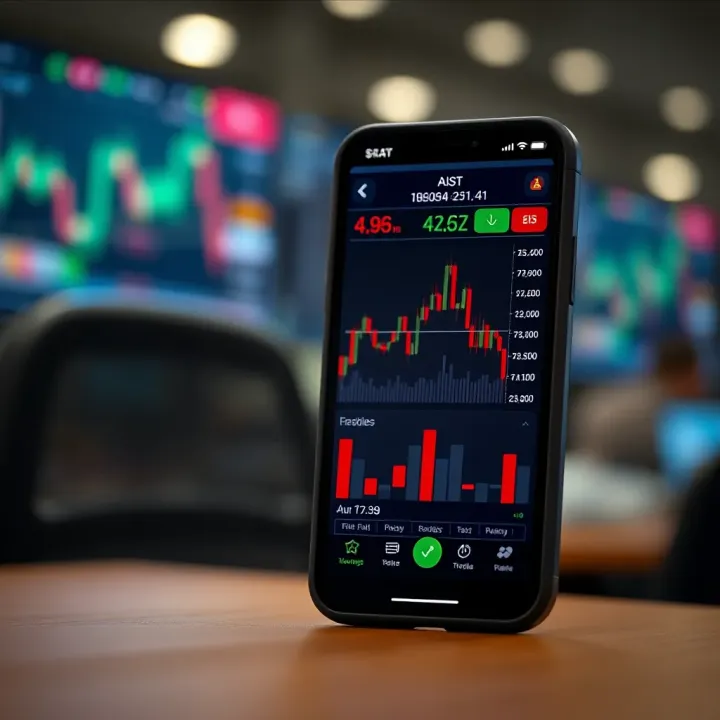
Discover the top trading apps in South Africa 📱, learn key features, understand regulations 🛡️, and find the best fit for your trading style and goals 📈.

Discover top forex trading seminars in South Africa 🇿🇦. Learn how to pick the right one, what to expect, and weigh benefits against risks for smarter trading decisions 📈.
Based on 15 reviews