

Forex Trading Seminars in South Africa: What to Expect
Discover top forex trading seminars in South Africa 🇿🇦. Learn how to pick the right one, what to expect, and weigh benefits against risks for smarter trading decisions 📈.
Edited By
Isabella Reed
Choosing the right forex trading platform in South Africa isn’t just about picking one with flashy features or the lowest spreads. It’s about finding a tool that fits your trading style, respects local regulations, and operates transparently. For anyone looking to dive into forex markets here, the platform you choose can make or break your trading success.
South African traders must be mindful of regulatory requirements set out by the Financial Sector Conduct Authority (FSCA), which oversees forex brokers to ensure fair play and safety of funds. Platforms not authorised by the FSCA pose higher risks, including potential difficulties with withdrawals or unfair practices.

Beyond regulation, consider how intuitive the platform’s user interface is. Reliable platforms offer straightforward navigation, clear charting tools, and live market data without lag. For example, MetaTrader 4 (MT4) and MetaTrader 5 (MT5) remain popular locally because they provide a good balance of functionality and ease of use, supporting automated trading strategies alongside manual trades.
Costs also matter. Watch out for hidden fees such as overnight financing, deposit/withdrawal charges, or currency conversion costs that can eat into your profits. Some platforms offer zero commission but widen spreads, so comparing total trading costs rather than just headline fees is key.
Most South African brokers provide access to localised payment options — EFTs, credit/debit cards, and sometimes even instant e-wallets like SnapScan. Fast access to funds can save headaches, especially in volatile markets.
A simple checklist: Is the platform FSCA-registered? Does it suit your experience level? What are the total costs? How is its access to South African payment methods? These questions sharpen your choice and set you up for more confident trading.
Remember, no single platform suits everyone. Whether you’re a part-time trader looking to experiment or a professional executing high-frequency trades, understanding your priorities and constraints will help you pick a platform that works for you in the South African context.
Understanding how forex trading platforms work is essential for South African traders aiming to navigate the complex currency markets effectively. These platforms are more than just interfaces; they are the gateway through which you execute trades, analyse market trends, and manage risk. Getting familiar with the tools and options available makes it easier to tailor your trading approach to your personal strategy and trading goals.
At its core, a forex trading platform provides a space where traders can buy and sell currency pairs. It connects you to global forex markets, showing real-time price quotes, enabling you to enter or exit trades, and providing charting tools that help you track currency movements. For instance, if you're trading the USD/ZAR pair, the platform shows how the rand is performing against the US dollar throughout the trading day, allowing you to make timely decisions. Platforms also often include risk management tools, such as stop-loss orders, which are crucial for protecting your capital in volatile markets.
Desktop applications install directly onto your computer and typically offer robust functionality with faster execution speeds. Many traders prefer them for intensive analysis and day trading because of their stability and comprehensive toolsets. MetaTrader 4 (MT4) and MetaTrader 5 (MT5) are prime examples popular among South African traders for their in-depth charting capabilities and expert advisor options.
However, desktop platforms require installation and updates, which might be a downside if you frequently switch devices or prefer immediate access without downloads. Also, being tethered to one device can be limiting if you're often on the move.
Web-based platforms run directly through internet browsers without requiring any downloads, making them accessible from virtually any device with internet access. This flexibility is a big plus for traders in South Africa who may not always have access to their main trading device. Brokers like IG and ThinkMarkets offer intuitive web platforms that balance usability with essential trading functions.
While generally slightly slower than desktop applications, modern web platforms often provide enough speed and features for most retail traders. They're also easier to maintain, having updates applied centrally, so you’re always working with the latest version.
Mobile apps have become a must-have for busy traders who need to keep an eye on markets while commuting or away from their desks. South African traders often rely on apps from brokers like ZuluTrade, MT5, and various local providers to get real-time alerts, place quick trades, and review charts. These apps typically offer a streamlined experience prioritising essential functions but might lack the advanced analysis tools found on desktop versions.
The convenience of mobile trading comes with some trade-offs: smaller screens can make detailed chart analysis challenging, and unstable mobile data can occasionally impact execution speed. Still, they’re invaluable when immediate action is necessary during volatile times or sudden market moves.
Choosing the right type of forex trading platform depends on your trading style, how often you trade, and whether you need access while on the go. Recognising the strengths and drawbacks of each platform type helps you pick one that fits your routine and trading needs.
Choosing the right forex trading platform involves more than just picking one that "looks good." The platform's key features determine your trading experience and, ultimately, your success in the fast-moving forex markets. For South African traders, these features can influence how well you navigate local trading conditions, from managing volatility to mitigating data costs. Let's break down what to look out for.
A straightforward, well-organised interface matters a lot, especially when you need to make split-second decisions. Platforms like MetaTrader 4 thrive because even beginners can quickly place orders or check charts without hunting through cluttered menus. Consider whether the platform offers customisable layouts to suit your workflow. For example, being able to have your watchlist, news feed, and order panel in one view cuts down wasted time and prevents costly mistakes.
Most South African traders expect access to major pairs like USD/ZAR and EUR/USD, but it’s handy to check if your platform offers a broad range of pairs, including minors and exotics. Platforms with a wider instrument catalogue, like IG Broker, let you diversify by trading commodities or indices alongside forex. This flexibility is valuable if you want to hedge risk or capitalise on opportunities across markets.
Quality charting tools are a must-have for analysing trends and timing entries. Make sure the platform provides a variety of technical indicators, drawing tools, and different chart types. Some platforms integrate news alerts and economic calendars to keep you informed on local and global events affecting the rand. For instance, ThinkMarkets includes advanced charting and access to Trading Central research for added insight.
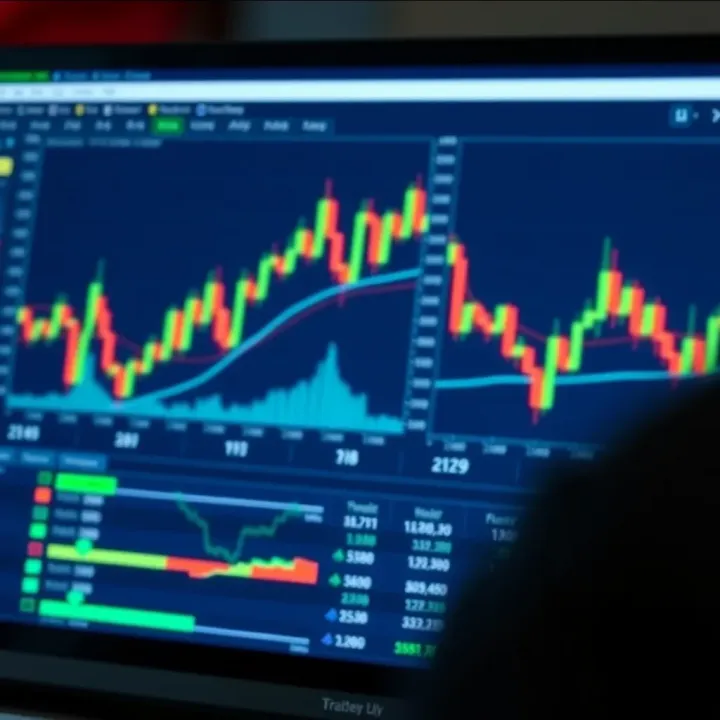
Forex markets move fast, so delays can cost you. South African traders should confirm a platform's execution speed, especially during volatile periods when Eskom’s loadshedding may disrupt connectivity. Some brokers using MetaTrader 5 report faster executions and fewer requotes compared to older versions. Check reviews or test the platform’s demo for responsiveness to avoid frustration.
Fast execution isn’t just about speed; it’s also about consistency – you want trades executed at your intended price to avoid slippage.
Security can't be overlooked. Your platform should comply with South African data protection laws like the Protection of Personal Information Act (POPIA). Look for features such as two-factor authentication, encryption of data transmissions, and secure password protocols. FSCA-licensed brokers usually adhere to these standards. In an age of cyber threats, never ignore how a platform safeguards your account and personal info.
Picking a forex platform by weighing these features lets you trade with confidence, minimising hiccups along the way. With the right tools at your fingertips, you’re better placed to respond to market moves and manage risks effectively.
Understanding the regulatory landscape is fundamental when choosing a forex trading platform in South Africa. It serves as your first line of defence against unscrupulous brokers and helps ensure your investments are safeguarded. With many platforms accessible globally, the local regulations provide clarity over who operates legitimately within South African borders.
The Financial Sector Conduct Authority (FSCA) is the main watchdog overseeing forex trading in South Africa. Its role is to monitor financial markets, enforce compliance, and protect investors against misconduct. When a broker is FSCA-licensed, it means they must adhere to strict rules concerning client fund security, transparency, and fair trading practices. For example, FSCA-regulated brokers must keep client funds separate from their own, reducing the risk of losing money if the broker collapses.
Besides helping prevent fraud, the FSCA also offers recourse if disputes arise. Traders dealing with an FSCA-registered broker can lodge complaints which may lead to investigations or mediation. Hence, the FSCA is an important pillar that bolsters confidence for South African forex traders.
When vetting forex brokers, confirming their regulatory credentials is non-negotiable. Apart from checking for FSCA licences, examine the broker’s registration details and licence number publicly available from the authority's database. Some platforms may tout offshore licences, like those from the Seychelles or the Cayman Islands, which offer less robust protection—often a red flag.
Look for details on their compliance with key regulations such as the Financial Intelligence Centre Act (FICA) for client verification and the Protection of Personal Information Act (POPIA) for data privacy. These elements demonstrate the broker’s commitment to lawful and responsible business.
Unfortunately, the forex market attracts scammers offering unrealistic returns, convincing novices to invest large sums upfront. Be wary of brokers promising guaranteed profits or pressurising you into quick decisions. Another scam involves fake platforms that mimic legit brokers' websites but are designed simply to steal money or personal information.
To avoid falling prey, stick to FSCA-regulated brokers and confirm their licenses beforehand. Also, use demo accounts to test trading platforms without risk before committing real money. Check reviews from reputable South African sources and forums where traders share experiences. Remember, if it looks too good to be true, then it probably is.
Always verify your broker's regulatory standing to guard your investments and ensure transparent trading. The FSCA is your best source for reliable, up-to-date information on authorised forex brokers in South Africa.
Selecting a forex platform without understanding the local regulatory framework is like sailing out without a compass. Knowing who governs these brokers and what licences they hold helps you trade more confidently and reduces the chances of getting caught in a scam.
Choosing a popular forex trading platform matters because it often reflects a blend of reliability, user experience, and community trust—crucial for South African traders who face unique challenges such as fluctuating rand exchange rates and regulatory nuances. Familiar platforms also tend to offer localised support, which can make a difference when navigating deposits, withdrawals, or issues linked to South African banking systems.
South African traders face a choice between local and international forex platforms. Local platforms typically offer better alignment with South African financial regulations and ease of fund transfers through familiar banks like FNB, Standard Bank, and Absa. They may also provide metered support tailored to the local context, handling issues like SARB forex controls or POPIA (Protection of Personal Information Act) compliance more smoothly.
On the flip side, international platforms often boast wider currency pair selections, advanced trading tools, and deeper liquidity. However, dealing with them may sometimes involve longer withdrawal times, foreign currency fees, and less responsive support. For instance, international brokers might not be FSCA-licensed, adding risk for traders who want reassurance under South African law.
MetaTrader 4 (MT4) and MetaTrader 5 (MT5) have become near-standards in forex trading worldwide, including South Africa. MT4 is lauded for its simplicity and vast community of traders using expert advisors (automated trading robots), while MT5 offers additional features such as more timeframes, improved charting tools, and access to a broader range of markets beyond forex.
South African traders benefit from MT4/5’s compatibility with various brokers, plus its offline strategy tester that lets you trial trades without risking rand. Many FSCA-licensed brokers provide MT4/5, making these platforms dependable picks for newcomers and veterans alike.
ZuluTrade stands out by combining social and copy trading, which can be particularly appealing to South African traders seeking to learn from experienced peers. Through ZuluTrade, you can automatically mirror trades from seasoned international and local traders. It’s a way to engage the market without having to be glued to charts all day.
Keep in mind, though, that while copy trading reduces hands-on management, it doesn't guarantee profits. It pays to pick signal providers carefully and diversify to manage risk, especially given rand volatility.
ThinkMarkets appeals to South African traders with its straightforward interface, tight spreads, and solid regulatory backing from FSCA and other bodies. It offers local currency accounts (ZAR), which simplifies deposits and withdrawals — no need for currency conversions that chew into your returns.
Also, ThinkMarkets provides a range of educational resources and market analysis tailored to South African users, which is handy for local traders aiming to sharpen their skills while keeping an eye on rand movements.
IG Broker is renowned for its global reach and variety of instruments, from forex and indices to commodities and shares. It’s well-regarded for reliable execution speeds and competitive fees, which matter for traders working with tight margins.
The platform supports ZAR accounts and integrates with popular tools like ProRealTime for advanced charting. Its customer service extends to South African clients, often providing support during SAST business hours.
Picking the right platform means balancing your needs for local support, cost, tools, and trust. For South African traders, familiar platforms with local integration can offer a smoother, less stressful trading experience.
Altogether, considering both local and international options—and familiarising yourself with platforms like MT4/5, ZuluTrade, ThinkMarkets, and IG Broker—will help you find a setup that suits your strategy and keeps you trading confidently in Mzansi’s forex scene.
Understanding the costs involved with forex trading platforms is vital for South African traders, since fees can impact your net returns significantly. Not all platforms are upfront about their pricing structures, so taking time to compare fees ensures you don’t get caught out by hidden charges. Even a seemingly small fee added up over multiple trades can sap your profits, especially if you’re a frequent trader.
The spread—the difference between the buying and selling price—is typically the main cost you'll pay per trade. Some platforms advertise "zero commission," but compensate with wider spreads instead. For example, one broker might offer a spread of 1.5 pips on the EUR/USD pair, while another might charge a tighter spread of 0.8 pips but add a fixed commission per trade, say R50. Both approaches affect your overall cost, so it pays to look beyond just headline claims.
In South Africa, where the rand often fluctuates, the spread can widen unexpectedly during volatile periods, so platforms with consistently tight spreads help manage that risk. If you plan to scalping or day trading, tight spreads are especially crucial to avoid eroding small profits.
Traders should also check what their chosen platform charges for putting money in or pulling funds out. Some brokers offer free deposits but charge up to R150 per withdrawal, which can add up if you trade regularly. For example, several international brokers accept Neteller, Skrill, or local bank EFTs, but impose withdrawal fees or minimum withdrawal amounts.
Be mindful that banks sometimes charge fees on outgoing transfers, so compare those costs with the platform's fees. Platforms supporting local payment methods with minimal fees tend to ease the cash flow for South African traders.
If you keep your positions open overnight, swap or rollover fees may apply. These arise from the interest rate differences between the two currencies being traded. For instance, holding a long position in a currency with higher interest than the one you’re selling can earn you some credits, but this varies widely across pairs and brokers.
Swap charges can become a silent expense for traders holding positions beyond intraday timeframes, particularly during volatile or differing interest rate cycles. Traders primarily doing short-term trades might avoid these, but being aware helps prevent surprises on your account statements.
Traders should always review the fee schedules transparently provided by platforms before committing. Costs are rarely one-size-fits-all, so matching fees to your trading style and frequency can protect your bottom line.
In summary, keep a keen eye on spreads and commissions, understand deposit and withdrawal fees, and factor in swap charges based on your trading habits. This well-rounded approach ensures you’re paying fair costs spread across the trading cycle, keeping your forex activities sustainable in the South African market environment.
Starting forex trading can feel like stepping into a deep ocean with no guide. South African traders especially face unique challenges, such as fluctuating rand exchange rates, loadshedding disruptions, and a mix of local and international regulations. Practical advice tailored to this context helps new traders avoid common pitfalls and build confidence.
Before putting real money on the line, every trader should make use of demo accounts offered by platforms like MetaTrader or IG Broker. These accounts simulate the live trading environment with virtual funds, allowing you to get comfortable with order placements, understand spreads, and test different strategies without any financial risk. In the South African context, this is crucial as it lets you experience how local internet connectivity affects trade execution and platform responsiveness.
Trading forex involves significant risk, so it’s essential to set clear limits on how much you’re willing to lose on a trade or in a day. Use stop-loss orders consistently to protect your capital from sudden swings in currency prices, especially with volatile pairs like USD/ZAR. Also, diversify your trades rather than putting all your funds into a single position. South African traders should factor in local economic events such as SARB’s repo rate decisions or political developments, which can cause unexpected moves in the markets.
Always remember: safeguarding your capital is more important than chasing big gains early on.
Look for platforms and brokers that offer local customer support or at least have a presence within South Africa. They understand the market better and provide assistance attuned to South African law and market hours. Also, tap into local trading communities, webinars, or courses. Resources like MyBroadband forums or financial literacy initiatives by FSCA help you stay informed and connected. Having local support can save you time and frustration when technical or regulatory questions arise.
In summary, South African newcomers to forex trading benefit hugely by testing platforms risk-free first, setting sensible risk parameters, and tapping into local knowledge and support structures. These grounded steps provide a better chance of long-term success in a market that's often as unpredictable as Mzansi’s weather.
Discover top forex trading seminars in South Africa 🇿🇦. Learn how to pick the right one, what to expect, and weigh benefits against risks for smarter trading decisions 📈.
Explore how to trade forex the halal way in South Africa! Understand Islamic finance rules and practical tips for complying with Sharia standards 📈🌙
💹 Discover top free forex trading options in South Africa, including platforms, demo accounts, and strategies to trade smartly without risking your money.
📈 Discover how Forex trading sessions impact South African traders. Learn timing, market overlaps, and tips to optimize trading with local time zones. 🌍
Based on 8 reviews