
Understanding Free Forex Trading Signals
Explore how free forex trading signals 🚦 can boost your strategy, with tips on choosing providers and avoiding common pitfalls in the South African market.
Edited By
Emily Carter
Free forex trading signals can be a handy tool for traders looking to navigate the fast-moving currency markets without having to spend hours analysing charts. But the challenge lies in sorting the wheat from the chaff—many signals float around online, and not all are reliable or relevant.
In South Africa, where forex trading has gained popularity alongside growing access to platforms like EasyEquities, IG, and Plus500, understanding how to find and use quality free signals can be a real game-changer—especially during times of local economic turbulence or increased rand volatility.
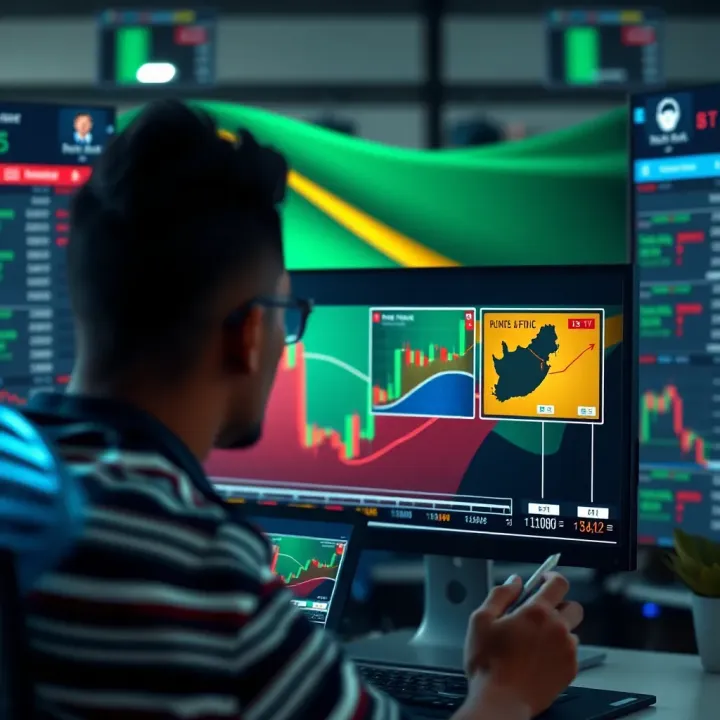
Simply put, forex trading signals are suggestions or alerts indicating when to buy or sell a currency pair. These signals often come with details such as entry price, stop-loss levels, and take-profit targets. They’re generated based on various methods: technical indicators, economic news, or even expert experience.
Not every free signal you get will be trustworthy. Some may be generic, outdated, or designed primarily to lure traders into paid subscriptions. South African traders should watch out for signals promoting unrealistic profits or lacking transparent performance records.
"Always check the background of the signal provider and whether they offer clear evidence of past accuracy before risking your hard-earned rand."
Verify source credibility: Reputable platforms, financial forums, or brokers regulated by South African authorities tend to offer better-quality signals.
Test on demo accounts: Run signals through practice accounts to see how they perform without risking real money.
Compare multiple signals: Looking at a consensus among different sources can help filter out anomalies.
Mind the timing: Forex markets move quickly. Signals delayed by several minutes often lose value.
By understanding these basics, you can start to make informed decisions about which free forex signals to consider, aiding your trading strategy without falling into common pitfalls.
Forex trading signals are essential tools that help traders make more informed decisions in the fast-moving currency markets. At their core, these signals are indications or alerts prompting traders about potential buying or selling opportunities based on market analysis. For example, a signal might highlight a favourable moment to buy the rand against the dollar after significant economic data releases.
Trading signals serve a practical purpose by providing clear entry and exit points, which can save time and reduce the guesswork involved in trading. South African traders, especially those new to forex, often find signals helpful in navigating the market's volatility and complexity.
At a basic level, forex trading signals are recommendations or cues derived from technical analysis, fundamental events, or a combination of both. They point out when to consider entering or exiting a trade. For instance, a signal might suggest selling the euro when it falls below a specific support level, or it may notify traders of an upcoming interest rate decision that could impact currency strength.
There are two primary types of forex trading signals: manual and automated. Manual signals come from traders or analysts who interpret data and share their recommendations. These signals benefit from human judgment and experience but may vary in quality depending on the provider’s expertise. Automated signals, on the other hand, are generated by computer algorithms or trading bots that analyse market patterns and execute trades without human intervention. While faster and consistent, automated signals sometimes miss the nuances that a human eye can catch.
One main reason traders rely on signals is to spot trading opportunities that may not be obvious at first glance. For example, a signal might alert a trader about a breakout on a currency pair they don’t normally watch, enabling them to capitalise on unexpected market moves. This is especially useful in forex, where dozens of currency pairs shift continuously across different time zones.
Trading signals also help support decision-making in a busy market, reducing information overload. With economic events rolling in and prices fluctuating every second, it can be overwhelming to decide when to act. Signals filter the noise by suggesting trades based on clear criteria, allowing traders to focus their attention without feeling swamped.
Using trading signals doesn’t mean you abdicate control; rather, they function as a valuable second opinion, guiding your trading decisions while you maintain your own analysis and risk management.
In sum, understanding forex trading signals and their role equips traders with a practical advantage. Whether manual or automated, signals can help identify trade setups efficiently and keep decision-making on track amidst the market’s fast pace.
Finding reliable free forex trading signals means distinguishing the credible from the noise. South African traders face a flood of options, from brokers offering free signals to groups churning alerts on Telegram. But not every signal is worth your time—or risk. You'll want to check a few key factors that show whether signals deliver consistent value and align with your trading goals.
Checking historical performance and transparency is the backbone of judging signal providers. Reliable services publish verifiable past results—preferably with full records showing win rates, drawdowns, and trade duration. For example, a provider who claims a 90% success rate but offers no proof should raise a red flag. Transparency means sharing details like signal entry points, stop-loss levels, and take-profit targets. This level of openness helps you assess if the signals fit your trading style and risk tolerance.
Verifying user reviews and community feedback acts as a reality check. In South Africa, forums like MyBroadband or local Facebook trading groups reveal firsthand experiences from fellow traders. Positive reviews focusing on accuracy, timeliness, and customer support hint at trustworthiness. Meanwhile, consistent complaints about poor results or delays suggest caution. Combining reviews with performance stats offers a clearer picture, preventing you from chasing signals that turn out to be more hype than substance.
Timing and frequency of signals determine if you can act effectively before market moves. Signals that arrive late miss the boat and can cost you. Ideally, reliable providers send alerts ahead of volatile periods or key economic releases, whether via push notifications on a mobile app or email. For South African traders, signals that respect local market hours or events (like SARB announcements or US Fed decisions) provide an extra edge. Also, some traders prefer fewer high-quality signals over a flood of alerts, which can overwhelm and dilute focus.
Understanding signal success rates and limitations helps manage expectations. No signal service wins all the time; losses are part of the game. A solid provider will share realistic success rates—say 60-70%—and advise on the importance of stop-loss use and position sizing. Knowing these limits keeps you from trusting signals blindly. Combining signals with your own market reading will always improve decision-making and control over risk.
Remember, free forex trading signals are tools to support your trading, not silver bullets. Vetting providers carefully will save you from bad calls and help refine your approach amid the churn of the forex market.
Finding reliable free forex trading signals often boils down to knowing where to look. Several established sources offer signals that traders can access without paying, but their reliability and relevance vary. This section outlines key platforms and providers where South African traders can get signals, guiding you on practical ways to make the most of them.
Platforms like MetaTrader, especially MetaTrader 4 and 5, offer integrated signal services where users can subscribe to signal providers within the software. These platforms track the performance of signal providers transparently, allowing you to evaluate past trades, win rates, and risk levels. For South African traders, this offers a convenient, all-in-one setup since MetaTrader is widely supported by local brokers such as FXTM and HotForex.
The benefit here is the ease of integration; once subscribed, signals can be executed manually or automatically with Expert Advisors (EAs). This reduces the fuss around timing the market and can help keep your trades timely, which matters in a fast-moving forex market.
Telegram and WhatsApp groups have become popular hubs for exchanging forex signals, especially among local and African trading communities. These groups range from informal clusters sharing tips to more organised channels offering systematic signals. One practical advantage is the immediacy — signals arrive directly on your mobile, prompting faster decisions.
However, the quality varies widely, so verifying the group's reputation and reviewing user feedback is essential. Many traders in South Africa appreciate these groups for the community feel and real-time market chatter that you won’t get from automated services.
Many credible brokers operating in South Africa provide free forex signals as part of their client services. Brokers like IG South Africa and Plus500 often supply market analysis and signals as educational tools or to add value to their trading platforms. These signals usually come from in-house analysts who study global economic indicators and price trends.
This source’s key advantage is trustworthiness; since brokers are regulated by bodies like the FSCA (Financial Sector Conduct Authority), their signals tend to have more accountability than random online sources. Also, these brokers' signals often include explanations on why a particular trade is suggested, which can boost your understanding alongside the alerts.
Apart from brokers, several reputable third-party websites offer free forex alerts. Examples include Forex Factory and DailyFX, which provide detailed trade ideas updated daily. These platforms often come with extensive analysis and community forums where traders discuss strategies, making them valuable resources beyond just signals.
While these signals are popular, users should approach with caution and always test them on demo accounts first. The upside is you gain insights from experts without spending a cent, but the risk lies in blindly following without understanding the underlying market moves.
Accessing free forex trading signals through these popular sources can save you time and sharpen your trading edge, but always combine signals with your own analysis and risk awareness to trade smarter in South Africa’s volatile forex market.
Using free forex trading signals can seem like a shortcut to making better trades. However, they come with risks that every trader — whether novice or seasoned — should keep in mind. These signals are tools, not crystal balls. You must understand their limitations and potential downsides before relying too heavily on them.
Dubious signal providers often promise unrealistic returns with little to no evidence. A red flag can be a service boasting constant 90% or higher success rates but lacks verifiable performance history. For example, some Telegram groups might flood chats with flashy screenshots but no real-time, transparent trading records. These can mislead traders into overconfidence or losing valuable capital.
The forex market can be unforgiving, and scammers know this. Some fake signal services lure users with “free trials” before charging hefty fees or encouraging risky behaviour, like excessive leverage. In South Africa, where financial scams are not uncommon, it's crucial to spot these red flags early. Don't overlook basic checks like researching the provider’s reputation, searching for genuine user feedback, or trying to verify claimed trades.
Due diligence is your first line of defence. Before following any free signals, spend time cross-checking the provider through credible trading forums, financial watchdog warnings, or local trading communities. It's not enough that a signal looks good on paper; you need to ensure it's not a bait-and-switch. Never share sensitive personal or banking details without confirming legitimacy.
Remember, free forex signals are suggestions, not promises. They offer a direction to trade but don't guarantee profit. Even the best signals can slip up, especially when markets react unexpectedly to political changes, economic announcements, or sudden events like an Eskom loadshedding surge affecting global currency flows.
Your job as a trader is to pair these signals with your own research and risk controls. For instance, if a signal suggests buying the USD/ZAR pair but you know a looming SARB interest rate announcement might cause volatility, you can decide to be cautious or avoid the trade altogether. Similarly, setting stop-loss orders to protect your capital prevents a single bad signal from wiping out your gains.
Signals should reinforce your trading strategy, not replace it. Combining signals with technical analysis, economic calendars, and sound money management gives you a better shot at navigating the ups and downs. Using demo accounts to test signals first, as covered earlier, also lowers risk while you decide how to integrate them with your approach.
Using free forex signals without proper care can drain your funds quickly. Treat them as guides, keep your eyes open, and never trade more than you are willing to lose.
In short, approaching free forex signals with a critical mindset, cautious strategy, and realistic expectations is the best way to protect yourself while benefiting from what these tools can offer.
Using free forex signals can be handy, but only if you apply them wisely. These signals are tools that can highlight possible trades, but their value depends on how you test, integrate, and adapt them to fit your trading style and the current market. Getting the practical steps right can save you from costly mistakes and help you make the most of the signals you receive.
Avoiding unnecessary financial risk is the first priority when trying out new signals. Imagine jumping straight into live trading with signals you've never tested—it's like driving a bakkie on rough gravel without checking the tyres. Demo accounts let you experiment without risking actual money, helping you see how signals perform under real market conditions. For example, you might try a signal from a Telegram trading group for a few weeks on demo to check if the entry points and stop-loss levels provided are solid.
Assessing signal consistency in your trading environment is just as important. A signal could work well in one currency pair but flop in another, or during volatile hours like around the US non-farm payroll announcements. Testing helps you observe how often the signals generate profitable trades and whether they fit your chosen time frame. If the signals fail consistently, that’s a red flag—it’s better to spot this on a demo before putting R1,000 or more at risk.
Adapt signals to your own risk appetite and goals. If you're a cautious trader who prefers small, steady gains, a signal recommending high-leverage trades may not suit you. Tailor the risk settings and position size according to what you can stomach financially and emotionally. For instance, if a signal shows a 2% stop loss, but you’re comfortable with 1%, adjust accordingly.
Use signals to confirm your analysis rather than replace it outright. Consider them as a second opinion, not a crystal ball. If your chart analysis lines up with the signal, that’s a stronger case for acting. But blindly following signals without doing your own homework can lead you astray. Think of it as getting advice from a mate; you’ll weigh it against what you already know before making a call.
Monitoring economic events affecting forex markets is crucial because signals might not account for sudden changes. Events like SARB policy announcements, US Fed rate decisions, or unexpected Eskom loadshedding schedules can shift currencies quickly. Following an economic calendar alongside signal alerts allows you to avoid trades when the market's too shaky.
Adjust your response to signal alerts accordingly. For example, you might choose to bypass signals during major news releases or increase your stop loss to manage the higher volatility. A signal that works well on a quiet Monday morning might be unreliable on a Wednesday afternoon full of surprises. Staying flexible with signals in tune with market moods reduces surprises and protects your wallet.
Treat free forex signals as a helpful assist, not a guarantee. Testing, adapting, and staying alert to the broader picture are key steps for trading success in the fast-moving forex markets.
By thoughtfully applying these practical tips, South African traders can use free forex trading signals more effectively and responsibly, cutting down risk and boosting potential returns.
Explore how free forex trading signals 🚦 can boost your strategy, with tips on choosing providers and avoiding common pitfalls in the South African market.

Learn how free forex trading signals work, their benefits and risks, plus tips for choosing reliable sources to improve your trades 📈💡
📈 Discover how free daily forex trading signals work, learn to assess their reliability, and use them smartly to enhance your trading strategy in South Africa.
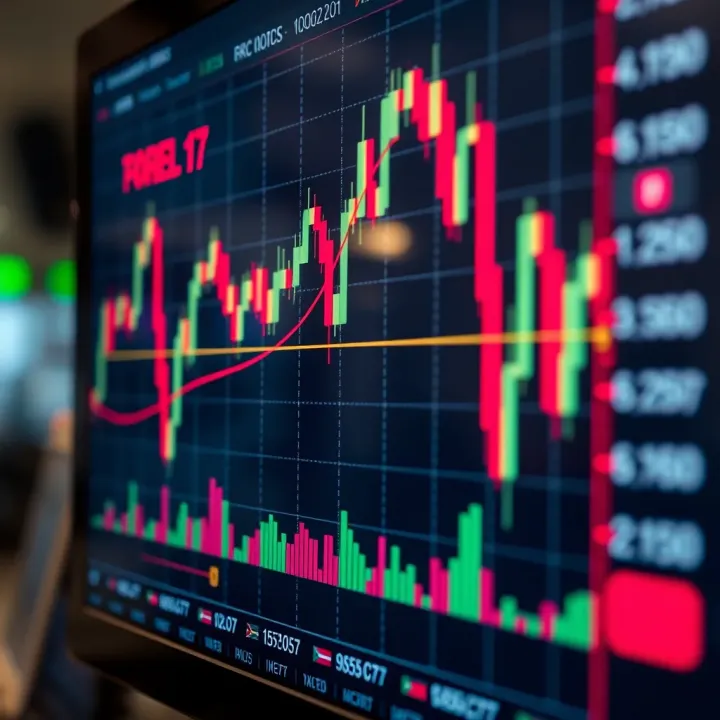
Learn how to use free forex trading signals effectively in South Africa 💹 Get tips on choosing reliable sources and integrating signals into your strategy.
Based on 11 reviews