
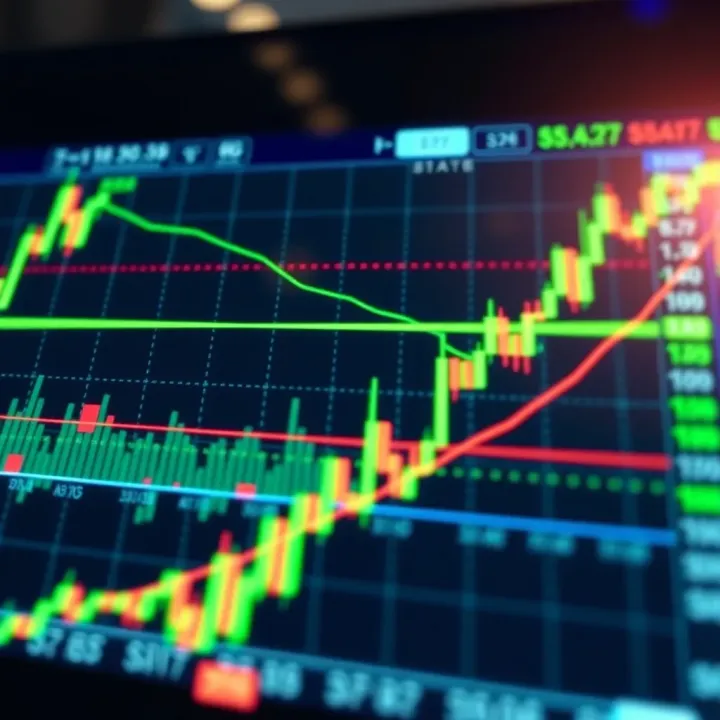
Graphic Trends in Binary Options Trading
📊 Explore how graphic trend analysis boosts binary options trading decisions in South Africa. Learn key patterns, tools, risks & practical tips.
Edited By
Liam Carter
Binary options trading is a straightforward betting game on price movements, but looks can be deceiving. In this market, you predict whether an asset's price will rise or fall within a specific timeframe. If you're right, you earn a fixed payout; if not, you lose your stake.
Trading binary options appeals to many South Africans for its simplicity and potential for quick gains. However, this simplicity masks significant risks that need careful attention. It’s not the same as conventional stock or forex trading, where you hold actual assets or contracts.

Successful binary options traders combine market knowledge with sharp risk management skills. These traders monitor economic news, price charts, and global events to make informed bets. For example, a sudden announcement from the South African Reserve Bank (SARB) on interest rates can heavily impact the rand, providing trading opportunities.
But one must be cautious. The risks include losing your entire investment quickly, falling prey to unregulated brokers, and facing misleading marketing promises. It's common to see adverts hyping guaranteed returns, which rarely reflect real trading scenarios. Always check if the broker is authorised by the Financial Sector Conduct Authority (FSCA) before investing.
Effective binary options trading demands discipline, a solid grasp of market trends, and understanding the platform’s terms before committing any capital.
Key skills for a binary options trader include:
Quick decision-making under pressure
Understanding technical indicators like moving averages or RSI
Setting clear limits on potential losses (stop-loss strategies aren’t standard here, but managing stake sizes is crucial)
Despite its appeal, binary options trading in South Africa should be treated carefully, balancing potential profits with the inherent risks. Those willing to learn and apply diligent strategies may find it an accessible way to participate in financial markets, but it’s far from a guaranteed earner.
Understanding these basics prepares you better for the realities of binary options trading, guarding against costly mistakes and unrealistic expectations in the South African context.
Binary options trading is a financial activity where traders predict whether an asset’s price will rise or fall within a set timeframe. It’s a straightforward concept but carries specific risks and rewards that are crucial to understand before getting involved. In South Africa, interest in binary options has grown, especially due to the accessibility via online platforms, but it’s equally important to grasp how this form of trading works to avoid pitfalls.
At its core, a binary option is an “all-or-nothing” bet: you either gain a fixed payout if your prediction is right, or lose the invested amount if you’re wrong. For example, you might predict that the price of gold will be above R1,000 per gram at 4 pm today. If it is, your option pays out at a predefined rate, often around 70-90% of your stake. If not, you lose the amount you invested on that option.
Binary options rely on two possible outcomes, hence the name: the asset’s price either moves in the direction you predicted or it doesn’t. The simplicity attracts many new traders, but the risk lies in the fixed ‘win or lose’ structure, making it essential to manage trades carefully.
Traders can bet on a range of assets in binary options markets. These typically include:
Forex pairs: Popular ones like USD/ZAR or EUR/USD reflect South African and global currency movements.
Commodities: Gold, silver, petrol, and platinum are common, tying into South Africa’s resource economy.
Indices: These represent groups of stocks, such as the JSE Top 40 index.
Shares: Individual stocks of companies listed on major exchanges.
For instance, keeping an eye on the Rand’s strength against the US dollar can be a popular choice for a South African trader using binary options.
There are several contract types to know:
High/Low options: Simply betting if the price will be higher or lower than the current level at expiry.
One Touch/No Touch options: Predicting whether the price will touch a set level at any time before expiry.
Range options: Betting the price will stay within or move outside a specified range.
Each type suits different market conditions and trader preferences. For example, a high/low option might be useful for quick trades during volatile sessions, while range options suit more stable markets.
Understanding these fundamentals helps traders make informed decisions rather than guesswork, reducing unnecessary losses while navigating South Africa’s unique market environment.
Understanding the daily routine of a binary options trader sheds light on what’s really required beyond just placing bets on asset prices. For traders in South Africa, especially those navigating the local market's quirks and broader global signals, the day-to-day workflow involves careful planning, analysis, and disciplined decision-making to manage risks and seize opportunities effectively.
A standard day often starts well before the market opens. Traders review overnight global market trends—like how the JSE performed or whether international commodities hit rough patches overnight—to set an informed tone for the trading day. Next comes analysing charts and indicators to spot viable opportunities.
Once a clear setup forms, the trader executes trades based on a pre-approved strategy, such as betting on whether a currency pair will rise or fall in the next hour. Throughout the day, they monitor positions actively, ready to cut losses or lock in profits as the market moves. This disciplined cycle repeats daily, requiring traders to keep a close eye on news flashes, economic data releases, and even Eskom updates, which can influence investor sentiment locally.
Consistency and routine help burnish trading instincts, but a trader must avoid the temptation of reckless, impulsive decisions spurred by emotion.
Binary options trading relies heavily on the quality of platforms and tools used. Many South African traders prefer established brokers with robust platforms featuring real-time data, easy order execution, and reliable payout systems. Popular platforms support various asset classes—from currency pairs like USD/ZAR to popular shares listed on the JSE.
Technical tools such as moving averages, RSI (Relative Strength Index), and Bollinger Bands help traders time entries and exits better. Besides the main platform, traders often supplement their toolkit with charting software, economic calendars, and sometimes mobile apps for trading on the go.
Successful binary options traders combine analytical skills with mental toughness. Reading charts and market behaviour is one thing; sticking to a trading plan and risk limits is another. A trader’s mindset must be calm and objective, able to shrug off occasional losses without chasing after them rashly.
South African traders face additional challenges like forex fluctuations linked to rand volatility, or interruptions from loadshedding affecting connectivity. Being adaptive and technologically prepared—such as having backup internet options—is vital.
In the end, being a binary options trader is not merely about predicting price moves. It demands structured routines, savvy use of tools, and above all, the right frame of mind to navigate this fast-paced environment.
Exploring popular strategies is key for anyone looking to succeed in binary options trading. These strategies offer a structured way to make sense of market movements and manage risks effectively. Without a plan, trading can quickly turn into guesswork, leading to unnecessary losses. Let’s look at some practical methods that traders often rely on.
Trend following is perhaps the most straightforward approach. Traders look for an asset’s direction over a set period and place trades that align with that trend. For instance, if the price of a certain share listed on the JSE has been steadily climbing over several days, a trend follower might bet on it continuing upwards. This method banks on the idea that markets tend to move in waves rather than randomly.
Market analysis supports trend following by helping traders spot these patterns. This could be fundamental analysis, like tracking economic news or company earnings, or technical analysis based on historical price data. For example, watching how the rand/USD exchange rate reacts to SARB interest rate decisions can guide currency binary options trades. Successful trend followers know when to enter and exit trades, avoiding the temptation to jump in during minor market jitters.
Risk management is often overlooked but is crucial for preserving trading capital. Strategies such as setting fixed limits on losses per trade and not risking more than a small percentage of total capital on a single position can prevent devastating blowouts. For example, if you allocate R10,000 to trading, risking no more than 2% (R200) on any trade is a common guideline.
Another practical tip is diversifying trades across various assets rather than putting all your eggs in one basket. Instead of only betting on shares, including currency or commodity options spreads the risk. Plus, many traders use stop-loss tools where the platform allows, automatically closing losing positions before losses mount too high.
Proper risk management means thinking about how much you can afford to lose, not just how much you hope to make.
Technical indicators are mathematical calculations based on price and volume data. Traders use them to predict future price movements or confirm trends. Indicators like the Relative Strength Index (RSI) help determine if an asset is overbought or oversold, while moving averages smooth out price data to identify general direction.
For example, combining a moving average crossover strategy—with a short-term average crossing above a longer-term average signalling a buy opportunity—can help binary options traders make clearer calls. However, indicators aren’t foolproof and work best when combined with other analyses and realistic expectations.
South African traders might integrate local market factors within their technical setups, like considering Eskom's loadshedding impact on specific sector stocks or the volatility of commodity prices essential to the economy.
By applying these strategies thoughtfully, traders can increase their chances of making informed decisions rather than relying on luck or hunches alone.
Understanding the risks and regulatory landscape is crucial for anyone considering binary options trading in South Africa. This market attracts many due to its simplicity and potential for quick profits, but it also has pitfalls that can lead to significant financial losses. Knowing the local rules and recognising warning signs protects traders from scams and legal issues.
Binary options trading carries a high risk because it’s essentially a bet on whether an asset’s price will move up or down within a short timeframe. This all-or-nothing structure means you either lose your stake or gain a fixed amount. Many traders underestimate the chance of losing repeatedly, which can deplete capital swiftly. Also, market volatility, spreads, and timing inaccuracies can work against you.
For example, during periods of market instability—like unexpected political announcements or changes in commodity prices—a sudden price jump can wipe out a position before closing the contract. Traders should be wary of platforms that promise consistent, guaranteed returns, as those claims rarely hold up.
South Africa’s Financial Sector Conduct Authority (FSCA) oversees financial services, but binary options were declared high-risk and, in many forms, illegal for retail clients since 2017. The FSCA warns South Africans against trading with unregulated brokers offering binary options, stressing the high potential for fraud.
That said, South Africans can legally access certain derivative products through licensed brokers while complying with laws such as the Financial Intelligence Centre Act (FICA). It’s a delicate space with ongoing regulatory development. Traders should prioritise dealing with entities registered with the FSCA or authorised overseas brokers who meet international standards.
Spotting a genuine broker isn’t always straightforward. Legit brokers will:
Show clear FSCA registration or valid international licences.
Provide transparent terms and conditions without hidden fees.
Offer verified, audited trading platforms with real-time pricing.
Maintain responsive customer service with local contact details.
Beware of brokers promising unrealistic returns, pressuring you into deposits, or withholding withdrawals. Fake brokers often operate through flashy websites with few verifiable details. If you find a platform avoiding your country or refusing compliance documents, that’s a red flag.
Always cross-check broker credentials with FSCA or reputable financial watchdogs before investing. Protecting your money means doing proper homework—even if it means missing a quick win.
With risks and regulation clearer in mind, traders can approach binary options with sensible caution, managing exposure and sticking to legal operators helps safeguard their capital and reduces the chance of falling prey to scams.
For South Africans looking to trade binary options, some specific advice can make all the difference between a bumpy ride and a smoother path. South Africa’s regulatory landscape and financial environment create unique conditions traders should grasp before diving in. This section offers practical tips tailored to local needs, helping traders avoid common pitfalls, manage risks, and build realistic expectations.
Start by choosing brokers carefully—make sure they comply with South African financial regulations or have strong international reputations. Many local traders get caught out by unlicensed or fraudulent operators offering tempting returns but disappearing when it comes to withdrawals. Remember, legitimate brokers typically require compliance with the Financial Intelligence Centre Act (FICA) for client verification, so be ready to provide documentation.
Opening a demo account with a trustworthy platform lets you practise without risking actual money. Some popular platforms used in South Africa include IQ Option and ExpertOption, both known for user-friendly interfaces and demo modes. Avoid trading with high leverage right from the start; most expert advice suggests beginning conservatively until you understand market behaviour.
Binary options trading isn’t a quick way to get rich — risk management is crucial. Set strict budgets: only trade with money you can afford to lose without harming your finances or lifestyle. Many South African traders underestimate this, leading to what can feel like a fast downward spiral.
Consider dividing your capital into small portions and limit exposure per trade to around 1-5% of your total trading amount. This method keeps losses manageable and helps you stay calm under pressure. Also, avoid chasing losses. If you lose a few trades, it’s best to stop and rethink rather than trying to win it back immediately.
Have realistic goals. For instance, targeting a steady 2-5% gain monthly is far safer and more maintainable than shooting for unrealistic daily wins. This approach builds discipline and long-term growth, especially given South Africa’s occasional market volatility and fluctuating rand.
Information is power. Beyond trading platforms, keep an eye on financial news sources like Moneyweb, Fin24, or BusinessTech, which regularly cover market trends relevant to binary options. Forums like MyBroadband also have active trading communities sharing tips and warnings.
Engage in continuous learning: online courses focused on technical analysis, risk management, and South African market conditions can sharpen your skills. Some local universities and private training providers offer short courses that are more affordable than overseas alternatives.
Lastly, monitor regulatory updates from the Financial Sector Conduct Authority (FSCA). They occasionally publish warnings or updates impacting binary options trading locally, which helps keep you ahead of potential changes in the legal landscape.
Staying safe and informed is your best defence in binary options trading. Know the local rules, manage your money carefully, and keep learning to increase your chances of success in South Africa’s complex market.
📊 Explore how graphic trend analysis boosts binary options trading decisions in South Africa. Learn key patterns, tools, risks & practical tips.

Explore YouMoney Binary's trading platform for South Africans! Learn key features, strategies, risks, and tips for smarter binary options trading 📊🇿🇦

Explore top free binary options trading books to boost your skills. Find where to get them and key topics covered. Start learning smart strategies today! 📚💡

⚠️ Binary options may seem like quick cash but carry high risks and pitfalls, especially in South Africa. Learn why caution is needed before investing.
Based on 8 reviews