
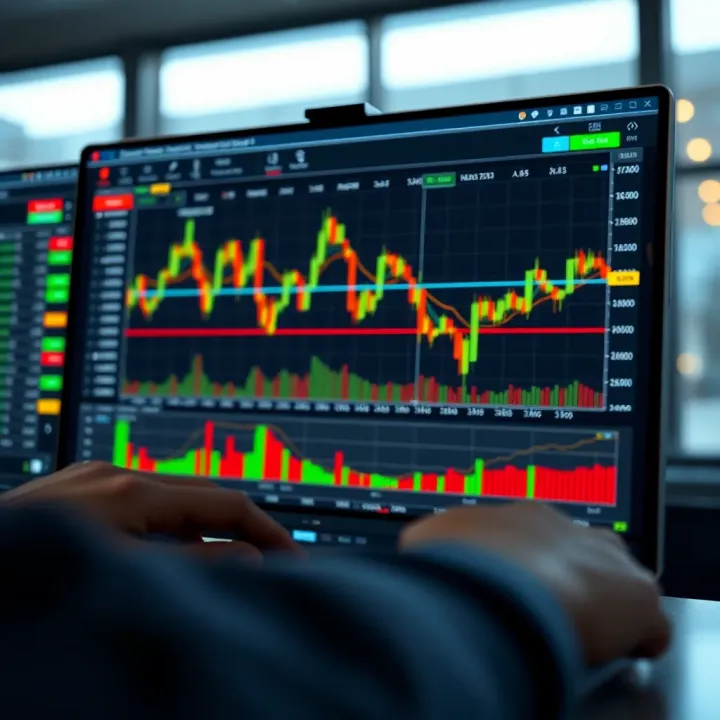
Forex Trading Training Software Guide
Master forex trading with top training software! 📈 Learn key features, how to choose, and blend tools into your routine for smarter trading in South Africa. 🇿🇦
Edited By
James Whitfield
Binary trading has caught the attention of many South African traders looking for straightforward ways to make money from financial markets. But with the flood of software claiming to be 'the next big solution', separating the wheat from the chaff can be a headache.
Understanding binary trading software means knowing what it’s designed to do: allow users to predict if an asset's price will rise or fall within a specific time frame and receive a fixed payout if correct. These tools should help make informed decisions, not simply promise guaranteed profits.
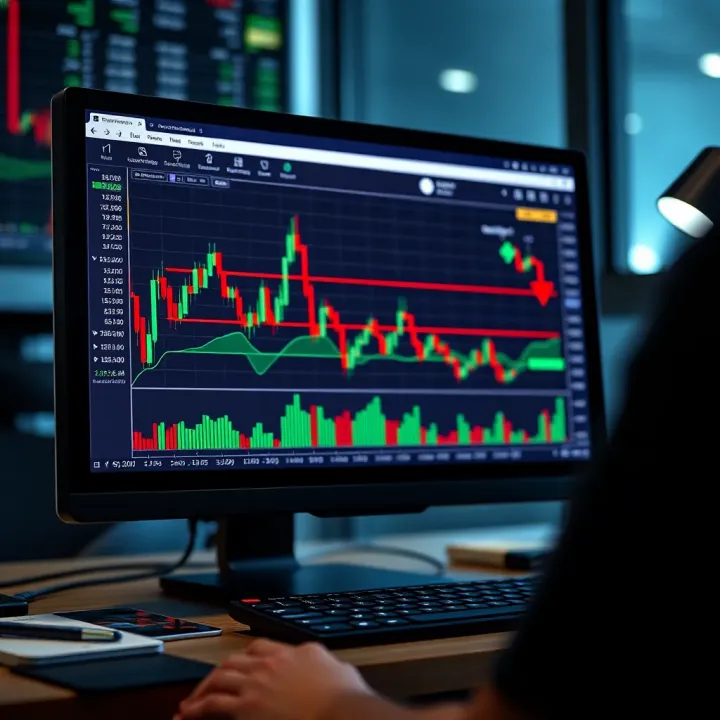
Beware of software that makes bold claims without transparency. Reliable platforms back their tools with clear data and offer demo accounts so you can test without risking real cash.
Transparency: The software should show how signals are generated, with past performance data available to verify claims.
User-friendliness: Intuitive navigation matters, especially for newcomers or those managing trades on mobiles.
Customisation: You need control over risk levels, trade amount, and expiry times.
Integration with licensed brokers: South African traders must verify that the trading platform complies with regulations and connects to reputable brokers.
Binary options are inherently risky — they often resemble a simple yes/no bet, and you can lose your entire investment quickly. Adding software into the mix means:
Risk of fraudulent schemes: Some programs manipulate chances or don’t let you withdraw winnings.
Over-reliance on automated signals without understanding market context.
Data privacy concerns when using unvetted software.
South African traders experience particular challenges, such as fluctuating exchange rates affecting offshore platforms or limited local regulation enforcement.
Always start with a demo account to get comfortable and assess accuracy.
Set strict limits on daily investment to avoid chasing losses.
Cross-check signals with independent market research.
Keep abreast of tax implications with SARS — trading profits are taxable.
Regularly update software and protect your device to guard against malware.
In essence, no software replaces good trading judgment. The right tool can sharpen your edge, but understanding its limits within South Africa’s trading environment ensures you’re not flying blind or falling victim to dodgy schemes.
Grasping how binary trading software works is key if you want to trade more effectively. Binary options involve predicting whether an asset's price will rise or fall within a specific period. The payout is fixed, so you either win a pre-agreed sum or lose your stake. This all-or-nothing format makes understanding the software that helps with these trades vital, as quick, accurate decisions matter.
Binary trading software supports your decisions by analysing market data, providing signals, or even executing trades automatically. Without reliable software, you’d struggle to keep pace with market movements, which can be swift and unpredictable. Imagine trying to catch a taxi during rush hour without knowing when the next one arrives – your chances of success drop drastically.
Binary options are bets on price movements for assets like shares, currencies, or commodities. You decide if the asset will be above or below a certain price at expiry. The simplicity can be appealing, but the fast pace demands tools that deliver real-time insights and execution.
Good software equips you with up-to-date market data and technical indicators, giving you a clearer view of price trends. It may include alerts if certain conditions happen or let you test strategies with demo accounts. For example, a trader using software with a candlestick pattern recogniser can spot potential reversals faster than manually scanning the charts.
Manual software acts as a platform where you place trades based on your analysis. It might offer charting tools and signals, but you still decide when to pull the trigger. Automated systems, on the other hand, execute trades on your behalf following preset rules. This suits traders who prefer to let the software handle timing and risk but requires trust in the algorithm.
Web-based platforms run in your browser, needing no installation and letting you trade from anywhere with an internet connection. They update automatically but can depend heavily on your internet speed. Downloadable apps, installed on your computer or mobile device, often provide faster performance and offline features like advanced charting. In South Africa, where internet quality varies, having both options can be handy to adapt to your circumstances.
Understanding your options helps you pick the software that fits your trading style and local realities. Whether you prefer hands-on control or automation, knowing the differences between platforms makes a real difference in your trading outcomes.
Choosing the right binary trading software can make a genuine difference between winning trades and frustrating losses. South African traders must be able to spot tools that perform reliably, offer practical features, and safeguard their investments. Knowing what to look for helps you avoid scams and tools that overpromise but underdeliver. Below, key pointers explain the practical elements to check when identifying software that truly works.
User interface and ease of use are vital because they affect how quickly and comfortably you can execute trades. A cluttered or confusing layout can lead to costly mistakes, especially in a market that moves fast. For example, some platforms offer intuitive dashboards with clean menus and clear buy/sell buttons, enabling even beginners to navigate confidently. Speed of execution also depends heavily on UI design — lagging or poorly labelled features make trading unnecessarily stressful.
Real-time market data and speed matter because timing is everything with binary trading. Delays of even a few seconds can change outcomes dramatically. Efficient platforms pull data directly from reputable sources like major stock exchanges or currency markets, updating quotes instantly. For instance, software linked to JSE quotes or currency pairs involving rand must refresh quickly to reflect ongoing market shifts. Slow or outdated feeds not only cost profits but increase the risk of wrong decisions.
Customisable trading options offer flexibility that suits different approaches and risk levels. Good software lets you adjust expiry times, asset choices, and bet sizes according to your comfort zone. Some tools provide preset strategies alongside manual controls, enabling traders to experiment while maintaining control. This adaptability is invaluable for matching software to your specific trading style, whether quick decisions on indices or longer expiry on petrol futures.
Checking a platform's track record and user reviews is a straightforward way to gauge trustworthiness. Look beyond star ratings and focus on feedback describing the software’s real-world performance, customer service, and payout reliability. For example, platforms with consistent complaints about withdrawal delays or unexplained downtimes should raise red flags. Local forums and South African trading communities often reveal practical insights you won’t find on the company’s website.
Using demo accounts and trial periods lets you test the software without risking real money. A good platform offers a demo that mirrors live market conditions closely, allowing you to assess its speed, accuracy, and ease of use. Trying before buying helps identify any quirks or limitations. For instance, some downloadable apps may perform well in demos but slow down when real funds are involved.
Finally, security and data protection measures should never be overlooked. Trustworthy software encrypts your personal data and financial transactions, compliant with local laws like the Protection of Personal Information Act (POPIA). Features like two-factor authentication, secure payment gateways, and clear privacy policies are must-haves. Avoid platforms that keep security vague or lack transparent data handling practices.
Remember, the best binary trading software balances user-friendly design, fast, accurate data, and solid security — giving you peace of mind while navigating volatile markets.
Identifying such software requires a mix of technical checks and real-user proof. With this knowledge, you’re well placed to choose binary trading tools suited for South Africa’s diverse and dynamic financial environment.
Binary trading software can speed up decision-making and simplify complex markets, but it comes with its own set of risks and challenges. Understanding these is vital for anyone looking to trade effectively, especially in South Africa, where market conditions and regulations differ from other parts of the world. Traders need to recognise where software may fall short and where to watch for warning signs.
The financial markets are famously unpredictable. Sudden political changes, global economic shifts, or unexpected news can cause price swings in seconds. Binary trading software relies on historical data and algorithms, but even the smartest systems can’t fully predict these abrupt moves. For example, during a major election or when Eskom announces stage 4 loadshedding, markets can behave erratically with sharp price changes that software might miss. This makes it essential for traders not to depend solely on software outputs but to stay informed and ready to act.
Binary options trading itself carries a high risk of loss due to its all-or-nothing payout system. That’s why reliable software should prioritise clear risk warnings and offer features like demo accounts for practising without financial exposure. Unfortunately, there are also many dodgy platforms promising guaranteed wins or quick riches. Scam software can disguise itself as legitimate, often encouraging reckless trading to drain your funds. The lesson? Always research the platform thoroughly, check for user feedback, and never invest more than you can afford to lose.
Be very sceptical of any binary trading software that guarantees high returns with little or no risk. Claims such as 90% success rates or automated trading that makes you rich overnight are almost always false. These flashy promises aim to lure in novice traders, often leading to disappointment or worse, financial loss. Trustworthy software will be honest about the risks and never push you beyond your comfort level.
One of the most important signs of reliable software is whether it operates under proper regulation. South Africa’s Financial Sector Conduct Authority (FSCA) keeps an eye on financial service providers to protect consumers. If a binary trading platform isn’t regulated or lacks a valid licence, it could operate with little accountability. This opens the door to disputes over withdrawals, data privacy issues, or even outright fraud. Always confirm that your software provider complies with local laws and has the necessary approvals.
Even the best software can run into problems, but how quickly and effectively these issues are resolved matters a lot. Poor or non-existent customer support is a major red flag. Traders should expect timely responses to queries, clear communication channels, and assistance for technical glitches or account questions. If you find yourself stuck without anyone to help, you’re dealing with a risk that goes beyond just trading losses.
In short, while binary trading software can be a helpful tool, understanding its limits and the surrounding risks is key. Be wary of anything that sounds too good to be true, verify regulation, and don’t ignore the importance of strong customer support. Being cautious will help you make smarter, safer trading choices.
Knowing how to use binary trading software well can make a big difference, especially with the risks involved in binary options trading. This section focuses on practical advice that can help you trade smarter, protect your funds, and avoid common pitfalls. It’s about setting achievable goals and managing your trades carefully rather than chasing quick wins.
First, it’s essential to know how much risk you can handle comfortably. Binary options are high-risk by nature, and you shouldn’t bet more than you can afford to lose. Think of it like driving on a slippery road: you wouldn’t speed recklessly; instead, you drive cautiously according to conditions. Likewise, if fluctuating markets make you sweat, reduce the size or frequency of your trades. Accepting that losses will happen and preparing for them helps prevent emotional decisions that can lead to bigger losses.
Not every strategy fits every trader—or every market. Some focus on short-term trades, others on longer expiry times. You might opt for trend-following if you prefer a more measured approach, or rely on news-based trades if you can keep up-to-date with market events. The key is to test your strategy using demo accounts before risking real money. For example, if you find you’re better at predicting currency pair movements rather than commodities, tailor your trades accordingly. That way, you’re working with your strengths, not against them.
Even if you use automated software, regular check-ins are crucial. Markets change fast and what worked yesterday might not work today. Keep an eye on how your trades are performing and what the broader market signals suggest. Many South African traders monitor exchange rates between the rand and the US dollar or euro closely since those swings impact several binary options. Reviewing your trade history weekly can also reveal patterns in your decisions—both good and bad—that might need tweaking.
It’s tempting to double down after a loss, hoping to recover quickly, but that’s a fast track to wiping out your account. Good binary trading software often includes stop-loss features or limits on trade size to contain losses. These tools help you stick to your plan and avoid chasing losses when emotions run high. For instance, setting a daily cap on how much you’re willing to lose (say R500 per day) helps maintain discipline and prevents reckless bets. Money management isn’t just about reducing losses; it also allows profits to compound steadily without putting your entire bank at risk.
Trading binary options without a clear plan and realistic limits is like heading into the veld without a map—you might get there, but chances of getting lost are high.
Following these tips will not only help protect your capital but also improve your confidence and consistency using binary trading software, especially in South Africa’s volatile market environment.
Understanding the legal backdrop is vital when trading binary options in South Africa. Knowing the rules, the regulator’s role, and the status of software providers protects traders from scams and helps them make informed choices. This section explains the current regulatory scene and what it means for you.
The Financial Sector Conduct Authority (FSCA) is South Africa’s watchdog for financial markets. It oversees how financial products and services are marketed and sold, including binary options trading. The FSCA's key role is to protect consumers by ensuring that providers comply with the rules and trade fairly.
For traders, this means that using platforms authorised by the FSCA provides a level of security. The FSCA requires these providers to be transparent about the risks and ensure their marketing isn’t misleading. If you come across a platform claiming unrealistic profits or ignoring risks, chances are it’s not FSCA-regulated.
South African law treats binary options trading under financial product regulations. The Financial Advisory and Intermediary Services Act (FAIS) applies to traders and providers, meaning advice and trading activities must meet certain standards. Additionally, the Financial Intelligence Centre Act (FICA) requires verification of client identity to prevent fraud and money laundering.
Local laws also restrict unlicensed trading activities. For example, operating as a financial service provider without the proper registration is illegal and can lead to penalties. This legal framework offers traders practical protection by holding providers accountable and ensuring fair play.
Before signing up with any binary trading software, check whether the provider holds a valid FSCA licence or accreditation from a recognised authority. Legitimate platforms will openly display their regulatory credentials. You can cross-check this information on the FSCA website or reputable financial watchdogs.
Licenced providers must follow consumer protection rules, ensure fair trading practices, and maintain proper security around your data and funds. This reduces the risk of losing money to unreliable operators. Always prioritise software from accredited companies to trade with confidence.
Unlicensed platforms pose significant risks, from fraudulent activities to withdrawal difficulties. Many fly-by-night operators lure traders with enticing bonuses or promises of guaranteed profits, but these offers often come with strings attached or no payout at all.
Avoiding such platforms helps you steer clear of potential financial loss or legal trouble. If a platform doesn’t provide clear regulatory info, refuses verifications, or pressures you for deposits, it’s best to walk away. Your safety as a trader depends on choosing software that adheres to South African rules and standards.
Staying informed about regulation helps you spot trustworthy platforms and avoid scams. Always check licences carefully before investing your hard-earned Rand.
Master forex trading with top training software! 📈 Learn key features, how to choose, and blend tools into your routine for smarter trading in South Africa. 🇿🇦
Discover top free forex trading software downloads for South African traders 📈 Explore features, platform types, tools, and tips for safe, smart choices.
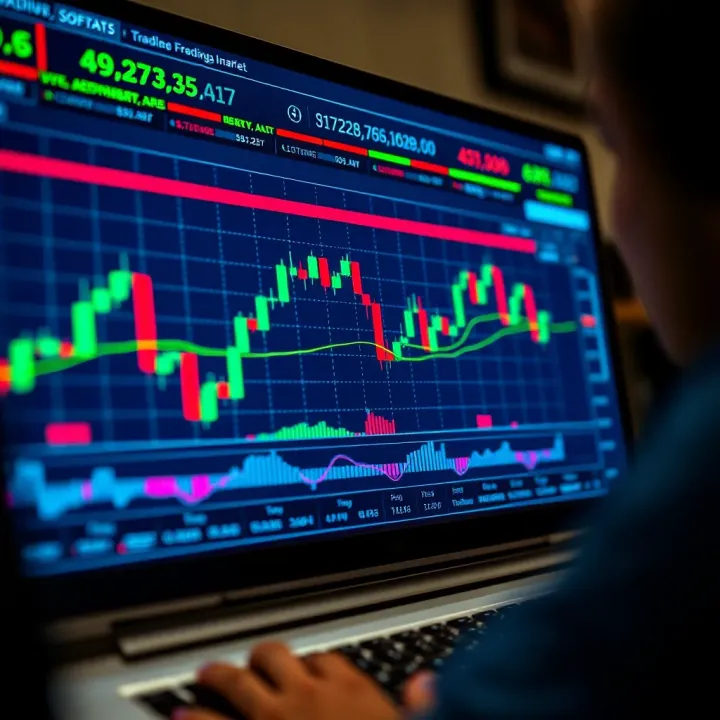
Discover how forex trading system software helps analyze markets, manage risk, and execute trades efficiently. Learn types, features, benefits, and challenges 📊💹

Explore YouMoney Binary's trading platform for South Africans! Learn key features, strategies, risks, and tips for smarter binary options trading 📊🇿🇦
Based on 12 reviews