
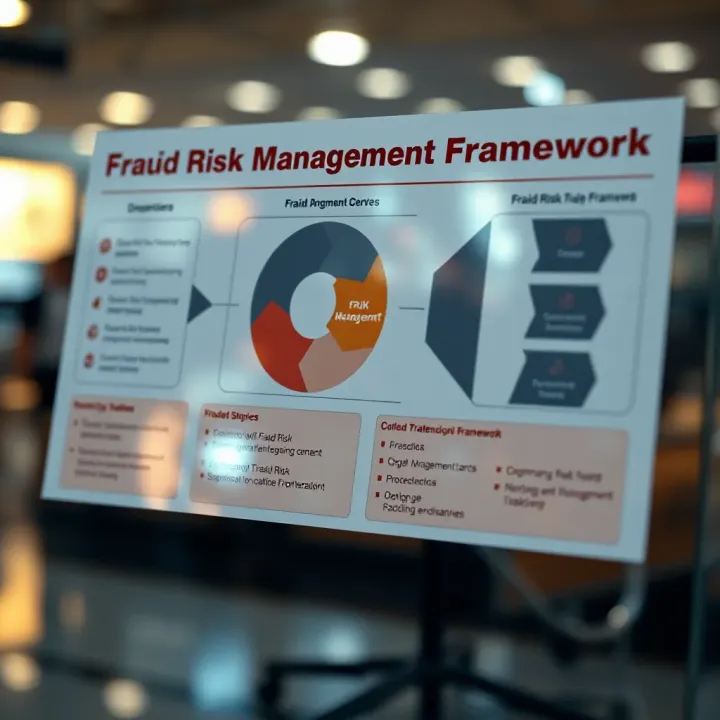
Strategies for Fraud and Risk Management in South Africa
🔍 Explore effective strategies to detect, prevent, and manage fraud risks in South African businesses. Learn about tools, frameworks, and regulations for strong protection.
Edited By
Lucy Harwood
Currency risk can hit your business hard, especially in South Africa where the rand often swings unpredictably against major global currencies. Whether you're importing goods from China or exporting services to the UK, those exchange rate shifts can eat into your profits or inflate your costs overnight.
Understanding how currency risk works is no longer just for big corporates. Local traders, investors, analysts, and brokers all need to keep an eye on foreign-exchange (FX) movements to protect financial interests. The rand's volatility, driven by factors like global commodity prices, SARB monetary policy, and political developments, means that effective currency risk management isn’t a luxury — it’s a necessity.

For South African businesses, currency risk typically falls into three main types:
Transaction risk: The danger that exchange rates change between the time a deal is agreed and when the payment actually happens. Say you agree to pay R1 million for gear from Europe in three months, but the rand weakens against the euro — you’ll pay more than you budgeted.
Translation risk: This affects companies with foreign subsidiaries or assets—the value of those investments fluctuates when converting to rand, impacting balance sheets.
Economic risk: Longer-term shifts in currency can change a company’s market competitiveness. For example, if the rand strengthens considerably, South African exports might become pricier for overseas buyers.
Managing currency risk means more than watching the rand daily. It requires practical tools and strategies—like forward contracts, options, and netting arrangements—tailored to your business operations.
This article will explore actionable strategies and best practices geared to the South African market. With the right approach, you can shield your R earnings, plan budgets confidently, and avoid nasty surprises from currency swings. Whether you trade in dollars, euros, or pounds, savvy currency risk management is your safeguard against forex market turbulence.
Grasping the concept of currency risk is essential for South African businesses trading beyond borders or dealing with foreign currency transactions. Exchange rates shift daily, sometimes wildly, influenced by global economies, politics, and market sentiment. For companies whose flows involve multiple currencies, failing to understand these fluctuations can result in unexpected losses or missed opportunities.
Transaction risk arises when a business commits to a deal priced in a foreign currency, but payment or receipt happens later. For example, a South African exporter who invoices a European client in euros today but only receives payment in three months’ time faces transaction risk if the rand strengthens before receival. The rand’s appreciation means fewer rands for the same euro amount, shrinking profit margins.
Economic risk, or operating exposure, looks further down the road. It reflects how currency swings can influence a company's competitiveness and market share. Say a local manufacturer relies on imported components priced in dollars. If the rand weakens sharply, costs rise, forcing higher prices or squeezed margins. Conversely, a rand strengthening competitor’s exports might lose ground in global markets, affecting sales volumes and profitability.
Translation risk surfaces when consolidating overseas subsidiaries or foreign assets into the parent company’s reporting currency. For South African firms with offshore operations, currency moves can distort reported earnings or asset values even without actual cash flow changes. For instance, a weakening rand inflates the rand value of foreign profits when converted back for financial statements, appearing as a windfall even if operational performance stayed flat.
South African businesses that import raw materials or export goods often price contracts in foreign currencies like USD, EUR, or GBP. Because the rand can be volatile, the cost of imports can spike unexpectedly, or export revenue can shrink in rand terms. Consider a local clothing retailer sourcing fabrics from India. If the rand falls sharply, their cost in rand increases, potentially eroding competitiveness if retail prices don't adjust quickly.
The rand’s swings are well known, influenced by commodity prices, domestic politics, and global investor sentiment. High volatility introduces uncertainty into budgeting and forecasting. Finance teams need to factor in possible currency moves when planning operational costs or setting sales prices. Without prudent management, a sudden depreciation can inflate costs, delay projects, or disrupt cash flow.
South African businesses operate amid loadshedding, regulatory shifts, and varying liquidity in foreign exchange markets. These elements can compound currency risk. For instance, Exchange Control regulations may limit the speed or volume of hedging transactions, causing operational delays. Furthermore, local SMEs might have less leverage negotiating favourable terms with banks, elevating the cost of managing currency exposure.
Understanding the distinct types of currency risk helps businesses tailor strategies that safeguard their bottom line and maintain competitive edge despite foreign exchange shifts.
By recognising transaction, economic, and translation risks, South African firms can identify vulnerable areas, anticipate financial impacts, and implement practical controls. Knowing how rand volatility plays into everyday trading decisions ensures teams are better prepared to weather currency storms without losing footing.
South African businesses face regular challenges from rand volatility, which can erode profits if left unmanaged. Implementing currency risk management tools is essential to shield financial results from exchange rate swings. These tools allow companies to plan forward with confidence, reduce uncertainty, and better control costs linked to imports and exports.

Forward exchange contracts are agreements to buy or sell foreign currency at a predetermined rate on a future date. By locking in an exchange rate today, a business knows exactly what to expect when settling foreign currency obligations, avoiding nasty surprises if the rand weakens unexpectedly. For instance, an exporter expecting to receive USD payments in three months can fix the rand value upfront, sidestepping losses from currency fluctuations.
In South Africa, these contracts offer a straightforward way to hedge transaction risk. However, commitment to a fixed rate means businesses miss out if the currency moves favourably. Also, local Reserve Bank regulations and market liquidity sometimes affect pricing and availability, so companies must weigh costs and benefits carefully.
Currency options provide the right—but not the obligation—to buy or sell currency at a set price. This flexibility lets companies guard against adverse moves while keeping the chance to benefit from favourable shifts. For example, an importer might buy a call option to cap rand depreciation risks without locking in the rate fully.
Currency swaps involve exchanging principal and interest payments in different currencies, useful for managing longer-term exposures, like foreign loans or investments. South African firms underway with foreign debt often use swaps to match currency cash flows, reducing exposure to rand swings.
Natural hedging means structuring operations to balance currency inflows and outflows. If revenues and costs align in the same currency, exposure lessens. A South African company exporting to the US might pay US suppliers, creating a natural offset that limits currency swings impacting profit.
Diversifying markets and suppliers is another practical hedge. By spreading business across regions and currencies, firms avoid dependency on one exchange rate. For instance, sourcing inputs partly from Europe and Asia alongside local suppliers can reduce overall exposure to any single currency move.
Effective currency risk management isn’t about eliminating risk completely but managing it in ways that support business goals and cash flow stability.
These tools and practices, when combined thoughtfully, help South African companies navigate the unpredictable world of foreign exchange with much greater certainty and control.
Creating a solid risk management strategy is vital for South African businesses aiming to stay afloat amid rand volatility. A well-crafted approach helps pinpoint where the company is most exposed and guides decisions on whether to hedge, how much to hedge, and when to adjust tactics. Without this, companies can end up reacting to market swings rather than staying ahead.
Identifying where currency risk creeps in starts by mapping all foreign exchange touchpoints. This includes imports paid in foreign currencies, exports bringing in dollars or euros, foreign loans, and even local costs linked to international contracts. For example, a Cape Town exporter paid in euros but incurring most of its costs in rand faces transaction and economic risk, especially if the euro weakens against the rand.
Measuring financial impact means quantifying the potential loss or gain from currency movements on these exposures. Tools like value-at-risk (VaR) models or simple scenario analysis can highlight how a 5% rand depreciation could affect profits. Say a Johannesburg retailer imports electronics valued at R10 million; an unexpected 10% rand drop might add R1 million in costs. Understanding this scale shapes the urgency and size of hedging activities.
Balancing risk means deciding how much unpredictability the company can stomach before losses threaten viability. Hedging comes with costs—forward contracts might lock in prices but could prevent benefiting from favourable moves. Setting clear risk tolerance helps avoid overspending on hedges or leaving the company dangerously exposed. A Durban-based manufacturing firm might accept small daily fluctuations but wants to hedge major supplier payments occurring quarterly.
Internal controls clarify who manages risks and how decisions get signed off. Designating responsibilities—whether to the finance manager, CFO, or an oversight committee—ensures hedging aligns with corporate goals. Documented policies prevent rogue trading and keep hedging consistent even when staff turnover happens.
Regular reviews keep the strategy relevant. Currency markets change fast, and business conditions fluctuate with export levels or loans. Monthly or quarterly check-ins ensure exposure hasn’t shifted and that hedges remain appropriate. For instance, if a business expands into Zambia with the kwacha, exposure updates should prompt policy tweaks.
Besides monitoring, flexibility to respond to market or political shifts is essential. Eskom load shedding, changes in SARB policies, or geopolitical events in Africa can abruptly impact the rand. Firms that adapt quickly—say by increasing hedging during turbulent periods—protect their bottom line better.
Developing and maintaining a clear, practical currency risk strategy isn’t a ‘set and forget’ exercise—it’s a continuous process that safeguards your earnings and supports confident decision-making in turbulent foreign exchange markets.
South African businesses face unique hurdles when managing currency risk. These challenges stem from local regulations, exchange controls, and market conditions that directly shape how companies hedge their foreign exchange exposure. Understanding these factors is key to crafting strategies that reflect real-world constraints rather than theoretical ideals.
The South African Reserve Bank (SARB) plays a major role in overseeing foreign exchange transactions. SARB’s regulations include rules on who can trade foreign currency and under what conditions, with a particular focus on preventing illicit flows and maintaining financial stability. For businesses, this means that hedging solutions like forward contracts and options often require approval or must be transacted through authorised dealers. Practical relevance here comes down to needing to comply with these controls while ensuring timing and amounts of currency trades align with operational needs.
Compliance with international accounting and financial reporting standards is also crucial. South African companies listed on the JSE or those dealing with foreign investors must adhere to IFRS (International Financial Reporting Standards). Currency fluctuations impact financial statements, especially for overseas assets and liabilities, requiring transparent disclosure of currency risks and hedge accounting practices. This regulatory climate encourages disciplined risk management and accurate reporting, but it also adds layers of documentation and audit requirements that businesses need to prepare for.
South Africa’s exchange control system limits how much currency can be moved offshore without approval. This impacts the timing of hedging transactions — businesses cannot always hedge as fluidly as they might want to because permissions and limits delay execution. For example, a company importing goods may face delays obtaining foreign currency, causing unexpected exposure to rand weakness.
Currency liquidity is another practical constraint. The South African rand is not as widely traded globally as major currencies like the US dollar or euro. During heightened volatility or Eskom loadshedding-induced economic uncertainty, liquidity can dry up, making it difficult or more expensive to enter or exit hedging contracts at preferred rates. This limitation forces firms to plan hedging well in advance and keep flexible cash reserves.
Rand fluctuations are often driven by factors unique to South Africa, such as commodity price swings, domestic economic data, and the country’s credit ratings. For instance, a sudden downgrade by an international ratings agency can send the rand tumbling overnight. Companies need to understand these drivers to anticipate risk spikes and adjust hedging accordingly.
Geopolitical factors also play a role. Events like national elections, changes in government policies on mining royalties or land reform, and tensions within the ruling party can unsettle currency markets. Given South Africa’s interconnectedness with emerging markets, global events such as US interest rate changes or China’s trade stance will also ripple through the rand. Traders and risk managers track these political and economic indicators closely to remain ahead of possible shocks.
Currency risk management in South Africa demands a hands-on approach that balances regulatory compliance, market realities, and political sensitivities. Companies that embrace these challenges with tailored strategies stand a better chance of protecting their financial health amid local and global volatility.
South African businesses face unique challenges managing currency risk due to factors such as rand volatility, exchange controls, and regional economic shifts. Adopting best practices in currency risk management strengthens resilience and safeguards profitability. These practices centre on building informed teams, adopting technology, and working closely with financial institutions familiar with local market nuances.
It’s essential for finance and procurement teams to understand the basics of currency risk—how exchange rate changes affect cash flows, costs, and revenues. Regular training sessions can cover tools such as forward contracts, options, and natural hedging methods. For example, a Johannesburg-based exporter might run workshops explaining how rand depreciation impacts their foreign receivables and inflows. Such knowledge enables staff to identify exposures and respond swiftly.
External advisors, including currency specialists and treasury consultants, add valuable insights beyond internal capabilities. They can offer objective risk assessments tailored to South African conditions and advise on government regulations like SARB’s exchange control rules. Collaborating with advisors during volatile periods, such as sudden load-shedding-induced rand weakness, helps businesses avoid costly mistakes and optimize hedging.
Software solutions designed for currency risk tracking provide real-time views of a company’s foreign currency positions. For instance, finance teams can use tools that aggregate multiple FX exposures from different departments or subsidiaries, flagging net currency imbalances before they balloon into losses. This level of visibility supports timely decisions on hedging or adjusting purchasing strategies.
Access to live exchange rate data enables firms to react promptly to sudden rand movements. Real-time feeds integrated into trading platforms or treasury systems allow finance teams to monitor spot and forward rates, ensuring hedging transactions occur at optimal times. This agility is especially useful during politically charged events or global shocks affecting the rand.
Not all banks understand the intricacies of South African currency risk the same way. Selecting a bank experienced in dealing with rand volatility and local regulations helps businesses secure tailored hedging solutions, competitive pricing, and flexible settlement terms. For example, working with banks that offer dedicated FX desks for corporates can simplify complex transactions.
Banks often provide various hedging products—forward contracts, options, swaps—with differing costs and conditions. South African companies should negotiate fees, contract durations, and settlement options to align with their risk appetite and cash flow needs. A company regularly importing manufacturing inputs might negotiate roll-over options to extend coverage during extended market uncertainty, reducing expensive last-minute hedging.
Effective currency risk management in Mzansi is about staying informed, using the right tools, and partnering wisely. Educated teams using technology and backed by savvy banking relationships can better steer through rand ups and downs, protecting the bottom line with confidence.
🔍 Explore effective strategies to detect, prevent, and manage fraud risks in South African businesses. Learn about tools, frameworks, and regulations for strong protection.
Discover why risk management is vital for businesses and individuals in South Africa 🇿🇦. Learn strategies to identify risks, avoid losses, and ensure stability 💼🔒.

Explore top universities🎓 in South Africa offering risk management courses📚, admission tips📝, program types, and career paths👔 to guide your study choice.

📊 Explore practical risk management frameworks to spot, assess, and handle risks effectively. Boost your organisation’s resilience and decision-making skills.
Based on 11 reviews