

Essential Forex Terms Every South African Trader Should Know
Learn key forex terms every South African trader must know 🔍 From currency pairs to leverage and order types, boost your trading skills today!
Edited By
Michael Foster
Demo forex trading apps have become popular tools for both beginner and seasoned traders in South Africa. These apps offer a risk-free environment where you can practise trading without losing actual money. Given the volatility of currency markets and the real financial stakes involved, using a demo account is often the best first step before moving to live trading.
South African traders face unique challenges, like navigating local regulations from the Financial Sector Conduct Authority (FSCA) and dealing with fluctuating Rand exchange rates against currencies like the US Dollar and Euro. Demo apps help users understand these dynamics without exposure to real losses.
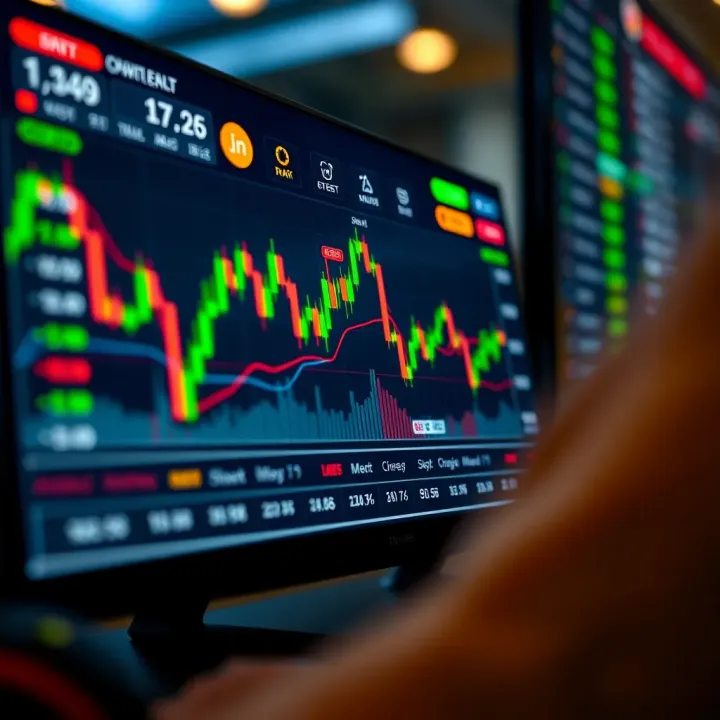
The concept behind these apps is straightforward. They simulate real trading conditions using live or near-live market data, letting you place trades and track their performance. This way, you get a hands-on feel for forex mechanics, like leverage, spreads, and order types, without the stress of financial risk.
Key benefits include:
Skill development: Build your understanding of forex markets and strategies.
Testing strategies: Try different approaches to see what works.
Familiarity with platforms: Learn how to navigate trading software used by brokers.
Practising on a demo app can save you from costly mistakes when you start trading for real.
Popular platforms like MetaTrader 4 and MetaTrader 5 have dedicated demo accounts and enjoy strong support among South African users. Local brokers such as IG and Plus500 also offer demo environments that closely mirror their live setups.
When choosing a demo app, South African traders should look out for features like:
Access to real-time price feeds.
Extensive educational resources.
Easy switching between demo and live accounts.
User-friendly mobile and desktop interfaces.
More importantly, keep in mind that trading on a demo account does not perfectly reflect live trading emotions. Once you start risking real Rands, factors like volatility and order execution speed can feel very different. That said, a demo app remains an invaluable learning tool on your forex journey.
Grasping what demo forex trading apps are and how they function is essential for anyone keen on entering Forex trading, especially in South Africa where market dynamics can be quite distinct. These apps offer a risk-free platform to learn the ropes and build trading skills before stepping into live markets. Knowing their strengths and limitations helps traders to set realistic expectations and get the most out of these tools.
A demo forex trading app is essentially a software platform that mimics real forex trading but uses virtual money instead of actual cash. It's designed to teach you trading mechanics, allowing practice without the risk of losing Rands. For example, a beginner can trade the South African rand (ZAR) against the US dollar (USD) in a demo account to experiment with buying and selling strategies.
The core purpose is education and familiarisation. It’s ideal for testing out different strategies, understanding market movements, and learning to use advanced trading tools within a controlled environment. Think of it as a flight simulator, but for forex trading.
Unlike a live account, a demo account does not expose you to real financial risk. While the trading conditions in demos often mirror live markets, the emotional pressure and actual financial consequences are absent. This difference is crucial: it means that while your strategy might seem flawless in demo, real trading often requires more discipline due to psychological factors.
Demo apps usually tap into live or delayed market data feeds to generate price quotes for currency pairs. This means the prices you see for pairs like EUR/ZAR or GBP/USD closely reflect real market movements. South African traders benefit from this by being able to practise reacting to actual market events such as SARB (South African Reserve Bank) announcements or global news impacting the rand.
That said, demo accounts might have some limitations. For instance, execution speed or order fills can differ from live trading conditions, particularly during high volatility or peak market sessions. Some brokers may simulate spreads and slippage differently, which can influence how a trade would perform in reality.
Demo trading offers invaluable practice but always remember it doesn't perfectly replicate the emotional and liquidity aspects of live markets.
In summary, understanding these apps means recognising they're a safe playground where you test strategies and get to grips with forex without risking money — but they don’t prepare you fully for the real stresses and surprises of live trading. Approaching them with that mindset helps South African traders make steady, confident progress.
Demo forex trading apps offer unique advantages for traders in South Africa, providing a no-risk environment to learn, test, and adapt before committing real money. Given the South African market’s quirks—from Rand volatility to local trading hours—demo accounts help traders make informed decisions without financial pressure or costly errors.
Learning from mistakes without losing money is arguably the primary benefit of demo accounts. New traders can make errors—such as picking the wrong currency pair or mistiming entries—without any penalty to their bankroll. This safe space reduces the anxiety around losing hard-earned Rands, enabling learners to build skills gradually. For example, a trader in Johannesburg can experiment during volatile moments around major economic releases like SARB rate decisions without risking any actual funds.
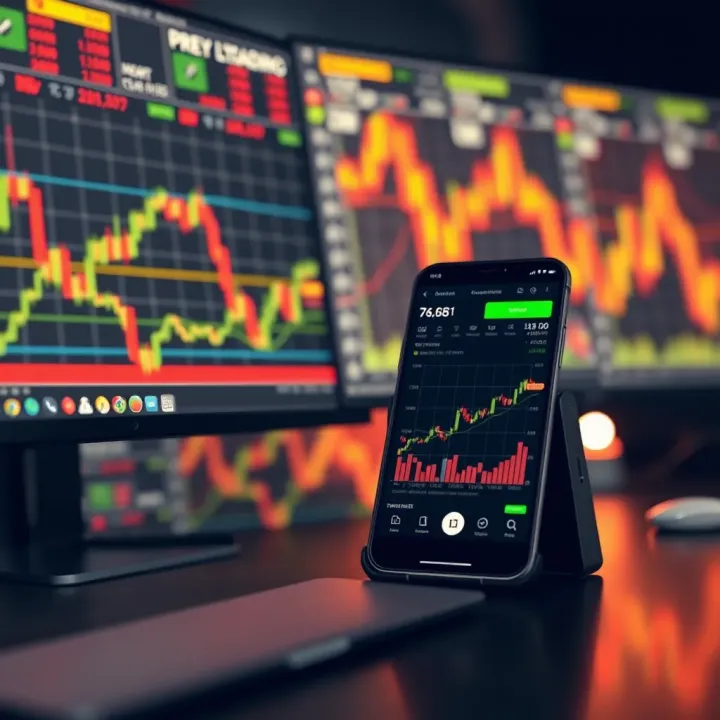
Building confidence in trading strategies goes hand in hand with risk-free practice. Repeatedly applying a strategy in demo conditions sharpens decision-making and timing. Experienced traders, too, can refine new approaches or adjust risk parameters within the demo before going live. Confidence grows as strategies prove consistent in simulated market environments resembling live trading.
Familiarising with trading interfaces is crucial. Demo apps give you hands-on experience with the platform layout, charting tools, and order placement methods. This cuts down surprises when switching to real accounts. For example, traders using MT4 or MT5 demo accounts can quickly learn to set stop-loss orders or use one-click trading without fear of messing up live trades.
Evaluating broker features and order types also matters. Different brokers offer varying order types—such as limit, stop, or trailing stop orders—that affect your risk management. A demo account lets you test how smoothly these orders execute and whether the platform handles slippage or spreads transparently. South African traders can also check how well platforms integrate with local payment methods or Rands.
Considering local currency volatility is essential for South African traders. The Rand (ZAR) often moves sharply due to political events, commodity prices, or global risk sentiment. Demo accounts let you practise trading ZAR pairs during spikes or dips, helping you understand potential drawdowns, without the risk of losing R10,000 or more during a sudden Rand plunge.
Accounting for time zones and sessions plays a significant role in forex trading success. South Africa’s time zone (SAST) means that some market sessions, like London’s open, occur during local working hours, while others overlap with quieter periods. Demo apps allow you to test trading strategies aligned with these sessions, helping you pick the best times to trade and avoid missing critical moves due to timing mismatches.
Demo trading acts like a rehearsal before the big show—it’s where you sharpen your skills, understand your tools, and adjust to local market rhythms without any of the financial stress.
In short, demo forex trading apps give South African traders practical benefits: learning and building confidence safely, mastering platforms, and tailoring approaches to local realities. This well-rounded preparation can significantly improve your chances when you finally step into the live market.
Choosing the right demo forex trading app is essential for South African traders aiming to sharpen their skills without risking funds. The features of these apps should closely replicate real trading environments, allowing users to get familiar with tools and market behaviour. Here, we break down the key elements to focus on.
A simple and intuitive interface makes a huge difference, especially for beginners. The app should be easy to navigate on both mobiles and tablets, given many South Africans rely on smartphones to access financial services. Clear menus, straightforward functions, and responsive buttons reduce frustration and speed up learning.
Customisable chart views are another must-have. Traders like to tailor timeframes, indicators, and chart types (candlestick, line, bar) according to their preferences. Being able to adjust these views helps mimic live trading setups, so users can practise technical analysis effectively. For example, some apps let you save chart layouts, which streamlines your workflow when switching between currency pairs.
Reliable demo apps provide live price feeds and fast execution speeds that reflect actual market conditions. Delays or outdated prices can mislead traders, giving a false sense of strategy performance. In South Africa, where the rand can be quite volatile against major currencies like the USD or EUR, up-to-the-minute quotes are crucial.
Indicators and analytical tools integrated into the app empower traders to make informed decisions. Common tools include moving averages, RSI (Relative Strength Index), and Fibonacci retracements. Access to these means you can test your strategies and learn to interpret market signals confidently, all without financial risk.
Integrated tutorials and guides are invaluable, especially when an app offers contextual help or step-by-step walkthroughs. This way, new users can quickly grasp concepts such as leverage, margin calls, or position sizing. For instance, some South African platforms embed short videos or articles within the app itself.
Good customer support matters too. Even with a demo, questions and technical hiccups arise. Look for apps with accessible support options—like live chat, email, or phone assistance—that respond promptly. It's a bonus if they offer help during local trading hours, matching South African Standard Time (SAST), so you’re not left hanging when you need assistance.
Choosing a demo forex app that combines practical features, reliable data, and solid support will give you the best chance to practise trading effectively and prepare for live markets.
This careful selection process helps sharpen your skills while avoiding surprises when moving to real money trading.
Choosing the correct demo forex trading app is more than just picking the flashiest interface or the one with the most downloads. For South African traders, the decision impacts both the learning curve and long-term trading success. The right app helps you familiarise yourself with market rhythms, tools, and strategies without risking real money. It also ensures that when you’re ready to move to live trading, the transition is smooth, safe, and aligned with South African trading conditions.
The FSCA regulates brokers operating in South Africa to protect investors and maintain market integrity. Demo accounts offered by FSCA-regulated brokers are generally safer to use because the brokers adhere to strict compliance standards. This means your personal data is more secure, and you won’t fall prey to fly-by-night operations. For example, brokers like CM Trading and IG South Africa have FSCA licences, giving traders peace of mind when practising with their demo apps.
Several local brokers offer demo accounts tailored for South African traders, often featuring the ZAR (South African Rand) as an account currency or reflecting local market hours. For instance, EasyEquities provides a demo environment that mimics stock and forex trading with intuitive tools, while Plus500’s demo app supports rand trading and includes popular local forex pairs like USD/ZAR and EUR/ZAR. Using a local broker’s demo account helps you get accustomed to the market nuances and regulatory requirements specific to SA.
International brokers often provide advanced demo apps with a wide range of tools, big liquidity pools, and access to more currency pairs. While some, such as IG or AvaTrade, offer free demos with no strings attached, others might restrict features unless you open a live account. South African traders should compare spreads, commissions, inactivity fees, and withdrawal charges linked to live accounts since these factors influence the overall trading experience when moving beyond the demo.
Opening accounts with international brokers can involve slightly different steps than local ones. Generally, you’ll need to provide a South African ID or passport, proof of address, and sometimes complete RICA (Regulation of Interception of Communications and Provision of Communication-Related Information Act) verification. Some international brokers might also ask for a tax number or other documentation to comply with global anti-money laundering rules. South African traders should check these requirements early to avoid delays when moving from demo to live trading.
Security is vital. Even with a demo account, you’re handing over detailed personal information. Check the demo app’s privacy policy to ensure data protection aligns with South Africa’s Protection of Personal Information Act (POPIA). Look for apps with encrypted connections (SSL certification) and transparent data use practices. A reputable broker will clearly state how your information is stored and used.
A demo app’s ultimate purpose is to prepare you for real trading. The switching process to a live account should be straightforward, without having to re-register or lose any settings, saved charts, or preferences. Brokers like HotForex make this transition seamless — one login for demo and live accounts and easy fund deposits with local payment methods like EFT or SnapScan. This ease reduces friction and helps keep your momentum going when you decide to trade for real.
Choosing the right demo forex trading app involves balancing safety, features, and practical steps toward live trading. For South African traders, focusing on FSCA regulation, local broker options, and secure, user-friendly transitions helps build lasting trading confidence.
Getting the most out of demo forex trading hinges on practising with intention. Demo accounts offer a risk-free playground, but it's easy to treat them like a game rather than a training ground. For South African traders trying to familiarise themselves with local market quirks—like rand volatility or differing trade hours—maximising demo time means approaching it with realistic expectations and clear goals.
One big pitfall is treating demo accounts as casual experimenting grounds. Because you’re not risking real cash, it’s tempting to ignore discipline and chase unrealistic returns. But this habit sets you up for disappointment, as real live trading involves emotional stakes that demo trading lacks. For instance, a trader may recklessley open multiple large positions on a demo app during rand spikes, only to find themselves totally unprepared when it’s real money on the line.
Setting clear objectives helps anchor your learning. Instead of just clicking around, define what you want to master. Maybe focus on executing proper risk management, like limiting losses to 2% per trade, or test how different stop-loss strategies work under various conditions. Keeping a trading journal—even in demo—is invaluable for tracking how your strategy holds up over time and spotting where you need improvement.
A useful demo experience replicates not just steady markets, but also volatility and news-triggered swings. In the South African context, this could mean simulating reactions to Reserve Bank announcements or rand moves linked to commodity prices. Demo apps often allow you to replay past months or days to test your response against real historical data.
Beyond testing entries and exits, managing virtual risk and reward ratio is key. You want to see how a 3:1 reward-to-risk ratio might play out in practice, ensuring your potential profits outweigh losses over many trades. Practising this discipline in demo helps ingrain a mindset that treats risk seriously, preventing overexposure when transitioning to live trading.
Jumping from demo to live trading is a big step that needs pacing. It’s wise to start small, increasing your real capital gradually rather than going all in at once. For example, begin with a modest R1,000 stake before scaling up as you gain confidence and see consistent results.
Aside from money, maintaining discipline is tough when real stakes and emotions come into play. Demo trading can't mimic the stress of losing real Rands. So traders should develop emotional control habits—like sticking to pre-defined limits and avoiding impulsive trades—to carry into live scenarios. Mindfully managing these feelings helps keep your trading on track instead of letting greed or fear drive decisions.
Practising with a clear mind and structured approach on demo accounts builds skills, but the true test is how well you carry that habit into live trading with real money at play.
Maximising demo trading means using it as a rehearsal space where lessons, discipline, and emotional control are honed—so you don’t just survive but thrive when trading South Africa’s unique forex environments.
Learn key forex terms every South African trader must know 🔍 From currency pairs to leverage and order types, boost your trading skills today!

📊 Master effective forex trading techniques tailored for South African traders. Learn smart strategies, risk management, tools, and plan your success!
💱 Understand Forex trading in South Africa: Learn how currency buying and selling works, key players, risks, strategies, regulations, and choosing the right broker.

Explore essential forex trading software 🖥️ for South African traders! Learn types, features, security tips, and choose the right platform for success 📈
Based on 10 reviews