
Finding the Right Forex Trading Mentor in South Africa
Looking for a forex trading mentor in South Africa? Discover how to spot trustworthy guides, what local traders should expect, and boost your skills with expert support 📈💼
Edited By
Benjamin Price
Choosing the right forex trading service nearby isn’t just about convenience. It can directly affect your success and safety in the fast-moving currency market. Whether you’re a seasoned trader or just getting your feet wet, finding a reliable local broker or platform calls for a clear approach.
In South Africa, the forex market attracts many, but not all brokers operate with your best interests in mind. Understanding the local trading environment can help you dodge scams and choose services that offer real value.
Make sure your chosen forex service complies with the Financial Sector Conduct Authority (FSCA). This regulatory body oversees brokers ensuring they adhere to rules protecting traders from fraud and malpractice.
When looking for a forex trading service close to you, consider:
Regulatory status: A broker licensed by the FSCA signals trustworthiness.
Local presence: Brokers with offices in major centres like Johannesburg or Cape Town may offer easier access to support.
Trading platform usability: Services should provide user-friendly trading platforms compatible with your preferred devices.
Fees and spreads: Transparent costs with no hidden charges help you better manage your trades.
Offline brokers might offer face-to-face support but often come with higher fees or limited product ranges. Online platforms in South Africa — from well-known names like IG or Plus500 to local brokers — provide quick access and diverse markets, but you’ll need to vet them for security and service quality.
Starting with smaller trades and checking client reviews can save you from costly mistakes. Remember, a broker who encourages training and offers demo accounts adds value, especially if you’re new to forex.
Finally, combine local insights with global market knowledge. Forex success is a mix of local trustworthiness and understanding international currency shifts. Take your time to research, ask questions, and choose a trading service that suits your needs and risk appetite.
Forex trading, or foreign exchange trading, involves buying and selling currencies to profit from fluctuations in their values. It is a vast, around-the-clock market where currencies such as the US dollar, euro, and South African rand are traded. For traders, understanding what forex trading involves is the foundation to making informed decisions and managing risks effectively.
At its core, forex trading means speculating on currency pairs—say, ZAR/USD—where you buy one currency and simultaneously sell the other. Traders aim to take advantage of exchange rate changes caused by economic events, political developments, or market sentiment worldwide. For example, a sudden change in South Africa's interest rates or an Eskom loadshedding announcement can cause noticeable shifts in the rand's value, impacting forex trades.
Trading forex requires not only knowledge of economic indicators but also familiarity with trading platforms and tools, such as charts and technical analysis. Unlike stock markets that operate within set hours, forex markets run 24 hours from Sunday evening to Friday night SAST, which demands flexibility from traders.
Having access to local forex services can be a real advantage, especially for South African traders. Local brokers provide face-to-face support, helping with account setup, paperwork, and practical advice tailored to the local market. Sometimes, online platforms can feel cold and impersonal, which makes local contact valuable when quick clarification or guidance is needed.
Furthermore, local brokers tend to accept local payment methods like EFT and Instant EFT, making deposits and withdrawals smoother and faster without hefty international bank fees. This accessibility can save time and reduce frustration for traders.
Local forex services also offer insights specific to South Africa's unique economic landscape. Understanding how events like SARB policy decisions, political developments, or even provincial economic health affect currency pairs is vital. For instance, the rand often reacts strongly to changes in commodity prices and mining export figures, given their significant role in South Africa’s economy.
Also, local forex firms are regulated by bodies such as the Financial Sector Conduct Authority (FSCA), ensuring compliance with South African laws and providing a layer of consumer protection. This local understanding and regulation help build trust and security in a market where scams sadly exist.
Access to nearby forex trading services isn’t just a convenience; it can often mean safer trades, informed support, and payments that work with you, not against you.
This local grounding ultimately equips traders with the confidence and resources needed to navigate the forex market effectively within the South African context.
Choosing a licensed and trustworthy forex broker nearby is fundamental for South African traders who want to protect their investments and trade confidently. Local brokers familiar with the nuances of the South African market can offer support tailored to your needs and comply with homegrown regulations designed to keep trading safe and fair.
The Financial Sector Conduct Authority (FSCA) regulates financial services, including forex trading, in South Africa. Its role is to supervise brokers and ensure they operate fairly and transparently. When a broker is FSCA-licensed, it means they’ve met specific standards and must follow rules that protect traders, such as segregating client funds and providing clear disclosure about fees.
Because of this watchdog function, dealing with an FSCA-licensed broker reduces the risk of fraud or unethical behaviour. It’s worth remembering that the FSCA also runs a public register where you can check if a broker or financial services provider is licensed legitimately.
Verifying a broker’s licence is a simple but critical step. Many scammers pose as credible brokers but lack proper licensing, and this can lead to loss of funds or poor trading conditions. Always ask for the FSCA registration number and cross-check it through the regulator’s official channels.
For instance, some international brokers might claim to comply with local regulaions without the FSCA’s authorisation. That’s a red flag signalling you should avoid them. License verification helps you weed out these risky players and ensures that the broker adheres to South African laws and consumer protections.
Before committing, dig into broker reviews from fellow traders in South Africa. While no platform is faultless, a pattern of complaints about withdrawals, platform crashes, or hidden fees can tell you a lot. Trusted websites and trading forums often reveal reputations that glossy ads gloss over.
Also, check if the broker has endorsements or awards from recognised industry bodies or media outlets. Local testimonials can be particularly insightful, highlighting service quality and responsiveness to South African traders’ unique concerns.
If possible, visit the broker’s local office or an information centre. Face-to-face meetings give you a better sense of their operation’s professionalism and transparency. You can ask questions directly about fees, platforms, account types, and support services.
Plus, having accessible local support means help is available in your time zone, often with a better understanding of challenges like loadshedding, banking delays, or data connectivity issues that affect online trading.
Important reminder: Face-to-face engagement reduces uncertainty and builds confidence, especially when starting out or investing larger amounts.
Choosing a licensed and reliable forex broker nearby isn’t just about convenience — it’s your safeguard against common trading pitfalls. Do your homework, verify licences, check reviews, and engage directly, so you can trade with peace of mind locally.
When deciding where to trade forex in South Africa, comparing local brokers with online-only platforms is necessary. Each option has distinct advantages and potential drawbacks that influence your trading success. Local brokers often provide hands-on support and fit South African trading conditions better, while online platforms boast accessibility and technology-driven features. Understanding these nuances helps you pick the best fit for your trading style and needs.
Local forex brokers offer face-to-face interaction, which many traders find valuable. Visiting a broker’s office or attending workshops can clarify complex trading concepts and build trust. For example, if you encounter difficulties withdrawing funds or need help understanding leverage options, speaking directly to a consultant makes resolving issues quicker and more reassuring.
This personal touch also extends to customised advice based on South Africa’s unique market environment. Brokers with local presence tend to understand how currency fluctuations are affected by domestic events like SARB announcements or Eskom loadshedding. They tailor their guidance accordingly, which benefits traders who want contextualised insights instead of generic advice.
Trading through a local broker simplifies deposits and withdrawals by using favoured South African payment methods. Many take payments via EFTs from local banks such as FNB or Standard Bank, creating faster, cheaper transactions compared to international payment gateways.
For instance, some local brokers accept SnapScan or Zapper for deposits, making it seamless for traders who prefer mobile payments. This ease reduces the risk of delays from foreign exchange conversions or blocked transactions that often plague online-only platforms. It also means lower fees and fewer hurdles when funding your trading account or cashing out profits.
Online forex platforms offer unparalleled convenience. You can trade from anywhere with an internet connection, day or night. This flexibility suits traders juggling jobs or other commitments, allowing them to respond swiftly to volatile market moves despite location.
Platforms like MetaTrader 4 and 5 or localised apps from brokers such as IG or ETX Capital provide advanced tools and automated strategies that boost efficiency. Moreover, signing up and setting up accounts online often requires less paperwork compared to visiting a broker’s office, saving time.
Despite their perks, online-only platforms carry certain risks. Traders might face technical issues like server outages, slow execution, or software glitches, especially during periods of high market volatility. This can cause missed opportunities or unintended losses.
Security is another concern: phishing scams and cyberattacks targeting user accounts have become more common. Without proper verification measures, some online platforms may expose users to fraud risks. For South African traders, using platforms regulated by the FSCA or reputable international authorities limits such dangers, ensuring your data and funds remain safer.
Always verify broker licences and customer feedback before trusting an online platform fully; staying cautious prevents costly mistakes.
Comparing these aspects gives you realistic expectations about what trading with local brokers or online platforms involves. The best choice depends on your priorities—whether personal support, payment convenience or technological flexibility matters more to your forex journey in Mzansi.
When picking a forex service close to you, it's vital to think beyond the mere availability of brokers. Several key factors directly shape your trading experience and influence your potential returns. Being clear on these elements can save you time, money, and hassle in the long run.
Trading costs can eat into your profits if you aren't careful. The two main expenses to watch are spreads—the difference between the buy and sell price of a currency pair—and commissions, which some brokers charge per trade. For instance, a broker offering a tight spread of 1 pip on the EUR/USD pair can be more cost-effective than one with a 3 pip spread, assuming all else is equal.
Be wary of hidden charges, too, such as fees for withdrawals, overnight financing (swap rates), or inactivity. A broker might advertise "zero commissions" but compensate with wider spreads or sluggish withdrawal processes. To stay ahead, always request a clear breakdown of all costs before opening an account.
A user-friendly trading platform is not a luxury but a necessity. Whether you’re working on a desktop or a mobile device, the platform should function smoothly and be compatible with your operating system to avoid glitches during crucial trades.
Beyond ease of use, the availability of effective tools like charting software, technical indicators, and automated trading options can boost your decision-making. For example, a capable platform might allow you to set price alerts and customise trading strategies, which keeps you responsive to market swings without needing to stare at the screen all day.
Localised customer support is a practical advantage. If you hit a snag or have questions, being able to call or visit a nearby office helps resolve issues faster than waiting on online tickets. Local support teams often understand the unique challenges of the South African market, including payment methods or regulation changes.
Trading isn't just about clicking 'buy' or 'sell'; having access to quality education and market analysis is equally important. Many good brokers offer webinars, tutorial videos, and easy-to-follow guides tailored to local economic events. Such resources sharpen your skills and ensure you're not flying blind when the rand volatility spikes or interest rate decisions are announced.
Choosing a forex service by factoring in costs, platform functionality, and support ensures you’re set up for a smoother, more informed trading journey.
This approach reduces surprises and builds confidence, especially in a market as dynamic as South Africa’s forex scene.
Starting your forex trading journey with a nearby broker can give you a solid footing, especially if you're new to the market. Local brokers tend to offer personalised service and a better understanding of South Africa’s unique economic landscape, helping you navigate market conditions specific to our region. Beyond just convenience, setting up locally means you have easier access to support, regulatory safeguards, and payment methods familiar in the local context.
Opening an account with a local broker generally requires standard identification and proof of residence documents, in line with South Africa’s Financial Intelligence Centre Act (FICA). Typically, you’ll need your South African ID or passport, a recent utility bill or bank statement as proof of address, and sometimes proof of income or employment. These documents help ensure compliance with anti-money laundering laws and protect both the broker and trader.
Local brokers usually offer several account types tailored to different trading styles and budgets. For instance, there might be a standard account with fixed spreads, a mini account requiring a lower minimum deposit, or an Islamic account that complies with Sharia law by avoiding interest charges. Knowing which account suits your trading goals and financial capacity is key; some accounts come with tighter spreads but higher commissions, while others offer leverage options that can amplify both profits and losses.
Using a demo account lets you practise forex trading without risking real money. Many South African brokers provide this option, simulating live market conditions with virtual funds. This way, you can test trading platforms, try different strategies, and build confidence before committing actual capital. Demo trading also helps familiarise you with execution speed, order types, and platform tools — all crucial factors for real trading success.
Risk management is the backbone of sustainable trading. Setting stop-loss orders, managing position sizes, and diversifying trades help limit potential losses. A local broker can advise on risk tools and strategies suited to your situation. Remember, forex trading isn’t a quick way to make money; it requires patience and discipline to protect your capital.
Many new traders fall into traps such as overleveraging, chasing losses, or failing to stick to a trading plan. Emotional decisions often lead to larger losses. Developing a clear trading strategy and sticking to it helps prevent these pitfalls. Also, beware of brokers promising guaranteed profits or quick riches — these are usually red flags. Starting locally means you can visit the broker in person if concerns arise, which adds a layer of accountability seldom found online.
Starting your forex journey through a local broker offers practical benefits like personalised guidance, regulatory protection, and tools tailored to South African traders. Taking initial steps carefully can save both nerves and rand in the long run.
By following these steps, you’re better equipped to enter the forex market with eyes wide open, grounded firmly in a trusting local relationship that supports your growth as a trader.
Looking for a forex trading mentor in South Africa? Discover how to spot trustworthy guides, what local traders should expect, and boost your skills with expert support 📈💼
📈 Master forex trading success with reliable indicators! Discover trend and momentum tools, plus how mixing them aids risk management for South African traders.
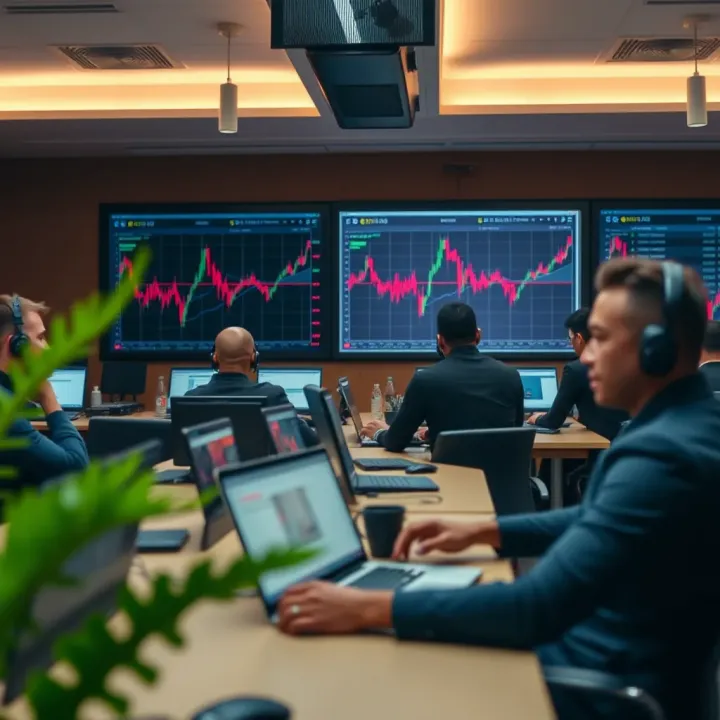
🔍 Find the best forex trading school near you in South Africa! Learn how to choose courses, spot quality teachings, and boost your trading skills effectively.
📉 Learn how Bloemfontein traders can navigate forex markets confidently, with tips on regulations, market drivers, and practical steps for South African investors.
Based on 10 reviews