

Understanding Free Live Binary Signals: A Practical Guide
Discover how free live binary signals work ⚡, learn the pros, cons, and risks 🚨, plus get practical tips for smarter binary trading in South Africa 🇿🇦.
Edited By
Charlotte Gray
Free binary trading signals offer a way for traders to make quicker decisions by providing suggestions on when to buy or sell binary options. These signals typically come from analysts or automated systems that analyse market data and forecast price movements. While free signals can be tempting, especially for new traders in South Africa looking for extra guidance, it’s important to understand how they work and their limitations.
Binary options involve betting on whether an asset’s price will be above or below a certain level at a specific time. The trading signals aim to simplify this by indicating which assets to watch and when to act. For example, a free signal might suggest entering a call option on a gold share listed on the JSE because expert analysis forecasts a short-term price rise.
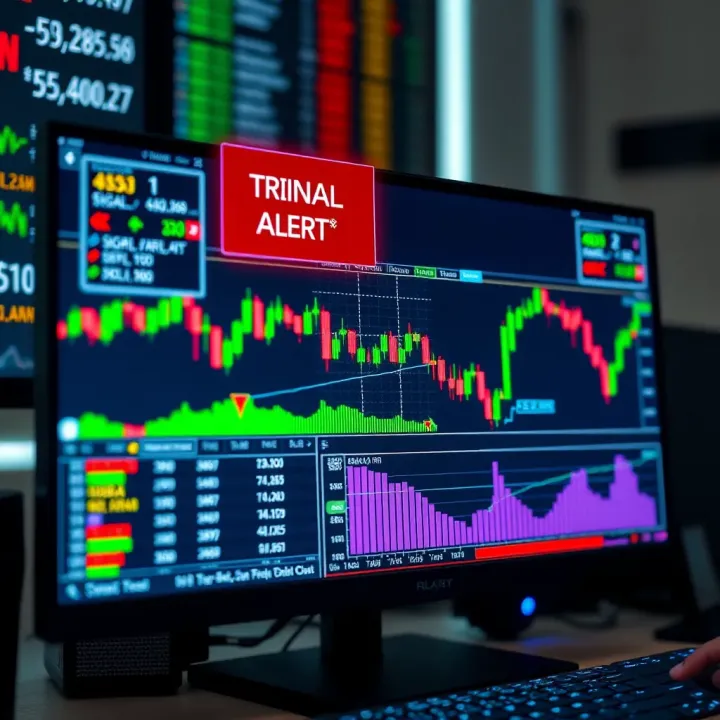
That said, not all free signals come from trustworthy sources. Some providers offer signals without robust market analysis, relying instead on guesswork or outdated data. This can lead to losses if you follow blindly.
Using free binary trading signals without doing your homework is like setting off on a road trip without a map – you might get somewhere, but probably not where you intended.
To get the best out of free binary trading signals:
Check the provider’s track record. Reliable sources often share historical performance of their signals. In South Africa, some local trading platforms or financial communities may have reputations you can verify.
Understand the strategy behind the signals. Are they based on technical indicators like moving averages, or on fundamental events like company reports or economic releases?
Integrate signals into your own strategy. Don’t let signals replace your judgement – use them as a tool alongside your market reading.
Start with small stakes. Test the signals with low-risk trades before committing serious funds.
Free trading signals can serve as an educational resource and offer additional perspectives on market moves. However, relying solely on them can leave you vulnerable, especially during volatile periods when signals may be less accurate.
Knowing how to spot credible free binary trading signals and apply them effectively can save you stress and boost your confidence as a trader. This article will explore these aspects in detail to equip you better for navigating South Africa’s trading environment.
Free binary trading signals act as pointers to potential trading opportunities in the binary options market. They provide traders with cues on when to enter or exit trades, based on specific market conditions or events. For South African traders, especially beginners, these signals can serve as shortcuts to understanding complex price movements and reduce the time spent analysing charts manually.
Trading signals aim to simplify decision-making. Instead of staring at charts all day, a signal might tell you the market is likely to rise or fall within a set timeframe. This helps traders decide quickly whether to buy a call or put option. For example, a signal might indicate that the JSE Top 40 index has a high chance of going up in the next 15 minutes, prompting the trader to act accordingly.
There are various kinds of signals: some are based on technical indicators like moving averages or RSI (Relative Strength Index), while others might rely on fundamental data such as economic releases or sudden news events. You might get instant alerts for price breakouts or warnings about market volatility. Understanding these types helps you pick signals that fit your trading style.
Binary options involve predicting whether an asset's price will go up or down within a short period. Signals directly inform these predictions by indicating probable price directions. Using signals can refine your entry points and improve your chances, but they don't guarantee success — they're tools to aid, not replace, your own judgment.
Free signals typically come from a mix of sources. These include automated software analysing live market data, experienced traders sharing tips on forums or social media, and news agencies providing updates on economic events. Some platforms offer signals extracted from algorithmic trading models that scan multiple assets simultaneously.

The backbone of most free signals is technical analysis — looking at past price data to forecast future movements. Methods like trend analysis, chart patterns, and momentum indicators play a role. Some signals may incorporate fundamental data, such as changes in interest rates or commodities prices, especially when those factors influence currency pairs or stocks related to the South African economy.
Timing matters. Real-time signals give alerts as events unfold, allowing swift trades. Delayed signals, however, arrive minutes or even hours late, which can cost you profitable opportunities, especially in fast-moving markets. When choosing a free signal service, checking how current their alerts are can make a big difference in your results.
Free binary trading signals can be valuable if you understand their sources and limitations. Using them smartly means combining signals with your knowledge and risk controls rather than relying solely on alerts.
By grasping what these signals are and where they come from, South African traders can better weigh when and how to integrate them into their binary options strategies.
Free binary trading signals come with a mix of benefits and drawbacks that traders should weigh carefully. Understanding these aspects is essential to use them effectively without falling into common traps or misunderstandings. While free signals can serve as a helpful tool, especially for those new to trading, it’s crucial to stay aware of their limits and avoid relying on them blindly.
Free signals offer a low-risk way for beginners to dip their toes into the binary trading waters without spending a cent on subscription fees or expensive software. It’s like having a knowledgeable friend whispering tips in your ear without charging for the advice. For South African traders starting out, who may be cautious about investing large sums upfront, free signals can reduce the pressure on their capital while still providing some guidance on market moves.
Using free signals can help traders develop an understanding of how market movements unfold. By comparing signals with actual price behaviour, you get a kind of real-time lesson in spotting trends and reversals. This hands-on learning approach can sharpen your own analysis skills, making you less dependent on outside tips over time. For example, following free signals from a reputable provider during the JSE trading day may highlight how certain economic releases affect asset prices.
Free binary trading signals are often easy to access via mobile apps, websites, or social media channels, making them handy for traders juggling work and life commitments. You don’t need fancy gear or to be glued to a trading platform all day. Even on a commute or during a quick break, you can get timely trading ideas. This convenience helps South African traders who might not have the time or resources for full-scale technical analysis to still engage with the markets.
One major issue with free signals is they can be hit-or-miss in accuracy. Providers may not have robust algorithms or may rely on outdated methods, so signals can lead to wrong trades. For example, a free signal that suggests a call option because of expected price rises might fail during sudden market shocks or loadshedding news affecting the rand. Traders must treat free signals cautiously and verify them with other tools.
Some free signal services prioritise quantity over quality, sending out frequent alerts that are more guesswork than insight. This can flood traders with conflicting or contradictory signals, causing confusion rather than clarity. Worse, a signal provider might not disclose poor results, leaving traders chasing losses. Always watch out for too-good-to-be-true promises or unexplained trading advice.
Free signals tend to be generic, not tailored to your specific trading style, risk appetite, or financial goals. What suits a high-risk trader may wreck the strategy of someone more conservative. Without personalised guidance, you risk making trades that don’t fit your portfolio or time horizon. This gap emphasises why free signals should complement, not replace, your own research and risk management.
Remember: Free binary trading signals can offer a learning edge and cost savings, but no signal replaces experience and careful decision-making. Treat them as one piece of a bigger trading puzzle.
Selecting a trustworthy source for free binary trading signals is crucial. The quality of the signals directly impacts your trading decisions and, ultimately, your returns. Unreliable providers can mislead you with poor advice, costing you time and money. Conversely, reliable providers supply signals that you can reasonably test, compare, and incorporate into your strategy with confidence.
The track record and performance history of a signal provider reveal a lot about their dependability. Look for services that openly share past results, such as win rates or success percentages over a reasonable timeframe. For instance, some providers publish verified monthly summaries showing how often their signals predicted the correct binary option outcome. Avoid those who only highlight isolated wins or refuse to show historical data. A consistent performance record over several months indicates robustness, which matters when markets fluctuate unpredictably.
User reviews and community feedback serve as another practical measure of reliability. Traders often share honest opinions on online forums, social media groups, or review sites specific to South African markets. Pay attention to repeated mentions about signal accuracy, the usefulness of the information, and any issues encountered, like delays or technical glitches. However, be cautious of overly positive or negative reviews that seem biased or come from unverified users. Engaging with local trading communities can provide direct insights into which free signals have proven effective in real South African market conditions.
Beware of providers promising guaranteed profits. Trading inherently involves risk, and no legitimate signal service can ensure wins on every trade. Bold claims of "100% success" or "easy daily profits" usually signal scams or highly risky tactics. Responsible providers clearly communicate the limitations of their signals and often advise using them alongside your own analysis and risk controls.
Hidden costs or subscription traps also plague some free signal services. While "free" is an attractive tag, be wary if a provider suddenly requires payment for advanced signals, charges fees after a trial period, or demands personal information without clear privacy policies. These hidden costs can quickly add up and reduce your net gains. Always read terms carefully and check if users have reported unexpected charges.
Poor customer support reflects on a provider’s professionalism and readiness to assist users facing issues. If you struggle to get a timely response, find it hard to understand how signals are generated, or receive no help with technical problems, consider it a warning sign. Reliable providers offer clear communication channels, FAQs, and prompt assistance to build trust with their users.
Choosing the right free binary trading signal provider means balancing accuracy with transparency and support. Keeping an eye out for the signs discussed here helps you avoid pitfalls and focus on signals that add real value to your trading.
Incorporating free binary trading signals into your strategy can enhance decision-making, but it’s essential to use them wisely. Signals shouldn’t replace your research or risk management but rather supplement your existing approach. This balance improves your chances of making informed trades while avoiding blind reliance on external tips.
Cross-checking signals with your own research helps verify the trade suggestions before committing real money. For example, if a free signal suggests a call option on a currency pair, it’s wise to check economic calendars for upcoming announcements or look at recent price trends to see if the signal fits the bigger picture. Doing this prevents rash decisions based solely on received alerts, which may sometimes be misleading or outdated.
Trading platforms like MetaTrader or TradingView allow you to perform quick technical analysis alongside signals. If your indicators suggest oversold conditions, confirming a bullish signal might make you more confident to take a trade. This layered approach means you’re not handing over control to others; instead, you’re using signals as a helpful starting point.
Balancing signals with risk management protects your capital when signals don’t pan out as expected. For instance, if you budget R500 per session, only allocate a smaller portion, say R100 or R150, to signal-driven trades rather than going all in. This limits losses and keeps the rest of your funds available for opportunities you identify yourself.
Also, keep stop-loss orders or expiry times in check based on your risk tolerance. Strictly following these limits helps avoid emotional reactions when trades don’t succeed, which is quite common with binary options. Remember, not every signal will be a winner, so preserve your capital by managing stakes carefully.
Treating signals as guidance rather than certainty means recognising the limits of free binary trading signals. No signal provider can guarantee profits, so approach every tip with a healthy dose of scepticism. Think of signals like a weather forecast; it informs your decisions but doesn’t guarantee sunshine. By doing this, you maintain clarity and prevent frustration when some signals fail.
Even the best traders encounter losses — signals are tools, not crystal balls.
Setting limits on signal-based trades involves deciding how much of your total trades you’ll submit based on signals. A rule of thumb could be capping signal trades at 30–40% of your daily trades, reserving the rest for your own analysis. This way, you don’t overdepend on third-party calls and keep your skills sharp.
Having a daily or weekly loss limit for signal trades also ensures you step back when things aren’t going your way. For example, if signal-based trades lose more than R200 in one session, pausing to reassess prevents chasing losses—a risky behaviour seen even among seasoned traders.
By integrating free signals carefully and with limits, you can add value to your trading strategy without losing control or risking more than you can afford. It’s about making the signals work for you — not the other way round.
Discover how free live binary signals work ⚡, learn the pros, cons, and risks 🚨, plus get practical tips for smarter binary trading in South Africa 🇿🇦.
📊 Discover how free binary signals work and where to find reliable ones in South Africa. Learn to spot scams and improve your binary trading strategy wisely.
Discover how to spot trustworthy free binary options signals 📈, understand signal types, and manage risks wisely to boost your trading decisions safely in South Africa 🇿🇦.

Learn how free forex trading signals work, their benefits and risks, plus tips for choosing reliable sources to improve your trades 📈💡
Based on 8 reviews