

Understanding Binary: Basics and Uses
🖥️ Discover how binary works, from its origins to practical uses in digital tech across South Africa and beyond. Understand this key computing system clearly.
Edited By
Isla Morgan
Binary logs play a key role behind the scenes in many computing systems, yet they remain a bit of a mystery for those new to IT or trading tech. In essence, a binary log records system events and transactions in a compact, efficient format that computers can quickly process. Unlike plain text logs, which humans can easily read, binary logs are designed for speed, reliability, and preserving detailed information.
For financial traders and analysts, understanding binary logs is no longer optional. These logs underpin the integrity of trading platforms, databases, and data feeds. They capture every event — from trade executions to data snapshots — enabling you to retrace steps or diagnose issues swiftly.
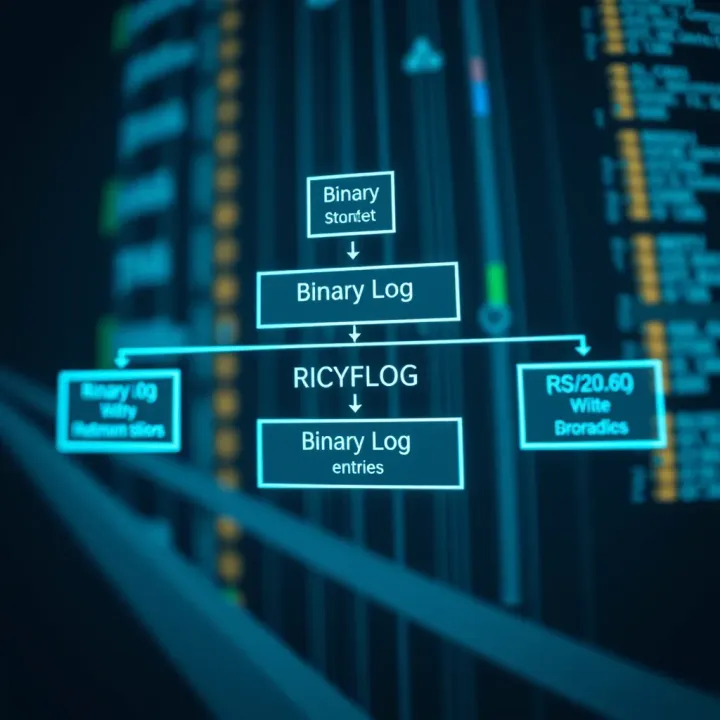
Binary logs are like detailed notebooks for your systems, recording every change without the clutter of textual explanation.
Efficiency: Binary logs consume less disk space and allow faster write operations than text logs. This matters when dealing with massive data flows like in stock exchanges.
Accuracy: They store data in precise formats that avoid loss or distortion, unlike text logs that may truncate or alter information.
Machine-readability: Programs can parse binary logs directly, essential for automated monitoring and recovery.
Consider a South African investment platform where millions of users trade shares daily. Binary logs capture each transaction detail to ensure the system’s state can be rebuilt if a glitch occurs. Similarly, a financial advisory firm analysing client portfolios might use binary logs to audit changes or backtrack decisions.
Accessing binary logs requires specific tools or commands depending on your system’s software. For example, MySQL’s binary logs can be examined with the mysqlbinlog utility, letting you dump them into readable formats. Understanding these outputs helps troubleshoot errors, recover lost transactions, or verify system behaviour.
Binary logs are indispensable for compliance, security auditing, and forensic investigations where accurate historical data is critical. SA's growing data regulations and financial sector demands reinforce their importance.

Having a solid grasp of how binary logs work equips you to maintain robust, reliable IT infrastructure especially in high-stakes environments like trading floors or advisory services. Later sections will break down the nitty-gritty of implementation, inspection, and common pitfalls to avoid.
Understanding binary logs is key for traders and financial analysts who manage complex databases or systems that require accurate historical tracking. Unlike text logs, binary logs store data in a compact, machine-readable form, allowing for quicker access and better performance when analysing vast amounts of transactional information. This difference matters because binary logs streamline tasks like auditing trades, verifying transactions, or recovering data after a system hiccup.
Binary logs record system events or transactions in a format optimised for machines rather than humans. These logs act like a detailed changelog — every event that alters the state of a database or application is logged in sequence as a binary entry. For example, in a financial trading platform, each executed trade or order modification might be captured in a binary log, ensuring an exact replay or audit trail is available.
Binary logs normally follow structured formats such as proprietary event-based layouts or open standards like Google Protocol Buffers. Such formats break down transactions into discrete entries with specific fields like timestamps, identifiers, and payload data, all stored as bytes. This compact structure saves storage space and makes parsing logs for replication or troubleshooting much faster compared to scanning bulky text records.
Binary logs excel in speed and efficiency. Because machines can directly interpret the binary format without parsing text, systems can replay or analyse logs quickly, which is crucial when monitoring live market data or conducting rapid financial audits. Besides speed, binary logs reduce storage requirements and help maintain data integrity by minimising manual edits or corruptions.
The main drawback of binary logs lies in accessibility. Since the data isn't human-readable, specialised tools or software are necessary to decode the content. For smaller setups or initial development phases, this can complicate troubleshooting. Also, mishandling binary logs without proper tools might lead to data loss or misinterpretation, especially if one attempts to open them with standard text editors.
Text logs serve well when transparency and easy manual inspection are priorities, such as simple debugging or log reviews by data analysts without tech support. In contrast, binary logs are suited to high-volume environments where quick replication, recovery, or complex analytics are essential—think of major trading floors or cloud-based financial systems processing thousands of transactions per minute.
For South African traders and analysts, recognising when to implement binary logs versus text logs can mean the difference between rapid incident response and prolonged downtime.
Grasping how to access and read binary logs is vital for any IT professional working with databases or systems that rely on data integrity and replication. These logs offer a behind-the-scenes look at changes made to the system, allowing you to track, troubleshoot, and recover data more confidently.
Several software utilities make handling binary logs manageable. For instance, MySQL provides tools like mysqlbinlog, which converts raw binary log files into readable text. This is quite handy when you want to inspect transactions or diagnose issues without digging through undecipherable files. Additionally, some third-party tools like Percona Toolkit offer more features tailored to binary log parsing and analysis, which can simplify complex tasks.
On the command line, accessing binary logs requires specific commands. For MySQL, the mysqlbinlog utility allows you to view and even replay binary logs. A basic command would be:
bash mysqlbinlog /var/lib/mysql/mysql-bin.000001
This outputs the contents for inspection. MySQL also supports filtering options like `--start-position` or `--stop-position` to narrow down the entries to a specific range, useful when dealing with large logs. Mastering these commands helps maintain control over database replication and repair.

### Understanding Binary Log Content

#### Structure of entries

Each entry in a binary log corresponds to a discrete event—usually a database operation such as an insert, update, or delete. These entries typically contain metadata like timestamps and server IDs alongside the actual SQL statements or row changes. Recognising this structure helps in pinpointing when exactly a change occurred and which component initiated it.

#### Common schemas or formats

While formats can vary, binary logs usually follow a fixed schema that starts with a header, followed by a sequence of events. MySQL binary logs, for example, store events sequentially with types such as Query Event, Table Map Event, and Write Rows Event, among others. Knowing these event types is useful for analysts to understand the nature of each logged operation.

#### How to interpret the data

Interpreting binary logs involves translating the recorded events into meaningful actions—whether rolling back accidental changes or verifying replication status. Using tools like `mysqlbinlog`, you can convert the binary data back into SQL statements that clearly show what happened. For example, a replicated server might apply these logs to sync with the master, so understanding the log entries ensures replication is running smoothly.

> Accessing and reading binary logs isn’t just a technical task; it’s a core part of safeguarding data integrity and making informed decisions about system maintenance.

Being comfortable with these tools and knowing what to look for inside the logs arms you to manage systems more effectively, particularly in environments sensitive to data consistency like financial trading platforms, bank databases, or investment monitoring systems.

## Practical Uses of Binary Logs in System Management

Binary logs play a vital role in the everyday management of IT systems, especially databases. They offer a detailed record of changes, acting as an audit trail to understand system behaviour and recover from issues. South African IT teams often rely on these logs to ensure systems stay live and data integrity remains intact — essential in a landscape where downtime can cost serious money.

### Replication and Data Recovery

Binary logs are the backbone of database replication. When a master database records changes as binary logs, these logs get sent to replica databases to apply the same updates. This means that if you have a primary server in Johannesburg, replica servers elsewhere, say Cape Town or Durban, can stay in sync without manual intervention. This setup not only balances loads across servers but also creates redundancy, limiting the risk of data loss.

When things do go south, like accidental deletions or corrupted tables, binary logs become lifesavers. Because every change is recorded, you can replay the events up to the point of failure to recover lost data. For example, a Cape Town-based fintech startup could reconstruct their database to just before a botched update caused data corruption, saving them from severe disruptions and costly recovery services.

### Monitoring and Troubleshooting

Binary logs also help detect issues early on. By analysing the sequences and timestamps in the logs, administrators can spot irregularities like failed transactions, unexpected rollbacks, or suspect query patterns. For instance, if a database suddenly logs repeated failed login attempts, it could indicate a brute force attack in progress — knowledge crucial to kickstart immediate security measures.

Besides problem detection, these logs offer paths to performance tuning. Operators can review which queries take longest or generate the most changes, then optimise those specific parts. Consider an online retailer during Black Friday sales: by sifting through binary logs, they can identify bottlenecks or heavy writes slowing down their system and take targeted actions, such as indexing tables differently or adjusting caching strategies.

> Binary logs aren’t just dry records; they’re a strategic tool. Whether replicating data smoothly across different servers or keeping systems healthy and responsive, these logs provide the transparency and control IT pros in South Africa need to stay ahead.

Altogether, understanding and properly using binary logs can significantly lift the robustness and efficiency of system management — a must-know for any serious IT professional or financial data analyst working with databases.

## Security Considerations When Handling Binary Logs

Binary logs often contain detailed records of system or database changes, making them a valuable source of information. However, this also means they hold sensitive data that could be exposed if not secured properly. For traders, financial advisors, or analysts working with sensitive transaction logs or market data, safeguarding these logs is essential to maintaining confidentiality and trust.

### Protecting Sensitive Information

**Encryption options** enable the protection of binary logs both at rest and during transmission. Encrypting log files ensures that even if an unauthorised party gains access, the data remains unreadable without the appropriate decryption key. Tools like OpenSSL or built-in encryption features in database systems such as MySQL can be configured to secure binary logs. For example, MySQL supports encrypting its binary log files to prevent data leaks during replication or backup processes.

Besides encryption, compressing and encrypting archives of older logs before storing them in offsite servers or cloud storage adds another defence layer against data breaches or unauthorised access. This practice also benefits compliance with regulations that demand strict data privacy measures.

**Access control measures** limit who can read or modify binary logs. Setting file permissions on server directories where logs reside is a basic step. In a South African business context, administrators often use role-based access control (RBAC) within database management systems to restrict log access only to necessary personnel. For instance, only senior DBAs or security officers might have rights to read or purge these logs.

Implementing audit trails to monitor who accessed logs and when is a sensible addition. It helps detect unusual access patterns early, particularly important when dealing with financial logs reflecting market transactions or client data. Combining access control with strong authentication methods, such as multi-factor authentication (MFA), further reduces the risk of internal or external threats.

### Common Risks and Mitigation Strategies

**Data corruption risks** arise from hardware failures, improper system shutdowns, or software bugs. Corrupted binary logs can lead to incomplete replication or complicate data recovery efforts. To reduce this risk, regular integrity checks using checksums and periodic backup of logs are recommended. Financial institutions often run scheduled jobs to verify logs' health before using them for audits or dispute resolution.

Furthermore, employing redundant storage solutions, like RAID-configured disks or network-attached storage (NAS), can help preserve log integrity despite physical drive failures.

**Unauthorised access prevention** is critical because binary logs often contain transaction histories, user actions, or configuration changes that could be exploited if leaked. Apart from encryption and access control, network segmentation stops unauthorised users from reaching servers where logs are stored. For instance, critical database servers holding binary logs should reside behind firewalls or within separate virtual LANs (VLANs).

On top of this, routinely updating system patches and security settings closes vulnerabilities that hackers might exploit to access log files. South African firms should also be mindful of compliance with POPIA (Protection of Personal Information Act) concerning data security when handling logs with personal information.

> Securing binary logs is not just about protecting files; it's about ensuring your entire system’s integrity, trustworthiness, and compliance with security standards.

## Common Challenges and Solutions Related to Binary Logs

Binary logs are invaluable tools for database recovery and replication, but managing them comes with its fair share of hurdles. From ballooning file sizes to access snags, these challenges can disrupt system performance and data integrity if not handled properly. Let’s look at the practical solutions that keep binary logs effective and manageable.

### Managing Log Size and Storage

#### Strategies to limit log growth
Binary logs can swell quickly, especially in busy systems like financial trading platforms or stock exchanges where every transaction is recorded. To keep log size in check, one common approach is setting size limits on individual log files. For instance, configuring the MySQL server’s `max_binlog_size` parameter restricts how large each binary log file can grow before rotation occurs. Another tactic is controlling the retention period, deleting logs older than a specific timeframe. This prevents unnecessary storage buildup without compromising recent recovery options.

Using incremental backups alongside binary logs also helps. By combining regular snapshots of the database with log files, systems avoid relying solely on long log chains for recovery. This mix reduces the total log volume and keeps storage manageable.

#### Archiving and cleanup approaches
Archiving older binary logs to external storage, such as network-attached storage or cloud solutions, is a smart way to preserve data without clogging up local disk space. South African businesses, especially those experiencing frequent loadshedding, benefit from this as it prevents local systems from filling up and stalling.

Automating cleanup tasks using scheduled scripts or database management tools is another practical step. For example, running a cron job that purges logs older than 30 days ensures your system isn’t weighed down by irrelevant files. Archival strategies must balance quick access needs with long-term storage requirements, particularly when logs serve compliance or auditing purposes.

### Troubleshooting Access Issues

#### Interpreting errors
Access problems with binary logs often manifest as error messages referencing file permissions, missing files, or file corruption. When a command-line tool returns 'Access denied' or 'Cannot find binary log file', it usually signals permission settings or incorrect file paths. Ensuring that the database user has appropriate read privileges and confirming the log directory’s correctness are first steps.

Understanding error codes specific to your database system matters. In MySQL, error code 1236, for example, indicates the slave server is trying to retrieve a binary log that no longer exists on the master. Knowing this helps avoid wasting time chasing red herrings and points directly to log retention or replication lag issues.

#### Dealing with corruption or incompatibility
Binary log corruption can occur due to abrupt shutdowns, hardware faults, or software bugs. Corrupt logs hinder replication and recovery, creating headaches for IT teams. The remedy often involves restoring from the last known good backup and skipping the corrupted log entries.

Compatibility issues surface when binary log formats or versions don’t match client tools or database engines. For instance, upgrading MySQL without updating replication slaves might trigger errors reading binary logs. Keeping systems and tools aligned through planned updates prevents these mismatches. In some cases, converting logs to compatible formats or using intermediate parsing tools helps salvage valuable data without full system downtime.

> Staying on top of binary log challenges requires proactive upkeep — automated maintenance, clear error interpretation, and practical archiving keep systems reliable and speedy.

Addressing these common issues ensures binary logs serve their real purpose without becoming a burden, particularly in fast-moving financial and trading environments where every second counts.🖥️ Discover how binary works, from its origins to practical uses in digital tech across South Africa and beyond. Understand this key computing system clearly.

🔬Explore binary compounds made of two elements. Learn their formation, naming, types, properties & how they apply locally in South African science and education.

🖥️ Explore how binary file viewers help you inspect non-text files' raw data. Learn practical tips, safety advice, and tools suited for South African software and troubleshooting.

📷 Discover how binary images use just two pixel values for sharp visuals, practical uses in SA tech, and techniques to handle quality challenges with smart tools.
Based on 7 reviews