

Graphic Trends in Binary Options Trading
📊 Explore how graphic trend analysis boosts binary options trading decisions in South Africa. Learn key patterns, tools, risks & practical tips.
Edited By
Lucy Harwood
Binary options trading has gained attention among traders and investors keen to explore financial opportunities with straightforward setups. At its core, binary options offer a simple yes-or-no prediction on an asset’s price movement within a specific timeframe. This clear-cut nature makes it accessible, yet the risks demand careful understanding.
Think of it like predicting if a taxi fare will be over R50 or under R50 before the ride ends. If you guess right, you earn a fixed payout; get it wrong, you lose your stake. It’s quick, but not as straightforward as it seems.
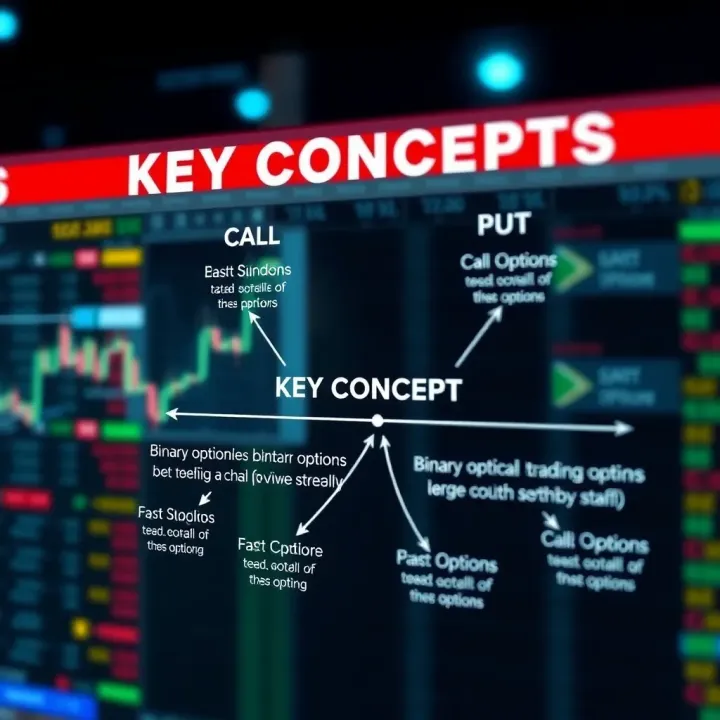
Underlying assets: These can be shares, currencies (like USD/ZAR), indices, or commodities (think gold or petrol).
Expiry times: Binary options can expire within minutes or stretch over hours or days.
Fixed payouts: Unlike traditional trading, payouts are pre-defined, letting you know potential returns up front.
Understanding these basics helps set realistic expectations and steering clear of common pitfalls.
Remember, the simplicity of binary options does not mean they are low risk. Incorrect predictions lead to total loss of investment on that option.
Earning quick returns might sound appealing, but the market’s volatility can catch you off guard, especially with unexpected movements in rand exchange rates or global commodities prices. Plus, not all binary options platforms operate under South Africa’s FSCA (Financial Sector Conduct Authority) regulations, so choosing a properly licensed broker is key for protecting your investment.
Many traders use binary options for:
Forex predictions: Speculating on the rand’s strength against currencies like the US dollar.
Commodity price bets: Guessing if gold or platinum prices will rise following economic news.
Index movements: Betting on JSE index directions during trading sessions.
These examples show how binary options can be integrated with other trading knowledge but require solid strategy and risk control.
This article will cover how to spot trustworthy brokers, craft strategies grounded in realistic goals, and prepare using guides tailored for South African markets. The aim is to empower you to make informed choices rather than gambling blindly.
Binary options trading represents a simplified form of investment where you predict whether the price of an asset will rise or fall within a set timeframe. It differs from traditional trading by having only two possible outcomes: either you win a fixed payout or lose your initial stake. This makes binary options straightforward for newcomers who might find the complexities of conventional markets overwhelming.
Binary options are financial contracts that offer a fixed return if your prediction about an asset’s price movement is correct at expiry. Unlike traditional trading, which involves owning the asset or speculating on price changes with varying profit margins, binary options simply require a “yes” or “no” forecast. For example, you might bet R1,000 on the Rand/USD pair rising in the next hour. If your call is right, you might earn R1,800; if wrong, you lose the R1,000.
There are several types of binary options to suit different trading styles. The most common is the “up/down” or call/put option, where you predict price direction. Then there are “one-touch” options where the asset price has to hit a target price for you to earn. Lastly, “range” options require the price to stay within a certain band at expiry. These variations allow traders to tailor their approach, for instance picking quicker expiry times for active trading or longer ones for cautious bets.
South African traders often use platforms like IQ Option, Binomo, and ExpertOption because they offer access to local banks and support ZAR deposits. These platforms provide user-friendly interfaces, multiple expiry options, and clear risk disclosures. It’s crucial to pick reputable ones regulated by bodies like the FSCA or with a transparent track record to avoid scams, which unfortunately have been reported in this space.
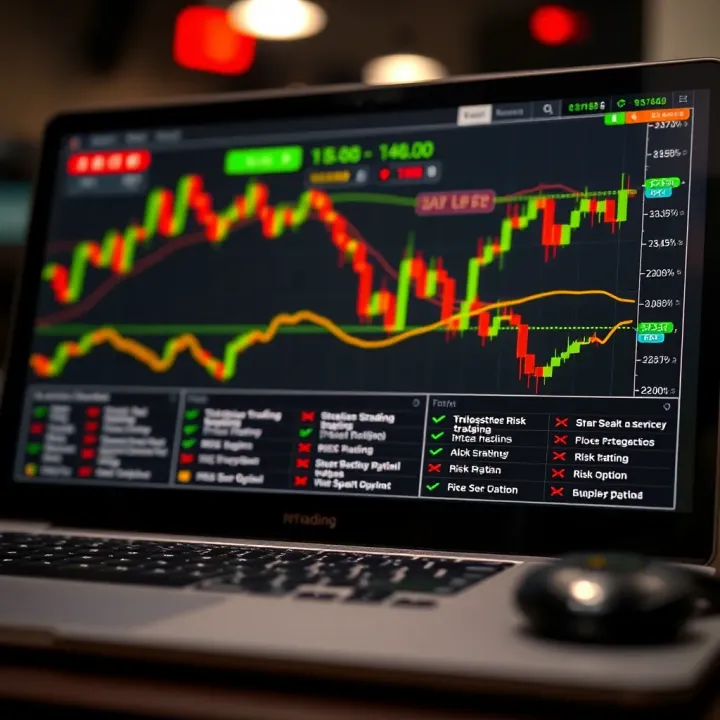
When you place a binary option trade, you select the asset (like stocks, commodities, or forex pairs), choose the trade amount, and predict if the price will be higher or lower at expiry. Once your trade is live, there are two outcomes: a fixed payout if correct or a loss of the invested amount if not. For example, if you wager R500 on gold’s price rising and it does, you may get R850 back, which includes your original stake plus profit.
Expiry times can range from 30 seconds to several weeks, impacting both strategy and risk. Short expiry times suit scalpers who rely on quick market moves but come with high volatility and risk. Longer expiry provides time for market trends to develop but may require more patience and market understanding. For South African traders, balancing expiry times with daily schedules and market hours (like JSE trading times) can be a practical consideration.
Payouts are usually fixed percentages of your invested amount, commonly between 70% and 90%, but vary by asset and platform. The risk is that you could lose your entire stake if the market doesn’t move as predicted. It’s essential to factor in the payout ratio versus success rate to maintain profitability. For instance, winning 60% of trades at 80% payout nets profit, whereas winning less frequently can lead to losses. Managing stakes carefully and avoiding overexposure helps protect your capital.
Binary options trading offers clear risk-reward definitions, but careful selection of trades and disciplined money management are key to navigating its ups and downs effectively.
Grasping the key terms and concepts of binary options trading is essential for anyone serious about entering this field. These terms shape your understanding of how trades work, what to expect, and how to manage risks effectively. Without a solid grasp of the basics like strike price, expiry time, payouts, and the types of options, trading is more guesswork than strategy.
Strike price, expiry time, payout are the cornerstones of every binary options trade. The strike price is the value level you predict an asset will be above or below by the expiry time — think of it like the finish line for your bet. Expiry time is the exact moment when the trade ends and your prediction is judged. For example, if you buy a binary option on the price of gold with a strike price of R1,000 per gram and an expiry of 30 minutes, your trade outcome depends entirely on gold's price at that precise time. Payout refers to the return you get if your prediction is correct, usually expressed as a percentage of your initial stake. It’s important to know these so you can plan your trades carefully and avoid surprises.
Call and put options are the basic types of binary options. A call option predicts the asset’s price will be higher than the strike price at expiry, whereas a put option predicts it will be lower. Take the JSE’s Top 40 index as an example: if you expect the index to rise over the next hour, you’d buy a call option; if you think it’ll fall, you'd buy a put option. This simple binary choice narrows down your decision-making but also demands close attention to market trends and timing.
Risk-to-reward ratio helps you weigh the potential profit against the amount you could lose on each trade. In binary options, this ratio is generally fixed because your payout and loss are known upfront. For instance, if a broker offers a 75% payout for a winning trade but you lose your entire stake if wrong, your risk-to-reward ratio is quite tight. Understanding this ratio lets you judge how many successful trades you need to break even or profit, which is crucial when sizing your investments.
Basic technical indicators like moving averages, Relative Strength Index (RSI), and Bollinger Bands help traders identify market trends, momentum, and potential reversal points. For example, if the RSI signals an overbought condition on a particular share listed on the JSE, you might consider a put option anticipating the price will drop soon. These indicators offer more than guesswork; they give measurable insights that inform your trade decisions.
Market analysis methods relevant to binary options include both fundamental and technical approaches. Technical analysis looks at price charts and patterns, while fundamental analysis considers economic data, company news, or events that may sway the asset’s price. For instance, Eskom’s announcement of load shedding levels could influence the share price of companies reliant on a steady power supply, affecting your strategy. Combining these methods gives a fuller picture and can help avoid trades based on rumours or incomplete info.
Knowing your terms and when to use which indicators is like having a reliable map when navigating the trading terrain; it doesn't guarantee success but sharply reduces guesswork and risk.
Understanding these key terms and tools gives you a far stronger foundation to trade binary options with confidence and clarity, especially in South Africa's fast-moving financial markets.
Practical strategies form the backbone of successful binary options trading, especially in the volatile markets many South African traders face. Without a clear plan, trading often becomes guesswork, which can quickly erode capital. This section highlights straightforward approaches and risk management techniques that can help you trade more consistently and with greater confidence.
Trend following is one of the simplest and most reliable strategies for beginners. It involves identifying an ongoing market direction—upwards or downwards—and trading in that same direction. For example, if the price of a particular stock or commodity is steadily increasing, a trader might place a "call" option predicting it will continue rising until expiry. The rationale is simple: markets tend to move in trends, so joining a well-established trend boosts your chances of success. In South African markets, where assets like gold or rand-dollar may show clear directional moves due to economic news, this approach can be particularly useful.
Reversal trading looks to capitalise on points where the market changes direction. This requires more experience since spotting genuine reversals versus mere pullbacks can be tricky. A reversal trader might, for instance, watch for a sharp decline in a forex pair such as USD/ZAR, followed by signs the sell-off is exhausting. They would then place a "put" option, expecting the price to bounce back. This method demands careful observation of candlestick patterns or technical indicators like RSI, helping to time the trade just right.
News-based trades are about leveraging major events and announcements that impact asset prices short-term. South African traders often react to factors like SARB interest rate decisions or Gauteng municipal election results. Placing trades just before or just after such news releases can lead to profitable moves, but the risk is high due to market unpredictability. It works best for nimble traders who keep a close eye on the news calendar and have clear exit plans.
Setting limits on investment per trade is crucial to protect your capital. A common rule is to risk no more than 1-2% of your total trading funds on any single trade. So, if you have R10,000 for trading, you would only risk R100-R200 per option. This keeps losses manageable and helps avoid devastating hits. Over time, disciplined position sizing increases your chances of trading profitably without blowing your account.
Diversification and avoiding overexposure means spreading your trades across different assets, expiry times, or strategies rather than putting all your funds on similar trades. For example, instead of investing all in rand-dollar options, you might split investments between commodities, indices, and forex pairs. This reduces exposure to any one market’s sudden swings, which is particularly valuable during unpredictable times like Eskom load-shedding periods when markets may react unexpectedly.
Recognising signals to exit trades is just as important as entering them. This can mean cutting losses early when a position moves against you or locking in profits when early signs of reversal appear. For instance, using a stop-loss based on certain indicator levels or price points helps avoid chasing losing trades. Exiting at the right time prevents erosion of gains and protects your trading psychology from frustration.
Practical strategies paired with solid risk management help South African binary options traders build resilience and maintain steady growth, even when markets get tricky.
By understanding and applying these basic approaches, you can tackle binary options trading methodically rather than gambling on luck.
Binary options trading offers opportunities, but it carries its share of traps. Understanding common pitfalls is crucial — it can save you hard-earned Rand and preserve your confidence as a trader. This section lists key challenges you'll likely face and practical ways to steer clear of them.
Red flags in brokers and platforms usually show up early if you know where to look. Be wary of brokers promising guaranteed returns or requesting large upfront deposits without proof of regulation. If a platform lacks transparency about its ownership or contact info, or if customer reviews are overwhelmingly negative, these might indicate a dodgy operation. For example, some offshore brokers target South Africans by advertising flashy bonuses but fail to pay out winnings or impose unreasonable withdrawal restrictions.
Checking the platform’s licence status is equally important. Legitimate brokers must hold licences from recognised authorities. In South Africa, the Financial Sector Conduct Authority (FSCA) regulates authorised financial service providers. Brokers without an FSCA licence or one from a credible international regulator like the UK's FCA should raise concern. Using unlicensed brokers exposes you to legal risks and financial loss, as there’s little recourse if things go south.
Overtrading and chasing losses are classic mistakes that stir trouble fast. After a losing run, you might feel tempted to recover losses by placing bigger or more frequent trades. This often leads to even larger setbacks because decisions get driven by frustration, not logic. A pro tip is setting strict trade limits and sticking to them — only trade amounts you can afford to lose, and take breaks if emotions run high.
Ignoring market research is another blind spot. Some traders jump in based on instinct or hearsay, neglecting fundamental or technical analysis that can guide wiser choices. For instance, overlooking economic events like South Africa’s interest rate announcements or global commodity shifts could catch you off guard. Regularly studying charts, indicators, and news feeding into asset prices helps ground decisions in fact rather than guesswork.
The danger of relying on tips and hot picks can’t be overstated. Social media and chat rooms often flood with glowing trade suggestions, but these can be biased, outdated, or outright scams. Taking unverified tips at face value risks wiping out your investment quickly. A safer route is developing your own strategy through learning and practice, using reliable sources instead of chasing quick wins based on others’ calls.
Wise traders know that protecting capital by avoiding these pitfalls is as vital as making winning trades. Stay alert, do your homework, and trust your sense of caution alongside analysis.
Avoiding these common traps gives you a steadier footing in binary options trading — not every trade will be a winner, but you can keep more of your money for the long haul.
Leveraging quality PDFs and other learning materials can make a big difference when you're starting out with binary options trading. PDFs provide a clear, organised route through the basics and more advanced concepts, allowing you to work through information at your own pace. This structured learning acts like a steady foundation, helping you build confidence without getting overwhelmed by too much detail at once.
Well-made PDF guides often break down complex terms, trading strategies, and risk management techniques into digestible chunks. For instance, a PDF from a reputable source might include charts demonstrating trade outcomes or case studies relevant to South African market conditions. Having a resource that you can bookmark and revisit is particularly useful when juggling trading alongside a busy schedule.
Good-quality PDFs you come across online often come from licensed brokers or recognised educational platforms that offer up-to-date insights. Examples include guides produced by established brokers operating under South African regulations, detailing their platform features as well as broader market overviews. These resources can save time compared to picking through countless random websites, helping you avoid misinformation common in unregulated spaces.
Video tutorials and webinars add an interactive layer to your learning. Watching a trader explain live chart movements or trade setups can clarify things that might seem confusing in text alone. Some South African brokers regularly host webinars tailored to local traders, offering practical tips while addressing questions in real time. This kind of direct engagement helps bridge theory and practice.
Demo accounts and trading simulators are essential for hands-on experience without risking actual money. Using these tools, you can experiment with different binary options strategies and understand the timing and payouts without pressure. For example, MTN-run platforms or internationally recognised brokers often provide free demo accounts, which let you see how your choices actually play out in real market conditions.
Communities and forums offer another dimension – sharing real experiences, common pitfalls, and helpful tips. South African forums dedicated to trading, such as those found on MyBroadband or Facebook groups, create spaces where traders openly discuss their wins and losses. These gatherings help you avoid feeling isolated and provide a sense of camaraderie, not to mention insights you won’t find in official materials.
Using a mix of PDFs, videos, practise accounts, and community engagement gives you a well-rounded understanding of binary options trading. This approach reduces risk and boosts your readiness before committing real funds.
📊 Explore how graphic trend analysis boosts binary options trading decisions in South Africa. Learn key patterns, tools, risks & practical tips.

📊 Discover how free binary signals work and where to find reliable ones in South Africa. Learn to spot scams and improve your binary trading strategy wisely.

Explore YouMoney Binary's trading platform for South Africans! Learn key features, strategies, risks, and tips for smarter binary options trading 📊🇿🇦

Explore top free binary options trading books to boost your skills. Find where to get them and key topics covered. Start learning smart strategies today! 📚💡
Based on 7 reviews