
Best Trading Apps for South African Investors
Find the best trading app for South African investors 📈 Compare usability, costs, security, and more to match your trading goals with confidence.
Edited By
Liam Carter
Binary trading apps have surged in popularity among South African traders for their simplicity and quick access to financial markets. Unlike traditional stock or forex trading, binary options require a trader to predict whether an asset’s price will rise or fall within a set timeframe, often just minutes or even seconds. This straightforward "yes or no" proposition attracts those who prefer fast decisions over complex analysis.
Most binary trading platforms offer assets such as stocks, indices, commodities like gold or oil, and even currency pairs. For example, on a South African platform, you might bet that the price of Brent crude oil will be higher at 2 pm than it is at 1:55 pm. If your prediction is correct, you earn a fixed payout; if not, you lose your stake.
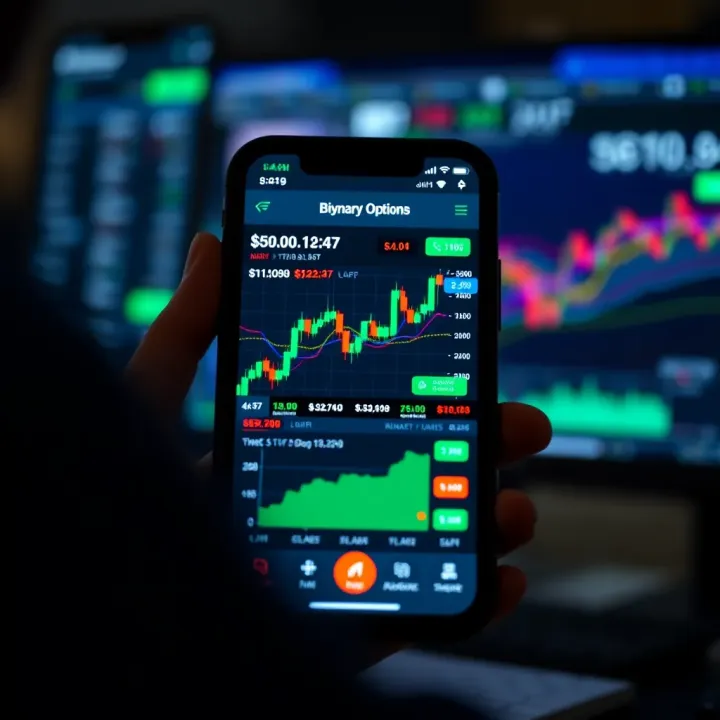
However, these apps come with risks. The all-or-nothing nature means losses can happen swiftly, particularly during volatile market hours or when relying on short expiry times. Moreover, not all platforms available locally are regulated by the Financial Sector Conduct Authority (FSCA), which raises questions about the security of funds and fairness of trades.
Remember, binary trading is more akin to speculation than investing. It demands discipline, understanding of underlying assets, and strict risk management.
South African traders looking to use these apps should:
Confirm the platform’s FSCA registration or international licence
Start with demo accounts to grasp mechanics without financial exposure
Avoid chasing losses by sticking to a clear trading plan
Use only disposable income and never rely on credit
By approaching binary trading apps with caution and informed strategy, traders can engage with financial markets confidently rather than blindly chasing quick profits. This guide will unpack how these apps work, risks you should mind, and top platforms available for South African users.
Understanding how binary trading apps operate is fundamental for South African traders looking to engage safely and confidently with these platforms. These apps simplify the typically complex world of trading by allowing users to make predictions on financial assets with a clear, fixed return or a total loss. This straightforward approach appeals to many new traders but also carries unique challenges and considerations.
Binary trading is based on a simple yes-or-no proposition: will the price of an asset be above or below a certain level at a specified time? This structure means traders either receive a predetermined payout or lose their initial stake, with no middle ground. For example, if you predict the gold price will rise in the next hour and it does, you might get back 80% of your investment on top of your initial amount. If you're wrong, the whole stake could vanish. This ‘all-or-nothing’ model demands careful timing and decision-making, as the potential gains are balanced against full losses.
Binary trading apps typically offer several asset classes to choose from, each with varying volatility and trading hours. Common assets include major currency pairs like USD/ZAR due to South Africa's currency exposure, popular indices such as the JSE Top 40, commodities including gold and platinum, and major global stocks from companies like Apple or Tesla. This variety gives traders flexibility to pick markets they understand or track regularly, which helps in making informed predictions.
Modern binary trading apps are designed for ease of use, emphasising quick access to markets and simple navigation. A clear, intuitive interface lets traders spot potential trades fast and place bets in seconds — essential in markets where every minute counts. For example, local apps often include clear indicators for active trades and simple buttons for betting ‘up’ or ‘down’, streamlining the experience for new traders.
Accurate, up-to-the-minute pricing is a must-have for binary traders, as decisions hinge on small price movements visible only with fast data. Good apps provide real-time data feeds and incorporate useful analytics like trend charts, volume indicators, and price alerts. For instance, a trader watching the USD/ZAR currency pair would rely on these tools to time entries and exits effectively, especially when reacting to local economic news or SARB announcements.
One major benefit of binary trading apps is the swift execution and clear settlement terms. When a trader selects an option, the trade confirms immediately, locking in the stake and payout odds. At expiry, the app automatically settles the trade: either crediting profits or deducting the loss. This quick turnaround contrasts with traditional markets, where settlement can take days. For South African traders, this immediacy means capital can be reinvested without delay, though it also demands discipline and a clear strategy to manage continual risks.
Successful binary trading requires understanding these core features and recognising the balance between simplified opportunities and inherent risks inherent to ‘all-or-nothing’ payoffs.
By grasping how these apps work and what each feature means in practice, South African traders can better decide if binary trading suits their financial goals and risk appetite.
Binary trading apps have attracted many South African traders because they simplify access to financial markets. However, understanding the benefits and drawbacks is key to making informed decisions. This section outlines the main advantages and risks linked to these apps, helping you weigh the practical impacts on your trading activities.
One of the biggest draws of binary trading apps is their accessibility. You can trade directly from your mobile device anywhere with a data connection, whether you're on a Gauteng taxi or at home in the Western Cape. The apps offer real-time pricing and fast order execution, which means you can respond quickly to market movements without waiting for a broker. This speed is crucial in binary trading, where outcomes depend on short-term asset price changes.
Speed combined with easy-to-use interfaces lowers the entry barrier for newcomers. Instead of navigating complex platforms, beginner traders can place trades in a matter of seconds. This immediacy appeals especially to younger traders who are used to on-demand digital services.
Unlike traditional trading that often demands significant capital to manage risk properly, many binary trading apps allow you to start with minimal amounts—sometimes as low as R100. This lower threshold makes trading more accessible for people who don’t have a spare R10,000 or more sitting around.
That said, using low capital is a double-edged sword. While it reduces the amount you can lose upfront, it also limits your ability to diversify trades or recover quickly from losses. Still, for those wanting to dip their toes without overcommitting, these apps offer a practical way in.
Binary trading is essentially a bet on whether an asset’s price will be higher or lower at a set expiry time. The "all-or-nothing" payout means you might lose your entire stake if the trade doesn’t go your way. This structure makes the risk profile sharper compared to other financial instruments.
In South Africa, where many traders might be trying out these platforms with limited experience, the potential for rapid losses is quite real. It demands strict risk management and discipline—not every trade will succeed, and chasing losses often leads to deeper trouble.
Trading on binary apps is not the same as investing. The quick-win appeal hides the fact that losses can mount just as fast, so caution is essential.
Unfortunately, binary trading apps are sometimes exploited by untrustworthy operators. Some platforms may manipulate the pricing or delay payouts, trapping users. Given South Africa’s rapid growth in fintech, scams have unfortunately found fertile ground.
Checking the legitimacy of an app through regulatory bodies like the FSCA (Financial Sector Conduct Authority) can help avoid falling victim. Staying vigilant and avoiding offers promising guaranteed profits is critical.
South Africa does not currently have clear, comprehensive regulation specifically for binary trading platforms. The FSCA tends to focus on licensed financial products, and many binary apps operate offshore without a local licence.
This regulatory gap limits protections for traders. Should disputes arise, it can be difficult to hold providers accountable. That said, recent FSCA warnings urge traders to conduct thorough due diligence and only use platforms with visible regulatory compliance.
In short, while these apps offer fast entry and low capital trading, they carry risks that need careful management, especially given the relatively loose regulatory environment.
Understanding the regulatory environment and safety measures is vital for South Africans interested in binary trading apps. This topic helps traders avoid scams, comply with legal requirements, and make informed choices about their investments. Knowing who oversees trading activities and what protections are in place can prevent unnecessary losses and legal trouble.
The Financial Sector Conduct Authority (FSCA) is South Africa's watchdog for the financial services sector, including trading platforms. It ensures that companies offering financial products operate fairly, transparently, and within legal bounds. For traders, FSCA oversight means the platform must meet specific standards of conduct and consumer protection.
However, due to the rapid growth of binary trading apps, not all platforms available to South African users are authorised by the FSCA. This lack of regulation leaves room for unscrupulous operators. So, confirming whether a binary trading app has FSCA approval is a crucial first step before committing any funds.
Many binary trading platforms targeting South African traders operate without local licensing. Such apps might be based overseas and offer services without FSCA approval. Engaging with unlicensed platforms carries significant risks, from freezing of funds to outright scams. South African law prohibits the promotion or operation of unlicensed financial services, exposing users to legal and financial dangers.
If a trading app isn't registered with the FSCA, users generally have limited legal recourse if things go wrong. For example, if funds disappear or withdrawal requests are ignored, the FSCA cannot intervene effectively. Therefore, trading on unlicensed platforms is a gamble that goes beyond market risk.
Spotting a trustworthy binary trading app involves checking for FSCA registration, transparent terms, and clear contact details. Legitimate platforms usually offer verifiable licences and maintain a strong reputation within South African trading communities. User reviews, though sometimes mixed, can help flag common issues.
Look for apps that provide clear information on fees, withdrawal processes, and customer support responsiveness. A red flag is often the promise of guaranteed returns or pressure to deposit large amounts quickly. Trustworthy apps tend to allow demo accounts for practice without immediate financial commitment.
Performing due diligence means researching the app thoroughly before investing real money. This includes confirming the platform’s regulatory status, reading terms and conditions carefully, and understanding risks fully. Checking user experiences on forums and social media can reveal warning signs.
Also, be cautious if the app requests unusually sensitive personal information or pushes deposits via unconventional payment methods. Always use secure payment options and avoid sharing login details.
Protect yourself by prioritising transparency and regulation. If in doubt, take a step back and verify before you invest.
Navigating regulation and safety in South Africa is not just about following rules; it’s about making sound decisions and protecting your financial wellbeing in a market that can be both tempting and treacherous.
Selecting the right binary trading app makes a huge difference, especially here in South Africa where regulation and service quality can vary. A good app not only provides the tools you need but also safeguards your money and personal data. Picking wisely can save you headaches like slow withdrawals or shady practices common on unregulated platforms.
The first thing to check is whether the app operates under a recognised regulatory body, like the Financial Sector Conduct Authority (FSCA). Although FSCA has not approved many binary trading apps directly, platforms registered with reputable international authorities (e.g., FCA in the UK or CySEC in Europe) tend to uphold higher standards. This helps protect your funds and ensures the platform isn’t a quick-scam setup.
Not all apps are straightforward about their status, so it pays to dig a bit. For example, apps like IQ Option disclose their regulatory info and submit regularly to audits, giving traders more peace of mind. Avoid those that keep their licence details vague or rely solely on offshore registrations without any credible oversight.
Practicality matters. Withdrawing your winnings smoothly and promptly is key to any trading experience. Apps supporting familiar South African payment methods—like EFT direct from Capitec or FNB, or even instant options like SnapScan—make deposits and withdrawals easier.
Look out for excessive fees or long delays. Some platforms insist on hefty withdrawal minimums or hold your funds for days. A good binary app in South Africa will let you manage your account easily and won’t require endless paperwork beyond standard FICA (Financial Intelligence Centre Act) verification.
Trading binaries isn’t just about luck; knowing your stuff helps manage risks. Top apps provide videos, tutorials, and sometimes even webinars on local market trends or trading strategies. These tools help beginners and experienced traders alike sharpen their skills before risking any money.
For example, Olymp Trade offers an in-app academy with lessons suited to new traders. This kind of help makes a difference in improving your learning curve without having to go hunting across multiple sites for reliable info.
Among South African traders, apps like IQ Option, Olymp Trade, and ExpertOption enjoy strong followings. They are known for user-friendly interfaces, regular updates, and a good selection of assets including forex, indices, and commodities relevant locally.
These platforms have also made strides in securing safer banking relationships and offering mobile apps that work smoothly even with connections fluctuating due to spotty coverage in some areas. This reliability means you can trade without constant frustration over tech glitches.
Fees differ quite a bit. Some apps charge upfront commissions; others incorporate costs into the payout percentages. Understand how each app handles these fees because they eat into your profits. For instance, if an app offers a 70% payout but deducts a 10% commission, your effective return drops.
User experience goes beyond smooth design—it includes how fast trades execute and how well customer support responds to queries. In South Africa, where mobile data costs sometimes force users to limit app use, efficient, lightweight apps that get the job done quickly are appreciated.
Before committing, test the demo versions. They reveal much about the app’s feel and functionality, helping you avoid costly mistakes once you invest real money.
Getting started with binary trading apps in South Africa demands more than just downloading an app and clicking away. Practical know-how is crucial to avoid pitfalls and make informed decisions. This section lays out vital steps to help you set up your account responsibly and develop a trading approach that protects your capital.
South African traders face specific verification requirements linked to the Financial Intelligence Centre Act (FICA) and Know Your Customer (KYC) processes. These rules require you to submit personal identification documents such as your ID book or passport, proof of residence, and sometimes bank statements. The goal is to prevent money laundering and fraud, so providing accurate, up-to-date documents helps speed up account approval without issues.
Funding your account safely is just as important. Opt for methods that offer some level of buyer protection, like credit or debit cards, or trusted online payment platforms. Avoid transferring money through direct bank deposits without a solid trail or unclear paperwork. Always confirm the app supports South African Rands (ZAR) to avoid exchange rate complications. For example, depositing R1,000 via a local payment option will save you unnecessary conversion fees and make withdrawals smoother.
Risk management is the backbone of successful binary trading. Before placing real-money trades, determine how much of your capital you are willing to risk on each trade—commonly no more than 1% to 2%. This protects you from wipeouts and keeps your portfolio steady when the market turns volatile. For instance, on a R5,000 trading account, risking R50 per trade is a cautious approach that allows multiple trades while managing potential losses.
Using demo accounts is one of the best ways to practise without losing real money. Many binary trading apps offer free demo accounts replicating live markets. Practicing here lets you test strategies, understand market behaviours, and build confidence before committing real funds. For example, start practising with basic call and put trades on a demo account. Once you start to maintain consistent wins, you might consider moving over to live trading but on a small scale first.
Take time with these practical tips to set yourself up for safer, more informed binary trading. It’s about steady progress rather than quick wins, especially when dealing with the risks involved.
By following these steps, South African traders can approach binary trading apps with greater assurance and reduce common mistakes that lead to losses. Stay disciplined, manage your risks, and practise consistently to improve your chances of success.
Find the best trading app for South African investors 📈 Compare usability, costs, security, and more to match your trading goals with confidence.
Learn key forex terms every South African trader must know 🔍 From currency pairs to leverage and order types, boost your trading skills today!
📊 Master effective forex trading techniques tailored for South African traders. Learn smart strategies, risk management, tools, and plan your success!

💱 Understand Forex trading in South Africa: Learn how currency buying and selling works, key players, risks, strategies, regulations, and choosing the right broker.
Based on 14 reviews