

Essential Forex Terms Every South African Trader Should Know
Learn key forex terms every South African trader must know 🔍 From currency pairs to leverage and order types, boost your trading skills today!
Edited By
Edward Walsh
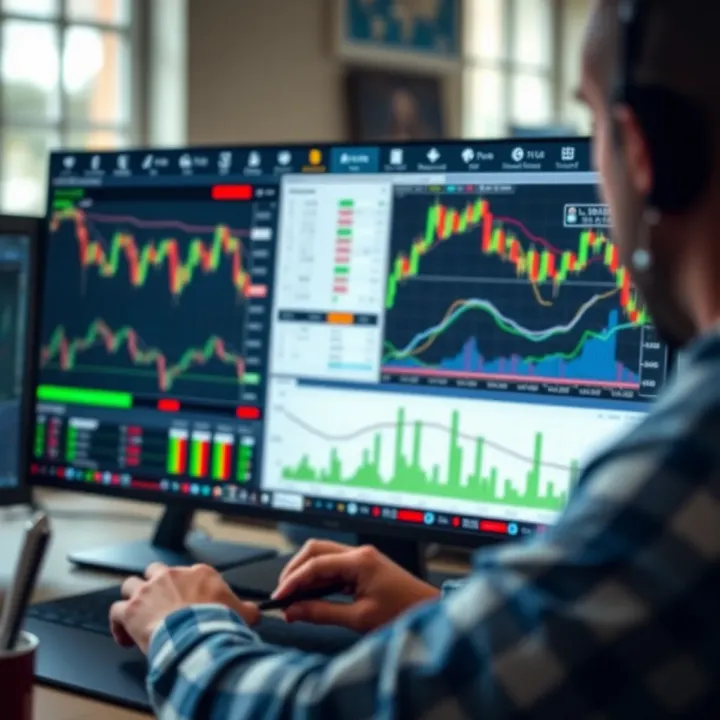
Forex trading robots have gained traction among South African traders looking to automate their currency market trades. These software programmes execute trades based on pre-set algorithms, allowing users to automate decision-making and potentially save time.
At its core, a forex trading robot scans the market for opportunities and enters or exits trades without human intervention. For example, a robot might be programmed to buy US dollars with rands when the USD/ZAR exchange rate hits a certain level, then sell once a profit target is reached.
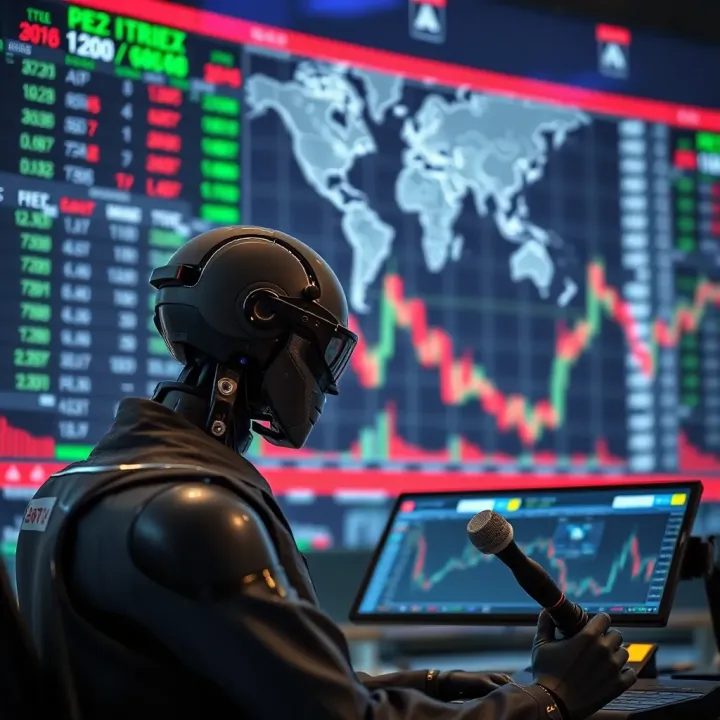
While some robots boast continuous market monitoring 24/7, the South African forex market often operates in sync with global hours, so understanding trading sessions is key. Traders need to be wary of local factors like load shedding impacting their internet or power, which can disrupt automated trading.
Here are key features of forex trading robots relevant to South African users:
Algorithm-driven trades based on technical indicators or price patterns
Backtesting ability allowing users to test strategies on historical data
Auto-execution of trades without manual input
Risk management settings such as stop-loss levels
Many traders find these robots helpful for sticking to a disciplined strategy and removing emotion from trading. However, the reliability depends heavily on the quality of the underlying algorithm and real-time data accuracy.
Understanding regulation is another factor. Although forex trading is legal in South Africa, the Financial Sector Conduct Authority (FSCA) regulates brokers, not the robots themselves. That means traders must exercise caution when choosing software providers to avoid scams or poorly designed systems.
In summary, forex trading robots can be practical tools for South African traders aiming to automate their strategy. Still, it’s critical to understand how they work, their limitations, and the local market factors that could affect their performance. The following sections will explore these aspects in more detail to help you make informed choices.
For South African traders stepping into forex markets, understanding trading robots is key. These computer programs automate trading decisions and executions, offering a way to handle the fast-moving currency market without constant manual oversight. By grasping how these robots function, traders can better decide when and how to use them, while staying cautious of their limits.
Trading robots rely on algorithms to make buy or sell decisions based on pre-set criteria. Instead of waiting for a trader to react, the robot analyses market data instantly and decides on trades according to programmed rules. For instance, a robot might be set to enter a long position when certain momentum indicators show strength, sparing the trader from staring at charts all day.
This automatic decision-making proves useful in volatile forex markets where prices can shift rapidly. It removes emotions like fear or greed, common pitfalls for many traders, by sticking strictly to the coded strategy.
Robots use technical indicators such as moving averages, Relative Strength Index (RSI), or Bollinger Bands to identify trading opportunities. These indicators analyse price trends and market momentum to predict when to enter or exit a trade. For example, a robot might buy when the 50-day moving average crosses above the 200-day moving average, a classic signal of upward momentum.
This approach helps maintain consistency since the same set of rules apply every time, unlike human traders who may alter strategies under pressure. Still, robots depend heavily on these indicators' reliability, which can vary between market conditions.
Once a robot decides on a trade, it sends orders directly to the broker’s platform without any human intervention. This means trades happen faster than a human could click buttons, potentially grabbing better prices. For South African traders facing rapid movements during sessions overlapping with global markets, this speed is a tangible advantage.
However, continuous internet and power supply are crucial. With Eskom’s loadshedding schedules, a trader must ensure stable connections to avoid outages disrupting automated trading.
Fully automated robots manage everything from analysis to order execution, letting the trader step back almost entirely. Semi-automated robots, on the other hand, suggest trades for the user to confirm or reject. Semi-automation offers more control, ideal for traders who want to combine human judgement with algorithmic efficiency.
For instance, a trader might let a robot scan for trades overnight but review suggestions the next morning before committing. This hybrid model can suit those new to robots or working around local connectivity issues.
Custom-built robots are tailored to a trader’s preferences and strategies, often created by developers or skilled traders themselves. These can be fine-tuned for South African market brokers, local trading hours, and specific risk appetites.
Commercial products are off-the-shelf robots widely available online. While convenient, they may not fit a local trader’s needs perfectly, especially concerning brokers’ spread conditions and execution speeds common in South Africa. It pays to trial these robots on demo accounts before committing real money.
Selecting the right type of forex trading robot depends on your trading goals, risk tolerance, and local market contexts such as power stability and internet reliability. Combining this understanding with hands-on trials can help you use these tools more effectively and safely.
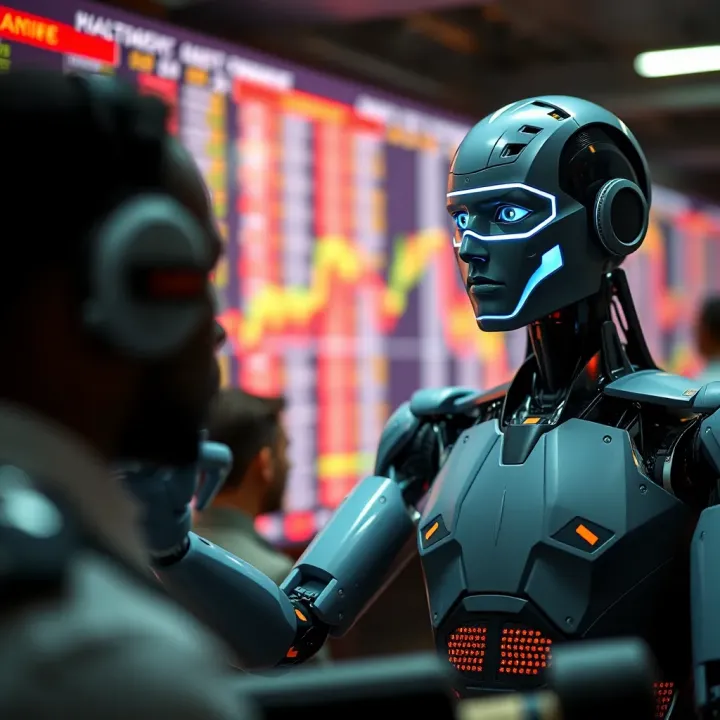
Understanding the pros and cons of forex trading robots is vital for South African traders who want to make the best decisions. These automated tools promise efficiency and round-the-clock trading, but they also come with risks that can impact your capital if not managed carefully. Knowing how these benefits and drawbacks play out in the local market is key to using forex robots wisely.
Forex trading robots excel at processing vast amounts of market data in milliseconds, far faster than any human could. This quick analysis enables them to execute trades instantly when predetermined conditions are met. For instance, a robot monitoring the EUR/USD pair can spot a sudden price spike and place an order before the movement fades. This speed is especially beneficial amid volatile markets like those influenced by global economic releases or political events.
In South Africa, where traders might rely on local brokers with different latency levels, this rapid execution can make the difference between a profitable trade and a missed opportunity. However, it only works well if your internet connection and trading platform perform smoothly.
Unlike manual traders, forex robots don’t need breaks or sleep. They can monitor and trade the markets non-stop, capturing opportunities outside typical business hours. This is handy for South African traders dealing with currency pairs linked to Asian or American markets, which operate on different time zones.
For example, a robot can continue trading during late hours when a trader might be asleep or offline. Considering that global forex markets run five days a week and 24 hours a day, this continuous operation helps maintain consistent market presence and responsiveness, especially in times of sudden market shifts.
Humans often fall prey to emotions like fear and greed, leading to poor decisions such as holding losing positions too long or exiting winning trades prematurely. Forex robots stick strictly to their set rules without emotions clouding their judgement.
This discipline helps South African traders avoid panicking during volatile periods like sudden Rand weakness or political unrest that spooks markets. Robots execute trades based on data, not feelings, improving consistency and potentially protecting your investment from impulsive moves.
One trap traders can fall into is assuming a robot that performed brilliantly in the past will continue doing so. Some robots get over-optimised for historical data, meaning they’re finely tuned to past market behaviour but struggle with real-time changes.
For example, a forex robot that thrived during a calm Rand/ZAR period may falter when unexpected economic shocks hit. South African traders should be cautious about blindly trusting backtested results and keep expectations realistic.
Automation relies heavily on uninterrupted internet and stable power, which South African traders know can be a challenge due to loadshedding or network issues. A quick outage can disrupt the robot's ability to send trades or manage existing positions.
Without backup solutions like UPS systems or mobile data failover, traders might find their robots offline during critical moments—losing potential profits or exposing them to unchecked losses.
Forex robots follow predefined strategies that may fail during unexpected "black swan" events—rare, severe market moves like sudden geopolitical tensions or unprecedented policy shifts.
Such events can cause sharp volatility that confuses or overwhelms automated systems, leading to rapid losses. South African traders should remember robots aren’t foolproof shields and should combine them with vigilant oversight and risk management.
Automation can boost trading efficiency, but it's no silver bullet. Understanding both the strengths and weaknesses of forex robots helps South African traders strike a balance between smart technology use and cautious human judgement.
When it comes to forex trading robots, regulation and safety are not just buzzwords but real shields for South African traders. Given the rise in automated trading, having a grasp on how regulation works locally can save you from losing hard-earned cash to shady schemes. These rules help maintain a level playing field, making sure your investments don’t vanish in a puff of smoke.
The Financial Sector Conduct Authority (FSCA) is the watchdog keeping an eye on the financial markets, including forex brokers and robot providers in South Africa. Their role is to ensure these entities operate fairly and transparently, adhering to local laws designed to protect traders. While forex robots themselves are often software rather than financial services, the brokers offering access to these robots need FSCA approval. This means you should always check whether your chosen broker is registered with the FSCA before handing over any money.
Equally important is verifying the robot providers. Not every algorithm or robot you find online is legit. Many providers operate offshore or outside FSCA jurisdiction, which can increase risk. By using locally approved brokers and trusted robot sources, you gain some protection backed by South African law. Always demand proof of FSCA registration or authorised partnerships, because without that, you’re effectively deep in unregulated territory.
Spotting scams isn’t always straightforward, but some signs should raise red flags: promises of guaranteed returns, pressure to deposit quickly, unclear business details, or lack of verifiable performance history. Scams usually target new traders unfamiliar with proper due diligence. Take the example of a provider claiming to make consistent profits regardless of market swings—that’s rarely realistic. Using tools like demo accounts and independent reviews can help sidestep these traps.
Before trusting any robot with your actual money, testing strategies on demo accounts is a must. These accounts simulate live market conditions without the risk of losing real funds. Testing your bot’s response to various scenarios, including volatile periods, can give you peace of mind that your strategy holds water under South African market conditions.
Setting clear risk management rules is critical. That means defining how much of your capital the robot can risk on any single trade or over a certain period. For instance, capping exposure at 2% per trade can prevent catastrophic losses if a strategy goes south. Proper stop losses and trade limits integrated in your robot's settings also help protect your wallet from unexpected market moves.
Even though robots automate trade execution, they aren’t a "set and forget" magic wand. Regularly monitoring their performance lets you spot underperformance or adapt to changing market conditions. For example, if your robot struggles during high volatility, like load shedding affecting internet stability, stepping in with manual control or switching off the bot temporarily might be wise. Staying hands-on ensures your investment isn’t left to drift off course.
In the end, understanding regulation and taking practical safety steps build a solid foundation for any South African trader using forex robots. It’s about backing your strategy with knowledge and caution to make automation work for you, not against you.
Choosing the right forex trading robot and setting it up properly for South African markets can make all the difference, especially given the unique local challenges traders face. From broker spreads to unpredictable power outages, configuring a robot with these factors in mind helps avoid losses and ensures smoother trading. Let's unpack the key points to guide you through.
Track record and reviews from other South African users
It’s wise to look for trading robots with proven success among South African users. Local traders often share practical feedback on forums, social media groups, or trader communities like MyBroadband. This insight is particularly valuable because it reflects real-world conditions, such as how the robot handles the typical volatility of the Rand or differences in brokers’ execution speeds here. Avoid blindly trusting marketing claims — look for robots with transparent results and ongoing user support.
Compatibility with popular trading platforms like MetaTrader
MetaTrader 4 and MetaTrader 5 remain the most widely used platforms for retail forex trading locally. A robot that works seamlessly with these platforms simplifies integration, letting you monitor trades easily and apply additional custom indicators if needed. Compatibility also affects reliability; a robot designed specifically for MT4 or MT5 will generally execute commands with fewer glitches. Before purchasing, check if your preferred robot supports your platform version and if it’s well maintained with regular updates.
Cost and support availability
Cost can vary widely — some robots come as a one-off purchase, others as subscriptions. But more importantly, consider post-sale support. South African traders benefit a lot from vendors who offer timely help, ideally during local trading hours. This support can mean quicker fixes for technical problems or guidance on configuring settings for local markets. A cheap robot with poor customer support is often a false economy.
Adjusting for local broker conditions and spreads
Broker spreads in South Africa tend to be wider than in some international markets, especially with smaller or less-known brokers. Your robot’s parameters should reflect this reality — for example, tweaking entry and exit points to avoid false signals caused by spread fluctuations. Robots optimised for tight spreads abroad might underperform or incur losses here if not adjusted. Make sure you understand your broker’s typical spread patterns and incorporate those into your robot’s settings.
Considering load shedding impact on connectivity
Load shedding remains a stubborn reality for many South Africans and can interrupt internet connections crucial for trading robots. If your robot relies on constant data feeds or cloud servers, sudden outages could cause delayed executions or missed trades. Consider how your robot manages such interruptions and whether it has fail-safes, like pausing trades during connectivity loss or reconnecting automatically.
Backup power and internet solutions
To combat load shedding, many serious traders invest in uninterrupted power supplies (UPS), generators, or solar backup systems. Similarly, using mobile data as a backup internet source can keep your trading going when landlines drop out. These solutions require upfront cost and some setup time but pay off by reducing risky downtime. Test your backup systems regularly to avoid surprises when you least expect them.
Preparing a forex trading robot for local use isn’t just about software — it demands practical fixes addressing South Africa’s unique conditions, from brokers’ spread quirks to power and internet reliability.
By taking time to choose a reliable robot and setting it up with these factors in mind, South African traders can better harness automation without losing control or falling prey to avoidable pitfalls.
Effective management of forex trading robots is key to making the most of automation in volatile currency markets. South African traders face unique challenges, such as frequent load shedding and fluctuating broker spreads, which make relying solely on robots without oversight risky. By following best practices, traders can balance the speed and efficiency of robots with human judgement, adapting to changing market conditions to improve their chances of success.
Tracking performance over different market cycles is essential because forex markets rarely behave the same way year-round. A robot that did well during a trending phase may struggle in choppy or sideways markets. For example, a robot optimised during a stable rand-dollar period might need adjustments during a season of rapid fluctuations triggered by local political events or commodity price shifts. Monitoring helps identify when the robot’s performance wanes and signals the need for strategic tweaks.
Adapting settings based on market trends means your robot should not run on autopilot forever. Changes in liquidity, volatility, or broker conditions like spreads require updates to avoid losses. If the rand becomes volatile due to Eskom's Eskom's unplanned power outages affecting economic activity, tweaking stop-loss settings or trade volumes in the robot’s strategy can prevent unnecessary drawdowns. This adaptability helps maintain stability and consistent returns.
Avoiding ‘set and forget’ reliance is a warning. While it’s tempting to let robots trade on their own, completely stepping away leaves you exposed when unexpected market events occur. For instance, during sudden currency shocks related to foreign policy news, a robot might open many losing trades before human intervention closes positions. Staying involved ensures timely responses and keeps your capital protected.
Intervening during unexpected market events is crucial. Robots follow programmed rules and can’t interpret breaking news or shifts in market sentiment. During geopolitical tensions or announcements like SARB’s repo rate decision, active traders can pause or adjust robots to limit risk. This hands-on control helps prevent automated trades going off the rails in high-risk scenarios.
Using robots as part of a diversified approach means not putting all eggs in one basket. Combining robots with manual trades, multiple currency pairs, or other asset classes can soften blows from a single market downturn. For example, pairing a forex robot specialising in rand-dollar trades with manual oversight on rand-euro pairs spreads risk and increases resilience.
Continuous learning and evaluation keeps your strategy sharp. Review robot logs, read market analysis from local platforms like MyBroadband, and learn from trading journals. This ongoing education allows you to spot weaknesses, discover new opportunities, and evolve your robot settings over time. It’s a skill every trader must cultivate to keep up with markets that never stand still.
Automated trading isn’t a ‘set and forget’ shortcut; it demands ongoing attention to navigate real-world complexities and make consistent profits.
Following these best practices increases the likelihood of success for South African traders using forex robots, helping manage risk while taking advantage of automation’s speed and precision.
Learn key forex terms every South African trader must know 🔍 From currency pairs to leverage and order types, boost your trading skills today!
📊 Master effective forex trading techniques tailored for South African traders. Learn smart strategies, risk management, tools, and plan your success!
💱 Understand Forex trading in South Africa: Learn how currency buying and selling works, key players, risks, strategies, regulations, and choosing the right broker.
Explore essential forex trading software 🖥️ for South African traders! Learn types, features, security tips, and choose the right platform for success 📈
Based on 13 reviews