

Understanding Risk Management Frameworks
📊 Explore practical risk management frameworks to spot, assess, and handle risks effectively. Boost your organisation’s resilience and decision-making skills.
Edited By
Clara Bennett
Risk management helps you spot potential pitfalls early, judge their impact realistically, and put controls in place before things spiral out of control. It’s about more than avoiding losses; it’s also about grabbing opportunities that come with uncertainty, ensuring you’re not flying blind.
In this article, we’ll break down the essential steps: from how to identify risks, assess their seriousness, put in controls to mitigate them, all the way to keeping a close watch to adjust as needed. Along the way, we’ll discuss common challenges practitioners face and the value of refining your approach regularly.
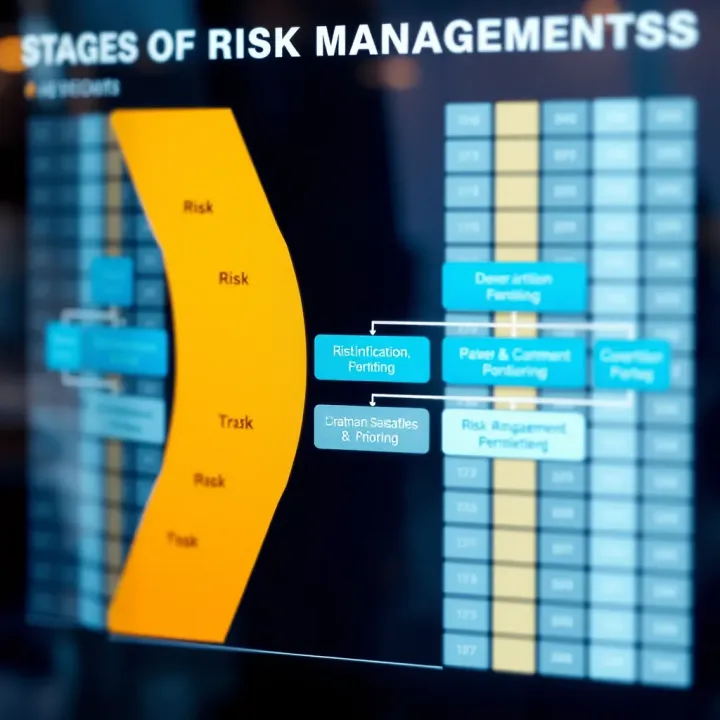
Without a solid grasp of the risk management process, even the sharpest financial strategies can flop when the unexpected hits.
Take this as your practical guide—not just theory—geared toward traders, investors, brokers, analysts, and financial advisors in South Africa, where market conditions and regulations add their own twists.
Let’s get started by laying out why this process earns a spot at the top of every financial toolkit.
Risk management is the backbone of any business aiming to keep its footing steady in an unpredictable market. For traders, investors, financial advisors, analysts, and brokers, understanding risk management means more than just avoiding disasters—it’s about making informed choices that protect assets while spotting potential opportunities.
The core value of risk management lies in its proactive nature. Rather than waiting for problems to crop up, effective risk management helps organisations anticipate challenges before they spiral out of control. Consider a small investment firm that identifies early signs of market volatility. By having a clear risk management process, it can adjust portfolio allocations swiftly, limiting losses while positioning for recovery.
In practical terms, risk management involves recognizing the kinds of risks an organisation might face, from financial downturns to operational hiccups. It then assesses these risks in terms of likelihood and impact, prioritising them so that resources can be focused where they matter most. For example, a brokerage house might identify technology failures as high-risk due to their potential to disrupt trades, prompting investments in backup systems.
Key considerations in risk management include clarity in communication, ongoing monitoring, and willingness to adapt plans as circumstances evolve. Without these, even the best-laid strategies can fail. To illustrate, companies like Allan Gray maintain continuous watch over market shifts, adjusting their risk exposure regularly rather than sticking to a static plan.
Good risk management isn’t about eliminating risk completely—that’s impossible; it’s about managing risk wisely to safeguard the business and ensure steady growth.
Understanding this overview sets the stage for diving deeper into each part of the risk management process, ensuring that you grasp why and how risk management makes a real difference in the financial world.
Identifying and understanding the different types of risks is vital for anyone involved in trading, investing, or financial advising. Each risk type presents distinct challenges and requires specialised approaches to manage effectively. By categorising risks clearly, you can tailor your strategies to reduce potential losses and spot opportunities early.
Operational risks arise from day-to-day business activities and internal processes. For example, a trading firm could face operational risk if a critical software glitch disrupts order execution, leading to missed market opportunities or financial losses. These risks tend to be specific, often manageable through procedural checks, staff training, or technology upgrades.
Financial risks involve the possibility of losing money due to market fluctuations, credit defaults, or liquidity problems. Think about a portfolio heavily weighted in stocks during a market downturn—potential large losses here come under financial risk. Understanding these allows investors and brokers to diversify holdings or hedge exposures to protect capital.
Strategic risks relate to broader business decisions and market positioning. A financial advisory firm that fails to adapt to regulatory changes or emerging digital platforms might lose clients to competitors. Strategic risks can sometimes be harder to spot and need a forward-looking perspective to avoid becoming costly mistakes.
External risks originate outside the organisation and can affect anyone in the market. Examples include sudden changes in interest rates by the South African Reserve Bank or geopolitical tensions influencing commodity prices. Such risks often require monitoring broader economic and political environments and adjusting strategies accordingly.
In contrast, internal risks come from within the organisation—like flawed internal controls or decision-making errors. For instance, if an investment analyst overlooks a key data point leading to a bad recommendation, that’s an internal risk impacting client funds and reputation.
By breaking down these categories, traders, analysts, and advisors can better navigate the complexities of the market and organisational landscape. Simple categorisation is the first step in building a solid risk management framework that adjusts and evolves with ever-changing conditions.
Understanding risk management starts with walking through each step carefully. This approach helps traders, investors, financial advisors, analysts, and brokers make informed decisions by reducing surprises that can sabotage investment goals or business strategies. By breaking down the process, you gain practical ways to spot issues before they snowball and manage them without getting overwhelmed.
Identifying risks early is like spotting a crack in the dam before water bursts through—it saves a lot of trouble downstream. To do this well, start by brainstorming potential threats linked to market conditions, operational hitches, or regulatory changes. Use methods like SWOT analysis (Strengths, Weaknesses, Opportunities, Threats) or scenario planning to consider various angles.
Methods to Spot Risks:
Conduct interviews and workshops with different stakeholders to uncover hidden concerns.
Look at past incidents, such as missed market opportunities or operational glitches, to identify risk patterns.
Check economic indicators or market sentiment reports that might hint at looming risks.
Tools for Risk Identification:
Risk registers help catalogue identified risks, their cause, and potential impact.
Software platforms like RiskWatch or Resolver automate tracking and offer real-time updates.
Heat maps display risk severity visually, guiding attention to the most critical issues.
Once risks are spotted, weighing their importance ensures focus stays where it matters most. Imagine juggling several balls; you want to keep your eyes on those most likely to drop.

Qualitative vs Quantitative Assessment:
Qualitative approaches rely on expert judgement, interviews, or checklists, giving a descriptive understanding of risks.
Quantitative assessments use numbers—like loss probabilities or financial impact metrics—to back decisions with hard data.
Risk Ranking Techniques:
Use scoring methods where risks get points based on likelihood and impact; the higher the score, the higher the priority.
Pareto analysis can reveal which 20% of risks could cause 80% of damage, focusing energy efficiently.
Risk matrices combine probability and severity on a grid, making it easier to visually spot the most urgent risks.
Knowing the risks is half the battle; acting on them makes the difference. Having clear plans helps avoid panic when things go sideways.
Mitigation Strategies:
Implement controls like diversifying investments or enforcing tighter internal audits.
Set up contingency plans, such as emergency funding or alternative suppliers, to keep operations running.
Training staff to recognize warning signs reduces chances of human error escalating risks.
Risk Avoidance and Transfer:
Avoidance means steering clear of high-risk activities; for instance, refusing to invest in overly volatile markets without proper safeguards.
Transferring risk could mean buying insurance or passing project risks on to partners through contracts.
Risk management isn’t a ‘set and forget’ deal. Keep tabs on changing conditions and refine your approach accordingly.
Tracking Risk Indicators:
Define key risk indicators (KRIs) like credit default rates or market volatility indexes relevant to your portfolio.
Regularly review these KRIs for any unusual spikes or trends.
Adjusting Plans Based on Feedback:
Hold periodic risk reviews with your team to discuss what’s working and what isn’t.
Incorporate lessons from past incidents to tighten your risk responses.
Be ready to tweak your strategies when market or regulatory environments shift unexpectedly.
Staying proactive and methodical in managing risks keeps you ahead of potential pitfalls, rather than chasing fires when they flare up. Remember, consistent monitoring and adapting are the cornerstones of effective risk management.
This step-by-step approach gives practitioners a clear path to reduce uncertainty, save money, and meet targets more consistently in the unpredictable world of trading and investing.
Managing risks is never straightforward, especially in dynamic environments like finance where conditions shift quickly and unpredictably. It’s essential to recognize the common stumbling blocks that often throw a wrench into the smooth risk management process. Awareness of these challenges helps traders, investors, and financial advisors better prepare, adjust, and steer their strategies for more resilient outcomes.
Two particularly tricky challenges stand out: dealing with biases and blind spots, and managing uncertainty when information is scarce or unclear. Addressing these head-on can make all the difference between reasonable risk-taking and reckless exposure.
Everyone brings personal biases to the table when making decisions, and these blind spots can skew risk assessments dangerously. For instance, confirmation bias might cause a trader to favor information that supports their existing position, ignoring warning signs that suggest caution.
One practical step is to involve diverse teams in risk evaluations. Different perspectives can reveal hidden risks that a single viewpoint might miss. Financial advisors often use devil’s advocate sessions where team members intentionally challenge optimistic forecasts to test their robustness.
Tools like scenario analysis also help reveal blind spots. Instead of relying solely on historical data, these stress-test portfolios against unlikely but possible events, shedding light on vulnerabilities.
Biases aren’t just a psychological hurdle—they can lead to costly mistakes if left unchecked. Effective risk management requires critical self-awareness and systematic checks.
Markets and global economic conditions frequently shift in ways that are hard to predict, leaving decision-makers with patchy or conflicting data. Traders often encounter scenarios where official figures come late or are revised, complicating timely risk assessments.
To cope with this, relying on flexible risk frameworks rather than rigid models is key. For example, instead of locking into fixed thresholds for stop-loss orders, adaptive limits based on volatility can respond better to uncertain environments.
Moreover, it's wise to incorporate both quantitative data and qualitative judgments. When numbers don’t tell the full story, insights from experienced analysts or local market knowledge often bridge the gaps.
Handling uncertainty means expecting the unexpected and building buffers—whether through diversified portfolios or contingency funds—to absorb shocks.
In sum, confronting biases and embracing uncertainty aren’t just buzzwords in risk management. They’re practical challenges that shape daily decisions in trading and investing. Recognizing and working through these issues builds a stronger foundation for managing risks more effectively.
Embedding risk management into an organisation’s daily routine goes beyond ticking boxes on a checklist. It’s about weaving risk awareness into the fabric of how decisions are made and how people work together. When risk management is part of the culture, businesses—especially those dealing with volatile markets like traders or financial advisors—can respond quicker and steer clear of costly surprises.
A good example is how some investment firms hold regular risk-review sessions that involve everyone from junior analysts to senior brokers. This inclusiveness helps break down hierarchies, making it easier for any team member to raise concerns without fear. As a result, problems catch fire before they turn into a blaze, keeping portfolios safer.
The tone for risk management is often set at the top. Leaders who openly talk about risks and their impact build a climate where employees feel encouraged to speak up. For instance, a CEO at a wealth management firm regularly shares market risk updates during monthly town halls, reinforcing the idea that understanding risk is everyone’s job.
Employees, on their part, shouldn’t just be passive recipients of guidelines. Their role involves actively spotting potential issues and suggesting ways to manage them. Take the example of a trader noticing unusual volatility in a sector—bringing this to the risk manager’s attention early can trigger proactive measures, perhaps adjusting exposure or hedging strategies.
Open communication channels reduce the chance of blind spots. This can be fostered by creating platforms—like anonymous reporting tools or regular cross-departmental meetings—where team members feel safe to share observations and concerns.
Consider a brokerage firm where the IT team and financial analysts hold quarterly meetups to discuss system vulnerabilities and market risks. These exchanges often reveal risks that wouldn’t emerge in siloed discussions. Plus, getting different perspectives can spark innovative ways to handle risk.
Clear, honest dialogue about challenges and mistakes fosters trust and continuous improvement, vital in markets experiencing rapid change.
In short, integrating risk management into culture means leaders lead by example, employees play an active role, and communication flows freely. This sets the stage for resilience, helping organisations to navigate uncertainty with confidence.
Technology plays a key role in modern risk management, especially in fast-moving sectors like finance and investments. With markets changing in the blink of an eye, relying on manual processes or outdated methods can leave traders and analysts blind to emerging threats. Using the right technology streamlines risk detection, speeds up response times, and improves the accuracy of assessments. This isn’t just about fancy software; it’s about fitting tools to the task and making them work for the unique challenges in financial environments.
Risk management software has evolved from simple spreadsheets to comprehensive platforms capable of centralising data, automating routine tasks, and generating detailed reports. Platforms like MetricStream, Resolver, and RiskWatch have become common choices among financial service firms. They help track exposures across portfolios, flag breaches in risk limits, and maintain audit trails for compliance.
For example, financial advisors managing a broad client base can use portfolio risk tools integrated with platforms like Bloomberg Terminal or Morningstar Direct to get real-time analytics tied to market movements. These tools automatically highlight where portfolios may be overexposed or vulnerable to certain economic factors.
Another practical aspect is workflow automation; tools can assign risk reviews to the right teams, schedule follow-ups, and send alerts when things go sideways. This reduces human error and ensures nothing falls through the cracks when juggling multiple risk elements.
Beyond platforms, data analytics has transformed how risks are spotted and evaluated. By crunching vast amounts of market and operational data, analytics reveal patterns and correlations that wouldn’t be obvious otherwise.
Consider a trading desk using AI-powered analytics to scan news headlines, social media chatter, and financial indicators simultaneously. This can warn of geopolitical risks or market sentiment shifts faster than manual monitoring.
Predictive analytics also plays a role in scenario analysis—running millions of "what if" scenarios to estimate potential impacts on asset performance. It helps traders and investors plan for downturns or sudden market moves with more confidence.
Financial institutions harness tools like SAS Risk Management or Palantir Foundry for these heavy data tasks, helping to detect fraud, manage credit risk, or optimize capital allocation.
Embracing technology isn’t about replacing judgment but enhancing it—giving risk managers sharper tools and better data to make informed decisions under pressure.
In summary, integrating specialized software and leveraging data analytics boosts the timeliness, precision, and depth of risk management in finance. For traders, investors, and advisors alike, it means risks are less likely to blindside them and more likely to be managed proactively.
Continuous improvement in risk management isn’t just a fancy phrase tucked into governance manuals—it’s what keeps a firm’s risk strategies sharp and relevant. In volatile markets, where financial variables shift like sand underfoot, staying static means falling behind. The aim here is to regularly refine risk policies, learn from bumps in the road, and adapt to new threats or opportunities that show up unexpectedly.
This approach brings practical benefits: improved resilience against surprises, smarter resource allocation, and an edge in spotting risks before they snowball. Consider a mid-sized investment firm that missed early signs of a sector downturn due to outdated risk assessment criteria. By instituting a continuous improvement mindset, they updated their data sources, incorporated broader economic indicators, and now maintain a more agile risk framework.
Looking back at what went south helps spot blind spots. Past incidents—be it a trading loss, compliance slip, or tech failure—should be analysed thoroughly, not just archived. This means breaking down why something went wrong, rather than just what went wrong. For example, if an investment portfolio suffered unexpected losses due to market volatility, analysing the decision-making process that let risk exposure balloon can uncover gaps in how risk was assessed or accepted.
Investors and advisors can use these insights to tweak their risk thresholds or improve communication channels around risk signals. It’s about creating a feedback loop where every stumble sharpens the overall risk playbook. This learning process must be structured and documented, so lessons stick and are shared widely across teams.
Ignoring lessons from past failures is like sailing without a chart—chances of hitting the rocks increase.
Markets don’t stand still; neither can risk management methods. Regulatory shifts, technological advances, macroeconomic factors, and geopolitical events all reshape the risk landscape. Effective risk management means not only reacting but anticipating these changes.
For example, consider how the rise of digital trading platforms has brought cyber risks to the forefront. Many brokers who primarily focused on market risk now need to update their processes to include cybersecurity measures—from regular system audits to staff training on phishing scams. Similarly, inflation booms require that financial advisors revisit assumptions in cash flow projections and investment horizon risks.
Updating processes involves routine reviews, incorporating new tools like AI-driven analytics for spotting emerging risks, and ensuring compliance with evolving rules such as those from the Financial Sector Conduct Authority (FSCA) in South Africa. This keeps risk management not just current but proactive.
Regular workshops, risk scenario drills, and horizon scanning sessions can be part of this update cycle. The ultimate goal? To keep risk frameworks flexible and relevant so firms don’t get blindsided.
By embedding continuous improvement into risk management practices, traders, investors, and financial advisors build stronger defenses against an unpredictable world. It’s about turning experience and foresight into a living strategy that evolves alongside the risks it aims to tame.
📊 Explore practical risk management frameworks to spot, assess, and handle risks effectively. Boost your organisation’s resilience and decision-making skills.
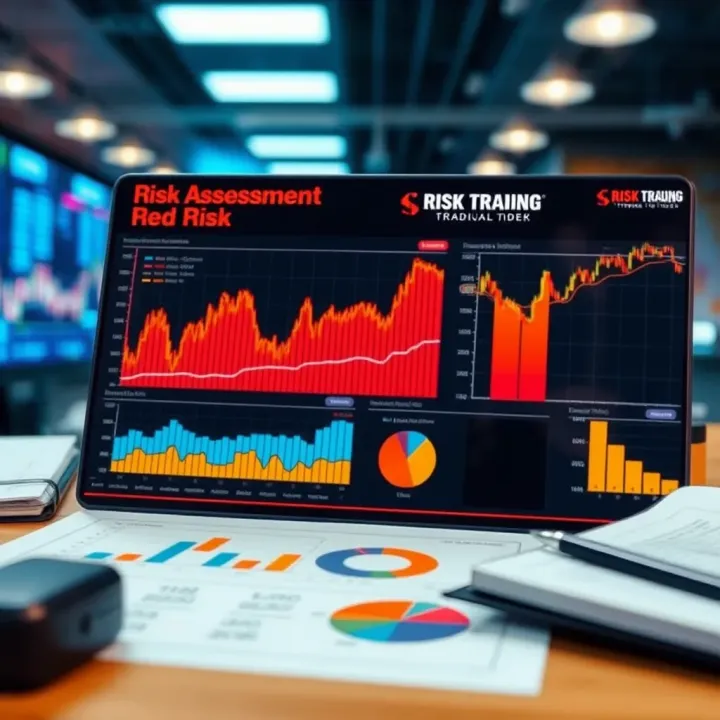
📊 Learn practical risk management techniques to identify, assess & handle threats effectively. Boost decision-making for safer, smarter outcomes.

Explore top universities🎓 in South Africa offering risk management courses📚, admission tips📝, program types, and career paths👔 to guide your study choice.

🔍 Explore why risk management is key for stability and success. Learn how spotting threats early protects resources & sharpens decision-making in any sector.
Based on 5 reviews