

Understanding Free Binary Trading Demo Accounts
Explore how free binary trading demo accounts work in South Africa 📈 Learn tips to pick the best platform and practice smart strategies before you invest 💡
Edited By
Clara Bennett
Binary option demo accounts offer a straightforward way to practise trading without risking your own money. These accounts use virtual funds but simulate real market conditions, so you get a feel for how trades work and how the platform operates. For traders in South Africa and beyond, demo accounts are a must-have tool before diving into live trading.
Using a demo account is like driving a bakkie on a practice route before hitting busy Johannesburg traffic. You can test strategies, understand asset price movements, and learn timing without financial stress. This risk-free environment helps sharpen your skills and recognise patterns without burning your cash.

Several local and international brokers offer demo accounts. These platforms typically mirror the real trading environment closely. Some even replicate the transaction speed and spreads you’ll face on live accounts. That said, because no real money is involved, emotions around actual loss or gain don't fully kick in, which is an important limitation to remember.
Getting the most from a binary option demo account means treating it seriously:
Set realistic trading goals and stick to your chosen strategy.
Track your performance as if you were using real money.
Experiment with different expiry times and asset types such as stocks, currencies, and indices.
Use the demo to explore platform features like charts, indicators, and order types.
This approach prepares you better for live trading and helps manage expectations. Overall, a demo account is an essential step to becoming a confident binary options trader in a responsible way.
Binary option demo accounts serve as a realistic practice ground for traders before they risk real money. These accounts simulate actual trading environments, giving users virtual funds to place trades, observe outcomes, and understand how different strategies work without any financial loss. This hands-on experience helps traders—from novices to seasoned ones—gain insight into the mechanics of binary options and build confidence before moving to live markets.
At their core, binary option demo accounts are trial versions provided by brokers or trading platforms. They replicate real market conditions and allow users to execute the same types of trades they would with a live account but using play money. The main purpose is to educate and familiarise traders with the platform and the nature of binary options. For example, a trader might test how quickly the value of a given asset fluctuates between expiry times or practise hedging strategies without fearing losses that could bite into their savings.
Another important aim is to enable traders to develop a feel for timing their entries and exits, especially for those targeting short expiry windows of minutes or hours. Demo accounts also let traders explore various asset classes offered, such as shares, currency pairs, commodities, or indices, helping them identify where they perform best.
While demo accounts try to mirror real trading, several key differences can shape the experience. First, the financial stakes are zero because you’re dealing with virtual Rand, so the emotional pressure of risk is absent. This often leads demo traders to behave differently, sometimes trading more recklessly than they would with real money. Real money trading brings in the psychological factors of fear, greed and discipline, which can affect decisions noticeably.
Moreover, actual market conditions can shift suddenly due to news or volatility spikes, while some demo platforms might lag slightly in reflecting those changes in real time due to data sourcing or server delays. For instance, a breaking political event might impact the rand exchange rate immediately in a live account but be slower to show in a demo environment.
Lastly, demo accounts often have limits on available trading amounts or expiry options compared to live counterparts, and some expire after a set period. This means you might only get a few weeks or months to practise before needing to switch.
Using a binary option demo account is a smart way to gain practical insights without risking your capital, but remember it’s not a perfect mirror of live trading. Treat it like a well-crafted training ground, valuable but ultimately separate from the realities of real money markets.
Understanding these fundamentals clarifies what to expect and how best to use demo accounts as stepping stones to more confident and informed trading decisions.
Using a binary option demo account effectively paves the way for honing your trading skills without risking your money. Getting the hang of the platform, practising trades, and testing strategies safely all build a foundation for more confident live trading. Let’s break down the practical steps involved.
Setting up a demo account is usually straightforward—the process involves registering with a binary options broker offering demo access. For example, platforms like IQ Option or ExpertOption provide instant trials with fake funds. You'll typically need basic information such as your name and email, sometimes a South African ID number if the broker follows Financial Intelligence Centre Act (FICA) checks even on demo users.
One tip is choosing a platform that mirrors the live trading environment closely, so when you switch to real money, the transition feels familiar. Depending on the platform, you may receive a virtual balance (commonly R10,000 or $10,000 in demo funds) to experiment with.
Once your account is set, the next step is learning how to place trades. This involves selecting an asset, such as a share listed on the Johannesburg Stock Exchange (JSE), choosing an expiry time, and deciding whether you predict the price will go up or down. Suppose you’re interested in Anglo American shares; you’d pick that asset, set your trade to expire in 15 minutes, and place a call (buy) if you think the price will rise.
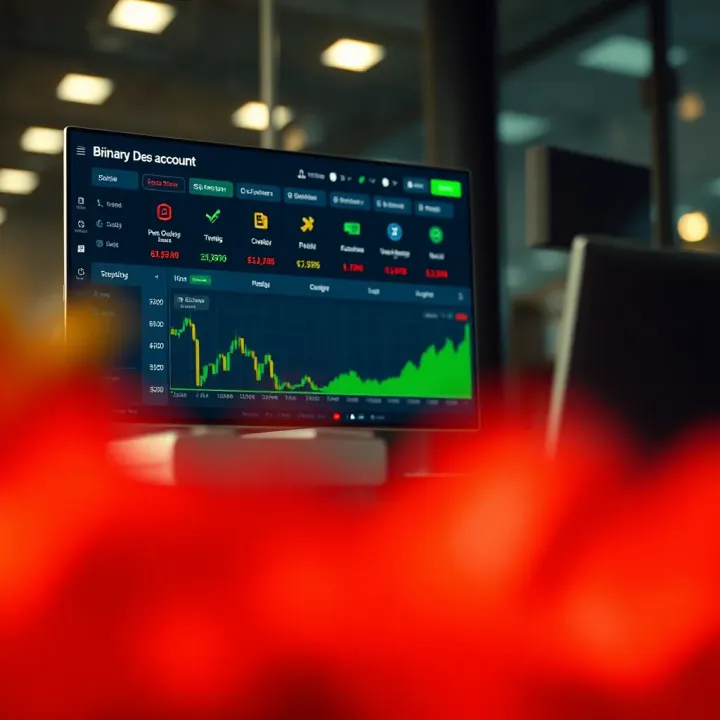
Keep an eye on your demo account’s portfolio and the profit/loss shown after each trade. Most platforms provide charts, real-time price movements, and historical data to help you gauge if your trade calls align with the market. Recording your wins and losses helps identify patterns and areas for improvement.
Demo accounts let you test different trading strategies without the stress of losing real cash. For instance, you might try the “trend-following” approach, where you trade assets moving consistently in one direction, or experiment with pinpointing short-term reversals based on technical indicators.
Try setting rules for yourself, like always risking no more than 2% of your demo balance on one trade, to simulate real-money risk management. This disciplined approach makes your demo trading more than just clicking buttons; it becomes a practical exercise in strategy and mindset.
Remember, a demo account’s real value lies in practising as if the money is real — treat it with seriousness to build habits that’ll serve you well when you start trading live.
In summary, setting up your demo account, practising placing trades, and safely experimenting with strategies form the backbone of skill-building in binary options. These steps prepare you to face the markets grounded and with a better understanding of how your decisions play out.
Using a binary option demo account brings clear advantages, especially for new traders stepping into this fast-moving market. These accounts create a risk-free learning environment, allowing you to practise trading without putting your hard-earned Rands on the line. This practical experience is vital because it helps you understand how trades function and how different market factors affect outcomes.
Trading binary options can be as unpredictable as an afternoon braai in the Gauteng wind – one moment everything's perfect, the next you've got sparks blowing all over. Demo accounts give you a space to experiment freely, trying out different assets and expiry times without any financial consequences. For example, if you choose to test how gold or the JSE Top 40 index moves during volatile sessions, you can do so without worrying about losing money. This lets you build skills and catch mistakes early, which is especially useful before diving into live trading.
Confidence doesn’t grow overnight, and understanding market behaviour requires more than just reading charts or tutorials. Demo trading reveals how local events like SARB repo rate changes or global influences like oil price shifts affect asset prices in real time. As you place trades on these demo platforms, you learn to read market signals and respond accordingly, which sharpens your decision-making. For instance, recognising how the rand tends to weaken in certain geopolitical moments can help you anticipate price movements before you risk R1,000 or more in a live trade.
Navigating the maze of features on binary option platforms is no small feat. Each platform—be it offered by local brokers or international ones with Rand trading options—has its own quirks and tools. Demo accounts provide a hands-on chance to get comfortable with interfaces, charting software, and trade placement mechanisms without that pressure to hurry. You’re free to explore how to set stop losses, read price alerts, or operate mobile apps while waiting for load-shedding to end. The more familiar you become, the easier it is to execute trades smoothly when it counts.
Mastering demo accounts before you risk real money is like checking your bakkie’s tyres before a long trip—essential for avoiding unnecessary trouble.
In summary, demo accounts let you trade without risk, build real confidence through experience, and get familiar with the tools you need daily. This foundation prepares you far better than just theory when you decide to place actual trades on the market.
Choosing the right demo platform can make a real difference in how quickly and effectively you learn binary option trading. Not all demo accounts are created equal, so it pays to know which features genuinely help you simulate real trading conditions and build your skills.
A strong demo platform should mirror real market behaviour as closely as possible. This means using up-to-date asset prices, realistic spreads, and genuine market volatility. For example, a platform that delays price feeds or simplifies market swings won’t prepare you properly for live trading. Imagine practising on a toy version of the JSE that doesn’t account for sudden fluctuations in gold or rand-dollar exchange rates — your strategy won’t hold up when real money’s on the line. Realistic data helps you understand how timing and market noise affect your trades.
If the platform’s interface feels clunky, you’ll waste time struggling instead of focusing on learning. Look for a demo account that feels intuitive, where placing trades, setting expiry times, and reviewing charts happens smoothly without jumping through hoops. Useful tools like candlestick and line charts, technical indicators, and clear trade confirmations help sharpen your analysis. For instance, the option to quickly adjust strike prices or practise different expiry times without hassle speeds up your learning curve. Consider that local brokers like IG and Plus500 offer demo platforms with interfaces that balance simplicity and functionality well.
A demo environment shouldn’t just let you trade in a vacuum. The best platforms integrate educational content like tutorials, videos, and strategy guides. For example, platforms that include explanations on common single and double option strategies, or how to interpret market news, add real value. Some even offer alerts or tips when you make a trade to explain its potential risks. This makes practising more informative and less likely to reinforce bad habits. With South African traders in mind, platforms offering localised insights on market drivers, like commodities prices or exchange controls, are especially helpful.
Without these key features, a demo account can end up as little more than a video game. When realistic data, a user-friendly layout, and strong education tools come together, you get a safe space that closely mimics actual trading — helping you build skills that really count.
Choosing a demo platform isn’t just about ticking boxes; it’s about finding a tool that suits your style and learning needs while preparing you for the ups and downs of real world trading.
Binary option demo accounts are a handy tool for practising trades without financial risk, but it's crucial to understand their limitations. Demo trading doesn’t perfectly mirror real-money trading, especially when it comes to psychological elements and certain account constraints. Knowing these differences helps traders avoid false expectations and prepares them for the live environment.
One key difference between demo and live trading lies in the stakes. In a demo account, you use virtual funds, so there’s no real loss involved. This naturally affects decision-making and risk assessment. For example, it’s easier to experiment recklessly with demo money — placing large bets without the fear of losing real cash. This doesn’t reflect the caution and discipline needed when actual Rand is on the line.
Moreover, demo accounts might not always copy the exact market conditions. Some platforms delay price updates or exclude real-time spreads and slippage, especially during volatile periods. As a trader, you may find that orders executed immediately in a demo environment take longer or differ slightly in a live account. Such nuances matter when timing your trades.
Trading with virtual money removes the emotional pressure linked to losing one’s own funds. While this makes demo accounts great for familiarising yourself with platforms and strategies, it doesn’t prepare you for real psychological challenges like fear, greed, or impatience. For instance, a trader might hold onto losing positions too long in live trading due to hope, a behaviour rarely tested in demo settings.
Understanding this gap is vital. Some traders use their demo experience as a foundation but expect emotions to impact their choices strongly once they transition. Managing emotions and maintaining discipline forms a big part of successful live trading.
"Demo accounts teach you the ropes, but they won’t train your nerves."
Many brokers impose time limits or trade caps on demo accounts, sometimes expiring them within 30 days or after a certain number of trades. This is to encourage users to switch to real accounts but can disrupt ongoing practice for beginners.
Also, some demos restrict access to advanced features or educational resources that live accounts provide. For example, you might miss out on expert webinars or in-depth analytics, which can hinder your learning curve.
Before starting a demo, check for
Expiry dates
Maximum trade limits
Available features compared to live accounts
Choosing a broker with flexible demo policies ensures you get enough time and tools to sharpen your skills well.
In summary, while binary option demo accounts offer a great starting place, keep in mind that market conditions, emotional involvement, and account restrictions differ from real trading. Approaching demos with this awareness makes your practice more effective and helps ease the transition into live trading.
To make the most out of a binary option demo account, it's vital to approach it with clear goals, disciplined record-keeping, and a smooth transition plan to live trading. Demo accounts offer the chance to test without financial risk, but without structure, the benefits can be lost in vague practice or aimless clicking. Let's look at precise ways you can sharpen your skills effectively.
Starting each demo session with specific goals helps focus your efforts. For instance, decide if you're practising entries for a certain asset type like local shares on the JSE or trying out a new strategy such as momentum trading. Set limits on time spent and potential losses—even in demo mode—to mirror live trading discipline. This prevents overtrading or developing bad habits. A rule like "only 10 trades per session" or "stop after three consecutive losses" encourages thoughtful decision-making, just like real money would.
Keeping a detailed trade journal is more than old-school habit; it's key to recognising patterns and refining strategy. Note your reasons for each trade, entry and exit points, outcomes, and emotional state. For example, if you tend to jump into trades during volatile market hours like after an SARB announcement, tracking it helps identify if that timing suits you or leads to losses. Reviewing your journal weekly reveals strengths and weaknesses that you might miss during daily trading rush. Use simple spreadsheets or dedicated trading apps available locally to organise this information.
Moving from demo to real money must be deliberate. Don’t rush just because you’re making profits in the simulated environment. Understand that live trading brings emotions like fear and greed into play. Start small—perhaps a fraction of your intended capital—and scale only as confidence and consistency build. Consider using brokers with transparent costs and reliable platforms used widely in South Africa, such as those offering FICA-compliant accounts and local customer support.
Approaching demo accounts with clear goals and disciplined habits turns simulation into solid preparation for real-world trading.
In short, treat your demo account like a training ground: purposeful, reflective, and paced. That way, when you step into the live market, you're not just testing luck but trading with skill and poise.
Explore how free binary trading demo accounts work in South Africa 📈 Learn tips to pick the best platform and practice smart strategies before you invest 💡

Learn how binary options demo accounts let you trade risk-free to sharpen skills, spot pitfalls, and gain confidence before trading live 📈💡

📈 Learn how binary option trading works, spot risks, and discover savvy strategies for South African investors. Understand local rules and practical tips to trade smart. 🇿🇦

📊 Discover how binary trading accounts work in South Africa, key risks, regulations, and tips to manage your account confidently and safely in rand markets.
Based on 12 reviews