
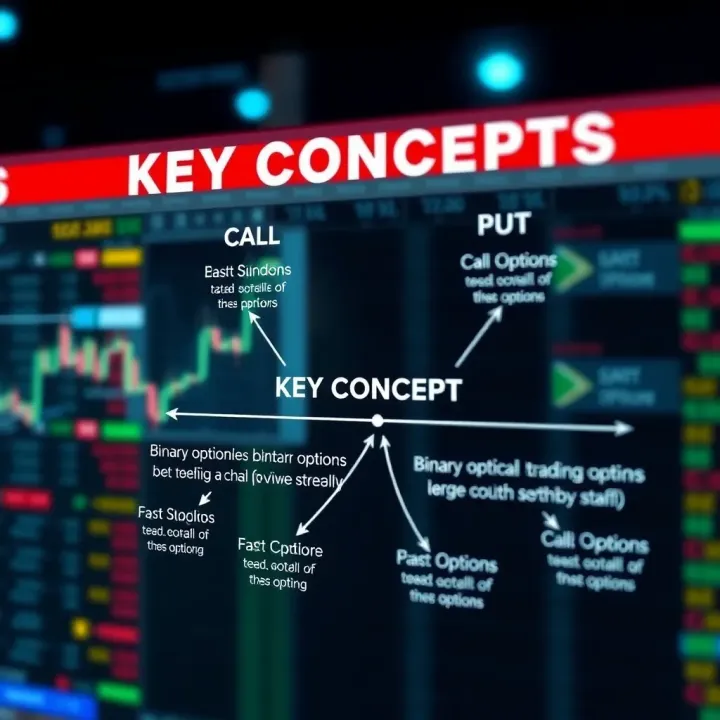
Understanding Binary Options Trading in South Africa
📈 Learn how binary options trading works, explore practical strategies, spot common risks, and access handy PDF guides tailored for South African traders seeking clear insights.
Edited By
Mia Turner
Binary options demo accounts let traders experiment in a risk-free environment by simulating real market conditions without using actual money. This makes them invaluable for anyone looking to sharpen their trading skills, test new strategies, or simply gain confidence before going live.
Unlike live accounts, demo accounts provide virtual funds, often ranging from R10,000 to R100,000, enabling users to place trades and see outcomes instantly. For example, a trader in Cape Town can try different expiry times or underlying assets like forex pairs and indices without any financial risk. This hands-on experience helps unravel the quirks of platform interfaces and order execution before real stakes are involved.

Demo accounts also serve as an excellent learning ground for understanding how binary options function, such as predicting whether an asset's price will rise or fall within a set timeframe. Many South African brokers offer demo versions with features mirroring their live platforms, which include real-time charts, price feeds, and sometimes economic news updates. These tools are essential to get accustomed to market volatility and timing your trades properly.
Practising with a demo account can save traders from costly mistakes when they start trading with real money.
Testing different trading strategies without financial loss
Familiarising yourself with platform functionalities and features
Understanding how market variables like expiry times and strike prices affect outcomes
Building emotional resilience by experiencing winning and losing trades virtually
That said, users should recognise the limitations of demo trading. Since no real money is involved, emotional pressure can seem lighter, which may affect decision-making when switching to a live account. Also, market conditions in demo environments might sometimes differ slightly due to data feed delays or broker spreads.
To make the most of a demo account, traders should treat it seriously—setting goals, timing trades, and reflecting on performance. Regular practise helps identify weaknesses and prepare for real-market scenarios, especially important in South Africa where market access is growing but volatility remains a factor.
Overall, binary options demo accounts provide a practical, controlled space to build essential trading skills safely before stepping into the live arena.
Binary options demo accounts serve as a crucial training ground for anyone interested in binary options trading. They offer a risk-free environment where traders can familiarise themselves with how binary options work without putting real money on the line. Given the volatile and fast-paced nature of binary options, having a demo account lets you make mistakes, learn from them, and refine your strategy before stepping into actual trading.
Binary options trading involves predicting whether the price of an asset—such as a share, currency pair, or commodity—will rise or fall within a set time frame. The appeal lies in its simplicity: you only need to decide 'yes' or 'no' on price direction. If your prediction holds true, you receive a fixed payout; if not, you lose your stake. This straightforward structure attracts many who want to enter the trading world without needing deep market knowledge.
A demo account mimics the live trading platform, allowing you to practise placing trades with virtual money. It replicates market conditions and price movements, so the experience closely matches that of real trading. For example, if you were trading the price of gold, the demo would reflect current gold price changes as per the market, enabling you to test your predictions and timing. This hands-on experience helps develop practical skills—without risking a cent.
Accessing a binary options demo account usually requires a quick registration with a broker. This process often involves providing basic information and setting up login details, but no upfront deposit is necessary for the demo. The broker then provides immediate access to their trading platform in demo mode, where you can start practising straight away. This ease of access is particularly beneficial for newcomers who want to explore the platform features before committing real funds.
Upon registration, demo accounts credit your account with virtual funds—usually a sizable amount to allow ample trading practice. For instance, you might start with R10,000 in virtual currency. This money is only for simulation: you cannot withdraw it, but it lets you make multiple trades and experiment with different strategies. The trading environment mirrors live conditions, including charts, market news, and timing options, ensuring you get a realistic feel. Remember, the aim is to build familiarity without financial pressure, making it a safe playground for learning.
Using a demo account is like learning to drive a bakkie on quiet streets before hitting busy highways; it builds your confidence and skill in a controlled setting.
By understanding what binary options demo accounts are and how they operate, traders can make informed choices about getting started in this field safely and effectively.
Using a demo account offers several advantages that traders, especially beginners or those testing new strategies, can't afford to overlook. These accounts let you practice and explore without risking actual money, which is vital for building the skills and familiarity needed for real trading.
One of the biggest draws of a binary options demo account is the ability to practise trading without losing any of your own cash. It’s a safe playground where you can try out different moves, spot mistakes, and learn from them. For instance, if you're testing a new approach to predicting price movements on a commodity like gold or a local stock on the JSE, a demo lets you see how that would have played out without feeling the heat of losing real funds.
Demo accounts also let you get your head around the trading platform itself — something many traders undervalue. They often come equipped with charts, indicators, and other analysis tools that can seem overwhelming at first. For example, learning to set and read Bollinger Bands or moving averages on platforms like IG or Plus500 through a demo helps smooth your transition when you start live trading. It’s one thing to read about these tools; it’s another to use them and understand their quirks in real-time.
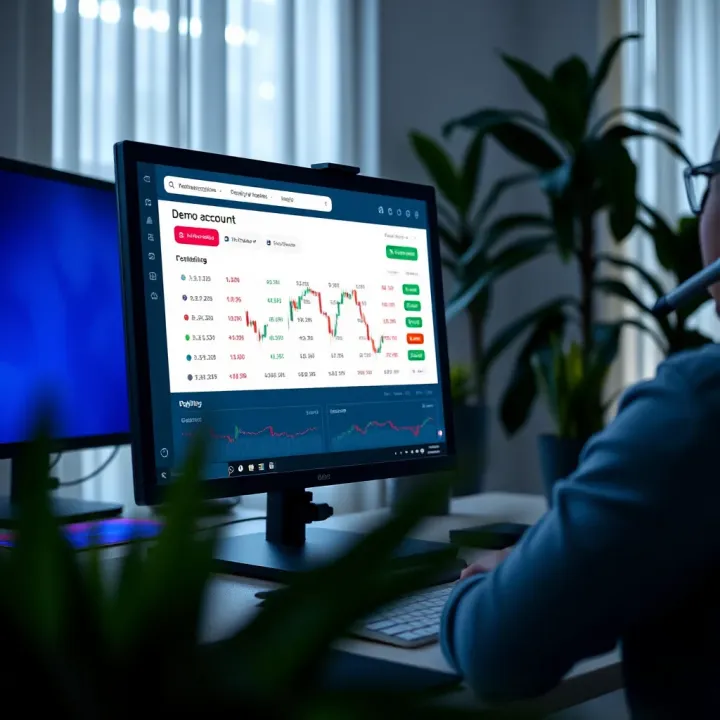
Markets, especially with binary options, can shift quickly and sometimes unpredictably. A demo account exposes you to the typical ebbs and flows of market movements without the stress of financial loss. This experience is vital. For example, getting a feel for how the rand-dollar (ZAR/USD) exchange rate responds to political news or economic data releases can sharpen your judgment when trading options based on currency pairs.
The demo environment encourages experimentation with various trading tactics — from short-term trades on volatile assets to longer-horizon options on index funds. For instance, you might try a trend-following strategy one day and a reversal strategy the next. Tracking your results in the demo account over time can reveal what works best for you before committing any real cash.
Trading on a demo account is like practising your cooking before hosting a dinner party — it builds your skills and confidence, helping you avoid burning the pot when it matters.
By making the most of demo accounts, traders can develop a practical understanding of binary options trading while shielding themselves from the real risks that come with live trading.
Demo accounts for binary options provide a practical space for traders to familiarise themselves with trading mechanics before risking real money. Understanding the key features within these accounts helps users focus their learning on the most relevant tools and trading instruments they’ll encounter in live markets. This section explores what you should expect to see, highlighting how these features can improve your trading skills and confidence.
A solid demo account will offer access to a broad spectrum of assets, mimicking real trading conditions closely. This commonly includes popular currency pairs like the USD/ZAR or EUR/USD, South African equities, commodities such as gold and platinum, and major global indices. By practising with a diverse asset pool, you can assess your trading strategies across different markets without spending a cent. For instance, testing options on the JSE Top 40 can give you insight into local market rhythms, while trying commodity options may expose you to more volatile price movements.
Expect to find multiple binary option types within a good demo platform. Common types include the classic high/low option, where you predict whether the asset price will go up or down by expiry, as well as one-touch options that require the asset to reach a specified level. Some platforms also offer range or ladder options, providing different risk and reward frameworks. Practising these option types in a demo account helps you get a feel for timing and potential outcomes without pressure, giving you a clearer sense of which approaches suit your style.
A comprehensive demo account replicates the charting features found in live trading platforms. These include real-time price charts with several timeframes and technical indicators like moving averages, Bollinger Bands, or RSI (Relative Strength Index). Using these tools helps build your market analysis skills, allowing you to spot trends, momentum shifts, or overbought/oversold conditions. For example, combining simple moving averages with price action can inform better expiry timing in binary options.
Many brokers include educational resources and tutorials integrated into their demo platforms. These materials range from beginner guides on binary options basics to advanced strategy breakdowns, often accompanied by videos or webinars. Access to quality education within your demo account journey can fast-track your learning, especially for new traders who need clear, structured explanations. For instance, learning about risk management through tutorials can prevent costly mistakes when you start live trading.
Overall, the key features in a binary options demo account shape the quality of your practice experience. Take time to explore assets and option types, get comfortable with analysis tools, and take advantage of any educational content presented. This approach builds a stronger foundation before trading with your own money.
When you start trading with a binary options demo account, it's essential to grasp how it differs from live trading. Demo accounts provide a safe space to learn, but the experience isn't a perfect mirror of the real market. Knowing these limitations helps manage expectations and makes the transition to live trading smoother.
One of the biggest differences between demo and live trading is the lack of emotional pressure in demo accounts. When betting made-up money, you don't feel the fear or excitement that comes with risking your own cash. This absence can affect the way you make decisions. For instance, in a live situation with your real R500 at stake, you might hesitate or second-guess a trade. In contrast, demo trading encourages riskier choices without the same sense of consequence.
This emotional gap means demo practice might not fully prepare you for the stress and discipline required in live markets. Therefore, while you can sharpen your technical skills on a demo, you’ll also need to develop emotional control and decision-making strategies once you trade live.
Practising without real stakes helps refine your technique––but don’t ignore the role emotions play when you switch to live trading.
Demo accounts usually simulate market pricing but might not reflect the exact spreads and volatility of real trading conditions. Live markets often show wider or fluctuating spreads, especially during less liquid times like early mornings or public holidays. For example, if the demo platform offers a steady 2-pip spread on EUR/USD options, the actual spread in live trading might jump to 5 or more during busy announcements. This can affect your potential profits or losses, which is why understanding market variability is key.
Order execution also differs. In a demo, orders are typically filled instantly at displayed prices, while live trades can face slippage or delays. Imagine placing a call option in a live account during fast-moving news; the price you see might not be the one you get. This can mean some trades enter at worse prices or fail to execute, impacting your strategy’s effectiveness. Demo accounts often smooth over these hiccups, so be ready for the real pace and imperfections of market orders when going live.
By recognising these differences, you can approach demo trading as a valuable learning tool—not a crystal ball that guarantees success. Once confident with strategy and platform use, it’s wise to begin live trading cautiously to face the real conditions and emotional demands head-on.
Selecting the right binary options demo account sets the stage for effective learning and better preparedness for live trading. It’s more than just signing up and clicking around. Choosing wisely ensures you’re practising in a setting that mirrors real trading conditions closely, providing a useful and trustable platform to build your skills.
When it comes to demo accounts, the broker behind the scenes matters a lot. A broker’s reputation can give you clues about the quality and reliability of the demo environment. A shady or unregulated broker might offer demo accounts that don’t behave like real markets or, worse, might disappear once you’re ready to trade live. For example, a broker with consistent positive reviews from South African traders and a history of transparent dealings is usually a safer bet.
Regulation adds an extra layer of security. Brokers regulated by recognised authorities—such as the Financial Sector Conduct Authority (FSCA) in South Africa, the UK’s FCA, or Cyprus’s CySEC—must meet strict standards. This reduces the risk of manipulation or unethical behaviour. Always check if the broker is properly registered and regulated before committing even to demo trading: it means your experience will better reflect the actual trading environment, with fair prices and accurate market feeds.
A demo account is only as good as its platform’s ease of use. If the interface is clunky or confusing, you’ll waste time figuring out how to open positions instead of refining your strategies. A straightforward design with intuitive menus, clear charts, and easy access to trading tools helps you focus on learning market behaviour.
Good customer support is vital, even when you’re practising. Quick responses to queries about platform features or technical glitches can save frustration. Brokers with 24/7 multilingual support, including South African English options, are preferable. This is particularly important if you encounter issues that could affect your learning or if you want guidance on using specific tools.
Some demo accounts come with tight restrictions, like a limited period (say, 14 days) or a capped amount of virtual funds. Knowing these limits upfront helps you plan your practice sessions without surprises. For example, a demo that resets your virtual capital monthly might encourage disciplined trading, which you’d want to imitate in live trading.
Demo accounts often don’t mirror every feature from a live trading environment. Certain order types, leverage options, or market conditions might be missing or simulated differently. Be aware of these gaps to avoid getting a false sense of security. For instance, execution speed can be faster in demo mode, so practising under those conditions won’t prepare you for potential slippage or delays in live markets.
Picking the right demo account isn’t just about freebies; it’s about choosing a trustworthy platform that reflects real trading, so when you move to live markets, you’re not caught off guard.
Using a binary options demo account wisely can make all the difference between guessing and trading smartly when real money is at stake. Demo accounts give you a chance to sharpen your skills, test strategies, and build confidence without risking a cent. But getting the most value requires an organised approach, setting clear targets and tracking your progress carefully.
Planning trades with discipline means treating your demo trades as if real money were on the line. Many beginners jump in without a plan and end up relying on luck rather than skill. To avoid this, set clear goals—such as aiming for a specific percentage gain or testing a new strategy over a fixed number of trades. For example, you might decide to place 20 demo trades using a particular approach and review the results objectively.
Discipline in demo trading prepares you mentally for live trading, helping you develop patience and stick to your plan even when the market looks unpredictable. Without this, the demo account risks becoming a meaningless exercise.
Simulating real market conditions involves making your demo trading environment as close as possible to what you'd face on a live account. This means practising during actual market hours and factoring in realistic trade sizes and expiry times. For instance, if you plan to trade forex binary options during the London session, use your demo account during those specific hours to get a feel for market volatility and timing.
By mimicking real conditions, you better understand how price movements and news events affect your trades, giving you a proper sense of timing and risk management before you put real money on the line.
Recording trades and analysing results is your checklist for improvement. Keeping a trade journal—even for demo trades—helps you identify patterns in your successes and failures. Note details like asset type, entry and exit times, strategy used, and outcome. Over time, you may find that certain strategies work best with specific assets or during particular market conditions.
Without tracking, it’s too easy to forget the lessons from your demo experience or to repeat the same mistakes. Treat your logs like a tool to sharpen your edge.
Adjusting approach based on performance is where demo trading truly earns its keep. After analysing your records, adapt your strategies, cut out poor-performing tactics, and refine winning ones. For example, if you notice that trading high-volatility assets results in more losses during off-market hours, consider limiting those trades or changing expiry periods.
Progress in trading is rarely linear, but being responsive to your results helps you build a style that suits you. It’s worth noting that sticking rigidly to an approach without reviewing outcomes risks trading blindly.
A demo account is not just a playground—it’s your personal training ground. The effort you put into planning, tracking, and adjusting can save you real Rands when you move to live trading.
In short, getting the most from your demo account means acting like a serious trader. Clear goals, realistic practice, and honest review of your trades prepare you for the real deal. This foundation improves your chances of success once you decide to trade binary options with real capital.
📈 Learn how binary options trading works, explore practical strategies, spot common risks, and access handy PDF guides tailored for South African traders seeking clear insights.

Explore how free binary trading demo accounts work in South Africa 📈 Learn tips to pick the best platform and practice smart strategies before you invest 💡

Learn how free binary options signals work and their pros and cons in trading 📈. Find reliable sources and use signals wisely for better decisions in South Africa.

Discover www.binary basics and how binary numbers & internet protocols shape tech today. Practical tips for South African users to master binary online 💻🌍
Based on 6 reviews