
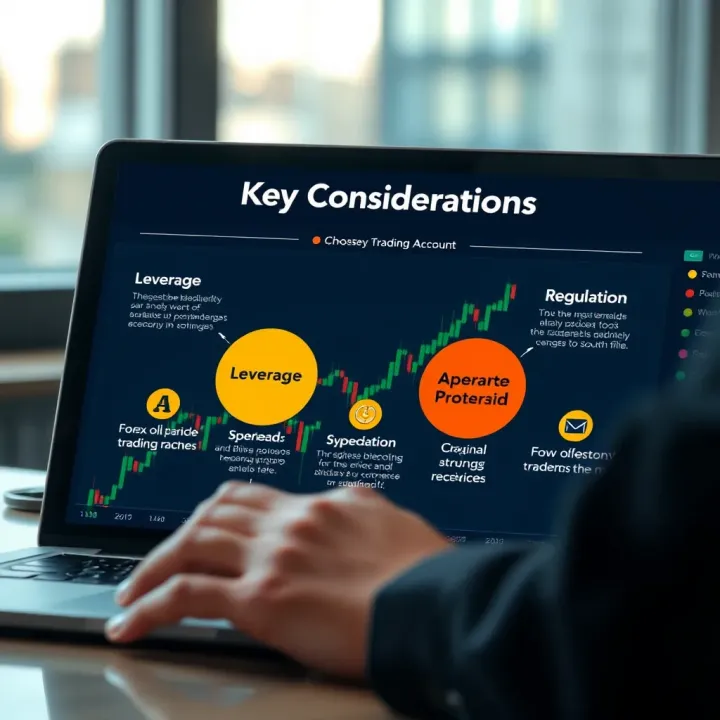
Understanding Forex Trading Accounts in South Africa
📈 Learn about forex trading accounts for South African traders: types, leverage, spreads, regulation, plus tips to choose and manage your account wisely in local markets.
Edited By
Clara Bennett
Forex trading managed accounts offer a practical way for investors in South Africa to participate in the currency markets without getting their hands dirty with day-to-day trading. Instead of buying and selling forex pairs by yourself, you entrust your funds to a professional trader or fund manager. They handle trading activities on your behalf while you focus on your goals.
These accounts operate by linking your capital to the manager's trading platform through a third-party broker. Each trade the manager makes reflects proportionally in your account, allowing you to benefit from their expertise and strategies while maintaining ownership and transparency of your funds.
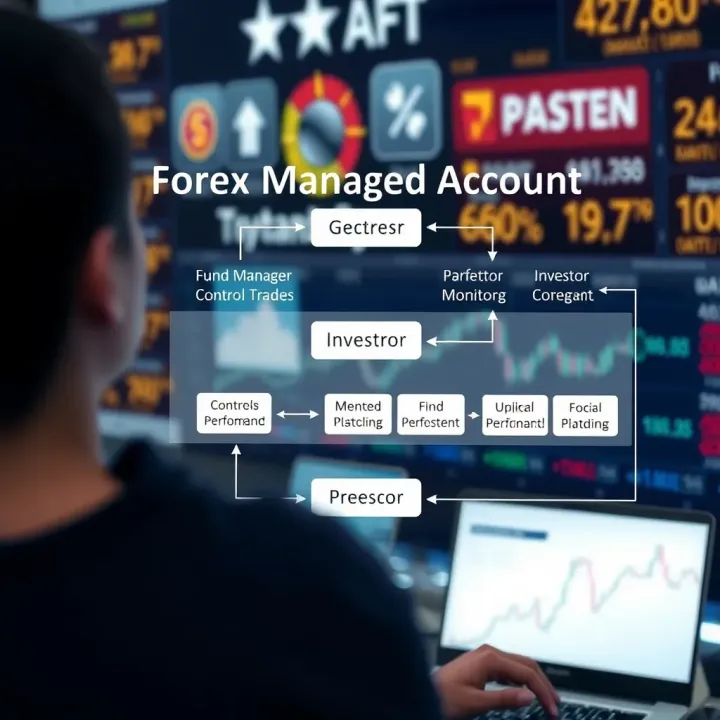
One example could be a Johannesburg-based trader managing accounts for clients who want exposure to USD/ZAR fluctuations. Rather than putting hours into market analysis, local investors can rely on the trader’s decisions and track performance via monthly statements.
Managed accounts come with fees, typically a mix of a management fee (often a fixed percentage annually) and a performance fee, which is a cut of the profits earned. Understanding these costs upfront is vital because they directly impact your net returns.
Regulatory oversight in South Africa involves bodies such as the Financial Sector Conduct Authority (FSCA), which aims to protect investors from unscrupulous operators. Choosing a manager who complies with FSCA rules reduces risks related to fraud or mismanagement.
Always vet a forex managed account provider carefully, considering their track record, transparency, and verifiable client references before committing funds.
For South Africans factoring in Eskom’s frequent loadshedding affecting internet or power access, this hands-off approach also means you won’t miss trade opportunities due to local disruptions.
Some practical considerations when selecting a forex managed account include:
Experience and credentials of the fund manager
Clear fee structure without hidden charges
Regular performance reporting and trade transparency
An easy way to withdraw or add funds as needed
A regulated broker that holds your account
Next sections will unpack how fees work, the risks involved, and steps to choose the right manager for your financial goals.
A forex trading managed account gives investors the option to have their forex funds managed by a professional trader or account manager. Instead of personally handling trades, investors entrust their funds to an expert who makes decisions on their behalf, often aiming to take advantage of the forex market's volatility without the investor needing to watch charts all day.
This approach is particularly useful for those who lack the time, skills, or confidence to trade on their own but still want exposure to forex. In South Africa, where many investors look for diversified income streams amid uncertain local markets and issues like loadshedding affecting business, managed accounts offer a way to tap into global currencies with professional guidance.
A forex managed account is exactly what it sounds like: an investment account where a professional trader manages the buying and selling of foreign currencies using the investor's capital. The account remains in the investor's name, and they retain ownership of the funds, but a licensed or registered fund manager executes trades based on predefined strategies.
For example, a Johannesburg-based trader might manage multiple accounts for local and international clients, applying strategies tailored to market conditions. The investor usually receives regular reports on account performance, fees deducted, and trade activity. This hands-off approach appeals to those who want involvement in forex but without the daily pressures of decision-making.
In personal trading, you make every call yourself—from deciding when to enter or exit a trade to managing risk and emotions. This requires time, knowledge, and discipline. Conversely, a managed account places these responsibilities with someone else, often a professional with substantial market experience and access to sophisticated tools.
That said, the investor isn't completely detached. They need to understand the strategy, evaluate the manager’s track record, and keep track of the performance to avoid surprises. For instance, unlike personal trading where you might place a trade and wait for it to run, managed accounts typically use different risk parameters and position sizes, dependent on the manager's style and client agreements.
Choosing a managed account means trading control is delegated, but ownership and ultimate responsibility for the investment remain with you.
Ultimately, investing via a managed forex account offers a practical alternative to active trading, but it still demands due diligence on the part of the investor. Understanding what the account entails, its risks, and how it works within South African financial contexts helps you make informed decisions.
Managed forex accounts offer a blend of professional trading expertise and convenience, but they also carry inherent risks. For investors keen on tapping into the forex market without hands-on involvement, understanding these benefits and downsides is vital. It’s not just about easy profit — knowing the balance makes for smarter decisions.
Managed accounts put your funds in the hands of skilled traders who keep their finger on the pulse of global currency moves. These managers often have years of experience and use advanced strategies that the average investor might find tough to execute solo. For instance, they might adjust quickly when the rand weakens against the dollar or take advantage of sudden shifts prompted by geopolitical news. This expert handling can potentially lead to better returns than attempting forex trading without guidance.
Forex markets run nearly 24/5, demanding constant attention if you want to trade actively. Delegating this responsibility means you avoid sitting behind screens tracking every pip movement. Instead, the account manager does the heavy lifting, freeing up your time for other pursuits. This is especially useful if you’ve got a busy job, small business, or simply don’t want to wrestle with complicated charts and indicators daily.
A savvy account manager doesn’t put all eggs in one basket. They may spread trades across several currency pairs like USD/ZAR, EUR/GBP, and JPY/AUD to balance risk and opportunity. Plus, they often apply stop-loss orders to limit downside during volatile periods. This approach could reduce the likelihood of sharp losses common in the forex game, giving investors a smoother ride compared to solo trading.
Forex is famously volatile. Even the best managers can’t predict or control sudden market shocks triggered by local events or global economic surprises. Losses can occur despite expert strategies, especially during instances like sudden Eskom load shedding affecting economic confidence or unexpected political developments in Mzansi. Investors should therefore be prepared for the possibility of their capital dipping, and not assume that professional management guarantees profits.
Managed accounts often come with fees that can chip away at your returns. These might include performance fees, a fixed management fee, and sometimes additional costs for withdrawals or account maintenance. For example, some managers charge a 20% cut on profits plus a 2% annual fee. It’s important to understand these charges upfront — high fees can seriously reduce your net gains over time, particularly in a modestly performing market.
Putting your money under someone else’s control means you need to trust their competence and integrity. Unfortunately, not every manager operates transparently or ethically. If they take unnecessary risks or engage in shady practices, you’re the one who bears the brunt. Thorough due diligence, including checking track records and client testimonials, is essential before handing over your forex funds.

When choosing a managed forex account, weigh these benefits and risks carefully. The right provider can offer opportunities hard to access solo, but the stakes mean you must stay informed and cautious at all times.
Understanding how managed forex accounts operate in South Africa helps investors navigate practical steps involved, local market conditions, and regulatory checkpoints. Managed accounts make forex trading accessible without hands-on involvement, but knowing account setup, common trading strategies, and fee systems strengthens your ability to make informed decisions.
Starting with a managed forex account in South Africa usually involves selecting a reputable provider, completing a detailed application, and submitting identification documents, often aligned with the Financial Intelligence Centre Act (FICA). This ensures compliance with anti-money laundering rules and protects both parties.
Funding is typically done via a local bank transfer or electronic payment gateways. For example, you might deposit R50,000 or more into the managed account. Unlike personal forex accounts, where you control the trades, here the manager handles them, while you maintain ownership of your funds in the designated account.
Choosing correct account types is key—for instance, segregated accounts keep your money separate from the manager’s operating capital, reducing risk. Some providers integrate directly with South African banks to improve deposit and withdrawal speed, essential amid everyday banking challenges.
Account managers employ various strategies depending on client risk profiles and market outlook. Common approaches include:
Trend Following: Capitalising on currency movements driven by economic events. For instance, a manager may ride the rand-dollar trend during times of SARB interest rate announcements.
Scalping: Making multiple small trades daily to profit from minor price fluctuations, common with more active managers.
Carry Trade: Exploiting interest rate differences between currency pairs, which can appeal during variable repo rate environments.
South African managers often tailor strategies to local market nuances, keeping an eye on Eskom load shedding impacts or political developments affecting currency volatility.
Fee models in managed forex accounts usually combine management fees and performance fees. For example:
A monthly management fee might be 1%–2% of Assets Under Management (AUM).
Performance fees could range from 10% to 20% of profits generated.
Some providers charge a fixed annual fee, but variable models better align manager and investor interests.
Transparency is critical; investors should expect regular reports detailing trade history, gains or losses, and current account value. Many reputable services use third-party platforms or software to provide real-time monitoring, ensuring you can keep track even if you’re busy at work or stuck in traffic behind a robot.
Remember, a clear view of fees and ongoing performance updates keeps your investment grounded and helps avoid surprises.
Knowing these details sets you up to work confidently with managed forex accounts in the South African context, blending local practicalities with sophisticated trading approaches.
Navigating the regulatory landscape is a key step for anyone considering forex trading managed accounts. The role regulations play is to protect investors from fraud and malpractice, ensuring transparency and fair treatment. For South African investors, understanding which bodies govern forex activities and what laws apply can mean the difference between a safe investment and a risky venture.
The Financial Sector Conduct Authority (FSCA) is the main regulatory body overseeing forex trading in South Africa. It ensures that firms offering managed forex accounts operate within a legal framework that promotes market integrity and consumer protection. Meanwhile, the UK’s Financial Conduct Authority (FCA) often comes up because many South African traders use UK-based brokers regulated by it. Both regulators require strict compliance with trading standards, client fund segregation, and transparent fee structures.
Other regional authorities, like the Australian Securities and Investments Commission (ASIC), may regulate brokers active internationally but serving South African clients. Awareness of which regulator supervises your account manager or broker helps you verify their credentials and know where to lodge complaints if needed.
Verifying legitimacy is more than checking a logo or licence claim. First, confirm the account manager is registered with the FSCA or a similarly credible regulator. You can cross-check this against the regulator’s public register.
Shady operators may promise guaranteed returns or pressure you into quick decisions. Legitimate services typically provide clear terms, transparent fee schedules, and allow you to review past performance—not cherry-picked months but consistent records.
Ask for audited statements or third-party verification of returns. Make sure they use segregated client accounts—not pooling your funds with theirs—to reduce risk if the company runs into trouble. Finally, be cautious if deposits must go through unusual payment channels or offshore accounts.
Forex trading profits are taxable in South Africa and should be declared to SARS in your annual income tax return. Whether your earnings qualify as capital gains or ordinary income largely depends on your trading frequency and intent.
For those trading regularly and actively managing accounts, SARS often regards profits as ordinary income subject to income tax at your marginal rate. Conversely, less frequent trading might attract capital gains tax, which is usually more favourable.
Keeping detailed records of trades, fees, and account statements is essential for accurate tax reporting. Some investors use tax professionals familiar with forex to navigate SARS requirements and optimise tax efficiency.
Understanding and respecting the regulatory and legal framework around managed forex accounts safeguards your investment, builds confidence, and helps you avoid pitfalls associated with unregulated trading services.
In short, check that your service provider is properly registered, ask for proof of their trading performance, and be clear on how your profits will be taxed within South Africa. This upfront due diligence makes a tangible difference in your trading journey.
Choosing the right forex managed account provider is a key step if you want your investment to stand a good chance of success. Since you’re entrusting your money to someone else, it’s vital to pick a firm or individual with solid expertise and good standing. The wrong choice could lead to disappointing returns, or worse, loss of capital.
A provider’s track record tells you where they’ve come from and what they’ve achieved. Look for firms with consistent performance over several years, not just a lucky streak. In South Africa, some providers can show verified trading histories on platforms like MyFxBook or through audited reports. This transparency helps you verify past returns and assess their reliability.
Reputation extends beyond numbers. Try to get a feel for how well the manager communicates with clients and responds to enquiries. Check user forums and reviews but take them with a grain of salt — sometimes disgruntled clients vent unfairly. Word of mouth and referrals from trusted financial advisors in South Africa can also be valuable.
You need a provider who’s upfront about their strategies, risks, and account management style. They should offer clear reporting, preferably on a monthly or quarterly basis, showing trades made, profits, and losses. Regular updates show that they have nothing to hide.
Good communication means easy access to client support and willingness to discuss your concerns. If a provider dodges your questions or keeps details vague, that’s a warning sign. In practical terms, ask if they provide a direct contact person, how often they review your account, and whether they have educational resources or online portals you can access anytime.
Fees can significantly affect your net returns over time. Typical charges include management fees (a fixed percentage of your assets) and performance fees (a cut of profits). Some providers add setup fees or withdrawal penalties. Always request a detailed fee breakdown before committing.
Beware of hidden costs. Some managers might advertise low fees but then impose high commissions or restrict withdrawals to your disadvantage. An example: a provider charging 2% management and 20% performance fee might sound straightforward, but if client funds are tied up or there are penalties for early withdrawal, you could find yourself stuck.
How long have you been managing forex accounts?
Can you provide verified performance records?
What strategies do you use, and how do you manage risk?
How frequently can I access my account statements?
Are there any penalties for withdrawing funds early?
What exactly are all the fees involved?
How do you keep clients informed about market changes or account performance?
Promises of guaranteed returns or unusually high profits with low risk.
Lack of verifiable track record or audited results.
Poor communication or delayed responses to queries.
Hidden fees not disclosed upfront.
Pressure tactics to commit funds quickly.
Providers not registered or licensed with relevant South African authorities like the FSCA.
Taking the time to thoroughly vet your forex managed account provider can save you from costly mistakes. Quiet diligence pays off in managing your investment well.
Selecting a trustworthy provider sets the foundation for your managed forex account’s success and helps build a confident partnership in navigating the forex market.
Starting with a forex managed account involves clear steps that help you take control while trusting professionals with your investment. Knowing what to expect at the beginning sets the foundation for successful collaboration and ongoing management, specifically in the South African context where certain documentation and local regulations apply.
Opening a forex managed account typically begins with choosing a reputable provider and completing the registration process. You’ll need proof of identity and address, such as a certified ID book or passport, and a utility bill no older than three months. These documents confirm your identity and compliance with Financial Intelligence Centre Act (FICA) requirements, a legal must for South African investors.
Alongside this, expect to complete forms granting the manager trading authority within agreed limits. Some providers might require a minimum deposit, which could start at around R10,000, though it varies by company. The paperwork also clarifies fee structures, withdrawal conditions, and risk disclosures. For example, you’ll sign a mandate dictating the manager’s scope of trading decisions and your rights as the client.
Even though your forex account is managed by professionals, keeping an eye on performance is vital. Most providers offer regular statements and online dashboards where you can track trades, profits, and losses. Staying informed helps you see whether the manager follows the agreed strategy and risk limits.
Managing expectations means recognising that forex is volatile — profits can fluctuate month to month, and losses may happen. A good manager won’t promise guaranteed returns; instead, look for transparency about performance, including months with negative results. For example, if a manager shows a sudden spike in returns, ask questions to understand the strategy behind it and any potential risks.
Withdrawal processes differ among providers but generally require you to submit a formal request, often 24 to 72 hours before funds are transferred back to your bank. Knowing this time frame avoids surprises when you need quick access to your money.
Withdrawals might be limited by minimum amounts or subject to certain notice periods to protect the trading strategy. For instance, some managers recommend avoiding withdrawals during high market volatility to prevent forced position closures that could cause losses.
Always read the fine print on withdrawal terms before you commit. Understanding how and when you can get your money back is key to managing liquidity and avoiding frustrations.
Starting your forex managed account on the right foot combines thorough preparation, realistic expectations, and ongoing engagement. This foundation helps you build trust with your manager and navigate South Africa’s forex landscape with more confidence.
When considering forex managed accounts, it’s vital to clear up common misunderstandings that can skew expectations. Many people step into this arena with the wrong idea of how these accounts operate, which can lead to disappointment or riskier decisions. Understanding these myths helps investors gauge what’s realistic and what to watch out for in their trading journey.
One of the biggest misconceptions is that managed accounts promise steady profits regardless of market conditions. The truth is, forex trading inherently involves risk, and no account manager can guarantee consistent gains. Even the most seasoned traders face losses, especially when global economic factors shift unexpectedly. For example, sudden movements in the rand against the US dollar due to political events can cause sharp swings that no trader can fully control. Profits depend on market conditions, strategy, and sometimes sheer luck. It’s wise to think of your managed account as a professional attempt to grow your funds, not a guaranteed income stream.
Another worry often raised is the fear that handing over management means losing all control. In reality, investors retain ownership of their accounts and funds; the manager only executes trades on their behalf. Think of it like hiring a gardener to care for your garden—you own the garden, but the gardener tends it for you. Most providers offer transparent reporting and regular updates so you can monitor performance and make decisions, including when to withdraw. Plus, South African regulated brokers must comply with rules ensuring investor protection, which includes safeguards around fund access.
There’s a common idea that forex managed accounts are exclusive to the rich. Actually, many providers accept smaller initial deposits, sometimes as low as R10,000 to R50,000, opening access to a wider range of investors. The key is to assess the fee structure carefully, as some accounts charge minimums and performance fees that might affect smaller portfolios disproportionately. For new or smaller investors, managed accounts can offer exposure to professional trading strategies without needing deep market knowledge. This is especially helpful in South Africa, where forex trading and investing opportunities are growing rapidly but require skill and time.
Misconceptions often lead to either hesitation or reckless choices. Knowing the facts enables better decisions and realistic expectations about what forex managed accounts can and cannot do.
By separating myth from reality, South African investors can approach forex managed accounts with a clearer understanding, appreciating both the potential benefits and the limitations involved.
📈 Learn about forex trading accounts for South African traders: types, leverage, spreads, regulation, plus tips to choose and manage your account wisely in local markets.

💡 Learn how forex trading demo accounts work and help South African traders practise without risking R. Get tips and understand key differences between demo and live trading!
📉 Learn how Bloemfontein traders can navigate forex markets confidently, with tips on regulations, market drivers, and practical steps for South African investors.

📊 Learn the basics of forex trading, from understanding market terms to managing risks effectively. Practical tips for trading confidently in South Africa 🇿🇦.
Based on 5 reviews