
Basics of Forex Trading for South Africans
📉 Get to grips with forex trading basics in South Africa 🇿🇦. Learn market structures, key terms, strategies, and risk management to start your trading journey confidently.
Edited By
Lucy Harrington
Forex trading involves buying and selling currencies to profit from changes in exchange rates. Unlike the stock market, the forex market operates 24 hours a day, five days a week, with huge daily turnover. This makes it one of the most liquid and accessible markets globally.
For South Africans keen to navigate forex trading, understanding how the market functions is key. Currencies are traded in pairs—for example, the South African Rand (ZAR) against the US Dollar (USD). When you buy one currency, you’re simultaneously selling another. If you expect the Rand to strengthen against the Dollar, you’d buy ZAR/USD; if you think it will weaken, you’d sell that pair.
Price movements depend on various factors including economic data releases, geopolitical events, interest rate changes, and investor sentiment. For instance, a hike in the South African Reserve Bank's repo rate can strengthen the Rand, making forex pairs involving ZAR more volatile.
Successful forex trading requires clear strategies and awareness of risks. Volatility can offer opportunities but also cause losses if not managed properly.
South Africa’s exchange controls and financial regulations play a significant role. Local traders should be aware of the Financial Sector Conduct Authority (FSCA) regulations that oversee forex brokers to avoid scams and unregulated platforms. It's wise to select brokers that comply fully with South African laws and hold licences
To get started practically:
Open a trading account with an FSCA-regulated broker.
Begin with a demo account to practise without risking money.
Monitor economic calendars for events affecting currency movements, such as GDP announcements and inflation data.
Use risk management tools like stop-loss orders to limit potential losses.
Forex trading isn't a fast track to wealth but a skill that combines market knowledge, discipline, and patience. South Africans looking to diversify investments or hedge against Rand volatility may find forex trading a useful addition to their portfolio if approached with caution and preparation.
Grasping the basics of forex trading and understanding why it matters locally sets the foundation for any South African looking to dip their toes in this market. It's not just about buying and selling currencies; it's about recognising how currency movements affect everyday business, imports, exports, and even your Rand in the pocket.
Forex trading, or foreign exchange trading, involves exchanging one currency for another at a negotiated price. For instance, swapping South African Rand (ZAR) for US Dollars (USD) in the hope that the Rand will strengthen or weaken relative to the Dollar. Traders aim to profit from these shifts in exchange rates.
This market operates 24 hours a day on weekdays, matching banks, corporations, and individual traders worldwide. It’s the largest financial market by volume, with daily transactions exceeding $6 trillion globally, offering deep liquidity and numerous opportunities.
Currencies in forex are always traded in pairs, like ZAR/USD or EUR/GBP. The first currency is called the base currency, and the second is the quote currency. The price in the pair shows how much of the quote currency is needed to buy one unit of the base currency.
For example, if the ZAR/USD pair is trading at 0.065, it means 1 Rand buys 0.065 US Dollars. Traders watch these pairs closely, monitoring how economic news or events influence these rates to take positions accordingly.
Unlike equities or commodities markets, forex has no central exchange. Trading happens over-the-counter (OTC) through electronic networks. This reduces barriers to entry and makes forex more accessible, but it also demands caution regarding broker reliability.
Also, forex is highly sensitive to global economic indicators and political developments, often reacting quicker than other markets. Its 24-hour nature allows for continuous opportunities but requires traders to stay alert across different time zones.
Exchange rates have a direct effect on South African companies involved in international trade. For instance, if the Rand weakens against the US Dollar, South African importers pay more for goods priced in Dollars, impacting prices locally.
Conversely, exporters can benefit from a weaker Rand as their products become more competitive globally. Understanding forex movements helps businesses manage their costs and pricing strategies better.
For South Africans, forex trading offers an alternative income source beyond traditional investments. It provides flexibility — you can trade from home, even on your cellphone, choosing your hours based on global market sessions.
With regulated brokers approved by the Financial Sector Conduct Authority (FSCA), individuals can access tools, educational resources, and demo accounts to start trading responsibly. Though risky, disciplined traders have found success managing smaller, manageable positions.
The Rand doesn’t just affect travellers or import prices; it serves as a barometer for South Africa's economic health. Volatility in the Rand often reflects shifts in investor confidence due to local factors like Eskom loadshedding or political uncertainty.
Traders monitoring Rand pairs can anticipate market moves tied to these local developments. This connection makes forex trading particularly relevant for South Africans who want to both protect and grow their wealth amid economic ups and downs.
Understanding these elements helps South African traders approach forex in a grounded way, considering local realities while tapping into a vast global market.
Understanding what drives currency movements is essential for anyone trading forex, especially in South Africa where the rand often reacts sharply to economic and political events. These key drivers influence supply and demand for currencies, impacting exchange rates which traders aim to predict for profit.
Interest rates and monetary policy form the backbone of currency valuation. When the South African Reserve Bank (SARB) changes its repo rate, it directly affects the rand's strength. For instance, an interest rate hike usually attracts foreign capital seeking higher returns, causing the rand to appreciate. Traders keen on the rand watch SARB’s statements and inflation targets closely to anticipate rate changes. Lower interest rates, meanwhile, tend to weaken the rand as investors look elsewhere.
Inflation and employment data also play a significant role. High inflation can erode currency value because it decreases purchasing power. If statistics show rising inflation in South Africa without a matching wage increase or productivity, the rand often dips. Employment numbers, such as the Quarterly Labour Force Survey, reveal economic health. A steady rise in employment indicates a growing economy and can strengthen the currency, unlike rising unemployment which may spook investors.
Trade balances and economic growth affect the rand by showing how much foreign currency is entering or leaving the country. A trade surplus, where exports outweigh imports, means more demand for the rand as foreign buyers exchange their currencies. Conversely, a trade deficit can pressure the rand downwards. Likewise, South Africa's GDP growth figures influence confidence; strong growth signals a healthy economy, attracting investment and supporting the currency, while sluggish growth tends to weaken it.
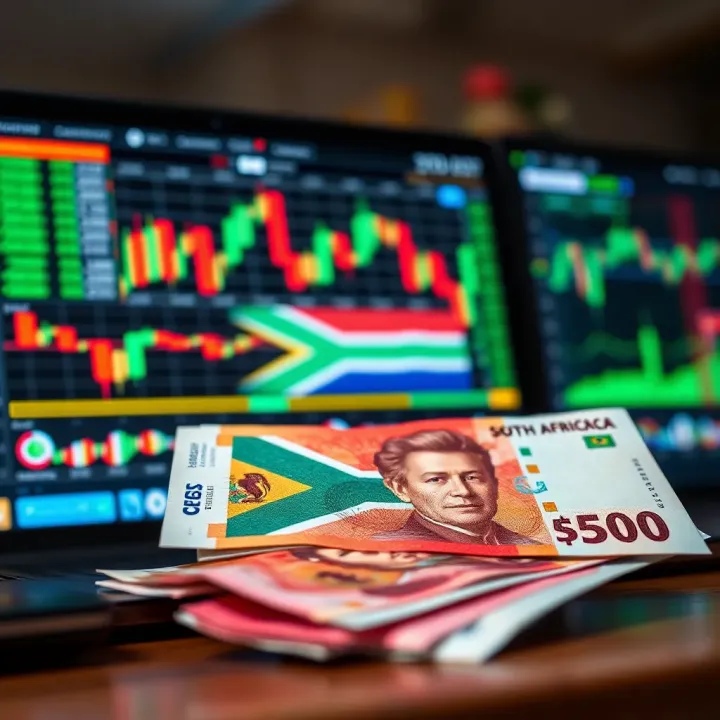
Elections and government stability have immediate effects on the currency markets. Uncertainty during election periods often sparks volatility in the rand, as traders worry about potential policy shifts. For example, during times of political tension or leadership changes in South Africa, the rand can swing sharply. A stable government, with clear economic plans, usually supports currency strength.
Geopolitical tensions introduce risk aversion globally which often sees investors flocking to safe-haven currencies like the US dollar. South African investors and traders must watch global hotspots closely, as unrest can lead to rand depreciation even if the local economy remains stable. For instance, tensions in major trade partners or conflicts affecting commodity prices—South Africa’s exports rely heavily on metals and minerals—can alter forex flows significantly.
Eskom loadshedding and economic confidence remain unique yet critical factors for the rand. Frequent power cuts hamper business productivity and deter foreign investment, shaking trader confidence in South Africa’s economic prospects. When Eskom announces higher loadshedding stages, the rand typically weakens on the back of increased risk perception. Investors tend to pull back, wary of the impact on growth and corporate earnings.
Keeping an eye on these economic indicators and political developments helps South African forex traders manage risk and find better entry points for their trades. The rand’s behaviour often mirrors the country’s economic health and political scene more closely than global markets.
This understanding lets traders anticipate shifts and adjust strategies accordingly, aiming for smarter, more informed trading decisions.
Starting forex trading in South Africa involves a few key steps that ensure your entry into the market is safe, informed, and aligned with local regulations. Given the complex nature of currency trading, it’s crucial to understand the practical process: selecting a reliable broker, setting up your account correctly, and managing your funds efficiently. South African traders face unique challenges such as exchange rate issues and regulatory compliance, so getting these basics right up front saves headaches later.
The FSCA regulates financial services in South Africa, including forex brokers, to protect traders from fraud and malpractice. When choosing a broker, first check if they appear on the FSCA’s official list of authorised providers. Trading with an FSCA-regulated broker means they're bound by rules designed to safeguard your investments and personal information. This is especially relevant given the volume of scam brokers targeting South Africans promising fast profits.
Spreads—the difference between buy and sell prices—directly affect your trading costs. Choose brokers offering tight spreads to maximise profit potential. Equally important: the trading platform must be user-friendly and robust. Popular options like MetaTrader 4 or 5 offer analytical tools and mobile access, essential for timely decisions. Efficient customer support is also vital; brokers based locally or offering prompt services via phone, email, or chat can assist quickly when issues arise.
South African traders often fall victim to fake brokers promising guaranteed returns or refusing withdrawal requests. Always avoid brokers lacking FSCA registration or those pushing high-pressure sales tactics. Look out for questionable apps or websites without verifiable contact details. Educate yourself on typical red flags and never deposit large sums before testing a broker’s credibility through demo accounts or small trades.
Opening a forex account is usually straightforward but requires identity verification under South Africa’s Financial Intelligence Centre Act (FICA). Expect to provide a valid ID, proof of address, and sometimes bank statements. This process prevents fraud and ensures compliance. Once verified, your account is ready for funding and trading.
MetaTrader 4 (MT4) and MetaTrader 5 (MT5) remain the most popular platforms, supporting advanced charting, expert advisors, and real-time quotes. Other platforms like cTrader offer similar features and may appeal to traders looking for alternative interfaces. Local brokers often customise these platforms to suit the South African market, including rand (ZAR) accounts and mobile compatibility.
Using a demo account is a smart move, allowing you to practise trading with virtual funds. This hands-on experience helps understand market behaviour without risking real money. Many brokers provide demo accounts without time limits, enabling you to test strategies and familiarise yourself with the platform until confident.
South African traders benefit from brokers supporting local payment methods like EFT (Electronic Funds Transfer) and credit/debit cards, which are faster and cheaper than international wire transfers. Some brokers also accept payments via popular e-wallets relevant locally. Choosing local payment options reduces delays common with foreign banks and limits hefty banking fees.
If you fund your account in rands but trade mostly in other currencies like USD or EUR, be aware of conversion fees. Some brokers charge for currency conversion or apply unfavourable exchange rates, eating into your funds. It's wise to compare brokers’ currency handling policies or consider opening multi-currency accounts if available.
Trading costs come chiefly from spreads and, in some cases, commissions. Lower spreads mean you pay less to enter and exit trades, which is crucial for day traders making frequent trades. Commission-based brokers may offer fixed spreads but add a percentage per trade. Factor these costs into your trading plan, as they can impact profitability significantly over time.
Starting forex trading in South Africa demands attention to local regulations, broker credibility, and practical funding methods. Careful choices here pave the way for smarter, safer trading.
Trading in the forex market can be rewarding, but it's not without its risks. Managing those risks carefully is key to staying in the game and protecting your capital. This means understanding the dangers at play, preparing strategies that limit potential losses, and maintaining discipline under pressure. South African traders, in particular, need to be extra mindful due to the currency's sensitivity to local economic shifts and external shocks.
Leverage in forex allows traders to control large positions with a relatively small amount of capital, effectively borrowing money from the broker. While this can amplify profits, it also increases potential losses equally. For example, a 100:1 leverage means you can trade R10,000 worth of currency with just R100 in your account, but a 1% move against you wipes out your entire investment. This means without proper risk control, you could lose much more than your initial deposit.
Leverage offers a double-edged sword; it requires strict management. South African traders should resist the temptation to max out leverage and instead use levels that fit their experience and risk appetite. A cautious approach helps prevent sudden account wipeouts, especially in volatile markets.
The forex market often moves on sudden news, economic reports, or global events, causing sharp price swings. For instance, a surprise change in South Africa’s interest rates or an unexpected Eskom loadshedding announcement can lead to wild Rand fluctuations. Markets also react to international developments, like a US Federal Reserve decision or geopolitical tensions.
Such volatility can catch traders off guard, leading to rapid losses if positions aren’t managed carefully. It’s vital to monitor key economic calendars and local news to anticipate possible market moves. Accepting that price unpredictability is part of forex trading encourages realistic expectations and safer trading.
Forex trading isn’t only about reading charts; it’s a mental battle. Emotional reactions—fear, greed, overconfidence—often cloud judgement. A trader who chases losses to recover quickly or holds losing trades hoping for reversal might damage their account severely.
Maintaining discipline and emotional control helps resist impulsive decisions. This is especially important when the Rand dips or surges unexpectedly, triggering FOMO (fear of missing out) or panic selling. Traders who develop a steady mindset tend to handle market swings better and stay in the market longer.
Stop-loss orders automatically close a trade at a price level you set to limit losses. Conversely, take-profit orders close a position once a target profit is reached. Together, these tools allow you to manage trades without watching the market constantly.
For example, if you buy EUR/ZAR at R18.00 aiming for R18.50, setting a stop-loss at R17.80 means you cap your loss at 20 cents if the market moves against you. This approach prevents emotions from dictating exits and enforces discipline, crucial during volatile periods.
A solid rule is to risk only a small percentage of your total trading capital on a single trade—usually 1% to 2%. In practice, if you have R10,000, your maximum loss should be R100 to R200 per trade. This keeps you in the game even if you hit a losing streak.
Limiting exposure spreads risk over many trades and avoids catastrophic losses from one bad call. South African traders also need to be mindful of spreads and commissions, which affect overall exposure especially in less liquid currency pairs.
Relying solely on one trading method increases vulnerability. By diversifying—such as using both short-term scalping and longer-term trend-following—you spread risk across different market conditions.
For instance, you might trade Rand pairs during local sessions and opt for major pairs like EUR/USD when global markets are active. This balance reduces the chances of all positions moving against you simultaneously, smoothing out performance over time.
Managing risk is less about avoiding loss altogether, and more about controlling it. Being prepared and disciplined helps you trade smarter, protect your capital, and improve your chances of long-term success in forex trading.
Trading forex in South Africa comes with legal and tax responsibilities that every trader should understand. Navigating these aspects helps you stay within the law, avoid penalties, and manage your finances better. Here’s a breakdown focused on what matters most.
The Financial Sector Conduct Authority (FSCA) is the watchdog ensuring forex brokers operate fairly and transparently in South Africa. They set rules to protect traders from shady practices and scams. When choosing a broker, always check if they hold FSCA authorisation — this means regulators have vetted them for financial soundness and ethical behaviour.
An FSCA-regulated broker must comply with market standards, like segregating client funds and providing accurate pricing. Trading with unregulated brokers risks losing your money without recourse. So, FSCA oversight offers traders crucial peace of mind.
Not all companies offering forex services are authorised by the FSCA. Some fly under the radar or operate offshore without legitimate licences. These unauthorised providers often attract clients with promises of high returns but can disappear with funds or manipulate trades.
To avoid this pitfall, always verify a broker's status on the FSCA’s public register. If the broker’s name is missing, treat that as a red flag. Examples of scams include brokers demanding large upfront deposits or refusing withdrawals. A cautious approach saves you hassle and losses down the line.
South African regulations such as the Regulation of Interception of Communications and Provision of Communication-Related Information Act (RICA) and the Financial Intelligence Centre Act (FICA) require brokers and traders to identity-check and verify transactions. This helps prevent money laundering, fraud, and other financial crimes.
When opening a trading account, you’ll need to submit valid identity documents and sometimes proof of address. Traders benefit because these measures add a layer of security, helping ensure that the forex market in South Africa remains a trustworthy place.
Profits from forex trading are usually taxable as income if trading is part of your regular business or source of income. SARS expects you to keep proper records of your trades, gains, and losses. Losses can typically be offset against profits to reduce taxable income.
For example, if you’re actively trading and earning R50,000 after expenses in a tax year, this amount should be declared as income and taxed according to your marginal tax rate. Standalone profits still count towards your total taxable income.
If forex trading is more occasional, SARS may treat your profits as capital gains. That means only 40% of the gain is added to your taxable income, which can lower your tax bill compared to income tax treatment.
For instance, if you sell a foreign currency position at a profit of R20,000, 40% of that (R8,000) is subject to tax at your marginal rate. Distinguishing between income and capital gains tax depends on your trading patterns and SARS guidelines.
Being transparent with SARS is a must. Declare all forex profits in your annual income tax return under the appropriate category. Failure to do so might lead to penalties or audits.
Keep detailed records including trade dates, amounts, broker statements, and bank slips. Using accounting software or professional help can simplify this. Remember, SARS expects you to declare gains in Rand, so convert any foreign currency amounts accordingly.
Staying legal and tax-compliant in forex trading protects you against financial and legal trouble. Take the time to understand and follow local rules — your future self will thank you.
By grasping these legal and tax points, you’re better placed to trade responsibly and confidently within South Africa’s regulatory framework.
📉 Get to grips with forex trading basics in South Africa 🇿🇦. Learn market structures, key terms, strategies, and risk management to start your trading journey confidently.
📈 New to forex trading in South Africa? This step-by-step guide covers market basics, key terms, smart strategies & risk tips to trade confidently.
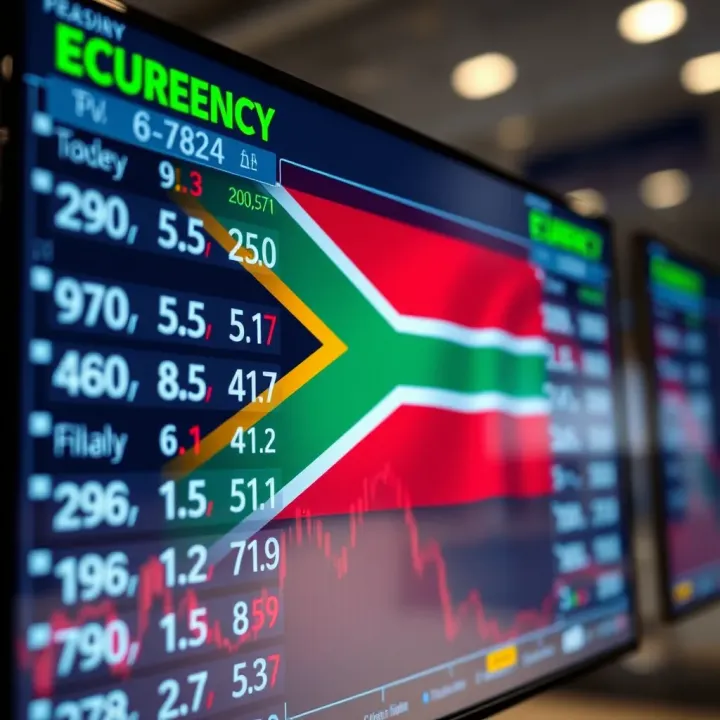
📈 Discover how forex trading works in South Africa 🇿🇦, learn key strategies, market players, risks, and tips to trade currency confidently.
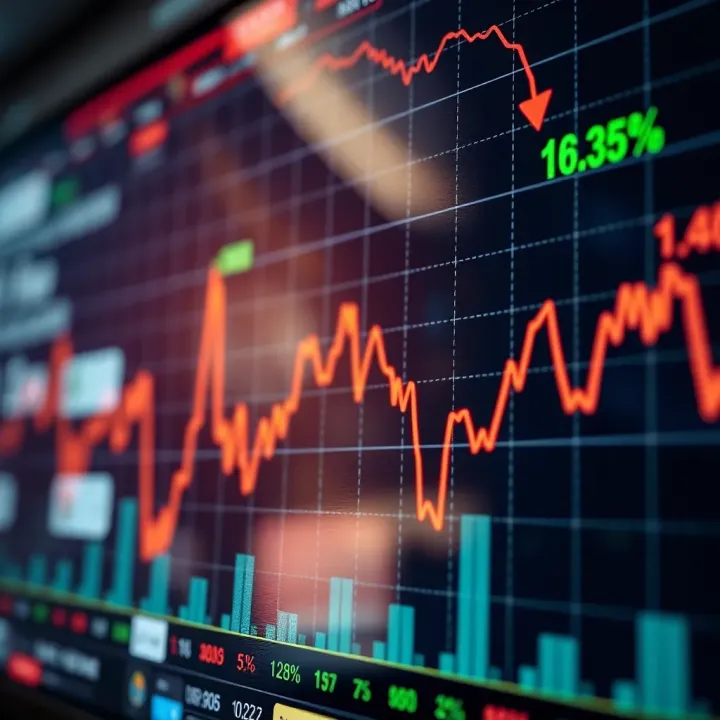
Learn the basics of forex trading in South Africa 🇿🇦. Get practical tips, understand risks, and start trading confidently with local insights 📈💡.
Based on 11 reviews