
Forex Trading Guide for South African Beginners
💱 Understand Forex trading in South Africa: Learn how currency buying and selling works, key players, risks, strategies, regulations, and choosing the right broker.
Edited By
James Bennett
Forex trading has become increasingly popular in South Africa, offering many an opportunity to earn from currency movements. Still, before jumping in, it’s wise to get a handle on what forex trading actually involves and how it works in our local context.
At its core, forex trading is the buying and selling of currencies. You trade currency pairs—like the US dollar against the South African rand (USD/ZAR)—aiming to profit from shifts in exchange rates. For example, if you expect the rand to weaken against the dollar, you might buy USD/ZAR pairs, hoping to sell them later at a higher rate.
South African traders face unique considerations when entering the forex market. Local regulations mean you should choose brokers authorised by the Financial Sector Conduct Authority (FSCA). This protects you from scams and ensures fair trading practices. Also, South Africans can trade through both local and international brokers, though watch out for currency conversion fees and withdrawal limits.
Starting out, it’s helpful to understand the major and minor currency pairs. USD/ZAR is popular locally due to the direct impact rand fluctuations have on our economy, imports, and exports. Understanding economic factors that influence the rand—like commodity prices, inflation, and SARB (South African Reserve Bank) interest rate moves—can give you an edge.
Remember: Forex trading isn’t a get-rich-quick scheme. It demands discipline, knowledge, and patience.
Before opening a trading account, you should:
Confirm the broker’s FSCA licence.
Check deposit and withdrawal methods suitable for South African banks.
Look for transparent trading costs (spreads and commissions).
Understand the platform features and tools offered.
Practical steps like using demo accounts provide a safe space to hone your skills without risking cash. As you build confidence, focus on risk management to protect your capital. Techniques such as setting stop-loss orders and managing position sizes are critical.
This article will guide you through the essentials—broker selection, currency pairs to watch, common strategies, and how to stay on the right side of risk. By the end, you’ll have a clearer picture of whether forex trading fits your financial goals and how to approach it sensibly in South Africa.
Happy trading, ja?
Grasping the basics of forex trading is essential for anyone serious about entering this fast-moving market. It helps you avoid pitfalls and trade smarter, not harder. In South Africa, traders benefit from understanding local market hours, currency pairs relevant to the Rand, and how global factors influence exchange rates. For instance, knowing how Eskom’s load shedding might weigh on the Rand can offer critical insights when trading ZAR pairs.
Forex trading involves buying and selling currencies on the foreign exchange market to profit from changes in exchange rates. Unlike the JSE where shares are traded, forex trades happen over-the-counter (OTC) across global banks, brokers, and investors. Traders speculate on whether one currency will strengthen or weaken against another. For example, buying GBP/USD means betting the British pound will rise against the US dollar. This market operates 24 hours a day, five days a week, making it ideal for those who want flexible trading hours.
Certain currency pairs dominate forex trading due to their liquidity and economic significance. The ‘majors’ include EUR/USD, GBP/USD, USD/JPY, USD/CHF, AUD/USD, and USD/CAD. For South African traders, ZAR pairs like USD/ZAR and EUR/ZAR attract interest because local economic events impact these directly. Market hours run from Sunday evening to Friday evening SAST, with the busiest sessions overlapping between London and New York hours (around 3 pm to 11 pm SAST). This overlap sees the highest volumes and tightest spreads—prime time for trading.
Exchange rates shift constantly, driven by supply and demand dynamics influenced by several factors. Economic data such as South Africa’s GDP growth rate, inflation numbers, and employment stats play a role, as do geopolitical events and Central Bank policies. For example, if the South African Reserve Bank (SARB) increases interest rates, the Rand may strengthen as it attracts foreign investment. Additionally, market sentiment, speculative flows, and global commodity prices, especially gold and platinum that SA exports, affect ZAR exchange rates. Understanding these drivers helps traders anticipate possible currency moves.
Remember: The forex market reacts not just to hard data but to expectations about the future. This means staying updated with both local events and global headlines can give you an edge in timing your trades.
In short, knowing what forex trading entails, which pairs to watch, when to trade, and what influences exchange rates sets a solid foundation. Without this, you’re basically wandering in the dark, hoping to stumble on good trades.
Before diving into forex trading, understanding how to get started properly in South Africa is vital. The basics include finding the right broker, knowing how to set up an account, and understanding the local payment options. These steps influence not just your ease of trading but also your safety and costs.
Regulation protects traders from shady operations and scams, which unfortunately can be common in the forex space. South African traders should check if a broker is registered with the Financial Sector Conduct Authority (FSCA), the country’s watchdog. Brokers regulated by FSCA must follow specific standards, giving you a fair level of security and recourse if things go wrong.
Moreover, some global brokers also hold licences from top financial hubs like the UK’s FCA or Australia’s ASIC, adding layers of credibility. Just remember, a broker regulated overseas isn’t a substitute for FSCA oversight, especially when you’re trading with rands.
Your trading platform is where the action happens. It needs to be reliable, user-friendly, and equipped with the right tools. Most South African brokers provide platforms like MetaTrader 4 (MT4) or MetaTrader 5 (MT5), known for their stability and access to charts and indicators.
Some brokers offer proprietary platforms too, tailored to their services. Choosing the right platform affects how quickly you can act on trading signals and manage your positions. For example, MT4 supports automated trading bots, while others might feature real-time news feeds crucial for fundamental analysis.
Every trade comes with a cost, so understanding fees upfront saves you nasty surprises. Look out for spreads (the difference between buy and sell price), commissions per trade, and any overnight swap rates if you hold positions past market close.
For instance, some brokers claim zero commissions but widen their spreads, which can quietly cut into profits. Also, check if there are deposit or withdrawal fees, particularly when using local payment methods.
Most brokers offer different account types to suit varying experience levels and investment sizes. Starter or mini accounts allow trading with smaller sums, which is ideal for new traders wanting to learn without risking large amounts.
On the other hand, standard or VIP accounts often have tighter spreads and better leverage options but require a larger initial deposit. Selecting the right account type helps you manage risk and trade within your comfort zone.
The ability to deposit and withdraw using methods familiar in South Africa simplifies things significantly. Common options include EFT (Electronic Funds Transfer), credit/debit cards, and increasingly popular e-wallets like PayFast or SnapScan.
Using local payment methods often means faster processing times and lower costs. For example, depositing via EFT directly from your FNB or Standard Bank account usually clears within a day or two, avoiding international bank delays.
Many brokers operate in US dollars or euros, so trading with rands means currency conversion is inevitable. This conversion can add extra costs if your broker doesn’t support accounts in ZAR (South African Rand).
For example, funding your account with rands but trading USD pairs might incur conversion fees each time you deposit or withdraw. To limit these costs, opt for brokers that offer ZAR accounts or at least transparent conversion rates.
Starting on the right foot with a regulated broker that suits your trading style and local banking options is key. Avoid rushing — taking time with these choices protects your capital and peace of mind.
Grasping core forex concepts and terminology is key to trading confidently and making informed decisions. When you understand terms like pips, lots, leverage, margin, and different order types, you gain control over your trades instead of flying blind. This foundation helps you manage risk and avoid common pitfalls.
A pip is the smallest price move in a currency pair and usually the fourth decimal place. For example, if the USD/ZAR rate moves from 17.3450 to 17.3451, that’s a one-pip move. Knowing what a pip is helps you measure gains or losses. A lot is how forex trades are sized. The standard lot is 100,000 units of the base currency, but many brokers offer mini-lots (10,000) or micro-lots (1,000), letting you trade smaller amounts.
Leverage lets you control a big position with a smaller deposit, called margin. Say you have R2,000 in your account and your broker offers 1:100 leverage. This means you can open trades worth up to R200,000. While leverage can boost returns, it also magnifies losses, so it’s essential to use it carefully.
Margin is the amount your broker keeps aside to cover potential losses on your open trades. It’s not a fee but a security deposit. If your trade moves against you and losses pile up close to your margin limit, you’ll get a margin call and may have to add funds or close positions. This prevents accounts from going into negative balances.
Trading on margin is risky because rapid market moves can wipe your funds quickly, especially with high leverage. Keep track of your margin level and avoid overcommitting. For example, if you trade the USD/ZAR pair during volatile periods around South African Reserve Bank announcements, sudden moves can trigger margin calls if you’re underfunded.
Market orders execute your trade instantly at the current price. If you decide to buy EUR/USD at the going rate, a market order makes it happen right away. This is useful when you want to enter or exit quickly, especially in fast-moving markets. However, prices can shift slightly between the order and execution, leading to slippage.
Limit orders let you specify the exact price where you want to enter or exit a trade. For instance, if EUR/USD is trading at 1.1000 but you want to buy only when it dips to 1.0950, a limit order will wait until that price appears. This can help you get better prices without watching the screen constantly, but there’s no guarantee the price will reach your limit.
Stop-loss orders protect you by automatically closing a trade if it moves unfavourably to a certain level you’ve set. Say you buy USD/ZAR at 18.00 and want to limit losses to R0.10 per unit; you’d set a stop-loss at around 17.90. This way, if the rand strengthens suddenly, you won’t lose more than planned. Stop-losses are essential for effective risk management and preventing emotional decisions.
Understanding these terms and tools will give you better control over your forex trades and help you navigate the market safely.
With these basics under your belt, adapting to South African market conditions, such as the volatility around Eskom load-shedding announcements or SARB interest rate decisions, becomes easier. You'll trade smarter and keep risk where you can handle it.
Trading forex isn’t just about guessing currency moves; it’s about managing risk and making the most of your opportunities. Without solid strategies, losses can pile up quickly. South African traders must approach the market with tools and techniques that control potential downsides while maximising gains. This section covers the core methods that can help you stay steady on your trading path.
Charts are the backbone of technical analysis, showing how prices have moved over time. Common chart types include line, bar, and candlestick charts, each offering specific insights. Candlestick charts are particularly popular because they provide detailed information on opening, closing, high, and low prices for a period.
Indicators such as Moving Averages, Relative Strength Index (RSI), and Bollinger Bands help traders spot momentum, overbought or oversold conditions, and volatility changes. For example, if the RSI indicates a currency pair is overbought, it could suggest a potential price correction soon.
A fundamental skill in forex is identifying whether the market is trending or ranging. Trends show a sustained direction—upwards, downwards, or sideways—while patterns like head-and-shoulders or double tops point to possible reversals. Spotting these early on lets you time entries and exits better.
Let's say the USD/ZAR pair forms a clear upward trend with higher highs and higher lows; a trader might look for buying opportunities on dips. Conversely, a double top pattern might warn of a downturn, so setting stop-losses becomes crucial.
Economic reports such as South Africa’s GDP numbers, inflation rates, interest rate announcements from the South African Reserve Bank (SARB), and employment figures significantly sway currency values. Traders following these reports can anticipate moves; for instance, a rise in SARB's repo rate often strengthens the rand (ZAR).
Monitoring this data helps you position trades ahead of potential market reactions instead of reacting after the fact, which could erode profits.
Local and international political events can quickly affect forex markets. For South Africa, issues like election outcomes, policy changes, or even Eskom’s load-shedding stages can influence ZAR volatility. Globally, tensions in trade relations or crises can trigger risk-off sentiment, leading investors away from emerging markets.
Being aware of the context around your currency pairs can prevent surprises. For example, a sudden announcement about tariff changes might prompt rapid price shifts demanding quick adjustments to your strategy.
These tools limit losses and lock in gains automatically. By setting a stop-loss, you decide the maximum loss you’re willing to accept if the market goes against you. Take-profit ensures you exit a trade once your target gain is reached.
For example, if you buy EUR/ZAR at R17.50 expecting it to rise, you might set a stop-loss at R17.30 to cap losses and a take-profit at R17.80 to secure profits once the price hits your target.
How much you trade matters. Position sizing means adjusting the size of your trades based on your account and risk tolerance. A general rule is to risk only 1–2% of your account on a single trade to avoid big losses that can be tough to recover from.
If your trading account holds R10,000, risking 2% means you shouldn’t lose more than R200 on one trade. Position sizing takes into account the distance between your entry and stop-loss levels to calculate the right lot size.
Jumping into too many trades or chasing losses can quickly drain your account. Discipline is crucial. Stick to your trading plan, wait for setups that meet your criteria, and avoid trading out of boredom or frustration.
Overtrading often leads to mistakes and poor judgement. Practice patience and quality over quantity. A single well-planned trade beats multiple careless ones.
Effective risk management strategies in forex trading improve your chances of success and safeguard your capital against unexpected market swings. Remember, consistency in applying these techniques is more valuable than chasing quick wins.
Continuous learning is key to becoming a successful forex trader, especially given how quickly market conditions and regulations can shift. For South African traders, tapping into the right resources and engaging with a supportive trading community offers practical benefits. It keeps your skills sharp, provides fresh perspectives, and helps you adapt to local and global developments.
Books remain a solid source for in-depth understanding. Classics like Currency Trading for Dummies offer a straightforward entry point into forex. For a more South African context, look for resources that discuss trading under market conditions affected by local factors like rand volatility and Eskom loadshedding. PDFs from reputable brokerages or financial institutions can provide up-to-date strategies or economic reports specific to South Africa, such as SARB’s monetary policy statements or SARS tax guides on trading profits.
Online courses provide structured learning and often come with practical exercises and mentorship. Platforms such as Udemy or Coursera have forex courses tailored to different skill levels, with some even focusing on African markets. Local trading communities or forums—whether Facebook groups, Telegram channels, or Meetups—allow South African traders to share experiences, discuss local nuances like BEE considerations in investment, and exchange tips on navigating regulations like FICA (Financial Intelligence Centre Act) for account verification.
Demo accounts simulate trading with virtual money, enabling you to test strategies without risking actual cash. Most brokers licensed in South Africa offer demo accounts, including those supporting rand-denominated portfolios. Practising with these accounts helps you understand platform tools, manage emotions when trades don’t go your way, and refine your timing. Even experienced traders use demo accounts to trial new strategies before going live.
Staying active in learning through diverse resources and engaging with the local trading scene can distinguish savvy traders from those who merely dabble. Keep researching, connecting, and practising to stay ahead.
Whether you prefer reading, interacting with peers, or hands-on practise, these steps will equip you with a well-rounded grasp of forex trading suited to the South African landscape.
💱 Understand Forex trading in South Africa: Learn how currency buying and selling works, key players, risks, strategies, regulations, and choosing the right broker.

👨💻 Discover how demo forex trading in South Africa helps you test strategies risk-free, build smart habits, and pick the best local platforms to trade with confidence.
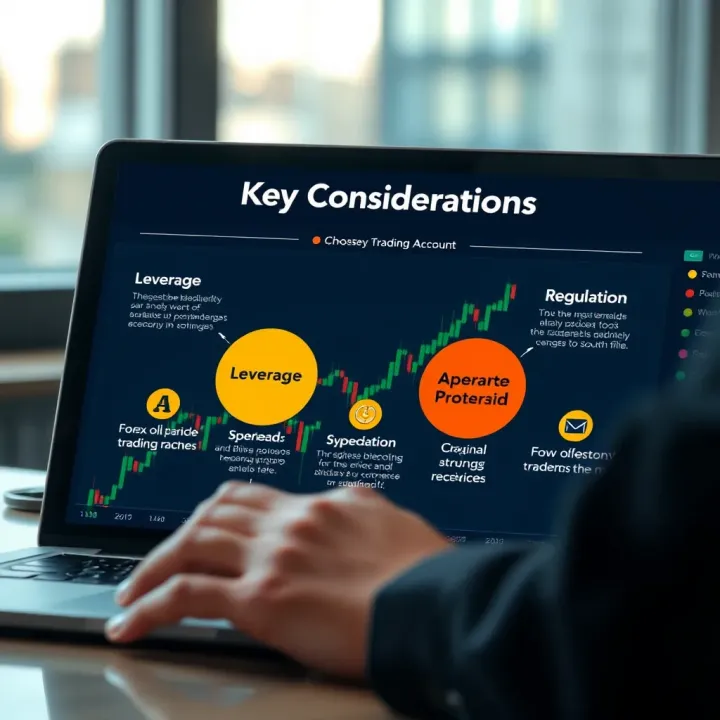
📈 Learn about forex trading accounts for South African traders: types, leverage, spreads, regulation, plus tips to choose and manage your account wisely in local markets.
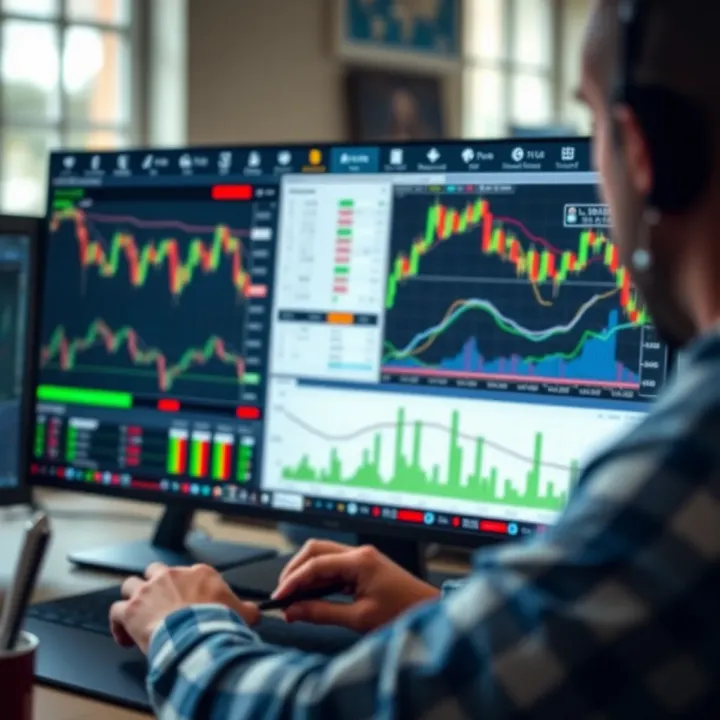
Explore essential forex trading software 🖥️ for South African traders! Learn types, features, security tips, and choose the right platform for success 📈
Based on 7 reviews