

Key Functions of Risk Management in Business Safety
Learn how risk management helps South African businesses identify, assess, and control risks to protect assets and support growth 📊🔒🌍
Edited By
James Harrington
Risk is a fact of life, especially if you’re operating in the financial markets or managing investments. Whether you're a trader keeping an eye on volatile stocks or a financial advisor crafting strategies for clients, understanding and managing risk effectively isn’t optional—it’s necessary.
A comprehensive risk management plan acts like a well-tuned engine for your financial operations. It helps spot trouble before it turns into a crisis and maps out ways to dodge or tackle these challenges.

In this article, we will walk through the key pieces of a solid risk management plan—from identifying potential risks to assessing their impact, planning your response, and setting up ways to keep tabs on everything. For anyone in trading, investing, or financial advisory, mastering these elements will make your decision-making sharper and your business more resilient.
Remember, the best risk plan isn’t one that avoids risk altogether, but the one that manages it wisely and offers clear, actionable paths forward.
Let’s dive in and break down what makes a risk management plan truly valuable, so you’re not caught off guard when the markets shift or unexpected events occur.
Risk management planning is the backbone of any smart business strategy, especially when the stakes are high, like in trading or financial investments. It’s not just about spotting danger; it’s about preparing for it so you don’t get caught off guard. Without a solid plan, even the most experienced traders can face unexpected shocks that chip away at their gains.
Take, for example, a local investment firm that didn't factor in currency fluctuations between the rand and the US dollar. They assumed steady conditions but when volatility hit, their unplanned exposure led to significant losses. A good risk management plan anticipates such scenarios and sets clear steps to handle them before they spiral out of control.
This section frames why starting your risk management journey correctly matters. We’ll zoom in on what a risk management plan really is and who exactly benefits from using one. You’ll get a clear picture of how this foundational step sets the tone for everything that follows in risk control, making your operations safer and more predictable.
At its core, a risk management plan lays out the playbook for identifying, assessing, and tackling risks that could derail your business goals. It isn’t some bureaucratic checklist but a pragmatic tool aimed at minimizing surprises and keeping things on track.
Why bother, you ask? Think about investing in shares of a mining company listed on the Johannesburg Stock Exchange. Market dips, labor strikes, or shifts in export regulations could all hurt your returns. The plan flags these specific risks and suggests actions—diversifying your portfolio, setting stop-loss orders, or monitoring labor relations news closely.
In other words, the plan guides decision-making with facts and foresight instead of guesswork and gut feelings. It helps to allocate resources wisely—whether dedicating capital to hedge risks or training staff to spot warning signs early. The purpose, simply put, is to turn uncertainty into manageable chunks.
Pretty much anyone involved in financial decisions should have a risk management plan. Traders and investors stand to gain the most since their profits hinge on navigating uncertainty day-to-day. But also financial advisers and brokers, who need to counsel clients with real-world awareness rather than hoping for the best.
Even analysts can benefit from a formal approach to risk, sharpening their forecasts and making recommendations with a clearer picture of potential pitfalls. For companies managing investment funds or handling clients’ portfolios, risk management plans are indispensable tools that protect reputation and capital.
A risk management plan isn’t reserved for big institutional players; an independent trader planning to enter the forex market should have one just as much. It levels the playing field and avoids costly surprises.
In short, anyone who deals with money exposure—not just the top dogs but also the smaller operators—needs a well-thought-out plan. It’s a safety net and a guide to help keep financial objectives steady no matter how wild the market gets.
Setting the context is a crucial step in building an effective risk management plan. It's where you lay down the foundation by understanding exactly where your organisation stands and what it aims to achieve. Without this clarity, risk management efforts can easily become misguided or overly broad, wasting both time and resources. For traders or financial advisors, getting this part right means aligning risk efforts with actual market realities and business goals rather than chasing every possible threat that may never materialize.
At its core, defining organisational objectives means clearly stating what your firm wants to accomplish in the short and long term. Whether it’s hitting a target profit margin, expanding client portfolios, or complying with new financial regulations, these goals shape every other part of your risk plan. Consider a stockbroker aiming to boost quarterly transaction volumes by 20%. Knowing this, risk managers can focus on risks that could obstruct this growth, like system downtime or transactional errors, instead of getting distracted by unrelated risks.
When you outline objectives, it’s smart to keep them specific, measurable, and realistic. Vague goals like “increase revenue” do little to guide risk priorities. Instead, something like “achieve a 15% increase in assets under management by Q3” gives a solid target that can be tied back to risk thresholds and monitoring metrics.
Risk doesn’t exist in a vacuum—internal and external forces constantly influence how threats emerge and impact your organisation. Internal factors include things like your team’s expertise, IT infrastructure, and company culture. For example, a financial advisory firm with limited IT resources may face higher risks from cyber threats. On the other hand, external factors cover economic trends, regulatory changes, and competitor moves. A sudden interest rate hike or new reporting rules could drastically affect your risk profile.
Understanding these factors helps you paint a full picture of the environment in which your organisation operates. It’s like knowing the weather before you plan a trip; you wouldn’t dress the same for a sunny day as for a storm. Similarly, an investment analyst must weigh economic indicators and market sentiment alongside internal reporting processes to spot risks early.
Without a firm grasp of the organisational objectives and the internal/external landscape, risk management efforts are akin to navigating without a map. Establishing the context contextualises risks, ensuring your plan targets what truly matters.
In practice, it’s useful to:
Conduct SWOT analysis (Strengths, Weaknesses, Opportunities, Threats)
Consult stakeholders for varied perspectives
Review recent market data and regulatory updates
This groundwork not only refines your risk identification later but also ensures your risk strategies fit your organisation’s reality—not some theoretical ideal. For traders and financial professionals, this approach avoids costly missteps and keeps risk management practical and grounded in real-world challenges.
Identifying risks systematically is the backbone of any solid risk management plan. Without knowing what might go wrong, it's nearly impossible to prepare or respond effectively. This step ensures that all potential threats are on the table — not just those that jump out easily. Think of it as taking stock of the landscape before you decide which path to take.
For financial professionals like traders and investors, missing a key risk can lead to heavy losses. A structured approach helps spot these hidden pitfalls early. For example, a trader might assume market volatility is the main risk, but without thorough identification, they might overlook operational risks such as system outages or compliance failures.
Brainstorming sessions provide a concentrated way to gather insights from a diverse group. In financial settings, such workshops might include portfolio managers, compliance officers, and data analysts. The goal is to capture a wide range of risks from different perspectives. One advantage is that these sessions encourage creative thinking, sometimes uncovering risks no one had previously considered.
For example, a workshop could reveal concerns about emerging cryptocurrency regulations that might impact trading strategies. To get the most out of these sessions, it helps to have a skilled moderator who can keep the discussion focused, ensuring all voices are heard and preventing dominant personalities from overshadowing others.
One-on-one interviews and carefully designed questionnaires allow for deeper dives into specific areas of concern. This method is particularly useful for uncovering risks that people might hesitate to share in a group setting. For instance, an analyst might reveal issues with data integrity that don't come up in broader discussions.
Using questionnaires provides the benefit of reaching a larger audience without requiring everyone to meet at the same time. Financial firms can use digital surveys to gather input on potential risks related to market developments or internal processes. The key here is asking targeted questions that encourage thoughtful answers rather than simple yes/no responses.
Looking back at past incidents, market fluctuations, or project outcomes can shine a light on recurring risks. Historical data serves as a reality check – it helps avoid assuming that today's calm market means smooth sailing forever. For example, reviewing records might highlight that a certain trading algorithm tends to underperform in volatile markets.
In practice, firms often analyze incident reports, compliance breaches, or financial losses to identify patterns. This approach also assists in understanding the frequency and severity of different risks, which supports more accurate risk prioritization later on.
Once risks are identified, documenting them clearly is vital. A well-maintained risk register acts like a living document that tracks what the risks are, where they came from, and how pressing they might be. For financial operations, this can include noting market risks, liquidity risks, operational risks, and legal risks.
Proper documentation isn't just record-keeping; it supports communication across teams and informs management decisions. When risks are logged consistently, it’s easier to spot emerging threats or gaps in controls. For example, an investment firm could document a risk about a new regulatory change and track mitigation steps as they unfold.
Keeping a clear, updated record of potential risks enhances transparency and accountability – two qualities every financial firm should prize.
An effective risk register should include:
Risk description
Likelihood and impact assessments
Risk owner or responsible individual
Date identified and status updates
Notes on mitigation efforts
Together, systematic identification and clear documentation prepare firms to tackle risks head-on, ensuring a proactive rather than reactive stance.
Understanding which risks to focus on is what separates a good risk management plan from guesswork. Assessing and prioritising risks means looking closely at each potential threat and figuring out how likely it is to happen, plus what kind of damage it could do if it does. This step is central for traders, investors, and financial advisors because resources are limited, and tackling every risk with the same intensity just isn’t practical.
By properly assessing risks, organisations can channel their efforts and funds into those that could cause the biggest financial blows or operational headaches. For example, a local brokerage firm might identify the risk of sudden market volatility due to political unrest in a neighbouring country—this clearly demands urgent action more than routine software glitches. Prioritisation ensures the most dangerous or probable issues get addressed first, keeping the company nimbler and more responsive to change.
When you're sizing up risks, two questions lead the way: How likely is it that the risk will actually happen? And if it does, how bad will it be? Risk likelihood involves judging chances based on facts, past events, and current signals. For instance, an investor tracking currency movements in emerging markets would consider political hints and economic data to measure volatility risks.
Impact, on the other hand, is about consequences—whether it’s losing a big chunk of capital, missing a deadline, or damage to reputation. Impact isn’t only financial; it can also be operational or regulatory. Some risks may have a low chance but high impact—think of cyberattacks that could wipe out sensitive client information. Those still warrant attention.
Using a simple 5-point scale from "very unlikely" to "almost certain" for likelihood, and a similar scale from "minor" to "catastrophic" for impact can help quantify risks. This enables clear comparisons and makes subsequent prioritisation logical rather than guess-driven.
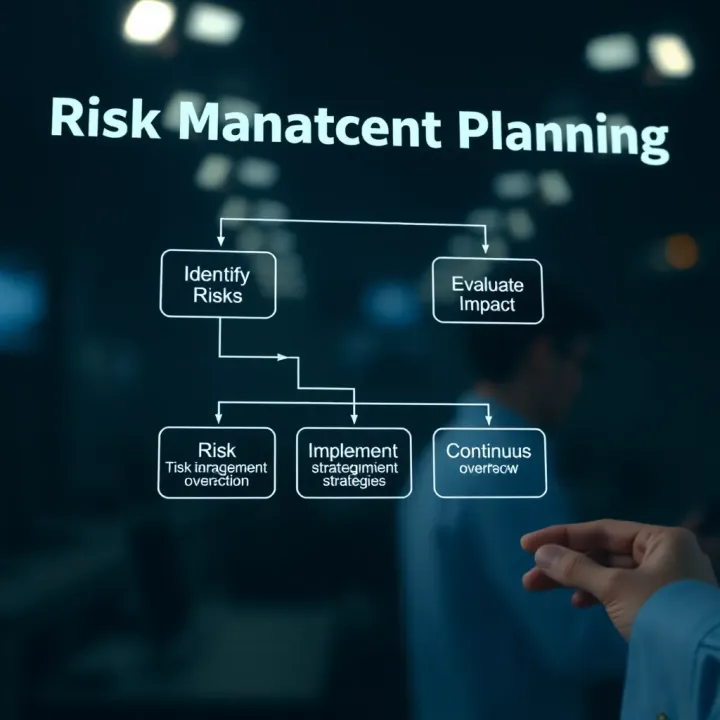
Once likelihood and impact are estimated, the next step is turning this into a clear rating system. Risk rating usually involves multiplying the scores for likelihood and impact to give a risk value. This quantifies risk areas so teams quickly see which ones score high and require immediate focus.
For practical application, many firms use heat maps that visually plot risks on a grid, with one axis for likelihood and the other for impact. This method is straightforward and helps teams spot hot zones—high risk and high likelihood—where mitigation is critical. For example, a financial analyst might place regulatory non-compliance risks in the highest quadrant, flagging the need for urgent legal review.
Ranking risks after rating them sharpens the decision-making process. It creates a prioritized list so management can schedule risk reviews and allocate budget more effectively. Also, it prevents watering down efforts over too many lesser risks.
By treating risk assessment as a detailed, measurable process rather than a vague gut feeling, organisations build stronger defences and stand better odds in fast-moving markets.
Employing these techniques ensures your risk management isn’t just ticking boxes but actively steering your organisation away from trouble and towards steady growth.
Developing risk response strategies is where the rubber meets the road in risk management. This phase takes the identification and assessment of risks and moves into concrete actions to address those risks. For traders, investors, and financial advisors, having a clear plan to respond to risks can mean the difference between a minor hiccup and a major loss. It’s not just about avoiding issues but deciding how best to handle them depending on their nature and impact.
The strategies developed must be practical and fit the organisation's appetite for risk. A well-devised response minimizes potential damage while maximizing opportunities to continue operations smoothly. Consider a broker noticing unusual market volatility; a prepared response strategy here could involve halting trading temporarily or diversifying positions rapidly to limit exposure.
Avoiding risk means sidestepping or eliminating the risk entirely. Sometimes it’s as simple as not entering into a particular deal or market known for erratic behavior. For example, an investor might choose not to invest in a newly launched cryptocurrency with no regulatory oversight because the risk outweighs potential reward.
Avoidance is the safest option but is not always possible or practical. It’s essential to evaluate whether steering clear of a risk compromises organisational goals or opportunities. For instance, avoiding a sector entirely might mean missing out on growth potential.
When avoidance is off the table, reducing either the likelihood or impact of the risk is the next best move. This could mean implementing tighter security controls to protect data or using stop-loss orders in trading to limit financial exposure.
For example, a financial advisor might reduce risk by advising clients to spread investments across different asset classes to cushion against downturns in any one market. Techniques like hedging are also common ways traders reduce downside risks without foregoing their investment goals.
Sometimes it’s wiser to pass the risk along rather than handle it alone. Risk transfer involves shifting the burden to a third party, frequently through insurance or outsourcing.
In financial markets, this could take the form of purchasing options contracts, which act as insurance policies against price drops. Similarly, a company may outsource IT functions to firms specialized in cybersecurity, transferring the risk of cyber attacks to experts better equipped to manage them.
Not all risks can be avoided, reduced, or transferred. After exhausting other options, the remaining risks are accepted as part of doing business. This acceptance is deliberate and usually involves keeping a close eye on these risks, preparing for potential consequences.
For example, a property investor might accept certain risks related to fluctuating property values, understanding that market dynamics are beyond complete control. Accepting residual risks means setting limits on how much loss is tolerable and preparing contingency plans.
Developing a clear, actionable risk response strategy allows organisations and individuals in finance to navigate uncertainties more confidently. Without it, even the best risk identification efforts can fall flat.
By weighing these response options carefully, traders, investors, and advisors can tailor risk management to their unique situations, balancing protection with opportunity effectively.
Assigning roles and responsibilities is a cornerstone of an effective risk management plan. Without clear accountability, even the most well-designed risk strategies can fall apart because it's unclear who should act or respond when risks manifest. This part of the plan ensures that everyone involved knows their specific duties, which helps in quick decision-making and efficient management of risks.
When roles are well-defined, organisations avoid duplication of efforts or critical gaps where risks might be ignored. For example, in a financial trading firm, a risk manager might be responsible for monitoring market volatility risks daily, while a compliance officer ensures that trades stay within regulatory limits. Without this clarity, vital checks could slip through the cracks or overlap unnecessarily.
Risk owners are the individuals or teams responsible for managing a particular risk from identification through to mitigation and monitoring. Defining risk owners provides a direct point of contact for each risk, which keeps accountability clear and responses timely.
Take the example of a brokerage firm facing cyber-security threats. The IT security manager would typically act as the risk owner for these threats, tasked with overseeing network protection measures, conducting risk assessments, and reporting any incidents promptly. Without a designated owner, the risk might be neglected or handled inconsistently.
It's important to select risk owners who not only have the expertise but can influence or allocate the necessary resources to control the risk effectively. Keep in mind that risk ownership doesn't mean taking the entire burden alone – it's about leadership and coordination. Risk owners should work alongside other departments to ensure comprehensive coverage.
Once risk owners are assigned, establishing clear reporting lines is vital. This means defining how information flows up the chain of command and how decisions and feedback are communicated back.
Clear reporting lines improve transparency and ensure that senior management stays informed about critical risk factors without drowning in excessive detail. For example, a trading desk might report daily risk exposure summaries to the head of risk management, who then consolidates and escalates relevant issues to the executive committee.
Good reporting systems reduce delays in response and provide a documented trail of actions and decisions. Organisations often use dashboards or risk management software to keep these communication channels smooth and consistent, which is especially important in fast-moving financial markets.
Assigning clear roles and establishing reporting lines transform risk management from a vague concept into practical, actionable processes. Without this, risk plans remain theoretical and can fail precisely when agility and clarity are needed most.
In summary, this section of the risk management plan creates the backbone for accountability and communication. For traders, investors, and brokers alike, knowing who owns what risk and how updates flow lets teams act with confidence as situations evolve.
Allocating resources efficiently to risk management efforts is a cornerstone of keeping a business stable and competitive. It’s not just about setting money aside; it’s about thinking strategically how time, personnel, and technology can be deployed to identify, assess, and mitigate risks effectively. Without proper allocation, even the best risk management plans don’t stand a chance in real-world conditions.
For traders, investors, and financial advisors, where market conditions shift rapidly, having the right resources lined up can mean the difference between riding out a storm and facing serious losses. Consider a stock brokerage firm that skirts large IT expenses one quarter only to face a cyberattack—this could've been prevented with better resource distribution.
Budgeting for risk controls involves setting aside funds specifically to develop, implement, and maintain measures that reduce exposure to various risks. This might include investments in cybersecurity defenses, compliance audits, or even insurance premiums tailored to specific risks identified.
For example, a financial advisory firm may allocate budget toward a new software platform that flags unusual trading activity which could indicate insider trading or fraud. Without this budgetary support, risk controls would be patchy or ineffective, exposing the firm and its clients to compliance failures and legal repercussions.
A practical approach to budgeting might be to identify the highest risks first and then decide how much can be realistically spent on controls without sacrificing the overall financial health of the company. Prioritizing based on potential financial impact helps guide these decisions.
No system, regardless of how advanced it is, can replace well-trained personnel. Staff training and capacity building are critical to ensure that employees at all levels understand risk and can act accordingly. This means running regular training sessions, workshops, and even tabletop scenarios to prep teams for potential risk events.
An investment firm, for instance, might conduct quarterly sessions on market volatility trends and how to adjust client portfolios in response. This not only arms advisors with up-to-date knowledge but also fosters a risk-aware culture that values proactive measures.
Beyond initial training, capacity building means developing staff skills over time so they can manage evolving risks. As an example, ongoing education about new financial regulations or emerging cyber threats ensures the team isn’t left scrambling when surprises hit.
Properly allocating resources to risk controls and training is an investment—not a cost. It's about building resilience that pays off by avoiding costly mistakes and capitalising on opportunities safely.
In sum, resource allocation in risk management isn't just about dollars and cents; it’s about putting the right tools and people in the right places. When tackled carefully, it turns risk from an unpredictable foe into a manageable aspect of sound financial strategy.
Proper documentation is the backbone of any effective risk management plan. Without clear records, it is nearly impossible to track how risks have evolved or how well mitigation efforts are working. When it comes to traders, investors, financial advisors, analysts, and brokers, maintaining a detailed and up-to-date risk register provides a transparent trail that supports better decision-making. It not only highlights where risks currently lie but also shows how those risks were identified, assessed, and treated over time.
An accurate risk register serves as a living document, reflecting the dynamic nature of financial markets and business environments. For example, if a trader notices a sudden change in currency volatility, quickly updating the register with this new risk information helps the entire team stay ahead. Documentation also protects firms during audits and compliance checks, making it easier to demonstrate that risks are taken seriously and managed responsibly.
Keeping a risk register current demands consistent attention—it’s not a once-and-done task. Markets fluctuate, regulations change, and new threats can emerge overnight. This means the register must be reviewed regularly, ideally as part of scheduled risk meetings or after significant market events.
Practical steps include assigning someone to update the register when new risks are identified or when existing risks shift in severity. For financial advisors working with diverse portfolios, this might involve revisiting asset allocation risks after geopolitical developments or economic data releases.
Tools like Microsoft Excel, or more specialized risk management software like LogicManager or RiskWatch, can help streamline updates and ensure everyone accesses the latest information. The key is making the updates timely and relevant—outdated risk logs are no better than no logs at all.
Lessons learned play a vital role in refining risk management over time. Every risk event—whether it results in a loss or is successfully mitigated—offers insights that can shore up future efforts. By documenting what worked and what didn’t, firms avoid stumbling over the same mistakes.
Consider a broker who faces unexpected losses due to rapid market swings. Recording the incident in detail, including what triggered the loss and how risk controls reacted, helps develop better strategies, such as tighter stop-loss orders or more rigorous stress testing.
Thoughtful documentation of lessons learned builds a culture of continuous improvement, vital for staying resilient in fast-moving financial markets.
In practice, lessons can be captured during post-mortem meetings or debriefs and added directly to the risk register or a dedicated knowledge base. Over time, these entries become a valuable repository guiding risk owners and teams to make smarter, evidence-based decisions.
Ultimately, keeping the risk register updated and recording lessons learned ensures that risk management is not static but adapts to new challenges—a must-have for anyone involved in the financial sector today.
Keeping an eye on risks once they're identified and managed is just as important as spotting them in the first place. Monitoring and reviewing risks is an ongoing process—it ensures your risk management plan stays relevant and effective even as things change. In the fast-paced world of trading and investing, circumstances can shift overnight, making it essential to revisit risks regularly so no surprises catch you off-guard.
This part of the plan allows you to track how well risk responses are working and spot any new threats that crop up. For example, if a financial advisor notices an emerging market trend that wasn’t considered in the initial risk assessment, this process helps integrate that info into the plan promptly. Skipping this step can lead to outdated assumptions, which can be costly, especially when dealing with volatile markets.
Setting up regular intervals to review risks—whether quarterly, bi-annually, or after major market events—is crucial to keep your risk management proactive instead of reactive. These reviews often involve audits, which help verify if the mitigation measures are implemented properly and if they're actually reducing risk as expected.
Imagine a brokerage firm that implements cyber security measures to protect customer data. Through regular audits, they might find a gap in employee access controls, prompting immediate corrective action before a potential breach. Without these scheduled check-ins, such vulnerabilities might go unnoticed until something goes wrong.
Regular reviews also create a feedback loop where lessons learned from past incidents tweak the strategy moving forward. This cycle boosts confidence among stakeholders, showing that the organisation actively manages risk rather than just ticking boxes.
No plan is written in stone; as new information comes to light, the risk management plan must evolve. This could mean reacting to changes in regulation, evolving economic conditions, or technological advances that affect risk exposure.
For instance, if new legislation affects investment strategies or trading practices, financial advisors need to adjust controls or processes quickly to stay compliant and protect their clients. Similarly, if a stock market volatility index spikes unexpectedly, analysts might reassess risk thresholds and tweak exposure limits.
Adjustments ensure your risk management remains tailored to the current context rather than relying on outdated assumptions. Always document why changes are made to maintain transparency and support audit trails. This flexibility can make the difference between weathering a storm and getting swept away.
"Monitoring and reviewing risks isn't just routine paperwork—it's the lifeline that keeps your financial strategies aligned with real-world dynamics."
By committing to consistent risk review and plan adjustment, risk owners and financial professionals can safeguard portfolios and operations against evolving threats. It’s this vigilance that transforms risk management from a static document into a living strategy that protects value over time.
Clear communication and effective reporting are the glue that hold a risk management plan together. Without solid communication channels, risk information can easily get lost in the shuffle, leading to missed warnings or delayed responses. For traders, investors, and financial advisors, understanding how risks evolve and ensuring everyone is on the same page can prevent costly surprises.
Effective communication means more than just sending emails or memos—it’s about creating a systematic flow of information that reaches the right people at the right time. Regular reports update stakeholders on identified risks, mitigation progress, and any shifts in the risk landscape. Imagine a financial analyst catching an early sign of market volatility because the risk team communicated swiftly and clearly—it can make the difference between a loss and a well-timed move.
Addressing two crucial areas, internal communication strategies and reporting to stakeholders and regulators, ensures the risk management framework functions transparently and efficiently.
Internal communication is the bloodstream of risk management. Everyone involved, from risk owners to senior management, needs timely, accurate info to react properly. It's no use if a risk slips past the team because the right email never got through or the message got buried under endless reports.
Regular meetings, quick updates, and clear documentation help keep risk awareness alive. Tools like Slack or Microsoft Teams are actually practical here—they provide real-time discussion spaces where emerging risks can be flagged immediately. For example, a broker spotting unusual trade patterns can instantly alert risk managers via these platforms rather than waiting for formal reports.
Educational sessions also play a part—training staff on how to recognize risks cultivates a culture where everyone feels partly responsible for risk spotting. It's like having extra eyes on the lookout, each contributing to the common goal.
External reporting requires a different kind of precision and care. Stakeholders, whether investors, board members, or regulatory bodies like the FSCA (Financial Sector Conduct Authority) in South Africa, rely on clear, honest updates to make informed decisions or assess compliance.
Reports should be concise but thorough, highlighting not only current risks but mitigation actions taken and any residual exposure. Failing to provide regulators with accurate risk disclosures can lead to penalties or loss of trust. On the flip side, transparent and timely reports can boost confidence with investors who want to know their money isn’t flying blind.
A practical approach is to tailor reports to the audience. A detailed risk register may be great for internal use but overwhelming for stakeholders. Instead, focus on key risk indicators and trends, supported by insights rather than raw data dumps.
Good communication and reporting serve as the safety net in risk management—catching potential problems early and building trust both inside and outside the organisation.
By balancing detailed internal exchanges with clear, targeted external reporting, organisations fortify their risk management plans against surprises and misunderstandings, crucial for traders, investors, and financial advisors aiming to navigate uncertainty confidently.
Contingency planning and crisis response form the backbone of a risk management framework, especially in sectors like finance where market swings and unexpected events can hit hard and fast. Without a solid backup and an immediate action plan, organisations can quickly find themselves scrambling in chaos, wasting precious time that could've been used to contain damage. These elements ensure that, when things go sideways, there's already a practical path to follow rather than blind panic.
A well-crafted backup plan is all about having alternatives ready to roll if the primary strategies fail. In financial trading, for instance, a backup plan might involve pre-set limits to automatically exit positions when certain thresholds are breached, shielding portfolios from steep losses. The key is detailing what resources will be mobilised, who takes charge, and how communication flows during a hiccup.
Consider a brokerage firm that relies heavily on a particular trading platform. If that platform goes offline unexpectedly, a backup plan might include switching to a secondary system or temporarily adjusting trading activities until the main system is restored. Such foresight avoids costly downtime.
The preparation phase should also identify critical assets and processes, prioritising them so that the most essential functions resume first. Ensuring staff are trained on these backup protocols means the plan is more than just a document—it's a living part of the operational culture.
When a crisis unfolds, quick, coordinated responses can spell the difference between minor disruption and full-blown disaster. Rapid response mechanisms outline the steps and hierarchy of actions needed the moment a risk turns into a real issue.
Setting up a crisis team with clear roles is a prime example. This team should include members from relevant departments who can make decisions fast and communicate effectively. For example, in an unexpected regulatory crackdown, the team might immediately halt impacted trades, notify clients, and work on compliance remedies.
Tools like automated alerts triggered by unusual market activity can serve as early warning signs, prompting the crisis team to spring into action sooner. Time is of the essence, so having an established chain of command and predefined communication channels lessens confusion.
Effective contingency and crisis planning isn’t about predicting every single risk, but about being ready to act fast, adapt on the fly, and limit damage when the unexpected occurs.
By weaving these practical strategies into your risk management plan, financial organisations equip themselves to not just survive shocks but manage them in a way that preserves trust and sustains operations.
Legal, regulatory, and ethical considerations form a critical backbone in any robust risk management plan. For traders, investors, and financial advisors, overlooking these elements can lead to hefty fines, damaged reputations, or even legal action. A solid grasp of compliance requirements ensures that your organisation operates within the boundaries set by law, while ethical practices safeguard trust with clients and stakeholders.
Adhering to legal frameworks isn't just about ticking boxes—it actively reduces risks related to non-compliance and provides a clear path for managing potential penalties. At the same time, ethical risk management promotes transparency and fairness, making sure risk mitigation aligns with broader social expectations. The intersection of these factors often determines how well an organisation weathers crises or market volatility.
In the financial sector, compliance is non-negotiable. Regulatory bodies such as the Financial Sector Conduct Authority (FSCA) in South Africa impose strict guidelines on trading practices, investment advice, and reporting standards. For example, financial advisors must comply with the Financial Advisory and Intermediary Services Act (FAIS Act), which sets out the qualifications and conduct expected of they.
Keeping ahead of changes to legislation like the Protection of Personal Information Act (POPIA), which governs personal data handling, is also essential. Ignoring such regulations can lead to regulatory investigations or significant penalties. It's best practice to regularly review laws applicable to your operations and update your risk management plan accordingly.
Key compliance steps include:
Maintaining accurate and timely records to satisfy audit demands
Ensuring all staff training aligns with current legal standards
Implementing systems to detect and report suspicious financial activities
Ethical considerations go beyond law; they're about doing what's right even when no one is watching. This mindset builds long-term client trust and sustains reputations in a market where word-of-mouth and credibility matter hugely.
Take, for example, insider trading—legal boundaries aside, ethical advisors avoid exploiting confidential information for personal gain because it betrays client trust and damages market integrity. Similarly, transparent disclosure about fees or conflicts of interest helps clients make informed decisions, which is fundamental ethics in financial advising.
Adopting ethical practices involves:
Creating a culture where questions and concerns about misconduct can be raised safely
Setting clear standards for honesty and transparency
Encouraging accountability at every level of decision-making
Staying legally compliant and ethically sound doesn't just protect your business from fines or legal action. It actually strengthens your entire risk management framework by building resilience through trust and clear boundaries.
In summary, intertwining compliance with ethics ensures your risk plan isn't just a technical document but a live, workable guide that supports sustainable, responsible financial operations. This is especially important in complex environments like stock exchanges, investment firms, or advisory workplaces where every decision carries considerable weight.
Learn how risk management helps South African businesses identify, assess, and control risks to protect assets and support growth 📊🔒🌍

📊 Understand the risk management process—from identifying and assessing risks to controlling and monitoring them. Learn best practices and how to improve continuously.

📊 Explore practical risk management frameworks to spot, assess, and handle risks effectively. Boost your organisation’s resilience and decision-making skills.
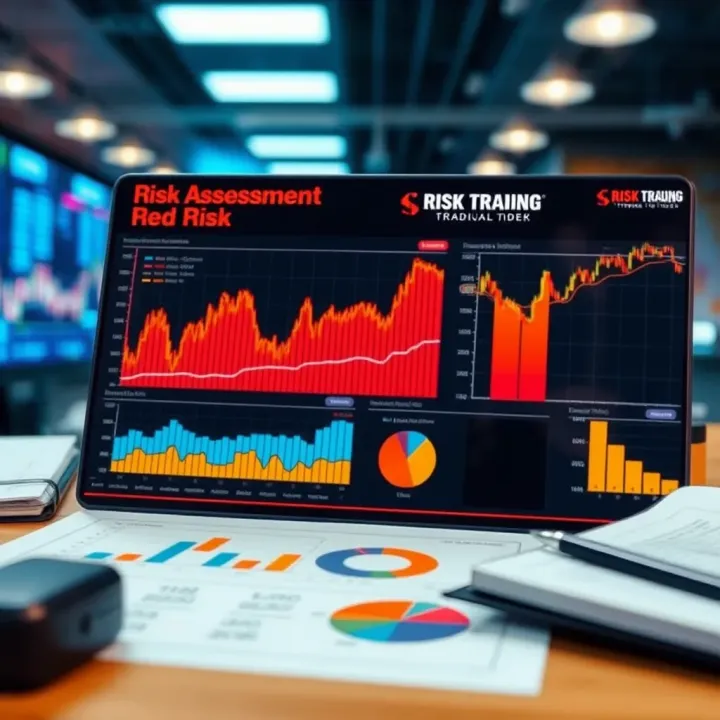
📊 Learn practical risk management techniques to identify, assess & handle threats effectively. Boost decision-making for safer, smarter outcomes.
Based on 8 reviews