
Understanding Forex Trading Signals in South Africa
📈 Discover how forex trading signals can guide your trades with clear advice, pros, cons & tips for South African traders to boost market confidence.
Edited By
Henry Dawson
AI trading apps have become quite a talking point among investors and traders in South Africa. These platforms use automated systems powered by algorithms and data analysis to make trading decisions without needing a human to intervene every step of the way. Instead of spending hours poring over charts or news updates, you can rely on these apps to execute trades based on patterns and signals detected in the market.
Broadly speaking, AI trading involves machines processing huge volumes of market data quickly — far faster than any person could. They spot trends, assess risk, and determine the optimal times to buy or sell assets like shares, forex, or cryptocurrencies. For example, an AI app might detect a sudden spike in a particular stock on the JSE due to unexpected earnings results and act within seconds.
While AI trading apps can boost efficiency and reduce emotional bias, they are not foolproof. Users should be aware of potential downsides such as technical glitches or over-reliance on past data that might miss changing market conditions.
AI trading platforms integrate data feeds from stock exchanges, economic indicators, and sometimes even social media sentiment. They analyse these inputs using machine learning models that improve as they process more data. Some apps let you customise risk tolerance and investment preferences, while others operate on preset strategies.
The automation covers tasks like:
Scanning thousands of securities for opportunities
Managing stop-loss orders to limit potential losses
Rebalancing portfolios based on market shifts
South African investors will find AI trading apps offering access to local markets like the JSE, plus global assets. However, consider factors such as:
Regulatory compliance with the Financial Sector Conduct Authority (FSCA)
Currency fluctuations affecting offshore investments
Data costs and connectivity issues, especially during loadshedding
Given these realities, it’s wise to start with small amounts and test the app’s performance before fully committing.
Understanding the nuts and bolts of AI trading apps prepares you to make informed choices and avoid common pitfalls in South Africa’s investment environment.
Understanding AI trading apps starts with recognising how they reshape traditional investment methods through smart automation. These apps use artificial intelligence to analyse market data, make decisions, and execute trades on your behalf. For South African investors, this means you can access a level of speed and analysis that might be tough to achieve manually, especially given the volatility of our markets and currency.
AI trading apps rely on algorithms designed to imitate human decision-making using computers. Instead of a trader manually picking stocks or forex pairs, the app processes vast streams of data—from historical prices to global news—and acts in real time. Imagine having a full-time analyst scanning news bulletins, social media chatter, and stock movements every second, but for a fraction of the cost.
Traditional trading requires individuals to constantly monitor price charts, economic reports, and sometimes gut feelings—steps prone to human error and emotions like fear or greed. AI trading sidesteps this by sticking strictly to data-driven rules. While traditional traders might hesitate during sudden market swings, AI apps react instantly, spotting patterns too subtle for most humans. That said, AI is only as good as its programming and data, so it's not foolproof.
Machine learning is the heart of AI trading. These models teach computers to improve decisions by learning from past data without explicit programming for every scenario. Over time, the system refines its strategies, much like a trader learning from experience. For example, a machine learning model might notice that a certain combination of currency fluctuations often precedes market dips, triggering a timely sell.
Markets throw up mountains of data daily, from trade volumes to economic indicators. AI trading apps excel at sifting through this noise to recognise meaningful patterns—such as price trends or anomalies—that could impact investment decisions. Think of it like spotting a sudden cluster of unusual trades in the Johannesburg Stock Exchange that hint at insider activity before the market reacts.
Once the AI processes data and detects signals, it makes decisions autonomously—whether to buy, sell, or hold an asset—without human input. This automation ensures rapid response to market events, vital during high volatility, like sudden rand devaluation impacting export stocks. However, it's wise to monitor these decisions yourself to avoid blind reliance.
AI trading apps combine machine learning, data analysis, and automated decisions to offer a level of market responsiveness and insight that manual trading often can’t match, especially in fast-moving markets.
In sum, AI trading apps represent a practical tool designed to boost trading efficiency and help manage complex data. For South African investors, understanding these technologies' capabilities and limits is key to using them effectively and safely.
AI trading apps have transformed how investors approach the market by automating decision-making with data-driven algorithms. These platforms offer notable benefits but also come with risks traders must keep in mind. Knowing both sides helps investors use these tools more effectively, especially in South Africa's sometimes volatile markets.
AI trading apps can process vast amounts of market information within milliseconds, executing trades faster than any human could. For example, an app can spot a price dip in a JSE-listed stock and place a buy order before many traders even react. This speed lets you seize small advantages that might otherwise slip away. Moreover, automating trade execution reduces delays caused by manual input, supporting a more agile investment approach.
One common downfall of human traders is making decisions driven by fear or greed, often leading to poor timing—selling low during panic or holding onto a loss hoping to break even. AI trading apps stick strictly to preset rules and data signals, ignoring emotions altogether. This helps maintain discipline, especially in turbulent market phases, where panic selling among human investors can cause exaggerated market moves.
AI systems analyse a wide array of data sources—price history, economic indicators, news sentiment, even tweets—to identify patterns humans might miss. This broad data access supports more informed predictions. For example, an AI app may pick up on local economic trends in Gauteng or mining sector data impacting commodity stocks, adjusting strategies accordingly. This isn't something an investor could realistically monitor manually.
AI apps rely on software and internet connections. Glitches, server outages, or bugs can disrupt trading unexpectedly. A known incident was when a flash crash impacted algos around the world, causing huge price swings and unintended trade volumes. If an AI app malfunctions, it might keep issuing trades that don’t align with current market conditions, resulting in losses.
Depending solely on AI without human oversight can be risky. Algorithms are built on historical data and assumptions which might fail during unprecedented events or structural breaks in the market. For instance, a sudden Eskom loadshedding schedule disruption could affect company operations significantly, something no algorithm trained on past data may foresee fully.
No matter how advanced, AI can't predict black swan events or sudden geopolitical shifts perfectly. Markets remain influenced by human behaviour, policy changes, and unexpected news. Therefore, even the best AI apps face uncertainty and can't guarantee profits. Investors must be prepared for losses and stay alert rather than blindly trusting an algorithm.
Using AI trading apps sensibly means balancing the speed and data-driven decision power they offer with awareness of technology limits and market unpredictability.
In summary, AI trading apps provide speed, remove emotions from trades, and handle extensive data, but no tool is flawless. Practising caution and combining algorithm insights with your own judgement will give you a better chance of staying ahead in the South African market.
Selecting the right AI trading app is a key step for any investor in South Africa. With numerous options available, choosing a platform tailored to local needs and regulations ensures smoother trading experiences and reduces risks that come from mismatched features or non-compliance. It’s not just about fancy algorithms; practical concerns like security, fees, and integration with local brokers matter deeply when you’re handling real money here.
Security is non-negotiable. These apps handle sensitive personal and financial data, so look for platforms that use strong encryption and multi-factor authentication. For example, Vodacom’s retail banking clients would expect their data safeguarded with similar standards across apps. South African users should also check if the app complies with the Protection of Personal Information Act (POPIA), which governs data privacy here.
A cluttered or complex user interface can lead to costly mistakes, especially when reacting quickly to market movements. Ideally, an AI trading app should provide clear visualisation of trades, signals, and portfolio value without overloading you with jargon. A good test is how easily you can set risk limits or switch between asset classes, even on a smaller smartphone screen during your commute.
South African investors should weigh fees carefully. Some AI trading apps charge flat monthly rates, while others take a cut of profits or charge per trade. For example, a frequent trader on a low-cost platform might save more than someone paying high commission rates elsewhere, but infrequent traders should consider whether a monthly subscription is worthwhile. Transparency in fees avoids nasty surprises come statement time.
South Africa’s financial landscape is tightly regulated by entities like the Financial Sector Conduct Authority (FSCA). Using an app that complies with these regulations helps protect you from scams and unlawful activities. For instance, apps must adhere to the Financial Intelligence Centre Act (FICA) to verify user identity before allowing trades, which helps prevent fraud.
Seamless integration with local brokers matters for fast execution and avoiding forex conversion issues. Many AI platforms partner with well-established brokers such as Standard Bank Online Share Trading or PSG Online. This ensures smoother funding and withdrawals within South African banking systems, avoiding delays common with offshore brokers.
Trading through an AI app often involves currency conversions if investing offshore, so check how the platform handles Rand-to-foreign-currency trades. Local tax rules on capital gains and dividend income still apply, so the app should provide accurate transaction statements to make SARS declarations easier during tax season.
Getting these details right up front saves you headaches and unplanned costs later — a must for wise trading in Mzansi’s unique market.
By focusing on these South Africa-specific features and regulations, you can pick an AI trading app that not only uses smart algorithms but also fits well within the country's financial ecosystem. This practical approach keeps your investments safer and your experience smoother.
Getting started with AI trading apps in South Africa means understanding the nuts and bolts of setting up your account and managing your investments effectively. This is where the theory meets practice. Since these apps automate much of the buy-sell decision process, it's crucial for investors to get the basics right—registration, funding, and ongoing management—to avoid hiccups down the line.
Most AI trading platforms require a straightforward registration process, which usually involves providing your ID, proof of residence, and sometimes financial details. South African apps comply with the Financial Intelligence Centre Act (FICA), so expect to verify your identity thoroughly. While this might feel like a hassle, it protects you from fraud and helps the app meet local legal standards.
Linking your South African bank account or digital wallet to your AI trading app is the next step. This connection lets you move funds easily and safely. Most platforms accept major banks like FNB, Standard Bank, and Capitec. E-wallet options might include services similar to SnapScan or Zapper for deposits. Ensuring the app supports your preferred funding method helps avoid delays when you want to trade or withdraw.
Almost every AI trading app sets deposit limits to comply with regulations and minimise risk. For example, a beginner might start with R1,000 but top traders can sometimes add millions. The key is to check these limits before depositing large sums. Look out for platforms that use SSL encryption and two-factor authentication for extra security. Your money’s safety is non-negotiable, especially when markets react quickly.
Even though AI handles the trading tasks, keeping tabs on your portfolio is essential. Most apps offer dashboards where you can check gains, losses, and trade history. Regular monitoring helps you spot underperforming assets or sudden market swings. For instance, if Eskom announces new load-shedding stages affecting certain sectors, you might want to reassess your holdings.
AI trading apps usually let you adjust risk levels, tailoring trades to your comfort zone. If you’re cautious, you might set the app to low risk, focusing on stable shares or ETFs. More aggressive investors can increase risk settings to chase higher returns. Changing these settings over time based on market conditions or your financial goals is a smart move.
Relying solely on AI can be risky. It's wise to combine AI trading with manual checks to catch anything the algorithm might miss. For example, if local political developments impact the JSE, a manual review lets you tweak your strategy without waiting for the AI to react. Think of AI as a powerful assistant: it works best with you as the controller.
Starting with AI trading apps involves more than just hitting “start” – getting your account right and managing investments actively ensures you get the most from these digital tools without exposing yourself to unnecessary risks.
By understanding these practical steps and strategies, South African investors can engage with AI trading apps confidently and safely, adapting to both local and global market dynamics with ease.
AI trading apps offer convenience and speed, but they come with their own set of challenges that traders in South Africa should be prepared for. Understanding these pitfalls helps you manage risks better and maintain control over your investments.
Handling app outages can be a real headache, especially when markets move fast. Trading platforms sometimes suffer from technical glitches or server downtime, which can leave you unable to execute trades or access your account. For instance, during periods of high market volatility, apps may slow down or crash due to heavy user traffic. If you rely solely on an AI app without access to a backup method, you might miss key opportunities or be caught with a losing position.
It's wise to monitor how frequently your chosen app experiences outages. Some apps notify users in advance about scheduled maintenance, but unexpected failures happen too. Having an alternative way to track your investments, like a mobile brokerage platform or alerts via email or SMS, makes sure you stay updated even when the app is down.
Backup plans for trading interruptions are essential. Besides keeping alternative access points, you might want to set automatic stop-loss orders or alerts that don’t rely on the app's real-time interface. For example, if your AI app goes offline during South African market hours, preset limits can protect your portfolio from sharp downturns. Likewise, maintaining good communication with your broker or financial advisor allows you to quickly adapt when technology fails.
Spotting untrustworthy platforms is critical as the number of AI trading apps grows. Some apps promise unrealistic returns or use flashy marketing to lure users in. A telltale sign is when an app lacks clear company details or demands upfront fees before you can actually trade. In South Africa, it’s not uncommon for scams to operate under the guise of sophisticated AI, playing on trader excitement and fear of missing out.
Always check for transparency and remember this rule of thumb: if it sounds too good to be true, it usually is. Genuine platforms provide detailed information about their strategies and risks.
Verifying licences and user reviews is a practical step to avoid fake apps. Legitimate AI trading apps should be registered with South African financial authorities, such as the Financial Sector Conduct Authority (FSCA). You can look for official licences and check whether the company complies with South African financial laws.
Additionally, reading user reviews on trusted forums or financial communities gives insight into real user experiences. Beware of apps with overwhelmingly positive reviews that seem fake or lack depth. Genuine feedback often includes balanced views about pros and cons, which helps you weigh your options carefully.
When it comes to AI trading apps in South Africa, a little due diligence upfront can save you from costly mistakes later. Stay alert to technical issues and always verify the legitimacy of the platform before trusting it with your money.
📈 Discover how forex trading signals can guide your trades with clear advice, pros, cons & tips for South African traders to boost market confidence.
📊 Discover how Forex Trading View helps South African traders with tools and insights to make smart forex decisions. Essential tips for beginners and pros!
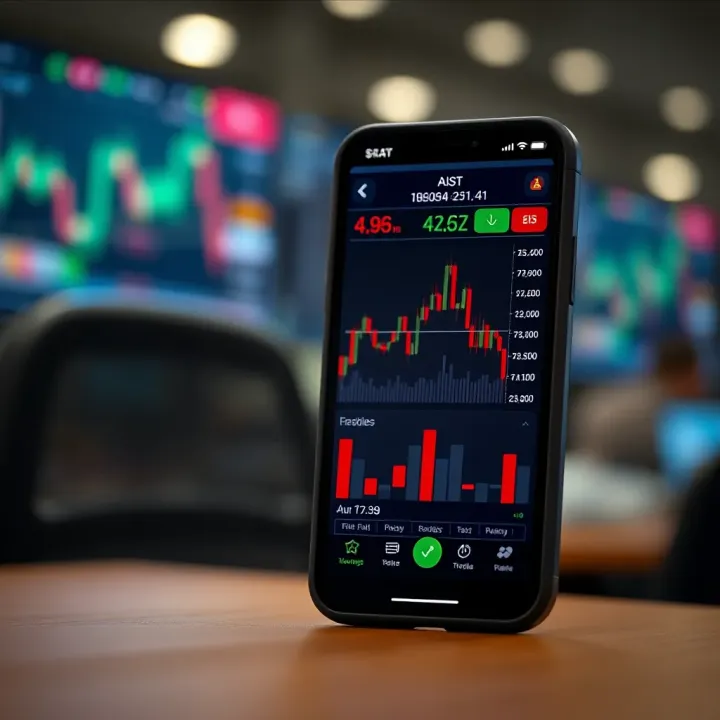
Discover the top trading apps in South Africa 📱, learn key features, understand regulations 🛡️, and find the best fit for your trading style and goals 📈.
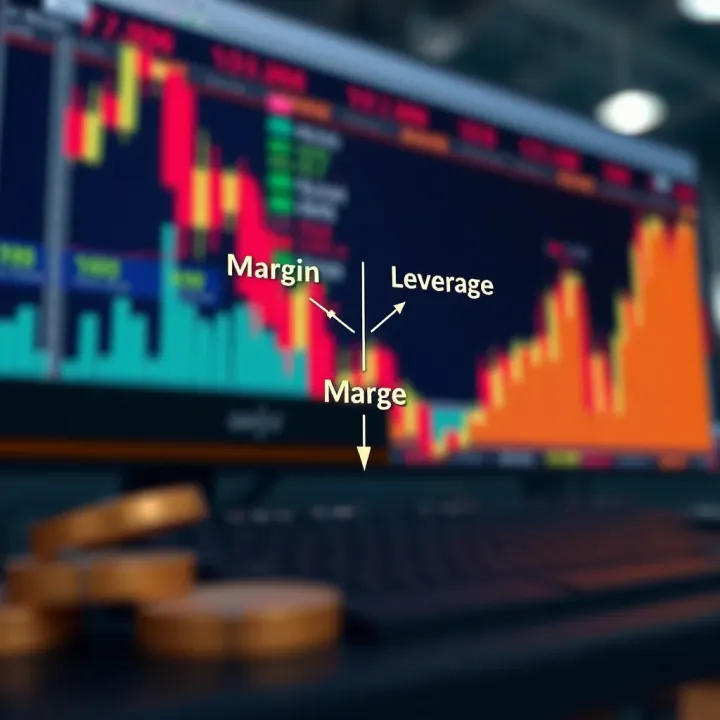
Learn how margin works in forex trading 📊 Explore leverage, margin calls, and smart risk management to trade confidently and avoid costly mistakes!
Based on 7 reviews