

Understanding the Gender Binary and Its Impact
Explore how the gender binary shapes identity, society & policies 👥, with a focus on South Africa and global perspectives 🌍. Challenges and debates included.
Edited By
Harry Mitchell
Binary gender traditionally refers to the classification of people as either male or female based on biological characteristics at birth. This rigid classification system underpins many social structures and policies worldwide, including South Africa. Yet, it overlooks the diverse experiences of individuals whose gender identity doesn't fit neatly into these two categories.
In South Africa, the legacy of binary gender is intertwined with cultural, legal, and economic factors. Many traditional communities recognise distinct gender roles that align with male and female definitions, often tied to rites of passage or societal responsibilities. However, urban centres like Johannesburg and Cape Town increasingly reflect broader global shifts, where recognition of non-binary, transgender, and intersex identities challenges conventional norms.
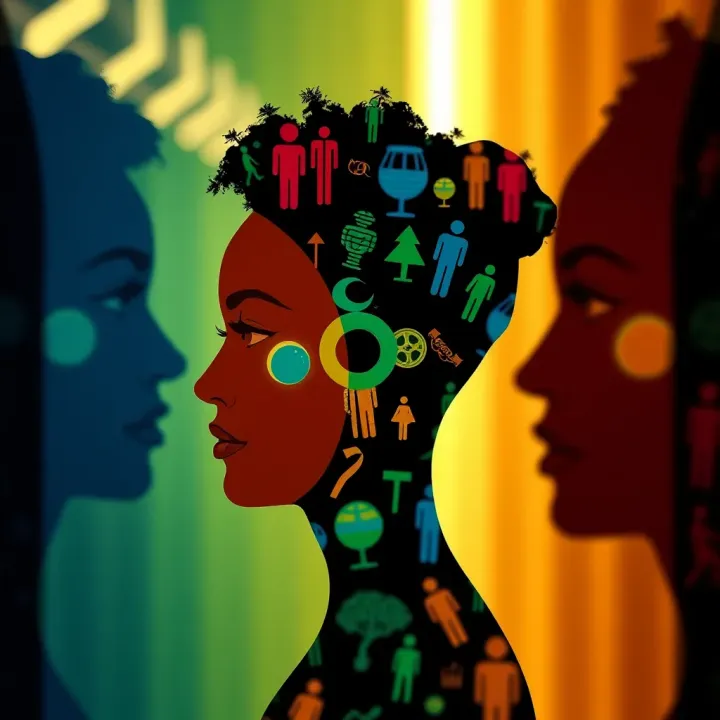
Understanding binary gender matters because it affects rights, access to services, and social inclusion. For example, government forms often require selection of "male" or "female" without room for alternatives, impacting identification documents crucial for employment, healthcare, and education.
The binary framework presents challenges beyond identification. Social policies, workplace norms, and educational programmes often assume a male/female dichotomy, limiting inclusiveness. Traders and investors need awareness of these dynamics, as consumer behaviour, workforce diversity, and brand reputation increasingly hinge on cultural sensitivity and inclusivity.
Legal recognition of gender: South Africa's constitution and court rulings provide groundwork for protecting gender rights, yet gaps remain in full recognition of gender diversity.
Economic implications: Companies adopting inclusive policies can tap into broader markets and talent pools, boosting innovation and engagement.
Social impact: Exclusion from the gender binary can lead to marginalisation, affecting mental health and participation in economic activities.
For financial professionals, grasping these nuances aids in advising clients and organisations about diversity-driven market trends and regulatory environments. It's not merely a social issue but a practical consideration in South Africa's evolving economy and social fabric.
In summary, binary gender remains a central yet contested framework in South African society, influencing everything from individual identity to policy and commerce. Recognising its limitations and the growing acknowledgment of gender diversity equips you to navigate and respond effectively within these contexts.
Understanding the concept of binary gender and its historical origins helps clarify how societies have come to adopt fixed categories of male and female. This foundation is essential for anyone analysing social dynamics, particularly in South Africa, where cultural diversity intersects with evolving perspectives on gender.
Binary gender classifies people strictly as male or female, largely based on physical characteristics at birth. For instance, at birth, an infant is usually assigned male or female status according to biological features like genitalia. This classification influences expectations about behaviour, appearance, and social roles. Knowing this helps explain why many societal structures still operate on this simple male-female division.
While biological aspects such as chromosomes and hormones contribute to defining sex, gender extends beyond biology to social norms and roles. For example, in many South African communities, being 'male' or 'female' carries expectations about responsibilities at home, in the workplace, or community rituals. Recognising this distinction between biological sex and socially constructed gender clarifies why binary gender is not just a biological fact but also a cultural framework.
Binary gender systems have deep roots worldwide, but the strictness and implications vary. Many early European societies codified gender roles rigidly, influencing legal and religious systems that persist today. However, some cultures recognised more fluid or multiple gender categories. This global variability shows that binary gender is not a universal truth but often reflects particular historical and cultural circumstances.
Among South Africa’s indigenous groups, gender systems also developed with unique features. For example, Zulu and Xhosa cultures traditionally assigned roles linked to biological sex but included valued rites and ceremonies distinguishing men’s and women’s societal positions. That said, there has been evidence of acceptance for roles challenging this binary, such as healers or ritual leaders with gender identities that don't fit neatly into male or female categories. Understanding this history reveals the complexity behind gender norms and the potential openings for more inclusive identities today.
The idea of binary gender is not just a modern social debate; it is rooted in centuries of cultural practice, biology, and societal needs. Grasping these origins is key to meaningful discussions about gender diversity in South Africa and beyond.
Binary gender classification is based on physical sex characteristics but reinforced by social expectations.
Biological markers are just one part of gender; social and cultural layers shape lived gender experiences.
Historical context shows that strict two-gender systems are culturally specific, not universal.
Indigenous South African societies have their own gender frameworks, sometimes more flexible than Western binaries.
Understanding these elements helps investors and advisors appreciate the social fabric in which South African markets and communities operate, especially as gender diversity influences consumer behaviour, workplace dynamics and policy development.
Binary gender shapes many of the assumptions and structures in societies worldwide, including South Africa. It defines roles and expectations that influence how people interact within families, workplaces, and communities. Understanding these roles helps traders, investors, and business advisors appreciate how gender norms can affect consumer behaviour, labour markets, and organisational culture.
Traditionally, men are seen as breadwinners, responsible for providing financially, while women are expected to manage the home and care for children. In many South African communities, these roles persist, although they are shifting, especially in urban centres where economic demands require dual incomes. This basic division influences not only family dynamics but also career opportunities and personal aspirations.
These expectations affect career paths, with men often encouraged into fields like engineering, finance, or mining, while women might be steered toward teaching, nursing, or administrative work. For businesses, this creates gendered labour pools, impacting recruitment and talent management. Investors should thus consider how companies address gender roles and whether they offer equal opportunities across sectors.
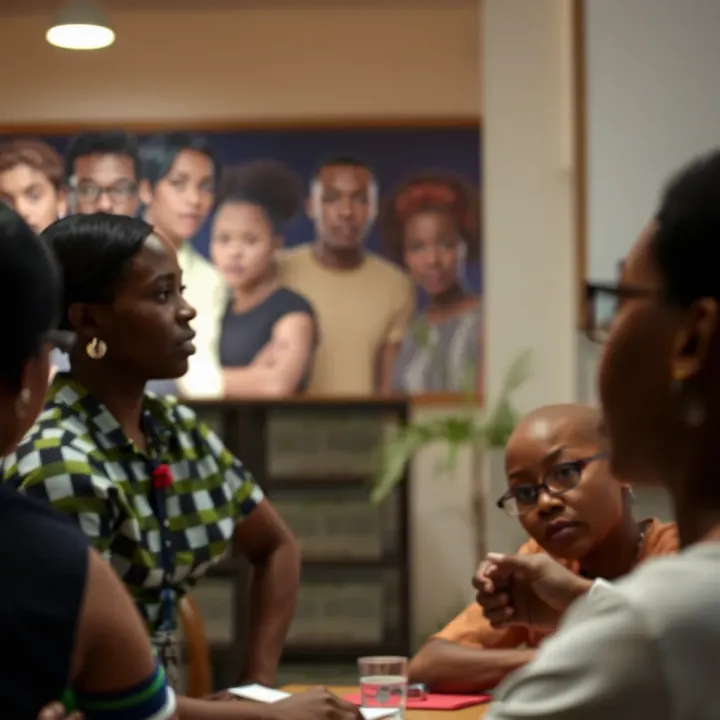
Family structures frequently reflect binary gender roles, where decision-making and financial control might rest largely with men. This affects household spending patterns and financial planning, which investors and financial advisors need to understand when analysing markets. Education systems, too, often maintain gendered expectations, influencing subject choices and future career options.
Workplace cultures also mirror these divides. Men may dominate leadership roles, while women face challenges balancing work and family responsibilities, especially where institutional support is lacking. Acknowledging this is crucial for companies aiming to implement effective diversity policies, as well as for investors assessing organisational sustainability and risk.
South African languages frequently embed gender distinctions in their structure. Pronouns, titles, and forms of address often reflect male or female categories, reinforcing binary gender concepts daily. For example, in isiXhosa and Zulu, different prefixes or verb forms signal gender, subtly shaping social interactions and perceptions.
These linguistic markers influence workplace communication and customer relations in businesses operating within diverse communities. Understanding the nuances can improve inclusiveness and client engagement.
Social practices, from greetings to community roles, reinforce the male/female split. Rituals such as the lobola (bride price) negotiations or traditional initiation ceremonies assign specific roles and expectations based on gender. These customs continue to shape societal views.
In business settings, this can affect leadership styles, networking, and team dynamics. For example, men might dominate certain decision-making spaces, while women’s contributions are undervalued. Recognising these patterns helps organisations design more equitable policies and create workplaces where all genders can thrive.
Binary gender roles are deeply woven into South African social fabric, affecting everything from family finances to language and workplace culture. Awareness of these facets is vital for anyone engaging with South African markets or communities.
Understanding binary gender's role in society offers a practical lens for investors and advisors to evaluate human capital, market trends, and corporate governance with greater sensitivity to gender dynamics.
Questioning the traditional binary view of gender exposes a more complex human experience than simply categorising people as male or female. This approach is relevant for understanding how gender shapes identity, social roles, and rights — especially in societies like South Africa, where diverse cultural backgrounds intersect with modern perspectives. For the investment and financial advisory community, recognising gender beyond the binary can improve client relations, workplace policies, and social responsibility initiatives.
Non-binary refers to identities that don’t fit neatly into ‘male’ or ‘female’ categories. Instead, people might identify somewhere in between, outside, or fluidly across this spectrum. This understanding challenges the binary system by affirming that gender is a spectrum influenced by personal, social, and cultural factors. In real terms, recognising non-binary identities means adapting communication, documentation, and policies to include pronouns beyond he/she and considering diverse gender expressions in workplaces and communities.
South Africa’s rich cultural fabric includes examples of gender diversity that predate colonial influences. For instance, some indigenous cultures historically recognised individuals with unique gender roles outside the male–female divide. Contemporary South African society reflects this diversity through visible LGBTQIA+ communities, which advocate for wider acceptance and legal recognition. In urban centres like Cape Town and Johannesburg, non-binary and gender-diverse individuals engage openly in activism and social life, highlighting practical needs such as gender-neutral bathrooms and inclusive health services.
Despite constitutional protections, non-binary and gender-diverse people in South Africa face hurdles in legal recognition, such as identity documents that only permit ‘M’ or ‘F’. This complicates accessing services that require gender verification and can reinforce discrimination. On the social front, persistent stereotypes about gender roles limit acceptance and create environments where non-binary individuals experience bias in workplaces or education institutions. These challenges affect inclusivity, which is increasingly important for businesses aiming to uphold ethical standards and comply with B-BBEE codes.
Resistance to abandoning binary norms often comes from entrenched cultural beliefs and institutional inertia. Some argue gender is strictly biological, dismissing fluidity as a modern trend. Yet, acceptance is growing, particularly among younger South Africans and progressive organisations, who see inclusivity as beneficial for innovation and morale. Financial firms that foster inclusive environments can tap into broader talent pools and consumer bases. Moreover, education and dialogue remain key tools to reduce resistance by building understanding and empathy around gender diversity.
Recognising gender diversity beyond the binary isn’t just social work — it’s smart business and sound policy, particularly in South Africa’s evolving social landscape.
Updating client and employee records to accommodate diverse gender markers.
Implementing gender-neutral policies in the workplace.
Supporting education initiatives that promote understanding of gender diversity.
These steps help build a fairer, more inclusive society while positioning businesses to respond to contemporary social expectations.
Understanding how binary gender impacts rights and policy matters because it directly affects legal recognition, access to services, and daily experiences. In South Africa, where diversity is woven into the social fabric, the rigidity of binary gender norms sometimes clashes with lived realities, especially for those who identify outside traditional male or female categories. This section outlines key legal and social considerations related to gender, shedding light on how laws and policies either reinforce or challenge binary structures.
South Africa's legal framework offers some protections regarding gender identity, but it primarily reflects binary categories. The Constitution protects against discrimination based on sex and gender, and the Alteration of Sex Description and Sex Status Act 49 of 2003 allows individuals to change their sex markers on official documents. However, the process is largely binary – focusing on changing from male to female or vice versa, with no formal provisions for non-binary or gender-diverse identities.
This limitation means people who do not fit into the male/female boxes often face difficulties in obtaining accurate identification documents, which are crucial for accessing various services and rights. For example, a non-binary person may struggle to change their gender marker to something that truly represents their identity, often having to settle for male or female simply because those are the only legal options.
Legal recognition affects more than just ID documents; it influences how individuals access healthcare, social grants, and other public services. Healthcare providers may not be adequately trained or equipped to serve non-binary or transgender patients sensitively, especially in rural or underserved areas. This results in barriers to receiving appropriate care.
On a practical level, social grant applications or housing allocations can hinge on gender markers. An individual whose gender identity does not align with their legal documentation might face delays or denials. Furthermore, despite anti-discrimination laws, some sectors still show resistance or lack understanding when it comes to gender diversity, leaving many without proper legal protection in everyday situations.
Schools often reinforce binary gender norms through uniforms, sports teams, and gender-segregated facilities. This can be challenging for learners who do not identify strictly as male or female. While some South African schools have started adopting more inclusive policies, these remain far from widespread.
In practice, inclusive education means recognising and respecting diverse gender identities in classrooms, allowing learners to express themselves comfortably. For example, allowing gender-neutral uniforms or providing unisex bathrooms can help create safer, more accepting environments. Such changes reduce the risk of bullying and mental health struggles linked to gender non-conformity.
Workplaces have a growing responsibility to foster equality beyond binary gender distinctions. Progressive companies in South Africa have introduced diversity policies specifically addressing gender identity, pronoun usage, and anti-discrimination measures. Practical steps include offering gender-neutral toilets and sensitisation training.
However, smaller businesses or more traditional sectors may lag behind, perpetuating environments where gender diversity goes unrecognised or is misunderstood. Encouraging workplaces to develop and implement clear policies that protect all gender identities can promote better morale, reduce discrimination claims, and align businesses with South Africa’s constitutional commitment to equality.
The recognition of diverse gender identities within law, education, and work is not just a matter of fairness but also enhances social cohesion and economic participation by ensuring everyone can engage fully and authentically.
Ultimately, the journey towards inclusive rights and policies in South Africa involves updating legal frameworks and workplace practices to move beyond the constraints of binary gender. This shift requires not just laws on paper but active, ongoing engagement with communities, educators, and employers to foster environments where diversity is understood and valued.
Embracing gender diversity is essential for building a more inclusive and understanding society. As South Africa continues to evolve socially and economically, recognising and supporting diverse gender identities beyond the binary model can help reduce discrimination and improve social cohesion. For traders, investors, and financial advisors, embracing gender inclusivity is not just ethical but also practical, as it fosters better workplace environments and broadens potential markets.
Community programmes and schools play a vital role in shaping attitudes towards gender diversity. Initiatives like awareness workshops in townships or rural areas, coupled with inclusive school curricula, challenge outdated gender norms and encourage respect for different identities. For example, some South African universities now offer gender studies modules that address these topics in detail, helping students—and future professionals—to understand gender inclusivity better.
Practical approaches include training educators on gender sensitivity and creating safe spaces where learners can express their identities without fear of prejudice. These efforts not only support individuals but also help build respectful working environments, which are crucial in sectors like finance where teamwork and client relations depend on mutual respect.
Breaking down binary gender norms starts with small, everyday actions. Businesses and organisations can revise forms and HR policies to include options beyond just 'male' and 'female', recognising non-binary and gender-diverse identities. For instance, using inclusive language when addressing clients or staff, like asking for preferred pronouns, fosters respect and signals openness.
Another step involves leadership openly supporting gender diversity through visible policies and programmes. This creates a culture where employees feel valued and understood, which has been shown to improve productivity and employee loyalty. Supporting local gender-diverse initiatives, such as Pride events, also signals a commitment to inclusivity in the broader community.
Media representation shapes public understanding of gender issues. In South Africa, television shows, radio programmes, and online platforms that include gender-diverse characters or stories contribute to normalising these identities. When financial news outlets specifically include gender-diverse voices or report on LGBTQ+ economic empowerment, they reflect and support societal progress.
Such media visibility also alerts companies and investors to the importance of gender inclusivity, encouraging them to adopt policies that reflect South Africa’s social diversity. Representation is a powerful tool for breaking stereotypes and encouraging dialogue among diverse audiences.
Open, informed conversations about gender diversity are crucial. Public forums, panel discussions, and social media campaigns provide platforms where varied experiences are shared, dispelling myths and reducing stigma. In South Africa, community dialogues are often held in multiple languages and local contexts to reach broader audiences effectively.
Encouraging dialogue helps organisations anticipate customer and employee needs, adapting strategies to be more inclusive. For investors and advisors, understanding these social dynamics aids better decision-making around market trends and corporate social responsibility. Dialogue fosters empathy and creates the space for policy and cultural changes, making it easier for gender-diverse individuals to participate fully in economic life.
Embracing gender diversity is more than social progress—it's an economic opportunity that benefits communities, workplaces, and the nation as a whole.
Explore how the gender binary shapes identity, society & policies 👥, with a focus on South Africa and global perspectives 🌍. Challenges and debates included.
Explore gender non-binary identities, cultural views, challenges, & legal aspects in South Africa. Understand beyond the binary with respect & insight 🌍⚖️

🔍 Learn how binary brokers operate, understand risks, fees, and regulations, plus get clear tips to pick a trustworthy platform fit for South African traders.

📈 Learn practical binary trading strategies for South African traders. Manage risks, select smartly, and avoid common pitfalls for better results in binary options trading.
Based on 13 reviews