

Understanding Risk Management Frameworks
📊 Explore practical risk management frameworks to spot, assess, and handle risks effectively. Boost your organisation’s resilience and decision-making skills.
Edited By
Charlotte Gray
Risk management is the process of identifying, assessing, and managing risks that could disrupt a business's operations or derail its goals. In South African contexts, where companies face a unique mix of economic pressures, regulatory demands, and infrastructural challenges like loadshedding, understanding risk management isn't just a tick-box exercise — it's a necessity.
At its core, risk management helps organisations prepare for uncertainty. This means recognising potential threats early enough to reduce their impact or avoid them altogether. For example, a Gauteng-based manufacturing firm might face supply chain risks due to frequent load disruptions or transport delays caused by heavy traffic at key freight robots. Tackling these challenges proactively ensures smoother production and delivery schedules.

Effective risk management gives businesses resilience and confidence. It enables them to adapt quickly when conditions change, protecting both operational continuity and reputation.
Risk management includes several steps:
Identifying Risks: Spotting potential problems such as cyber threats, fluctuating exchange rates, or regulatory changes like new SARS taxation rules.
Assessing Risks: Measuring the likelihood and impact of these risks, prioritising those that could cause the most harm.
Controlling Risks: Deciding on actions to reduce risks — maybe through insurance, diversifying suppliers, or staff training.
Monitoring and Reviewing: Tracking risk controls and adjusting them as situations evolve.
South African companies operate in a complex environment. Market shifts, policy reforms, and social issues all influence business outcomes. Without proper risk management, firms expose themselves to financial losses, legal troubles, or interruptions.
For traders and investors, understanding how companies manage risk clarifies the stability and reliability of their investments. Analysts and financial advisors rely on robust risk assessments to provide sound guidance.
Consider a listed company on the Johannesburg Stock Exchange (JSE) tracking commodity prices. Volatility in commodity markets can affect profitability overnight. Through detailed risk monitoring and hedging strategies, the company can guard against sudden price drops.
Or take a broker dealing in forex. Knowing the implications of South Africa’s rand fluctuations relative to the US dollar or euro shapes trading decisions and risk exposure.
By mastering the basics of risk management, South African business professionals gain an essential tool to navigate challenges confidently and safeguard their interests.
Understanding what risk management entails is essential for anyone involved in trading, investment, or financial advising. At its core, risk management is about spotting potential dangers that could derail your goals, then finding sensible ways to either manage or avoid them altogether. In the South African context, where market fluctuations, regulatory changes, and economic shifts frequently play a role, a clear grasp of risk management helps protect capital and sustain growth.
Risk refers to any uncertainty that could affect an organisation’s, trader’s, or investor’s expected outcomes. This could be market volatility, credit defaults, operational failures, or regulatory changes. For example, a Johannesburg-based company exposed to volatile rand/dollar exchange rates faces currency risk, which may impact its profits if not actively managed.
Risk management involves a systematic process: first identifying risks, then analysing their potential impact and likelihood before deciding on controls or mitigation strategies. Consider a stockbroker who recognises that rapid market swings could result in client losses. They might set stop-loss orders or diversify their portfolio to limit exposure. This process supports informed decision-making, ensuring risks are not left to chance but addressed proactively.
One main aim of risk management is minimising losses that might result from unforeseen events. For instance, a small business in Cape Town might face supply chain disruptions due to loadshedding. By planning alternate suppliers or holding safety stock, the business reduces the chance of costly downtime. This kind of foresight translates directly to protecting the bottom line.
Besides loss reduction, managing risk also strengthens resilience—enabling businesses and investors to absorb shocks and keep going. When financial advisors assess client risk profiles carefully, they can recommend investments better suited to withstand economic swings. This tailored approach means investors can stay on track even during uncertain times. Plus, transparent risk management increases trust with stakeholders and regulatory bodies, aiding compliance and governance.
Effective risk management isn’t about avoiding all risks but managing them in a way that supports sustainable success, especially amid South Africa’s unique economic and regulatory environment.
In summary, understanding the meaning and purpose of risk management gives financial professionals the tools to protect assets, make smarter decisions, and build lasting resilience in their portfolios and businesses.
Understanding the types of risks an organisation might face is key to creating effective strategies to deal with them. Different risks require different responses, so knowing whether a problem is operational, financial, strategic, or regulatory helps businesses plan properly and avoid unnecessary losses.
Operational risks are tied to the everyday running of a business. They include things like equipment breakdowns, staff errors, or disruptions in the supply chain. For instance, a delivery company in Johannesburg might face delays caused by traffic robots malfunctioning or road closures. These kinds of risks directly affect the smooth functioning and reputation of a company.

Managing these vulnerabilities involves identifying weak points and processes that could fail. Simple controls such as regular maintenance of machinery, thorough staff training, or having backup suppliers can make a big difference. In South Africa, where loadshedding disrupts power supply, having generators or solar panels is another practical way companies aim to stay operational despite the challenges.
Financial risks often come from uncertainties in markets and credit situations. Currency fluctuations, especially the rand’s volatility against major currencies like the dollar or euro, can impact businesses that rely on imports or exports. For example, a manufacturer buying components overseas will end up paying more if the rand weakens, squeezing profit margins.
Credit risk is another aspect — it involves the possibility that a customer or debtor might fail to settle their accounts. This is common in many South African sectors, such as retail or construction, where payment delays can disrupt cash flow and affect ability to pay suppliers.
South African companies must closely monitor exchange rates and credit exposure, often hedging their foreign currency transactions or thoroughly vetting new customers to minimise these risks. It’s a balancing act that protects the bottom line without blocking growth opportunities.
Organisations in South Africa face a shifting landscape of markets and laws. Strategic risks arise when companies fail to adapt, such as ignoring growing consumer trends or emerging technologies. For instance, a retail chain not offering online shopping options might lose customers to digital-savvy competitors.
Compliance risks come from not meeting legal or regulatory requirements. South Africa’s regulatory environment, with laws like the Protection of Personal Information Act (POPIA) or B-BBEE codes, demands businesses keep up to standard. Failure to comply can lead to hefty fines and reputational damage.
Staying informed about market developments and regulatory changes is not just prudent — it’s essential for survival and growth.
Companies often reinforce this by appointing compliance officers, regularly reviewing policies, and training staff to understand relevant laws. A proactive approach makes sure they’re not caught off guard by new regulations or market shifts.
In sum, recognising the variety of risks lets organisations prepare specifically for challenges, lowering the chance of nasty surprises and improving resilience in unpredictable environments.
Understanding the core components of risk management helps organisations tackle threats systematically rather than reactively. This section breaks down the main elements: identifying risks early, assessing their significance, designing controls to manage them, and continuously monitoring outcomes. Each step strengthens a firm’s resilience, especially in South Africa’s fast-changing business environment.
Risk identification relies on tools like SWOT analysis, checklists, and scenario planning. For instance, a local retailer might use SWOT to uncover vulnerabilities such as supply chain delays or cash flow issues. Digital tools like risk registers also help collate and track risks in a structured manner. Identifying risks early provides a clearer picture and avoids nasty surprises down the line.
Involving staff across various departments ensures a fuller risk perspective. For example, operations may flag production bottlenecks while finance spots credit risks. Team workshops promote diverse views and encourage ownership of the risk process. This collaborative approach improves accuracy and buy-in for subsequent steps.
Once risks are spotted, it’s necessary to judge how likely they are and the potential damage. For trades, currency fluctuations may be frequent but less severe, while data breaches are rarer but costly. Evaluating both aspects helps focus time and resources on what matters most.
A risk matrix is a grid plotting likelihood against impact, making prioritisation visual and easier to communicate. In practice, a financial advisor might use a matrix to decide which client risks to address first, balancing probability with potential losses. This method streamlines decision-making.
Controls fall into four main types: avoiding the risk altogether, reducing its chance or impact, transferring it (like buying insurance), or accepting it when cost outweighs benefits. For example, a small business might avoid contractual risks by reviewing agreements carefully or transfer payroll risks to a specialist service provider.
Implementing firewalls reduces cyber risk, while regular staff training lowers operational errors. Another control could be diversifying suppliers to reduce reliance on a single source, mitigating supply chain issues common in South Africa due to logistical disruptions.
Risk management is not a once-off task. Continuous review lets firms react to new threats or changes in existing ones. For instance, during Eskom load shedding, companies monitoring electricity risks can adjust production schedules or activate backup systems.
Clear reporting keeps everyone informed, from management to frontline teams. Regular updates empower swift action and maintain transparency, which is critical for compliance and trust. Effective communication turns risk data into practical steps rather than just paperwork.
Properly managing risks involves clear identification, sensible prioritisation, and ongoing oversight. It’s about staying proactive, not just reactive.
This structured approach arms traders, investors, and financial advisors with the tools to make better-informed decisions and safeguard their ventures from avoidable pitfalls.
Risk management frameworks and standards provide a structured approach to identifying, assessing, and managing risks in organisations. They help ensure consistency, best practice, and regulatory compliance, which is especially important in complex and highly regulated business environments like South Africa’s. By adopting an established framework, companies can streamline their risk processes and improve communication across all levels of the business.
The practical benefits of following such frameworks include clear roles and responsibilities, easier integration into corporate governance, and a systematic way to measure risk exposure. For example, during Eskom loadshedding periods, firms that follow formal risk frameworks can quickly assess operational risks and adjust controls to reduce downtime and costs. This proactive stance not only reduces financial impact but also boosts stakeholder confidence.
The International Organization for Standardization’s ISO 31000 is among the most widely recognised risk management standards globally. It provides principles and guidelines rather than strict rules, allowing organisations to tailor the framework to their specific needs. The framework highlights five key steps: establish context, risk identification, risk analysis, risk evaluation, and risk treatment.
ISO 31000’s practical value lies in its flexibility and simplicity. For instance, a Johannesburg-based manufacturer can use ISO 31000 to develop a risk management process that addresses supplier disruptions, market risks, and compliance demands without being bogged down by rigid procedures. The emphasis on continual improvement and learning after each risk event ensures the system stays relevant.
Developed originally for financial reporting, the COSO (Committee of Sponsoring Organizations of the Treadway Commission) Enterprise Risk Management framework now serves broader governance and risk functions. COSO focuses on integrating risk management into strategy-setting and performance objectives, emphasising that risk should enhance value rather than just avoid losses.
It breaks down risk activities into components such as governance and culture, strategy and objective-setting, performance, review and revision, and information and communication. Financial firms listed on the JSE or banks regulated by the FSCA often adopt COSO to align with stringent internal controls and reporting requirements. COSO assists in connecting risk appetite with risk management efforts in a measurable way.
South African businesses must consider the Protection of Personal Information Act (POPIA) when managing data-related risks. Any risk framework applied locally should integrate POPIA compliance to protect customer and employee information. For example, a retailer using customer data for loyalty programmes must assess risks around data breaches and ensure controls comply with POPIA’s conditions for lawful processing.
Incorporating POPIA within a global framework like ISO 31000 means risk managers set specific controls around data handling, access, and cyber resilience that meet local legal standards without reinventing their entire process.
Risk management frameworks also intersect with South Africa’s B-BBEE (Broad-Based Black Economic Empowerment) requirements and King IV governance principles. These require firms to manage social and ethical risks alongside financial and operational ones.
For instance, a company aiming to improve its B-BBEE score must identify and manage risks related to supplier diversity, workplace equity, and community investment. King IV underscores transparent reporting on risks and opportunities, pushing organisations to adopt frameworks that support accountability. Embedding these considerations within frameworks like COSO or ISO 31000 helps businesses meet local expectations and demonstrate good governance during audits or engagement with investors.
Strong risk management frameworks are more than paperwork—they're strategic tools that help South African organisations navigate a unique blend of regulatory demands and market challenges.
Understanding and applying these frameworks effectively will empower traders, investors, and financial advisors to better gauge risk exposure and resilience in South African businesses.
Risk management plays a vital part in South African business, shaping how companies navigate economic uncertainty, regulatory demands, and operational challenges. From small startups in townships to established JSE-listed firms, managing risk helps protect assets and builds resilience. With frequent load shedding, rapidly changing markets, and strict compliance requirements, risk management is not just a luxury but a necessity.
SMEs in South Africa often operate with tight budgets and limited resources, making them especially vulnerable to risks like supply chain disruptions, theft, and cash flow problems. For instance, a local retailer in Gauteng might lose customers during a robot failure or loadshedding stage 4, directly affecting daily revenue. This fragility highlights how vital early risk identification is in protecting these businesses.
But SMEs don't necessarily need costly consultants or complex frameworks to manage risks. Affordable measures like simple cash flow forecasting, regular stock audits, or basic staff training on safety can go a long way. Even tools like WhatsApp groups for quick communication during emergencies or tracking stock deliveries via mobile apps provide practical risk controls without breaking the bank.
The King IV Report sets the tone for strong corporate governance suited to South African realities, emphasising an ethical culture and integrated risk management in leadership. It expects boards and executives to proactively oversee risks, ensuring business sustainability and stakeholder trust. This is especially clear in sectors like financial services, where non-compliance with FICA (Financial Intelligence Centre Act) rules can mean hefty fines and reputation damage.
Transparency and accountability emerge as cornerstones of effective governance. A company reporting regularly on its risk profile to shareholders and employees not only limits surprises but builds confidence. Take a mining firm that shares its environmental and safety risk updates at AGMs; such openness fosters trust with the community and regulators alike. Thus, risk management contributes directly to sound decision-making and protects long-term shareholder value.
Strong risk management integrated with governance frameworks helps South African businesses withstand shocks, comply with diverse regulations, and seize opportunities responsibly.
By understanding these roles and adopting practical, tailored approaches, businesses of all sizes can better steer through South Africa’s unique business environment, balancing growth and caution prudently.
📊 Explore practical risk management frameworks to spot, assess, and handle risks effectively. Boost your organisation’s resilience and decision-making skills.
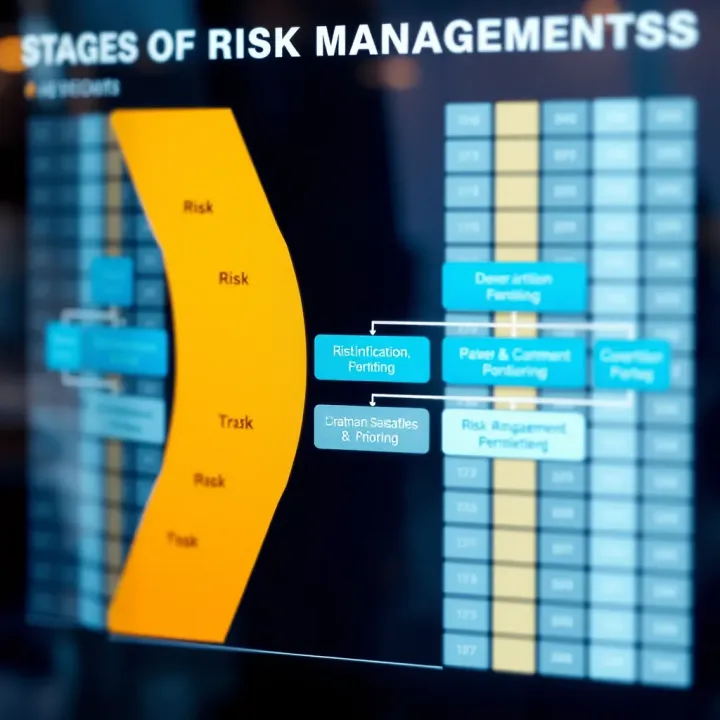
📊 Understand the risk management process—from identifying and assessing risks to controlling and monitoring them. Learn best practices and how to improve continuously.
📊 Learn practical risk management techniques to identify, assess & handle threats effectively. Boost decision-making for safer, smarter outcomes.

Learn how risk management helps South African businesses identify, assess, and control risks to protect assets and support growth 📊🔒🌍
Based on 10 reviews