
Understanding Risk Management: A Practical Guide
📊 Learn practical risk management techniques to identify, assess & handle threats effectively. Boost decision-making for safer, smarter outcomes.
Edited By
Emily Lawson
The Advanced Diploma in Risk Management is a specialised qualification aimed at building solid expertise in identifying, analysing, and managing risks within various industries. In the South African context, where economic shifts, regulatory moves, and operational challenges such as loadshedding frequently impact businesses, understanding risk management has become essential.
This diploma covers a broad curriculum, balancing theory with practical skills. Learners develop knowledge in areas like financial risk, operational risk, compliance, and strategic risk, equipping them to anticipate and mitigate threats before they escalate. Many find this diploma valuable for careers in finance, insurance, corporate strategy, or consultancy.

Risk is an inevitable part of business, but managing it effectively can mean the difference between profit and loss, survival and closure.
The programme typically requires applicants to have some prior experience or qualification in business, finance, or related fields. It suits professionals keen to deepen their understanding of risk frameworks like King IV, or local regulations that affect sectors such as banking, mining, or retail.
Studying this diploma often involves a mix of coursework and case studies relevant to South African markets, helping students apply concepts directly to familiar conditions. For example, a case study might focus on how an Eskom loadshedding schedule affects supply chain risks in a manufacturing company.
Graduates of this diploma can pursue roles such as risk analysts, compliance officers, or operational risk managers. Besides enhancing job prospects, the diploma also supports those advising clients on investments, lending, or insurance by sharpening their risk assessment capabilities.
In short, the Advanced Diploma in Risk Management offers a practical, focused education for anyone aiming to manage risks in a way that aligns with South African business realities and regulatory demands.
The Advanced Diploma in Risk Management offers a practical pathway for professionals keen on mastering risk identification, analysis, and mitigation strategies. It’s designed to equip learners with the knowledge to make informed decisions under uncertainty—a skill that’s highly valued across sectors like finance, mining, insurance, and public administration in South Africa.
This qualification isn’t just academic; it focuses on real-world application. For example, a risk analyst in a Johannesburg-based mining company who completed this diploma might better predict and manage potential operational hazards, helping reduce costly disruptions. The course also aligns with South African regulatory standards, ensuring graduates understand compliance requirements such as those under POPIA (Protection of Personal Information Act) and the National Credit Act.
The diploma builds practical competencies in assessing various types of risks—financial, operational, strategic, and reputational. Learners develop skills in conducting thorough risk assessments, preparing risk registers, and applying control measures effectively. This prepares them to contribute towards a safer, more resilient business environment.
These competencies directly impact the workplace by enabling professionals to anticipate challenges before they escalate. For instance, a risk manager at a financial services firm will use these skills to minimise exposure to market fluctuations and maintain regulatory compliance.
Risk management knowledge from this qualification applies broadly. While finance and insurance sectors are obvious targets, other fields such as manufacturing, healthcare, construction, and public services also benefit greatly.
Consider a public sector official responsible for urban development projects: their awareness of risk helps address issues like budget overruns and environmental concerns, increasing community trust and project success.
The diploma typically features core modules covering risk theory, enterprise risk management, legal frameworks, and ethics. Learners can select electives that focus on specific sectors or skills, such as financial risk management or health and safety.
This modular setup allows students to tailor their studies according to career goals. For example, someone aiming to work in the mining sector might choose electives centred on environmental and safety risk management.

Most institutions offer the diploma over 12 to 18 months, accommodating both full-time and part-time students. Delivery modes range from face-to-face classes to online learning, providing flexibility for working professionals.
A trader or financial analyst studying part-time could opt for evening or weekend classes, or fully online courses. This flexibility is crucial, especially considering the demands of South African workplaces and the challenges of commuting in metros like Gauteng.
The Advanced Diploma in Risk Management strikes a balance between theoretical knowledge and practical skills, preparing graduates to confidently handle risk in diverse industries across South Africa.
Admission criteria set the foundation for who can enrol in the Advanced Diploma in Risk Management. These requirements ensure candidates possess the basic knowledge and skills necessary to succeed in such a specialised field. For traders, investors, and financial advisors, meeting these criteria helps to confirm they have a suitable background for the complex risk scenarios the course addresses.
Prior diplomas or degrees form the traditional route into this diploma. Typically, applicants are expected to hold a relevant national diploma or degree, such as in finance, economics, or business management. For instance, someone with a National Diploma in Financial Markets or a BCom degree in Risk Management would usually meet the entry threshold. This academic foundation helps candidates understand the technical concepts, from risk assessment to mitigation, covered in the programme.
Recognition of Prior Learning (RPL) allows experienced professionals without formal qualifications to access the course by proving their knowledge through alternate means. A seasoned financial analyst or a risk officer, who may not have completed tertiary studies but has several years of pertinent experience and skills, can apply for RPL. This path values practical expertise and can fast-track admission for those who demonstrate competency through portfolios, interviews, or assessments. It’s a valuable option for industry veterans who want to formalise their skills without starting from scratch.
Relevant work experience is often equally important as academic credentials. Some institutions require applicants to have at least two to three years of risk-related experience before enrolling, ensuring they grasp real-world challenges alongside theoretical learning. For example, a risk analyst working in the Johannesburg financial sector managing credit or market risk would benefit from this blend of experience and study. This work exposure sharpens understanding and makes the qualification immediately applicable.
Industry-specific prerequisites sometimes come into play depending on the provider or course focus. A mining company’s risk manager might need to demonstrate familiarity with safety and environmental standards unique to that sector before admission. These prerequisites help tailor the learning experience to industry demands and ensure practitioners understand the regulatory and operational frameworks they’ll face. For financial advisors or brokers, this could mean demonstrating knowledge of compliance standards under South African law and familiarity with POPIA (Protection of Personal Information Act) obligations.
Meeting the right mix of academic and professional requirements not only qualifies you for admission but sets you up to get the most from the Advanced Diploma in Risk Management, enhancing your capability to tackle diverse risk environments effectively.
By paying close attention to both qualification and experience criteria, you position yourself well to navigate the risks in your field with greater confidence and expertise.
The curriculum of the Advanced Diploma in Risk Management forms the backbone of the qualification, equipping you with essential knowledge and practical skills tailored to South African business and regulatory realities. Its content is designed to focus on risk management principles that directly apply in industries like finance, mining, manufacturing, and public administration. The course material is practical, providing tools and frameworks that you can apply on the job from day one.
Risk identification and assessment involves recognising potential threats that could disrupt business operations, finances, or reputation. For instance, a financial advisor might analyse market fluctuations and client investment profiles to spot vulnerabilities. This process is crucial because it helps prioritise which risks need immediate attention and resources. Without accurate identification, businesses either overlook critical issues or waste effort on unlikely threats.
Once risks are identified, risk mitigation strategies come into play. These are measures designed to reduce the likelihood or impact of identified risks. Examples include diversifying investment portfolios, implementing stricter controls on credit approvals, or purchasing insurance. The diploma teaches how to balance costs against risk reduction so that resources aren’t wasted. Mitigation isn’t just about avoiding risk; sometimes it’s about managing it smartly to achieve business goals.
Understanding local compliance requirements is vital when managing risk, especially in highly regulated sectors like finance and mining. South African law demands adherence to standards that protect stakeholders and promote fair practice. The curriculum addresses how laws such as the Companies Act and sector-specific regulations shape risk management practices. Being aware of these requirements helps prevent costly penalties and legal challenges.
The Protection of Personal Information Act (POPIA) is one such regulation with growing importance. It mandates how businesses handle personal data, aiming to prevent misuse or breaches. Risk managers must understand POPIA to ensure their organisations comply, protecting both customer information and the company’s reputation. Ignoring this legal framework can lead to substantial fines and a loss of client trust.
Risk reporting and communication skills taught in the programme ensure that you can relay risk information clearly to decision-makers. For example, presenting a risk analysis report to a company’s board requires summarising complex data into understandable insights. Effective communication avoids misunderstandings and helps secure buy-in for risk management initiatives.
The diploma also covers the practical use of risk management software, such as ISO 31000 compliant tools, which help track, analyse, and monitor risks over time. In a South African context, where industries face unique challenges like loadshedding or fluctuating exchange rates, these tools assist managers in keeping risks visible and manageable. Being proficient with this software makes a big difference in responding swiftly to emerging risks.
Mastering these curriculum areas prepares you to confidently navigate risks in diverse sectors, ensuring your actions protect assets and foster sustainable business growth.
Understanding career prospects helps you gauge how the Advanced Diploma in Risk Management fits your professional goals. This qualification opens doors to roles where you manage and reduce risk across various industries, which is valuable as South African businesses face economic uncertainty, regulatory changes, and environmental challenges. The practical skills gained also enhance your ability to advise organisations on risk decisions, making you a sought-after professional.
Many graduates step into roles such as risk analysts, risk officers, or risk consultants. A risk analyst typically handles the identification and assessment of potential threats to an organisation’s operations, while a risk officer implements strategies to mitigate those risks. Consultants, on the other hand, often work on a project basis to help companies improve their risk frameworks. For instance, in a mining operation, a risk officer might focus on ensuring worker safety and environmental compliance, using knowledge from the diploma to craft practical risk reduction plans.
The diploma’s versatility means it's applicable across finance, mining, manufacturing, and the public sector—each facing distinct risk landscapes. Banks and investment firms use risk management to safeguard assets and comply with South African Reserve Bank regulations. Mining companies manage physical and environmental risks intensively, while manufacturing firms concentrate on supply chain and production risks. In the public sector, risk managers work to improve service delivery and comply with governance frameworks like the Public Finance Management Act.
Entry-level salaries for those with this diploma typically fall between R180,000 and R300,000 per annum, depending on industry and location. For example, junior risk officers in Johannesburg’s financial district may earn more than those starting in smaller provincial municipalities. The qualification boosts your chances to secure positions offering better remuneration compared to general administrative roles.
Career advancement often leads to senior risk management positions such as Risk Manager, Head of Risk, or Chief Risk Officer (CRO). In these roles, you move from managing specific risks to overseeing entire risk frameworks and influencing strategic decisions. With experience and proven competence, salaries can climb to between R600,000 and R1 million annually. Senior managers often engage with boards and executive committees, bringing risk insights that shape company policies and growth strategies.
The Advanced Diploma prepares you not only to enter the risk management field but also to progress steadily into senior leadership, reflecting its value to South African workplaces navigating complex challenges.
Selecting the right institution for your Advanced Diploma in Risk Management is not just about convenience or cost—it's about ensuring the qualification holds value in the South African job market. This decision affects the credibility of your diploma, your access to quality resources, and even your career prospects down the line. For instance, enrolling with an institution accredited by recognised South African bodies means employers and industry players take your qualification seriously.
Recognised South African education bodies play a pivotal role in maintaining high standards in risk management education. Bodies such as the Council on Higher Education (CHE) and the South African Qualifications Authority (SAQA) vet institutions to ensure their programmes meet national criteria. Choosing a diploma offered by an institution with accreditation from these entities guarantees that the curriculum stays relevant and rigorous. It also assures you that assessment and evaluation methods are standardised – key considerations when your qualification needs to stand out against locally and internationally trained peers.
The importance of SAQA registration cannot be overstated. SAQA registration means the Advanced Diploma is officially recorded on the National Qualifications Framework (NQF), making it easier for employers to verify your credential. This registration also means your diploma aligns with South Africa’s educational quality benchmarks, easing access to further studies or professional recognition. Without SAQA registration, your qualification risks being viewed as informal or unrecognised, potentially limiting your career trajectory.
For working professionals, flexibility influences the choice of learning mode significantly. Part-time and online courses allow you to study without having to leave your job, offering a balance between earning and learning. For example, many financial advisors juggling client appointments find evening or weekend classes more manageable. Online learning can also provide access to top institutions outside your region, opening doors beyond local limitations.
When weighing pros and cons of different learning modes, full-time study offers immersion and quicker completion but demands full availability, which not all can afford. Part-time studies extend the timeline but permit steady income and work experience. Online programmes offer flexibility and accessibility but require self-discipline and reliable internet—something to consider given South Africa’s variable connectivity. Face-to-face interactions in campus settings can build stronger networks, yet these might not be feasible for those in remote areas or with family commitments.
Choosing the right institution is more than ticking boxes; it’s about picking a programme that suits your career goals, lifestyle, and ensures your investment is truly worthwhile.
Ultimately, do your homework on the institution’s reputation and delivery style. Your decision impacts how effectively you can develop risk management skills that employers across finance, mining, and manufacturing sectors will value.
📊 Learn practical risk management techniques to identify, assess & handle threats effectively. Boost decision-making for safer, smarter outcomes.

📊 Explore practical risk management frameworks to spot, assess, and handle risks effectively. Boost your organisation’s resilience and decision-making skills.
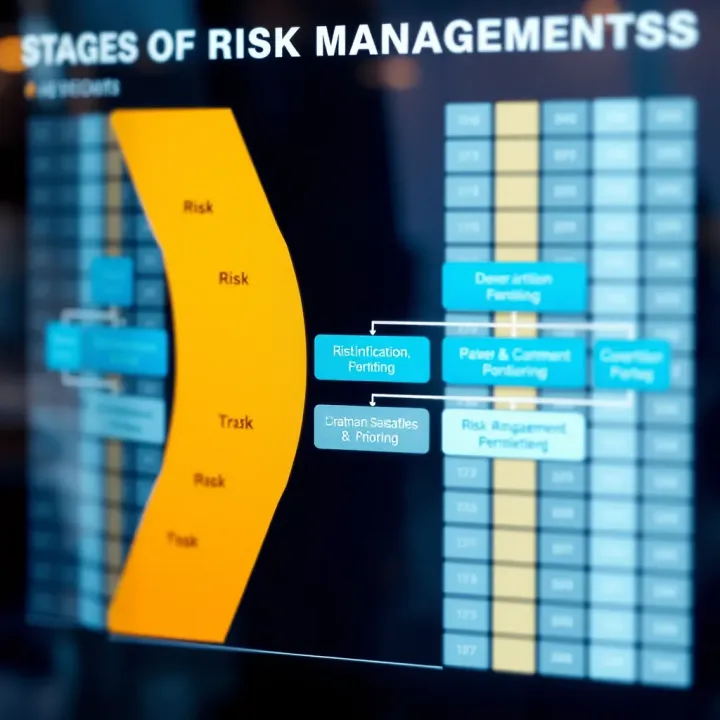
📊 Understand the risk management process—from identifying and assessing risks to controlling and monitoring them. Learn best practices and how to improve continuously.
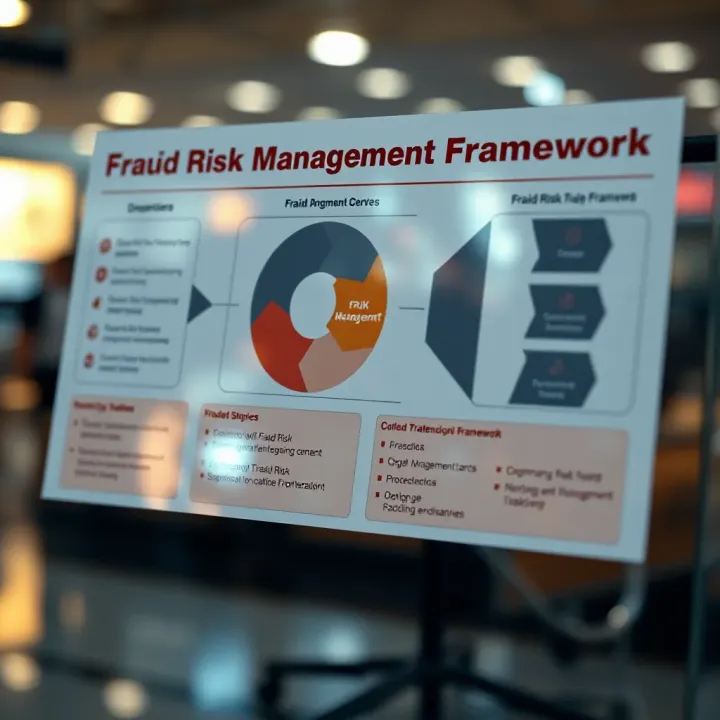
🔍 Explore effective strategies to detect, prevent, and manage fraud risks in South African businesses. Learn about tools, frameworks, and regulations for strong protection.
Based on 10 reviews