
Effective Forex Trading Strategies & Free PDF Guides
Explore proven forex trading strategies and learn where to download free PDF guides 📈. Practical tips for South African traders on risk and reliable resources.
Edited By
Sophia Bennett
Forex trading is both exciting and complex, especially if you're new to financial markets. For South African traders, understanding currency pairs, global economic signals, and risk management is key. Fortunately, you don’t have to fork out big bucks to get started. Free PDF resources offer a smart, accessible way to learn the ropes without the pressure of paying for costly courses.
These PDFs, often provided by established brokers, trading educators, and financial institutions, cover everything from the nuts and bolts of forex to advanced strategies. They break down jargon and steps in ways that make sense — ideal for learners who want to pace themselves and revisit material whenever they want.
Why lean on free PDFs? Apart from saving money, these resources give you flexibility. You can download them on your mobile or laptop, study offline during loadshedding, and refer back while practising with demo accounts. However, not all free materials are made equal. It's vital to choose PDFs that:
Come from reliable, well-known sources
Cover key topics like how the forex market operates, currency pairs, charts, and technical indicators
Explain risk management methods clearly
Are periodically updated to reflect current market conditions
Free doesn’t mean no value — many of these guides are packed with solid, practical advice tailored to beginners and intermediate traders alike.
As a South African looking at forex, focus on guides that also touch on local nuances — like how Rand volatility affects trades or the impact of global events on emerging markets. The goal is to build a foundation smartly, so you can grow more confident and trade safely.
In this section and those to follow, you’ll get tips on picking the best PDFs, mastering essential concepts, and using practice accounts effectively. Take your time, and remember: successful forex trading starts with strong learning, not shortcuts.
Getting a good grasp of the basics is fundamental before you put money into forex trading. This foundation helps you navigate the volatile currency markets more confidently and make informed decisions instead of betting blindly. For example, knowing how currency pairs move or what influences exchange rates can prevent costly mistakes.
Forex trading, also known as foreign exchange trading, involves buying one currency while simultaneously selling another. Traders try to profit from fluctuations in exchange rates. Picture buying euros with rands because you think the euro will strengthen against the rand, then selling euros later for more rands. It’s the biggest financial market globally, with trillions traded daily, accessible 24/5 thanks to worldwide banking hours.
Currency markets operate through a global network of banks, brokers, and traders, exchanging currencies based on supply and demand. Exchange rates reflect how much one currency is worth against another. Events like South African Reserve Bank (SARB) interest rate decisions or geopolitical news can sway rates quickly. Markets open Sunday evening SAST and close Friday evening, so traders need to consider these timeframes.
A pip is the smallest price movement in a currency pair, usually the fourth decimal place. For example, if EUR/ZAR moves from 19.5000 to 19.5001, that’s one pip. Understanding pips is essential because profit and loss are calculated in pips. If you made 50 pips in a trade, you’d want to convert that into real money depending on your lot size and leverage.
Lot size refers to the amount of currency units you trade. A standard lot is 100,000 units, but many brokers allow mini (10,000), micro (1,000), and nano lots. Smaller lots help beginners manage risk better. Taking a position of one mini lot in EUR/ZAR means you control 10,000 euros. This affects how much each pip movement changes your profit or loss.
Leverage allows you to control a larger trade with a small deposit, known as margin. For instance, 1:100 leverage means R1,000 margin can control R100,000 worth of currency. While leverage can increase profits, it also magnifies losses, sometimes wiping your account if used recklessly. South African traders must check brokers’ regulation to understand allowed leverage limits.
The bid price is what buyers are willing to pay, and the ask is what sellers want. The difference, called the spread, is where brokers often earn. For example, if the USD/ZAR bid is 18.7000 and the ask is 18.7050, the spread is 50 pips. Knowing the spread helps traders calculate costs and decide if trading a pair makes sense given the potential profit.
Knowing and understanding these basics is vital for anyone looking to enter forex trading. It’s the difference between shooting in the dark and trading strategically, especially in South Africa’s unique economic environment.
Free PDF courses on forex trading offer practical, easy-to-access material for aspiring traders. In South Africa, where data costs can add up and internet access varies widely, PDFs stand out for their simplicity and flexibility. They allow learners to absorb knowledge at their own pace without needing continuous online connectivity, which is especially useful during times of loadshedding when internet access might be patchy.
PDFs can be downloaded onto any device—be it a laptop, tablet, or mobile—and studied anytime, anywhere. This suits South Africans who juggle work, family, and studies, making it easier to squeeze learning into busy schedules. For instance, you could study on your commute or during lunch breaks without worrying about data connectivity.
Most free PDF courses come at no cost, making them attractive to those starting out without wanting to invest heavily upfront. Unlike paid courses or seminars that might cost hundreds or thousands of Rand, free PDFs offer a low-risk way to grasp fundamentals. This matters particularly for young South Africans or part-time traders trying to limit initial outlays.
Once downloaded, PDFs don't require internet to access. This means you can study during loadshedding or in areas with limited connectivity. For example, traders in rural KwaZulu-Natal or the Karoo can benefit from having material stored locally without worrying about spotty coverage or costly data bundles.
Currency markets constantly evolve, and some free PDFs may lag behind current market conditions or recent regulatory changes. Relying solely on older PDFs might leave you unaware of new tools, platforms, or local regulations impacting South African traders. It’s wise to cross-check with recent articles or official announcements.
PDFs are static and generally lack interactive features such as videos, quizzes, or live Q&A sessions. This can hamper the learning experience, especially for people who benefit from real-time feedback or visual demonstrations. Without the ability to test knowledge instantly, you might miss out on reinforcing key trading concepts effectively.
While PDFs offer a solid foundation, combining them with webinars, tutorials, or mentorship is often necessary for deeper understanding. Many South African platforms like MyBroadband or trader forums provide such complementary resources. Pairing PDFs with these helps bridge gaps, practise real trading scenarios, and stay updated with market trends.
Free PDF courses form a valuable part of your forex learning toolkit but should be balanced with current and interactive resources to prepare well for the live market.
By appreciating both the strengths and weaknesses of free forex PDFs, South African traders can make informed choices on study materials, saving both time and money while avoiding common pitfalls.
Choosing the right free Forex trading PDFs can make a solid difference in your learning curve. With loads of material floating around online, not all of it is worth your time. A well-chosen PDF guides you through the complexities of currency markets without overwhelming or misleading you. To get value, you need to focus on specific things: who wrote it, what’s inside, and where you found it.
First, consider the author’s background. A credible Forex trader or a financial educator with real-world experience usually offers content that’s grounded in practice, not just theory. For instance, a guide by a seasoned trader who has managed funds or a recognised analyst from a reputable institution adds weight to the material. Avoid PDFs created solely to promote a product or broker without genuine educational value. Checking if the author has any verified social media profiles, published books, or is affiliated with known trading firms helps confirm credibility.
Look out for clear explanations of different trading strategies like swing trading, day trading, or scalping. Good PDFs don't just name these but break down how and when to apply them. For example, swing trading suits those who can monitor positions over days, while scalping demands quick decision-making within minutes. A guide covering multiple strategies allows you to find one that fits your style and time.
Technical analysis is the bread and butter of Forex trading. PDFs should explain chart patterns, indicators, and how to read candles. A useful guide walks you through spotting trends, support and resistance levels, and using tools like moving averages and RSI. This foundation helps you make informed decisions rather than rely on guesswork — essential for any trader aiming to grow.
Any solid Forex PDF will highlight risk management techniques. This includes setting stop-loss orders, calculating position sizes, and managing emotions during trades. Risk management might not sound exciting, but it’s the safety net that keeps your account intact when markets move unexpectedly. PDFs that stress this prevent you from diving into risky trades without a plan.
Reputable broker sites often host free educational PDFs as part of their client support. These are typically well put together to help traders understand market basics and how to use their platforms effectively. For South African traders, brokers like IG or Plus500 have reliable resources that reflect local regulations and payment options, which makes learning easier and more relevant.
Forums like Forex Factory or dedicated Telegram groups can be good places to discover PDFs recommended by experienced traders. The benefit here is access to peer reviews and discussions around specific materials. These communities often point out outdated content and share updated editions. Just remember to cross-check files downloaded from forums for safety and authenticity.
Local trading platforms or educational centres sometimes offer tailored PDFs reflecting the South African market context, including dealing with Rand volatility or local broker compliance. Resources from entities like the Johannesburg Stock Exchange (JSE) or MyBroadband forex sections offer insights that international PDFs might gloss over. Using these ensures your learning is practical for our unique trading environment.
Selecting the right Forex PDF isn’t just about getting free content—it’s about finding trustworthy, comprehensive, and relevant material that will truly assist your trading journey. Always vet the source, review the content thoroughly, and align the material with your learning goals and market realities.
Grasping essential forex trading concepts is key when working through free PDFs. These resources focus on building your foundation, giving you the tools to read the market and make sound decisions. The main areas covered usually include technical and fundamental analysis, common trading strategies, and vital risk and money management techniques. Understanding these elements can prevent costly mistakes and help build your confidence.
Technical analysis involves studying historical price data and chart patterns to predict future movements. For example, a trader might notice a support level on the EUR/USD chart where price keeps bouncing back. Technical analysis is handy for timing trades and spotting entry or exit points.
On the other hand, fundamental analysis looks at economic indicators, political events, and central bank decisions. Take, for instance, how a decision on South Africa’s repo rate by the SARB can influence the rand's strength against other currencies. This type of analysis helps traders understand the bigger picture behind market swings.
Both methods complement each other, and free PDFs often teach how to blend them for a balanced trading approach.
Swing Trading involves holding positions over several days or weeks to capture expected price moves. It's suited for traders who can’t sit in front of screens all day but want to benefit from medium-term market trends. For instance, if the ZAR/USD pair is showing signs of reversing between support and resistance, a swing trader might enter near support and exit near resistance, aiming for steady profits.
Day Trading means opening and closing trades within the same trading day. This suits those who prefer quick turnarounds and actively monitor the market during South African trading hours. Since markets can be volatile, day traders rely heavily on technical analysis, spotting short-lived opportunities like news-driven price jumps.
Scalping takes day trading a notch further with ultra-short term trades lasting minutes or even seconds. Scalpers aim for small profits on numerous trades to accumulate gains. For example, a scalper might trade USD/ZAR around key economic announcements, quickly entering and closing positions as prices flicker.
Setting Stop-Loss Orders is about protecting your capital by automatically closing a losing trade at a preset price. A common strategy is to set stops just beyond known support or resistance zones to avoid getting stopped out by market noise. This simple step can prevent losses from running wild during sudden market shifts.
Position Sizing means adjusting the amount you risk on each trade based on your account size and risk tolerance. For instance, with R10,000 in your account, risking 1% (R100) per trade limits potential damage. Free PDFs often stress this to keep traders from blowing their accounts trying to chase big wins.
Managing Emotions tackles the psychological side of trading. Fear and greed can push even experienced traders to make poor choices, like exiting prematurely or overtrading. Learning emotional discipline through journaling and sticking to a plan is often highlighted in free courses to build long-term success.
Mastering these essential concepts through free PDFs sets you up to trade with greater clarity and control. It’s a practical way to turn theory into action without spending a cent upfront.
After going through free PDF courses, the next step is putting theory into practice by actually starting to trade. PDFs give you a solid foundation, but real market experience is where learning really sticks. To make this move effectively, you need to pay close attention to some key practical aspects such as choosing the right broker, practising with demo accounts, and gradually transitioning into live trading without unnecessary risk.
Regulation and Licensing: Selecting a trustworthy broker means checking if they're properly regulated. For South African traders, brokers regulated by the Financial Sector Conduct Authority (FSCA) carry more weight, as the FSCA ensures brokers meet certain standards that protect client funds and trading fairness. While some offshore brokers also accept South African clients, choosing a locally regulated broker reduces risk of fraud or sudden account restrictions.
Account Types and Costs: Brokers offer different types of accounts, with variations in minimum deposits, spreads, and commissions. South African traders should look for accounts that suit their budget and trading style. For example, some brokers have ‘micro’ or ‘mini’ accounts allowing smaller trades—ideal when starting out. Be aware of hidden costs like inactivity fees or withdrawal charges, since these can eat into your profits.
Deposit and Withdrawal Methods: Ease of moving money matters. Look for brokers that support convenient payment methods like South African EFT, credit/debit cards, or popular e-wallets. Quick, affordable withdrawals prevent frustration — nothing worse than waiting weeks to access your funds. Some brokers also accept deposits in Rand (ZAR), avoiding extra currency conversion costs.
Before risking real money, practise on demo accounts provided by most brokers. These simulate live market conditions with virtual funds. Demo trading lets you test strategies, learn order execution, and get comfortable with the trading platform without financial risk. It's a must-have step, especially if you’re new or switching to a different broker. Remember, though, that emotions differ with virtual money, so consider demo accounts as learning tools rather than predictors of live success.
Starting Small: When you move to live trading, resist the temptation to go big immediately. Start with small amounts you can afford to lose while building confidence. For instance, placing trades worth R100 to R500 initially allows you to manage risk and learn from mistakes without heavy losses.
Tracking Performance: Keep a detailed trading journal logging every trade’s setup, outcome, and emotions felt. This habit uncovers patterns, good or bad, helping improve decision-making. Over time, analysing your history reveals strengths to build on and mistakes to correct.
Continued Learning: Forex markets constantly evolve, so ongoing education remains vital. Beyond the free PDFs, attend webinars, follow reputable financial news sources like MyBroadband, and engage in local trading forums. This continuous learning sharpens your edge and keeps you updated on regulatory changes or market shifts.
Starting forex trading after studying PDFs is like stepping into the water after learning to swim. With the right broker, careful practise, and a measured approach to live trades, you increase your chances of staying afloat and eventually swimming confidently in Mzansi’s forex market.
Explore proven forex trading strategies and learn where to download free PDF guides 📈. Practical tips for South African traders on risk and reliable resources.
Explore essential forex trading strategies 📈 and learn how to use PDF guides effectively 📚 to enhance your skills and manage risks confidently.

📚 Discover top books on forex trading covering strategies, risk management, technical analysis, and mindset to boost your trading skills effectively.
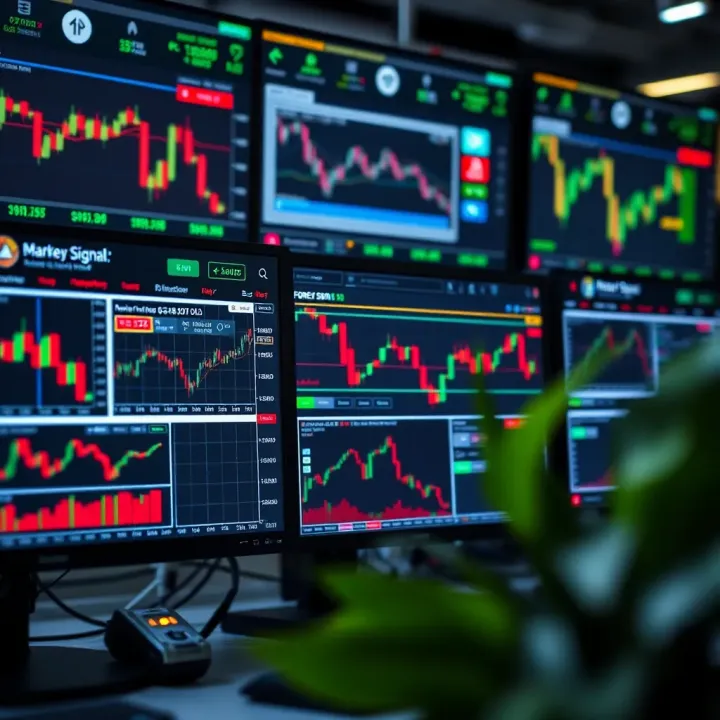
Learn how to spot trustworthy free forex trading signals 🇿🇦, assess their quality, and use them safely in volatile markets. Tips tailored for South African traders 💹
Based on 7 reviews