
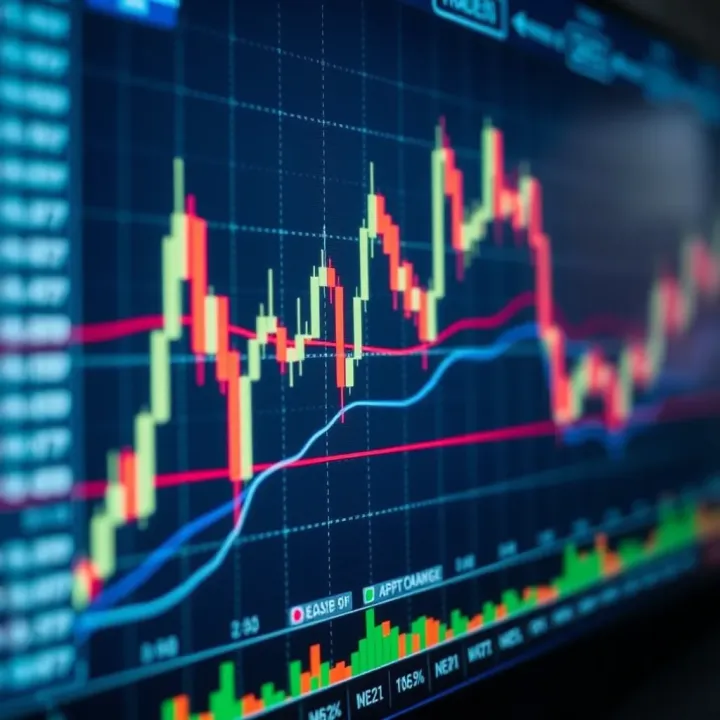
Basics of Forex Trading for South Africans
📉 Get to grips with forex trading basics in South Africa 🇿🇦. Learn market structures, key terms, strategies, and risk management to start your trading journey confidently.
Edited By
Lucy Harwood
Forex trading jobs in South Africa cover a broad range of roles, each requiring a unique set of skills and knowledge. Unlike the perception that forex trading is only about sitting in front of a screen and buying or selling currencies, many positions involve analysis, client relations, risk management, and regulatory compliance.
One common role is that of a forex trader, who directly buys and sells currency pairs, aiming to profit from market fluctuations. Many traders work for financial institutions or proprietary trading firms, while others operate independently. For example, a trader in Johannesburg might specialise in emerging market currencies, leveraging economic data from neighbouring countries.
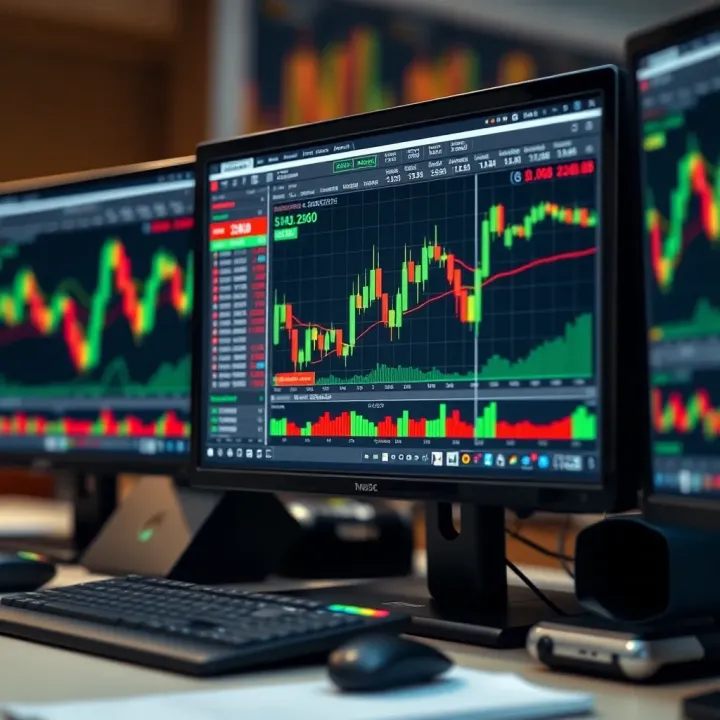
Then there are forex analysts who support traders by interpreting macroeconomic indicators, geopolitical events, and market trends. These analysts often produce reports and forecasts that inform trading strategies. They need strong analytical skills and proficiency with tools like MetaTrader and Bloomberg terminals.
Forex brokers act as intermediaries between clients and the market. They facilitate trades and provide platforms for retail and institutional investors. Brokers in South Africa must comply with Financial Sector Conduct Authority (FSCA) regulations and often need licences to operate. They also advise clients on market conditions and suitable trading strategies.
Risk management specialists and compliance officers ensure that trading practices adhere to legal and financial standards. Given South Africa’s regulatory environment, these roles are vital in preventing fraud and managing exposure during volatile periods like intense loadshedding or unexpected rand swings.
Entry into this sector typically requires a background in finance, economics, or mathematics. Many employers value certifications like the CFA or specialized forex trading courses. Practical experience, such as internships at local banks or trading firms, boosts employability.
The forex trading sector is competitive yet dynamic; those who combine solid market knowledge with practical skills stand a better chance of success.
To get a foot in the door, familiarise yourself with South African market conditions, stay updated on global events impacting currency values, and build a disciplined approach to both analysis and trading. Whether you're aiming to become a trader, analyst, or broker, understanding the local nuances of the forex market is a must.
Forex trading offers diverse career paths for individuals interested in financial markets. Understanding these careers helps you pinpoint where your skills fit and what you can expect from the industry. Whether you’re a trader analysing currency pairs or a risk manager ensuring compliance with regulations, each role plays a distinct part in the ecosystem.
At its core, forex trading means buying and selling currencies on a global market. This market operates 24 hours a day, five days a week, allowing traders in Johannesburg to engage while markets in London or New York are active. Traders speculate on currency price movements, aiming to profit from shifts driven by economic data, political events, or global trends.
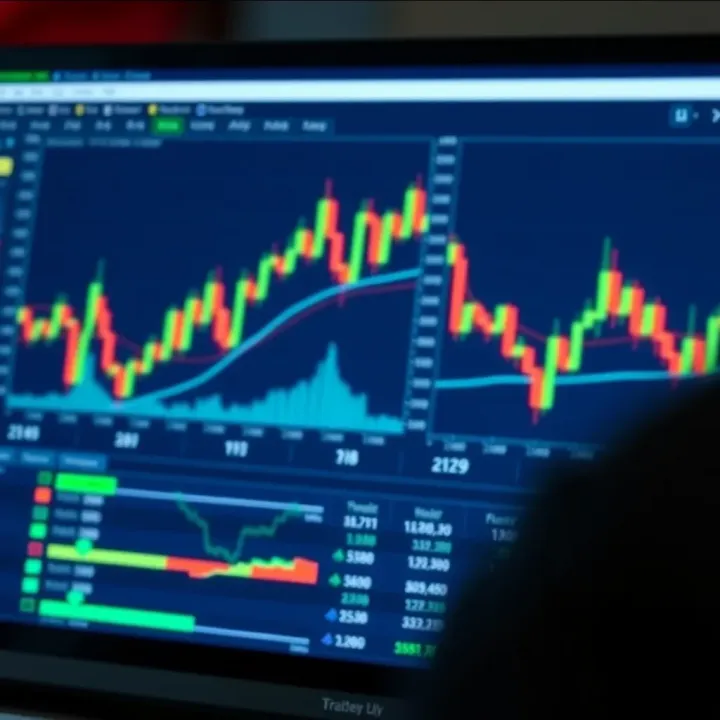
For example, a South African trader might watch the USD/ZAR pair closely if there’s news about US interest rate changes or local economic policy updates from the South African Reserve Bank (SARB). They use charts, news feeds, and economic calendars to make timely decisions. Successful trading demands a combination of technical knowledge, emotional discipline, and keen market awareness.
South Africa has a well-developed forex trading community supported by robust regulation from the Financial Sector Conduct Authority (FSCA). The FSCA’s oversight ensures brokers operate fairly, protecting traders from scams and unethical practices. This framework makes South Africa an attractive hub for both local traders and international institutions interested in the rand.
Moreover, forex trading in South Africa is affected by unique local factors, such as the rand's response to changes in commodity prices, political shifts, or Eskom’s loadshedding. These factors can cause rapid currency movements not immediately mirrored in other markets.
Many South African traders use both local and international brokers. Larger platforms like MT4 and MT5 let traders access global liquidity while enabling deposits and withdrawals in rand, easing transactions domestically. Plus, the growing fintech scene in South Africa offers tools and apps to support active traders.
Forex trading careers in South Africa blend global exposure with local market nuances. Understanding both sides improves your chances of success and helps you navigate challenges like volatility and compliance.
By getting a solid grasp of what trading entails and how the local market operates, you set a strong foundation for pursuing more specialised roles in this field. The next steps include exploring specific positions and the skills required, but this overview grounds you in the basics.
Understanding the different roles within forex trading helps clarify the skills and expertise needed in this sector, especially in South Africa’s financial market. These roles span from direct trading positions to support functions that together keep trading floors and financial institutions running smoothly. Let's break down some key roles you might come across.
Day traders are the sprinters of the forex market. They buy and sell currency pairs within a single trading day, aiming to capitalise on small price movements. This role demands quick decision-making and a solid grasp of technical analysis. For instance, a day trader in Johannesburg might monitor the Rand-US Dollar pair for volatile spikes during peak market hours, closing positions by the day's end to avoid overnight risks.
Swing traders hold positions from several days to a few weeks, focusing on capturing larger movements than day traders. They blend technical signals with economic data, such as South Africa’s GDP releases or SARB monetary policy announcements, to decide entry and exit points. This approach suits those who prefer less frenetic activity but still want to engage regularly with market trends.
Institutional traders operate on behalf of banks, hedge funds, or large financial institutions. Their trades involve substantial volumes and usually aim to hedge risks or exploit macroeconomic trends. For example, an institutional trader working at a Cape Town-based investment firm might execute trades adjusting portfolios based on movements in the JSE or international markets.
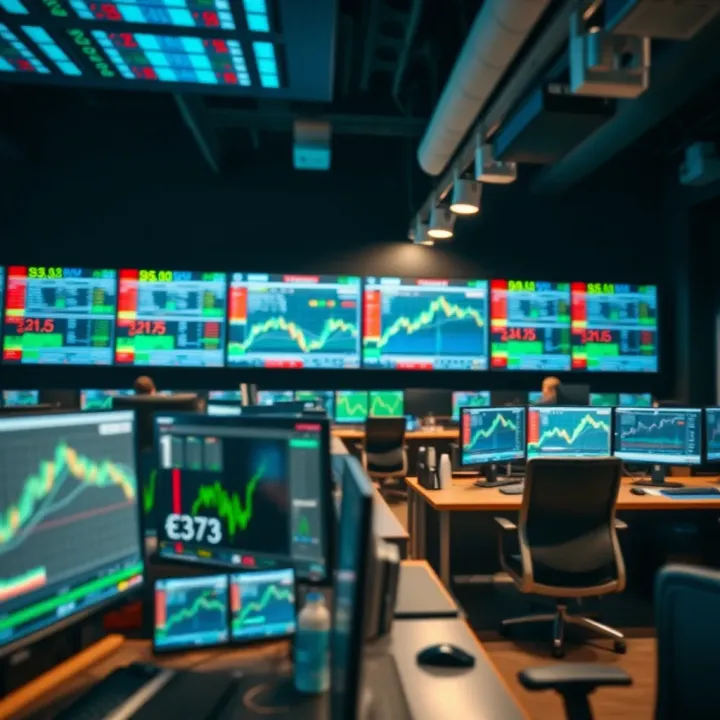
Market analysts study economic indicators, global events, and market charts to provide forecasts and trading signals. Their input informs trader decisions and strategy development. In South Africa, analysts often track commodities affecting the Rand or political shifts impacting investor sentiment. Their role requires strong analytical skills and current market knowledge.
Risk managers control exposure to adverse market movements by setting limits and advising on risk mitigation techniques. They closely monitor positions and use tools like stop-loss orders to protect capital. For firms dealing with high forex volumes, a risk manager’s oversight is vital to avoid significant losses, especially amid rand volatility influenced by global commodity prices.
Compliance officers ensure that forex trading activities meet regulatory requirements set by the Financial Sector Conduct Authority (FSCA) and other bodies. They oversee adherence to legislation such as the Financial Intelligence Centre Act (FICA) and the Protection of Personal Information Act (POPIA). Their role maintains market integrity and protects both the firm and clients from legal risks.
Each of these roles contributes uniquely to the forex trading ecosystem, balancing opportunity and caution. For anyone considering forex careers in South Africa, understanding these positions helps in choosing a path that suits your skills and ambitions.
By focusing on these roles, traders and financial professionals can better navigate South Africa’s forex market, making informed decisions whether executing trades or supporting the broader financial infrastructure.
A solid combination of formal education and personal skills is essential to succeed in forex trading jobs. Employers in South Africa look for candidates who are not only academically prepared but also possess the technical and emotional abilities to navigate volatile markets effectively. These skills underpin practical trading decisions, risk management, and compliance with local regulations.
A degree in finance, economics, or business administration lays a strong foundation for anyone stepping into forex trading roles. For example, a Bachelor of Commerce (BCom) in Finance from a reputable South African university provides essential knowledge of financial markets, macroeconomics, and trading systems. This academic background helps candidates understand market drivers and economic indicators, which are crucial when analysing currency movements.
Degrees alone are often not enough in forex trading. Many traders augment their education with specialised courses that focus on the forex market, trading strategies, and risk assessment. This enhances their ability to apply theory to practical trading environments.
Professional certifications can boost credibility and open doors in the competitive financial sector. Courses such as the Chartered Financial Analyst (CFA) are well-regarded internationally and provide deep insight into investment analysis, ethics, and portfolio management. In the South African context, earning a licence from the Financial Sector Conduct Authority (FSCA) is mandatory for certain trading roles, especially those involving client funds or advising.
Shorter courses on technical analysis, algorithmic trading, or even the use of trading platforms like MetaTrader also add practical skills that many entry-level positions require. When South African banks and brokerage firms recruit, these certifications demonstrate commitment and up-to-date knowledge.
Forex trading is all about making sense of complex data. Strong analytical skills allow traders and analysts to sift through charts, economic reports, and financial news to spot trends or anomalies. For instance, understanding how a change in South Africa’s interest rates set by the SA Reserve Bank (SARB) could affect the rand quickly can give a trader a competitive edge.
Being able to piece together this information accurately within tight timeframes helps in making informed decisions that reduce potential losses.
Details matter hugely when trading currencies. A single pip movement (the smallest price change in forex) can impact profit or loss significantly. Traders need to track the exact prices, timing of trades, and order sizes meticulously. Errors in inputting data or overlooking trading fees can erode margins drastically.
Attention to detail also applies to regulatory compliance — ensuring all trades adhere to FSCA rules and that KYC (Know Your Customer) processes under FICA are correctly followed. Missing small details here can lead to hefty fines or licence suspensions.
The forex market’s volatility tests a trader’s nerves daily. Emotional discipline involves managing stress, sticking to a predetermined trading plan, and resisting the urge to make impulsive decisions based on fear or greed. For example, a trader facing sudden rand depreciation during global events should avoid panic selling and instead rely on their risk management strategy.
This discipline protects capital and promotes consistency over time. Many successful traders explain that mastering emotions is as essential as understanding charts or indicators.
Developing these skills and qualifications is not a quick fix but a continuous process, crucial for carving out a sustainable forex career in South Africa’s dynamic financial sector.
Starting a career in forex trading requires a hands-on approach with solid preparation. This section focuses on practical steps you can take to gain the experience and knowledge needed to enter the South African forex job market. Given the market’s complexity and volatility, building a foundation through internships, demo accounts, and effective networking will give you a tangible edge.
Internships serve as a practical stepping stone into the forex world, especially within banks, brokerage firms, or financial institutions headquartered in South Africa. These positions often expose you to real market analysis, trade execution, and risk management processes. For example, a year-long internship at a local Johannesburg brokerage could immerse you in daily market monitoring and client reporting—skills highly prized later on.
Entry-level jobs such as junior analyst or trading assistant roles also provide crucial exposure. They enable you to learn industry jargon, understand compliance requirements, and align your trading strategy with actual market conditions. Starting small helps avoid costly mistakes and sharpens your decision-making abilities over time.
Demo accounts and trading simulators are vital tools for beginners. They let you practise trading without risking real money, which is handy for testing strategies and understanding market behaviour under various conditions.
For instance, platforms like MetaTrader or IG Markets offer demo versions tailored to South African traders, allowing you to simulate trades based on live market data. Regular use of these tools builds confidence and helps you recognise patterns before stepping into live trading. This not only improves your technical skills but also mentally prepares you for the real pressure and pace of forex markets.
Online job portals such as Careers24, Indeed SA, and specialised financial recruitment sites list forex-related positions regularly. These platforms provide detailed job descriptions, application processes, and candidate requirements, helping you target roles that match your skill set.
Moreover, utilising LinkedIn to connect with industry professionals and recruiters boosts your visibility. A well-crafted profile with relevant keywords and endorsements can attract invitations for interviews or discussions about upcoming opportunities.
Attending events like the South African Forex Expo or local financial indabas puts you ahead by offering direct access to brokers, traders, and regulatory body representatives. Engaging face-to-face can open doors to mentorships, internships, or even unadvertised job positions.
Online forums and trading communities, like those hosted on MyBroadband or Trade2Win, also provide valuable platforms for discussion, advice, and peer support. Participating in these keeps you up to date with market trends and helps cultivate relationships that might lead to job referrals.
Starting your forex trading career is about layering practical experience with smart networking. Use every chance to learn through doing, whether on demo platforms or in formal roles, and remain active in local trading circles to find your foothold in this dynamic market.
When working in forex trading in South Africa, understanding the challenges and considerations is key to success and sustainability in the field. Forex jobs expose traders and analysts to fast-moving markets and tight regulations, making it essential to stay alert and compliant.
Forex markets are known for their high volatility, which translates into significant price swings within minutes or even seconds. This volatility stems from economic announcements, geopolitical events, and shifts in global sentiment that directly impact currency pairs. For instance, a sudden interest rate announcement by the South African Reserve Bank (SARB) can cause immediate ripples across the ZAR exchange rates.
Jobholders must manage these risks wisely. Day traders might employ stop-loss orders to limit potential damage, while risk managers monitor exposure across multiple positions to keep losses within acceptable bounds. A trader caught off guard by a spike in volatility could face a cascading loss situation, illustrating why emotional discipline and attentiveness are non-negotiable traits.
Navigating volatility is not about avoiding risk but managing it smartly to protect capital and maximise opportunities.
The FSCA oversees the integrity and fairness of South Africa's financial markets, including forex trading platforms and brokers. Their role is crucial — they ensure market participants follow set rules designed to protect traders and maintain market confidence. For anyone working in forex jobs locally, engaging with FSCA-licensed brokers reduces the risk of fraud and malpractice.
The FSCA also enforces licensing requirements for forex brokers and trading firms, verifying that these entities have sufficient capital reserves and transparent operational processes. This oversight helps forex professionals operate in a stable environment, but it also means they must stay up to date on compliance changes to avoid penalties.
Forex firms in South Africa must comply with the Protection of Personal Information Act (POPIA) and the Financial Intelligence Centre Act (FICA). POPIA mandates how personal data from clients and employees is collected, used, and stored, ensuring privacy and protection against misuse. In practice, this means traders and brokers must handle client information with care, implement security measures, and avoid accidental data leaks that could damage trust or invite legal trouble.
FICA compliance is about preventing money laundering and terrorist financing within the financial sector. Forex trading involves the transfer of large sums and cross-border transactions, making adherence to FICA essential. Jobs in this sector may require conducting thorough client due diligence, reporting suspicious activities, and maintaining detailed records. Neglecting these duties not only risks legal action but could jeopardise the entire trading operation.
Together, these regulations shape the operational framework for forex jobs, balancing opportunity with responsibility. Staying well-informed and compliant under South African law protects individuals and firms from costly pitfalls while promoting a trustworthy market environment.
📉 Get to grips with forex trading basics in South Africa 🇿🇦. Learn market structures, key terms, strategies, and risk management to start your trading journey confidently.
📘 Learn forex trading in South Africa with essential skills, risk tips, local regulations, and trusted resources to trade smart and stay safe in the market. 💹

Explore forex trading's key benefits 🇿🇦: high liquidity, easy access, and profit potential. Learn how South Africans can engage with this dynamic market safely and smartly 📈🌍.
Discover how to pick the right forex trading platform in South Africa 🇿🇦, considering costs, regulation, local options, and practical tips for confident trades 📈.
Based on 7 reviews