

Strategies for Fraud and Risk Management in South Africa
🔍 Explore effective strategies to detect, prevent, and manage fraud risks in South African businesses. Learn about tools, frameworks, and regulations for strong protection.
Edited By
Daniel Hargreaves
Bank risk management is not just about preventing losses — it’s about ensuring the whole institution remains sound and trusted. South African banks face a complex web of risks, from loans going bad to sudden shifts in interest rates or currency volatility. Traders, investors, and financial advisors need to understand these risks in detail to make informed decisions and protect their stakes.
In South Africa, banks operate under strict regulatory oversight, primarily governed by the Prudential Authority and the South African Reserve Bank (SARB). Regulations like the Basel III framework require banks to hold sufficient capital buffers against potential losses, ensuring they don’t crumble under pressure. This is particularly important given challenges like the country’s economic uncertainties and recurring loadshedding.
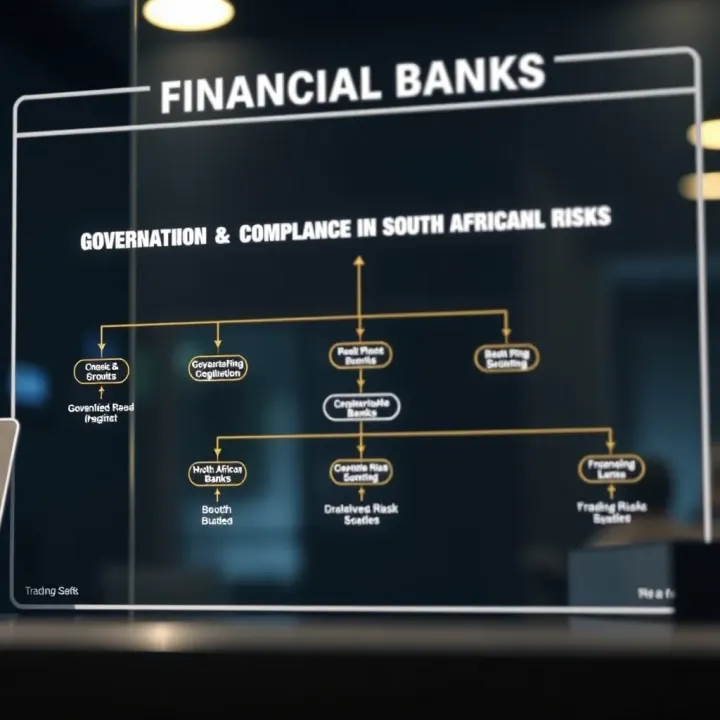
Risk management involves identifying, assessing, and managing diverse risk types, such as:
Credit risk: The danger that borrowers won’t meet their obligations. For example, a retail bank assessing a small business loan must factor in local economic pressures and sector-specific risks.
Market risk: Exposure to losses from shifts in interest rates, exchange rates, or share prices. A bank’s trading desk might hedge these risks using derivatives, but incorrect hedging can backfire.
Operational risk: Failures coming from internal processes or external events, such as IT system breakdowns or fraud. Given South Africa’s digital banking growth, this is increasingly significant.
Liquidity risk: The chance that a bank can’t meet its short-term financial demands. For instance, clients rushing to withdraw deposits during economic uncertainty can stress the bank’s cash position.
Effective risk management integrates sound governance and compliance. South African banks rely on independent risk committees that monitor exposures and enforce risk limits. Plus, internal audit functions regularly test the systems. Proper governance ensures risks don’t accumulate unnoticed, which could otherwise trigger crises.
Strong risk controls not only shield the bank’s balance sheet but also maintain confidence among investors, regulators, and customers — a vital asset in volatile times.
For investors and financial professionals, keeping an eye on how a bank manages these risks offers a clearer picture of its resilience. Understanding the systems behind risk management in South African banks reveals if the institution can navigate shocks — be it economic shocks, policy changes, or unexpected operational failures — without shaking confidence or stability.
Banks face a range of risks that can threaten their stability and profitability. Understanding these core risks is fundamental to effective risk management and helps ensure financial institutions remain resilient amidst economic uncertainties. By breaking down the risks banks encounter, stakeholders can better identify vulnerabilities and apply targeted strategies to protect assets and maintain trust.
Credit risk is the possibility that a borrower or counterparty fails to meet their financial obligations, resulting in losses for the bank. This risk is central because lending is at the heart of banking, and bad debts directly affect a bank’s capital and earnings. For instance, when a business in Johannesburg defaults on a loan, the bank must absorb that loss unless adequately provisioned.
Credit risk can emerge through various scenarios such as missed loan repayments, borrower insolvency, or economic downturns that impair clients' ability to repay. Take the example of a farmer in the Free State struggling to repay a loan due to drought-induced crop failures — this creates credit strain for the lender. Additionally, large corporate clients facing market disruptions can pose heightened risks, especially if exposures are concentrated.
Banks carefully assess credit risk by evaluating the borrower's financial health, repayment capacity, and collateral quality. This process often includes credit scoring models, analysis of cash flows, and stress scenarios. Efficient credit assessment helps banks avoid overexposure to risky segments and tailor loan terms accordingly, thereby reducing unexpected defaults.
Market risk involves losses due to movements in financial markets, including interest rate changes, foreign exchange fluctuations, and equity price shifts. For South African banks, managing interest rate risk is particularly relevant because of changes influenced by the South African Reserve Bank's monetary policy. Currency risk also matters, given the rand’s volatility against the dollar and euro.
Banks use tools such as Value at Risk (VaR) to quantify potential losses under normal market conditions, while stress testing models simulate extreme but plausible scenarios. These measures help banks gauge potential financial impacts, allowing for timely action to limit exposure.
Hedging instruments like swaps, futures, and options help banks control market risk. For example, a bank exposed to rising interest rates might enter into an interest rate swap to stabilise payments. Active portfolio diversification and regular risk monitoring are also essential to keeping market risks within acceptable limits.
Operational risk arises from failures in internal processes, human error, system breakdowns, or external events like cyberattacks. These risks are often overlooked but can cause significant damage. For instance, a glitch in a bank’s digital payment system might disrupt client transactions and damage reputation.
Examples include fraud, data breaches, or misprocessing of transactions. In 2021, a South African bank faced operational hiccups during loadshedding when backup systems failed, highlighting vulnerabilities that impact service continuity.
Robust internal controls, staff training, and incident response plans help manage these risks. Banks regularly audit processes and invest in technology upgrades to detect issues early. Continual monitoring reduces both the frequency and impact of operational failures.
Liquidity risk is the possibility that a bank cannot meet its short-term financial obligations without incurring substantial losses. It is crucial because, without sufficient cash or liquid assets, a bank cannot honour withdrawals or settle debts, leading to loss of confidence.
Liquidity shortages can force banks to sell assets at a discount or borrow urgently, increasing costs and potentially triggering broader distress. During tight market conditions, such as the 2008 financial crisis, many banks globally saw their liquidity evaporate, risking collapse.
Banks maintain liquidity buffers, holding high-quality liquid assets like government bonds. Contingency plans involve access to emergency funding from the South African Reserve Bank or interbank markets. Routine cash flow monitoring and diversified funding sources help banks stay prepared for unexpected withdrawals or market shocks.
Understanding these core risks allows banks, investors, and analysts to approach risk management with a clear focus on where dangers lie and how to contain them effectively. This insight is key to maintaining sector stability and protecting stakeholder value in the complex banking landscape.
Risk identification and assessment are foundational steps in effective bank risk management. Without knowing what risks exist and how severe they might be, banks can’t allocate resources properly or respond in time to threats. For traders and analysts, understanding these methods is vital to gauge a bank’s stability and resilience under varying conditions.

Value at Risk (VaR) is a statistical technique used to estimate the potential loss in value of a portfolio over a defined period for a given confidence level. For example, a bank might use a 99% VaR over one day to indicate that, under normal market conditions, there is only a 1% chance of losing more than that amount in a day. VaR helps banks and investors quantify market risk in monetary terms, making it easier to set limits and prepare for adverse moves.
Practically, a South African bank with significant exposure to rand-dollar currency fluctuations might calculate VaR to monitor potential losses from exchange rates shifting against them by more than expected during volatile periods.
Stress testing pushes the VaR concept further by modelling extreme but plausible scenarios that could severely impact the bank’s portfolio or liquidity. Instead of relying on historical market behaviour alone, stress tests consider hypothetical shocks, such as a sudden political crisis in Johannesburg or a rapid increase in domestic interest rates.
Scenario analysis narrows down to specific “what-if” events, allowing banks to assess impacts more granularly. For example, a scenario might examine the effect of a major client defaulting or an Eskom loadshedding surge disrupting operations. Banks then adjust their strategies or build buffers to withstand such shocks.
While helpful, risk measurement models have their quirks. VaR, for example, assumes market conditions approximate past behaviour and can underestimate risks during unprecedented events. Stress tests are only as good as the scenarios chosen — overlooked possibilities lead to blind spots.
Moreover, these tools mainly address quantifiable risks and might miss operational or reputational threats. For traders and risk managers, combining quantitative models with qualitative insights and constant vigilance is necessary for robust risk assessment.
Accurate risk assessment depends heavily on timely and reliable data. Banks gather risk data from diverse sources like loan portfolios, trading desks, payment systems, and market price feeds. Each department — from credit to treasury — produces critical inputs that feed into a holistic risk view.
For example, if a banker notices a rise in non-performing loans in township areas, this data is vital for flagging growing credit risks tied to local economic conditions.
Banks typically report risk exposures daily for fast-moving trading risks and monthly or quarterly for broader credit or operational risks. These reports come in formats tailored to the audience: dashboards for traders, detailed risk reports for senior management, and compliance reports for regulators.
The regularity and format balance the need for timely action with avoiding information overload, ensuring decision-makers get the right insights at the right time.
Technology plays a central role in collecting, processing, and reporting risk data. Modern risk management systems integrate data from multiple sources in real-time, allowing banks to spot emerging risks sooner.
South African banks increasingly use advanced analytics, cloud computing, and AI-powered tools to enhance accuracy and efficiency. For instance, automating data collation reduces human error and frees up risk teams to focus on analysis rather than manual tasks.
Well-organised risk identification and reporting systems help banks stay on top of their risk landscape, enabling more informed and timely decisions that protect financial stability.
Strong frameworks and governance structures form the backbone of effective risk control in banks. These systems ensure risks are identified and managed consistently, helping institutions stay resilient amid economic shifts and regulatory demands. Without clear governance, banks can quickly find themselves exposed to threats that spiral out of control.
The board and senior management carry the ultimate responsibility for risk oversight. They're charged with setting the tone and ensuring that the bank's risk management aligns with its overall objectives. Practically, this means regularly reviewing risk reports, understanding emerging threats, and stepping in to adjust strategies if the risk environment changes.
Setting the bank's risk appetite is a key task here. It involves defining how much risk the organisation is willing to take in pursuit of its goals. For example, a bank aiming to grow aggressively might accept higher credit risk but will need controls to prevent losses spiralling out of hand. Clear risk appetite statements help guide business decisions day-to-day and signal boundaries to staff.
Accountability completes the trio of responsibilities. Board members and executives must not only approve risk policies but also be answerable for implementing them and responding when risk limits are breached. This fosters a culture where risk is managed proactively, not shuffled under the carpet because ‘it might look bad’.
Risk committees are where strategy meets execution. Typically composed of senior managers from across the bank, they meet regularly to discuss risk exposures, approve new policies, and assess ongoing effectiveness. Their structure often includes subcommittees for specific risks like credit or liquidity, giving focused attention where needed.
Policy development is not a one-off job but an ongoing exercise. Policies must be updated as markets change, new products are launched, or regulatory requirements shift. Enforcement requires clear communication and regular training to keep everyone on the same page. For example, updating lending criteria in line with new Basel III capital rules ensures the bank stays compliant and risk-conscious.
Aligning risk policies with business strategy is essential. Risk controls shouldn’t be a drag on profitable activities but rather an enabler of sustainable growth. This means risk managers must work closely with business units, understanding their goals and challenges, to craft rules that protect without stifling innovation.
Compliance teams check that risk procedures are being followed and that the bank operates within legal and regulatory boundaries. Their practical role includes conducting regular compliance tests and flagging any deviations early so that corrective actions can be taken promptly.
Internal audit digs deeper by assessing the strength of controls and uncovering weaknesses that might not be obvious day to day. For instance, they might find that a manual process is prone to error or fraud, recommending automation to reduce risk.
Crucially, findings from compliance and audit must be reported clearly to stakeholders—whether board members, regulators, or shareholders. Transparent reporting builds trust and helps decision-makers prioritise corrective measures, ensuring the bank stays on a steady path.
A well-structured governance framework doesn’t just protect a bank; it builds confidence among customers, investors, and regulators alike.
By embedding these frameworks and governance practices, banks can better guard against surprises and keep their operations smooth and resilient in the face of unexpected events.
South Africa's banking sector operates within a detailed regulatory framework designed to maintain stability and promote risk-aware practices. These regulations influence how banks assess, control, and report risks, ensuring the financial system remains resilient under various conditions. Understanding this regulatory environment is essential for anyone involved in banking risk management, especially traders, investors, and financial advisors navigating market complexities.
The Prudential Authority, a division within the South African Reserve Bank (SARB), supervises banks to ensure they meet prudential standards. It focuses on preventing failures that could ripple through the financial system, reducing systemic risk. For example, if a bank takes on excessive credit risk, the Prudential Authority steps in to require measures that protect depositors and the sector at large.
South African banks comply with Basel III norms, which set standards for capital adequacy, stress testing, and risk management. Basel III requires banks to hold a certain buffer of high-quality capital to absorb shocks, which ensures they can withstand market downturns. Banks must regularly report their risk exposures and maintain capital ratios above the minimum thresholds, with additional buffers to cover specific risks such as counterparty credit and operational risks.
Capital and liquidity requirements are central to prudential regulation. Banks must keep enough capital to cover unexpected losses and maintain sufficient liquid assets to meet short-term obligations, especially during market stress. Policies mandate liquidity coverage ratios and net stable funding ratios that require banks to hold diverse, reliable funding sources. This protects against sudden withdrawals or funding shortages, which can stress operations.
The SARB adopts a risk-focused supervisory approach aimed at identifying vulnerabilities early. This approach includes regular assessments of banks’ risk management systems, with less emphasis on mere compliance and more on practical risk controls. Banks are expected to embed risk awareness in their culture and governance, responding proactively rather than reactively.
Stress testing is a key tool the SARB encourages banks to use. It involves running scenarios like economic recessions, interest rate shocks, or sudden credit losses to gauge how these would affect capital and liquidity. The bank’s ability to absorb such shocks without destabilising operations is closely monitored. This helps banks prepare contingency plans ahead of tough times.
When banks fail to meet prudential standards, SARB can enforce corrective actions ranging from additional capital requirements to fines and, in extreme cases, intervention or closure. These enforcement activities reinforce discipline, signalling to the market and stakeholders that risk management isn’t just theoretical but backed by real consequences.
The FSCA oversees how banks handle conduct risk—essentially the risk that poor behaviour harms clients or the market. This includes unfair treatment, mis-selling financial products, or inadequate disclosure. Managing conduct risk helps protect reputation and customer trust, essential assets in banking.
FSCA enforces consumer protection rules that ensure transparency and fairness in banking products and services. For instance, clear terms on loan agreements and responsible lending standards guard consumers against over-indebtedness. Compliance with these standards is vital for banks, as breaches can lead to regulatory penalties and loss of client confidence.
The FSCA works alongside the Prudential Authority and other bodies to provide cohesive oversight. This cooperation prevents regulatory gaps and ensures banks face consistent expectations across prudential and conduct issues. For example, a bank's risk culture is assessed not just for its financial soundness but also for how it aligns with consumer rights and market integrity.
A solid grasp of South Africa's regulatory environment empowers financial professionals to better identify risk, comply with evolving standards, and make informed decisions that safeguard both their institutions and clients.
This regulatory framework provides the backbone for effective bank risk management, ensuring that risk is managed not only for shareholder value but also for the broader economic stability of South Africa.
Banks face a range of risks daily, from credit defaults to market swings. Practical risk mitigation strategies help banks keep these risks in check, ensuring financial stability and compliance. These approaches go beyond theory — they’re the nuts and bolts of how banks protect their balance sheets and reputation in a highly regulated and fast-changing environment.
Credit limits and exposure monitoring are central to managing credit risk. Banks set limits on the amount they will lend to any one borrower or sector, to avoid overexposure. For instance, a bank might cap lending to a single corporate client at R50 million or limit exposure to the volatile construction sector. Regular monitoring detects if exposures drift beyond these limits, enabling timely interventions to reduce risk before problems escalate.
Collateral and guarantees act as safety nets in lending. When banks take collateral—such as property deeds, shares, or fixed deposits—they have an asset to claim if a borrower defaults. Guarantees from third parties, like parent companies or insurance firms, provide extra assurance. For example, a small business loan secured by a residential property mitigates the loss risk if the business struggles, which makes the bank more comfortable approving the loan.
Loan portfolio diversification spreads risk across various sectors, geographies, and borrower types. By avoiding concentration in, say, just the mining sector or Gauteng province, banks reduce vulnerability to specific downturns. A diversified portfolio may include retail consumer loans, agricultural credits, and corporate finance. This balance helps to ensure that poor performance in one area doesn’t cripple the entire loan book.
Derivatives and swaps are financial contracts banks use to offset market risk. Interest rate swaps, for example, enable a bank to exchange variable-rate obligations for fixed rates, stabilising cash flows. Currency forwards help protect against rand volatility on foreign exposure, a big concern given South Africa’s often turbulent exchange rates.
Currency and interest rate risk hedging shields the bank’s earnings from market fluctuations. For example, a bank holding foreign currency assets might hedge to prevent losses if the rand weakens. Such hedging allows better forecasting of profits and avoids surprises during volatile periods, which is vital for meeting regulatory capital requirements.
Cost and effectiveness of hedging must be carefully weighed. While hedging lowers risk, it isn’t free. Derivatives involve premiums, margin calls, and operational complexity. Inefficient hedging can add unnecessary costs or leave residual risks. Therefore, banks regularly review hedging strategies to ensure they balance cost against risk reduction effectively.
Automation and process improvements reduce human error and speed up operations. Implementing automated credit scoring systems helps standardise assessments, while digital workflow tools track compliance steps. For example, a bank employing robotic process automation (RPA) can quickly flag transaction anomalies, aiding fraud detection.
Staff training and awareness build a risk-conscious culture. Employees who understand risk policies and their roles are less likely to make costly mistakes. Regular training sessions on new regulations or cyber risks help keep teams alert and knowledgeable.
Incident response planning prepares banks to react swiftly when problems occur. Clear protocols for IT breaches or operational failures minimise damage and downtime. For example, having a tested plan for data centre outages ensures that critical services stay online during Eskom loadshedding or other disruptions.
Liquidity buffers and reserves are cash or liquid assets banks hold to meet unexpected demands. These buffers ensure banks can cover withdrawals or fund new loans even during market stress. South African banks typically maintain high-quality liquid assets (HQLA) like government bonds for this purpose.
Access to emergency funding lines, such as central bank facilities, provide back-up resources when liquidity taps run dry. Banks often arrange standby credit lines with other financial institutions or the South African Reserve Bank, enabling them to meet obligations without fire-selling assets.
Monitoring cash flow involves constant tracking of incoming and outgoing funds to forecast shortfalls early. Automated cash flow systems alert treasurers when liquidity dips dangerously low, prompting timely action. This vigilance is crucial during periods of volatility or increased client withdrawals.
Effective risk mitigation is a blend of clear limits, informed hedging, solid controls, and vigilant liquidity management — all tailored to the unique challenges South African banks face.
🔍 Explore effective strategies to detect, prevent, and manage fraud risks in South African businesses. Learn about tools, frameworks, and regulations for strong protection.

🔍 Discover the essential elements of a comprehensive risk management plan to spot risks, plan actions, and boost decision-making in your business.

🌍 Manage currency risk with practical strategies tailored for South African businesses. Protect your R earnings from exchange rate shifts and FX volatility confidently.

🛡️ Understand how South African businesses identify, assess, and control risks to safeguard operations and meet governance standards with practical management steps.
Based on 10 reviews